The Visual Trends Reshaping Food

TABLE OF CONTENTS

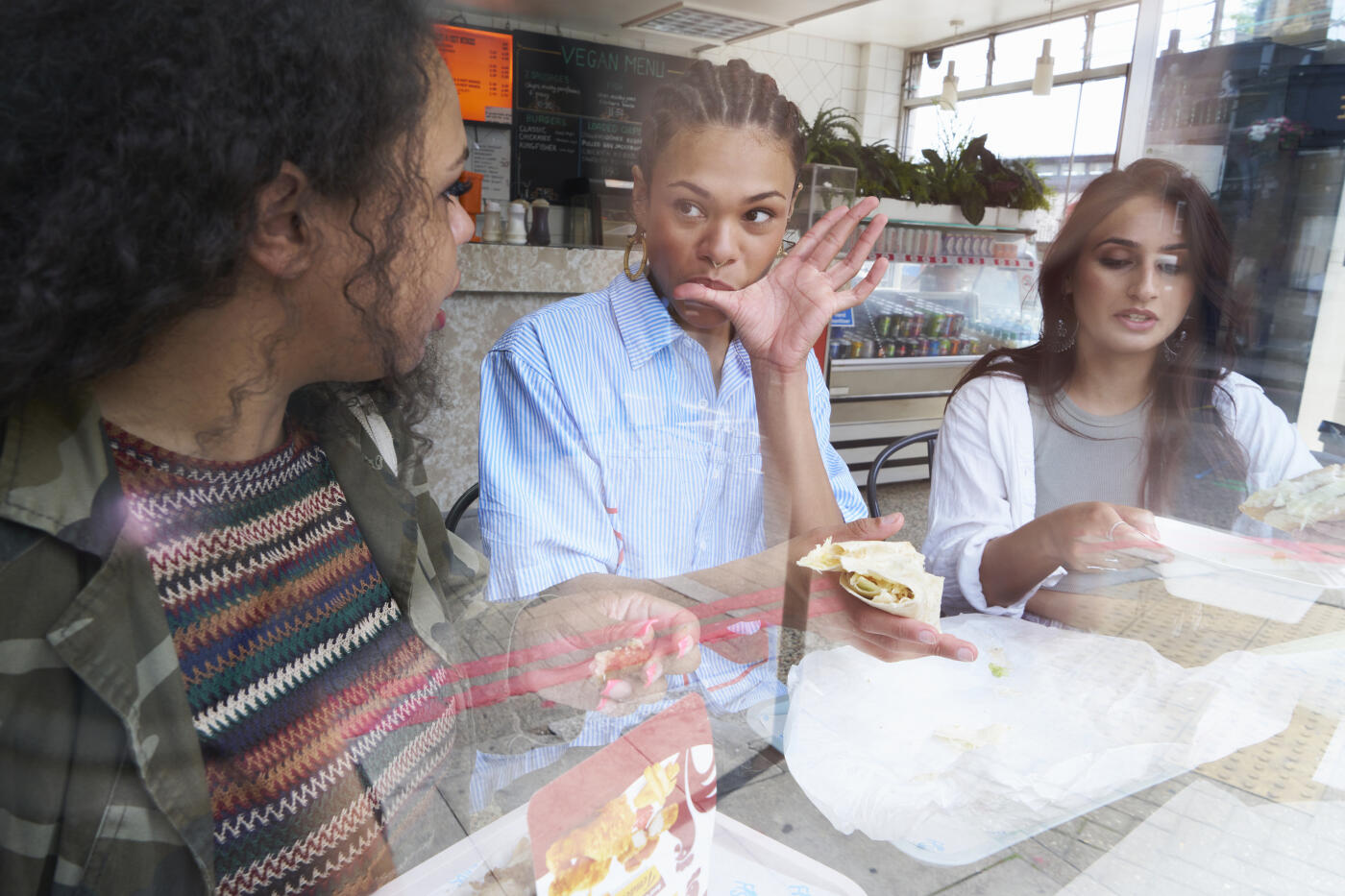
The way brands show food is changing because the way people think about food is changing. Food can be a small luxury, part of a wellness routine, a reflection of personal values or a way to bring people together. For food and drink brands, this creates both opportunity and risk. Consumers are increasingly drawn to visuals that feel authentic, emotionally relevant and connected to everyday life, while becoming more sceptical of imagery that feels overly staged, idealised or disconnected from reality. The opportunity is no longer simply to showcase products, but to show the role food plays in people's lives.
Everyday food luxury is having a moment
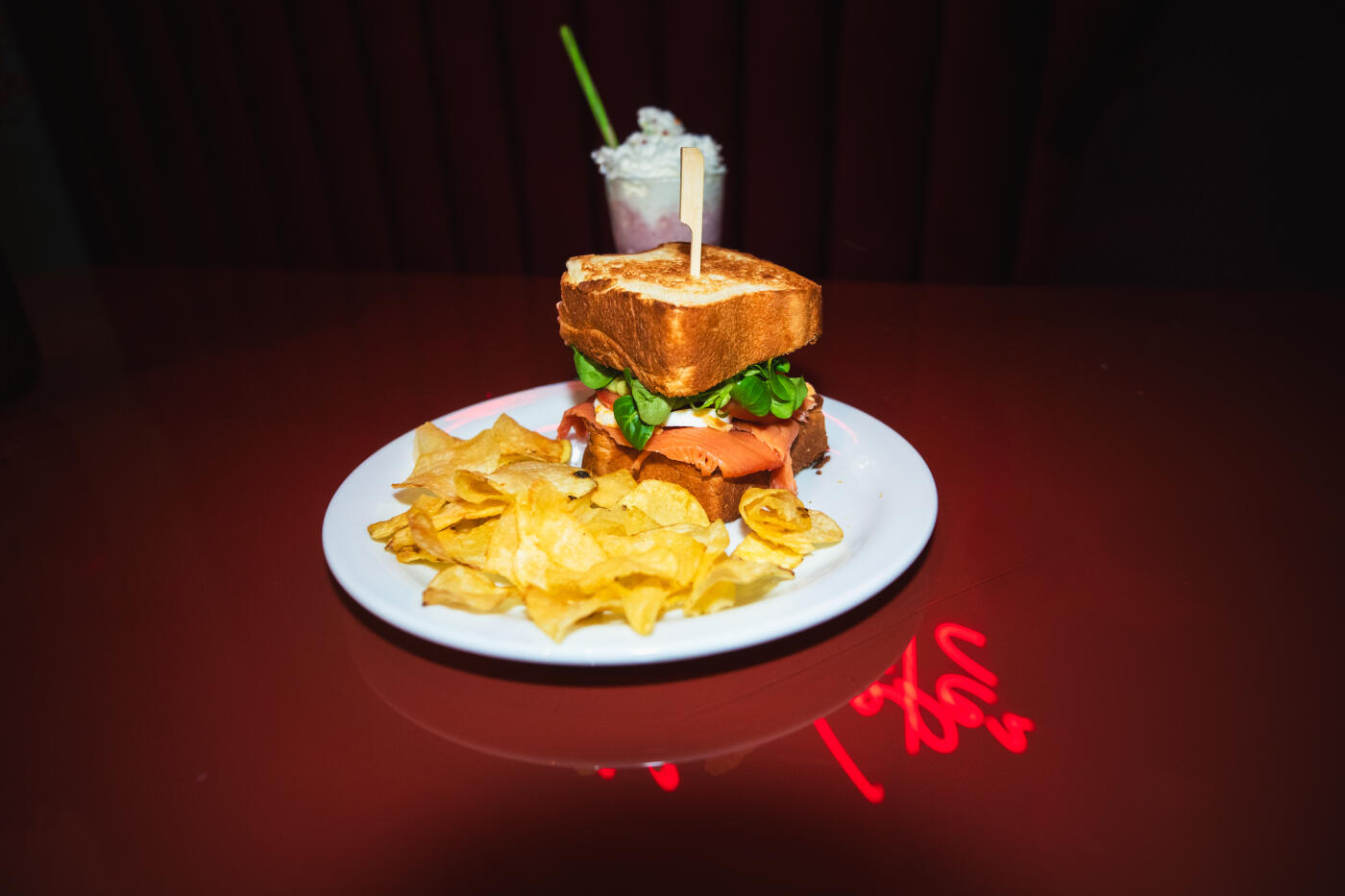
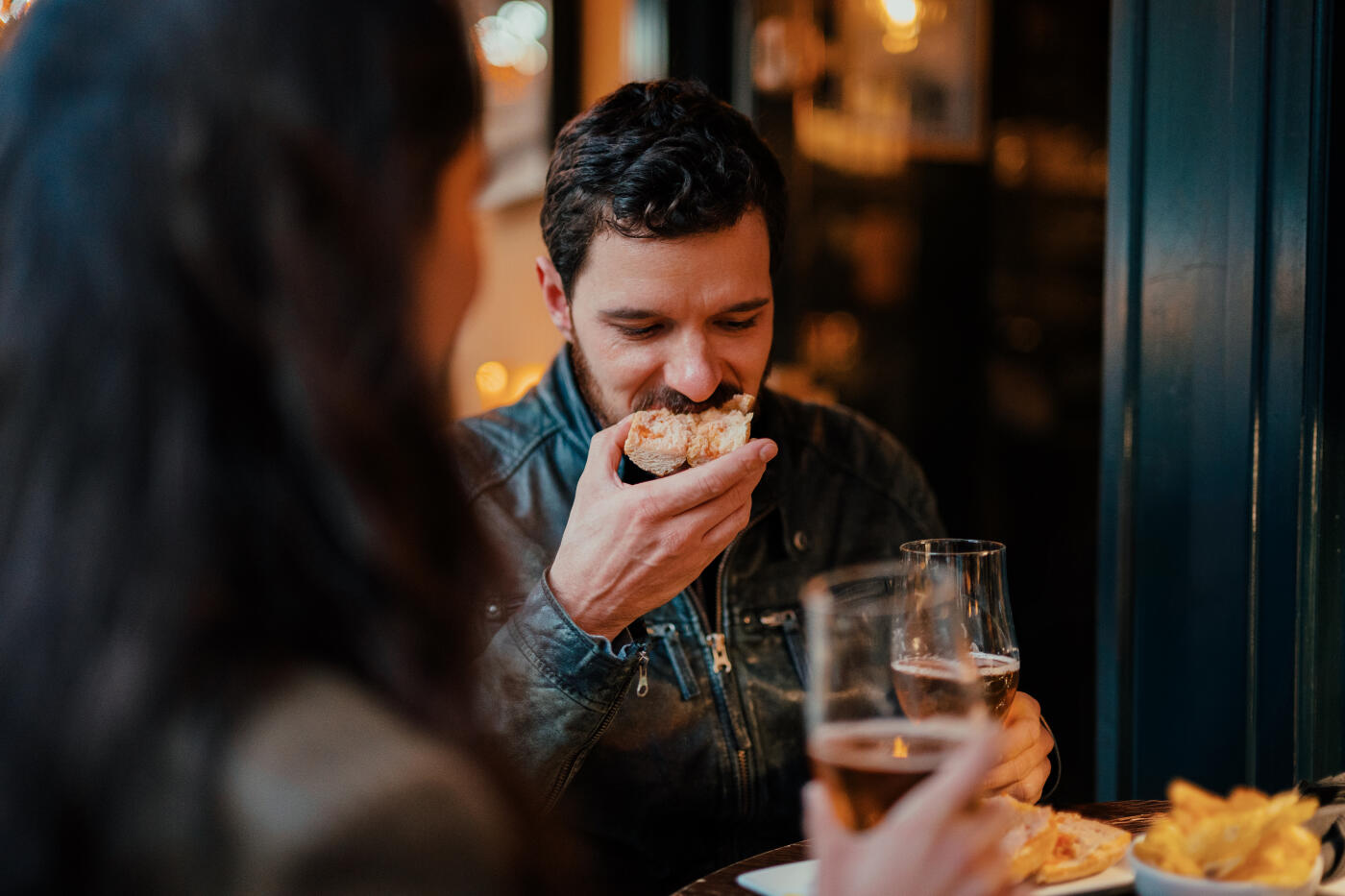
As economic pressures continue to influence spending habits, consumers are becoming increasingly selective about their purchases. Yet small indulgences remain a priority.1 According to Getty Images' VisualGPS research, 91% of Europeans say value for money is an important factor when purchasing food and beverages, while 66% worry that the cost of living may exceed their means. This tension is creating a new visual opportunity. Rather than aspirational excess, showing moments of attainable indulgence that feel rewarding and emotionally satisfying are key.
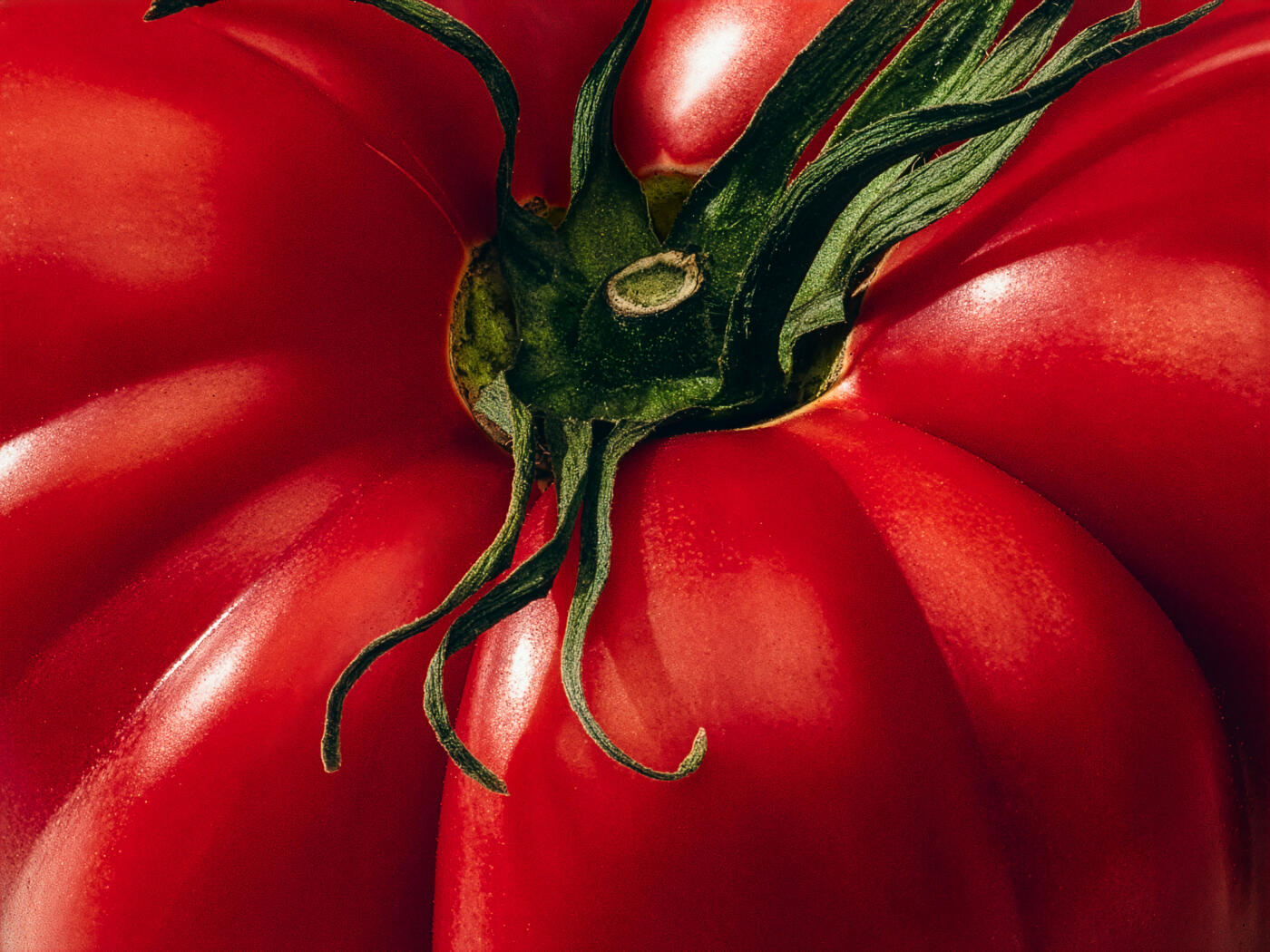
Close‑up textures, rich colours and immersive compositions can elevate everyday products into moments of personal luxury. For brands, the opportunity lies in transforming ordinary occasions into something memorable, whether that is a premium coffee at home, a comforting dessert after a busy day or a meal shared with family and friends. The risk is relying on outdated luxury or super sensory cues. Lavish dining scenes and highly polished lifestyles can feel increasingly out of touch. Today's consumers are more likely to connect with visuals that make indulgence feel accessible, personal and worth the spend.



Food for the soul
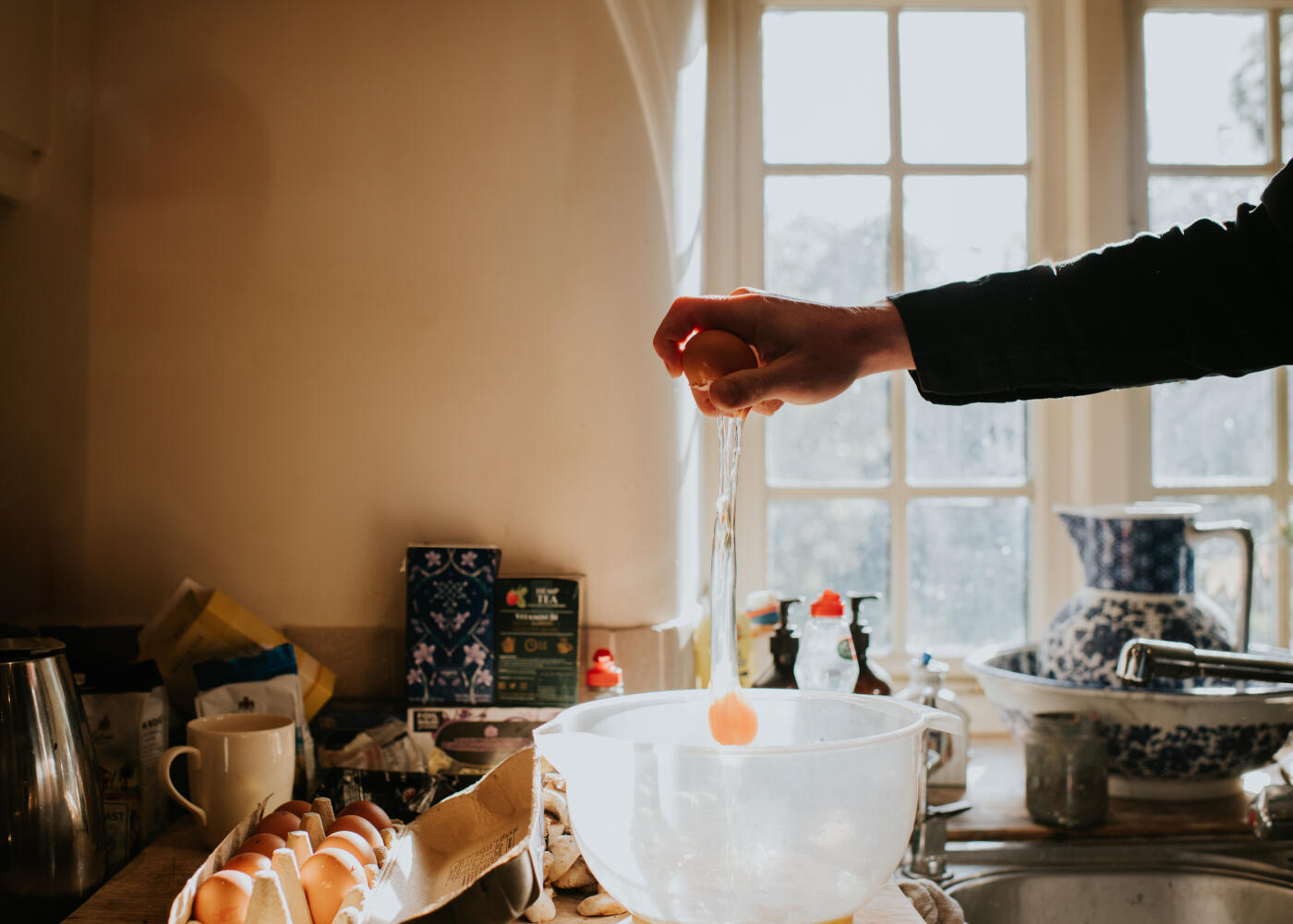
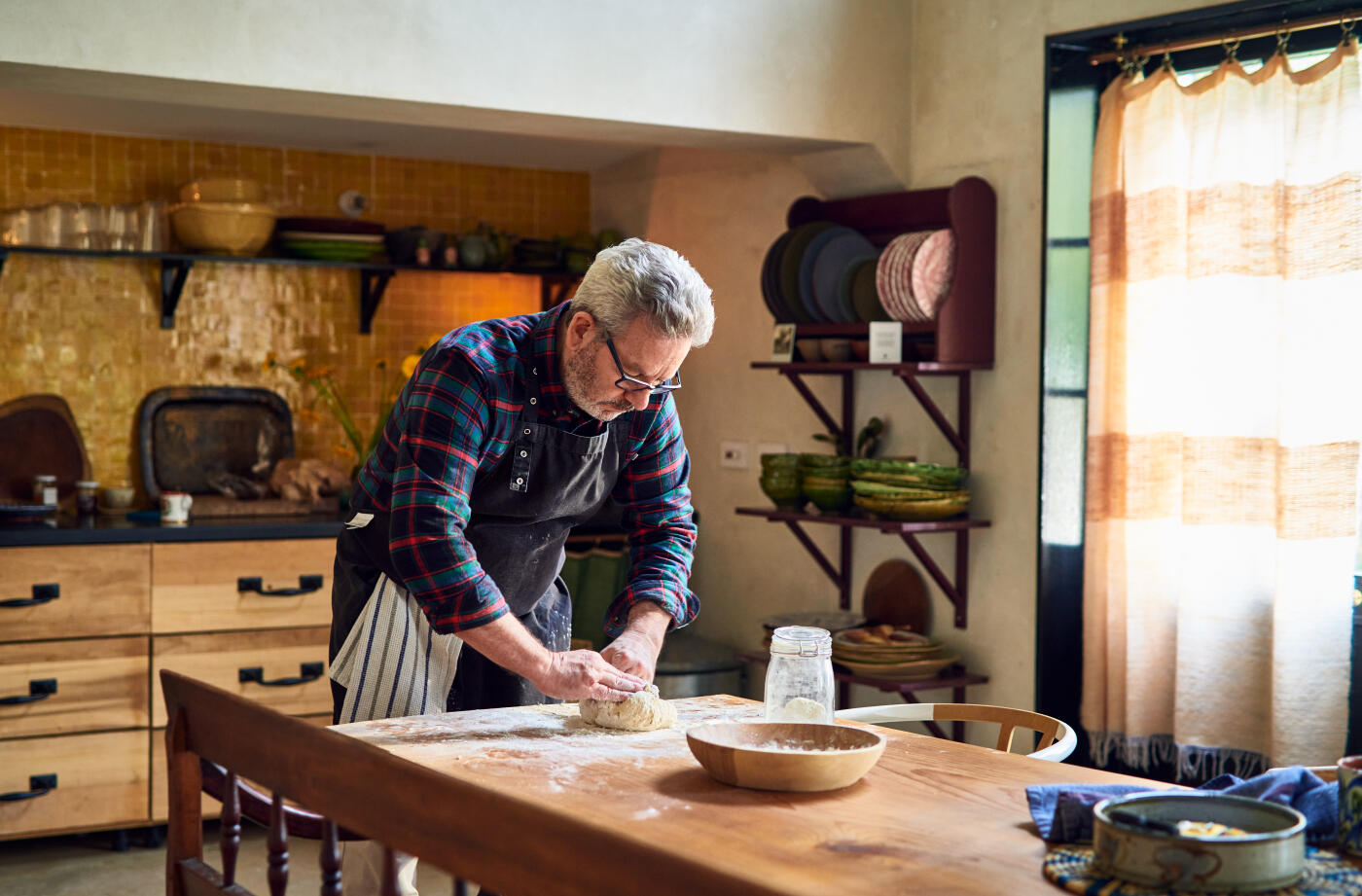
Consumers also increasingly view food as an investment in both physical and mental wellbeing. Getty Images' VisualGPS data shows that 80% of Europeans cite nutritional value and health benefits as key drivers when purchasing food and beverages, while 66% actively take steps to improve their health and wellbeing. At the same time, 69% are interested in exploring new wellness practices. As a result, the visual language of wellness is evolving. Clinical health imagery and overly functional product shots are being replaced by more holistic portrayals of wellbeing. Instead of isolated super ingredients or perfect meal presentations, brands have an opportunity to show the rituals surrounding food, from preparing nutritious meals and enjoying mindful moments to sharing food as part of everyday routines that feed the soul.




Sustainability gets real
Sustainability remains a key issue for food, but expectations around how brands communicate it are changing.2 Consumers are looking beyond broad environmental claims and want to see tangible evidence of progress across ingredients, production, packaging and supply chains. Getty Images' VisualGPS research shows that 75% of consumers want visuals that clearly demonstrate how organisations are addressing environmental issues, while 67% favour direct and honest depictions of climate‑related challenges.
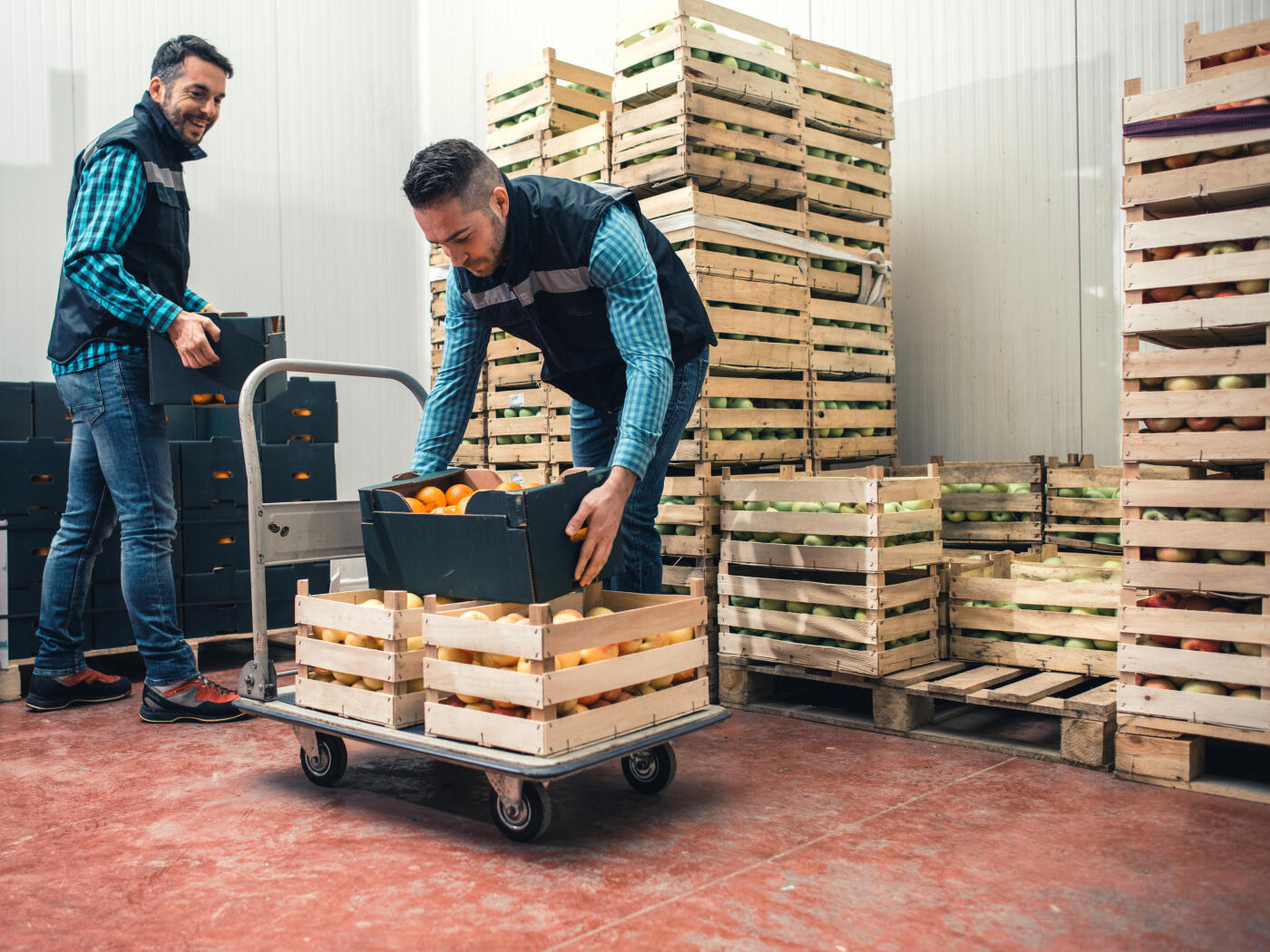
This creates an opportunity for brands to make sustainability efforts visible through real actions. Imagery showing regenerative farming, responsibly sourced ingredients, refillable packaging, reduced food waste or people driving change behind the scenes can make sustainability claims more credible and relatable. The risk is relying on generic sustainability tropes such as symbolic environmental imagery which can be too abstract and undermine trust if they are not backed by evidence.
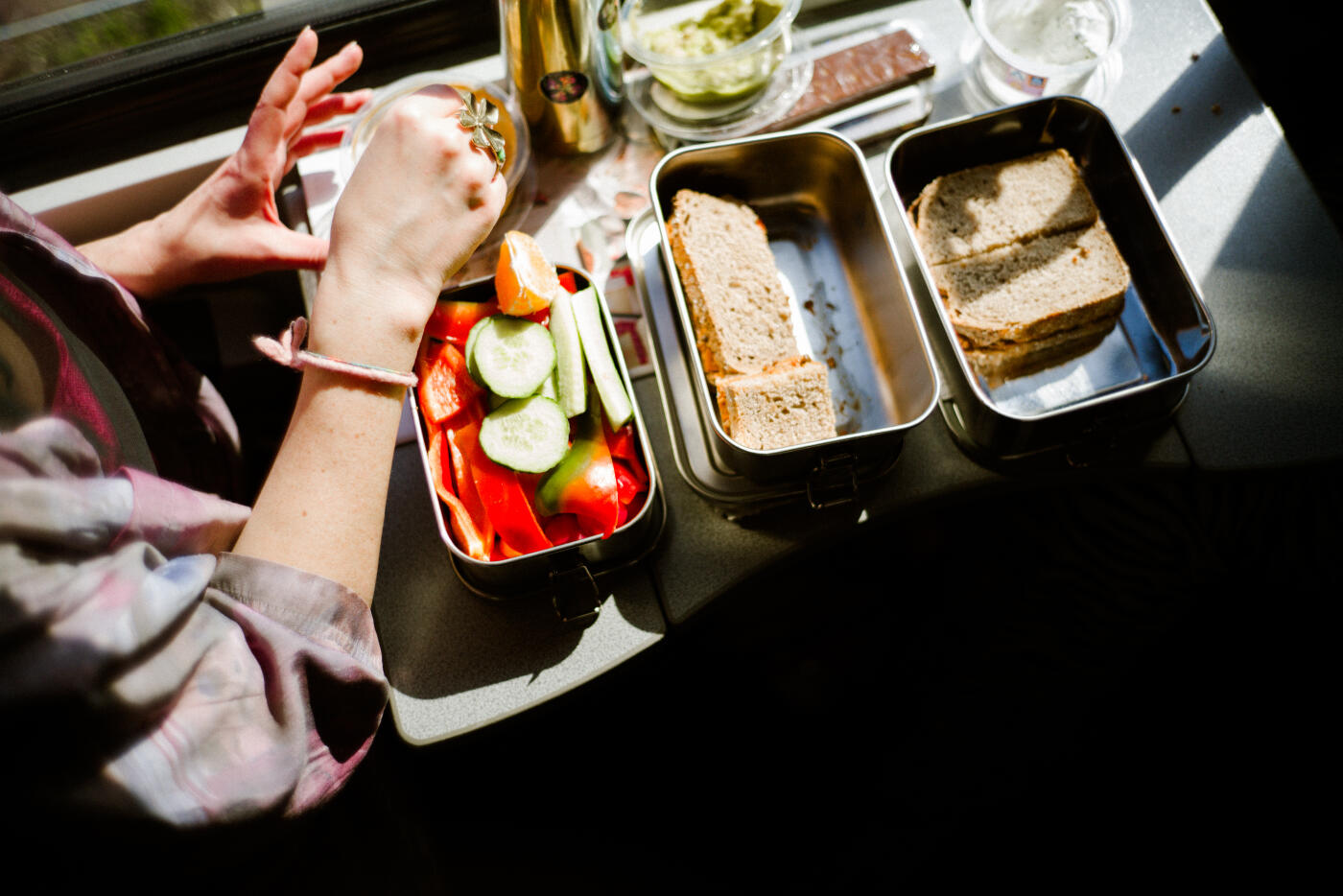

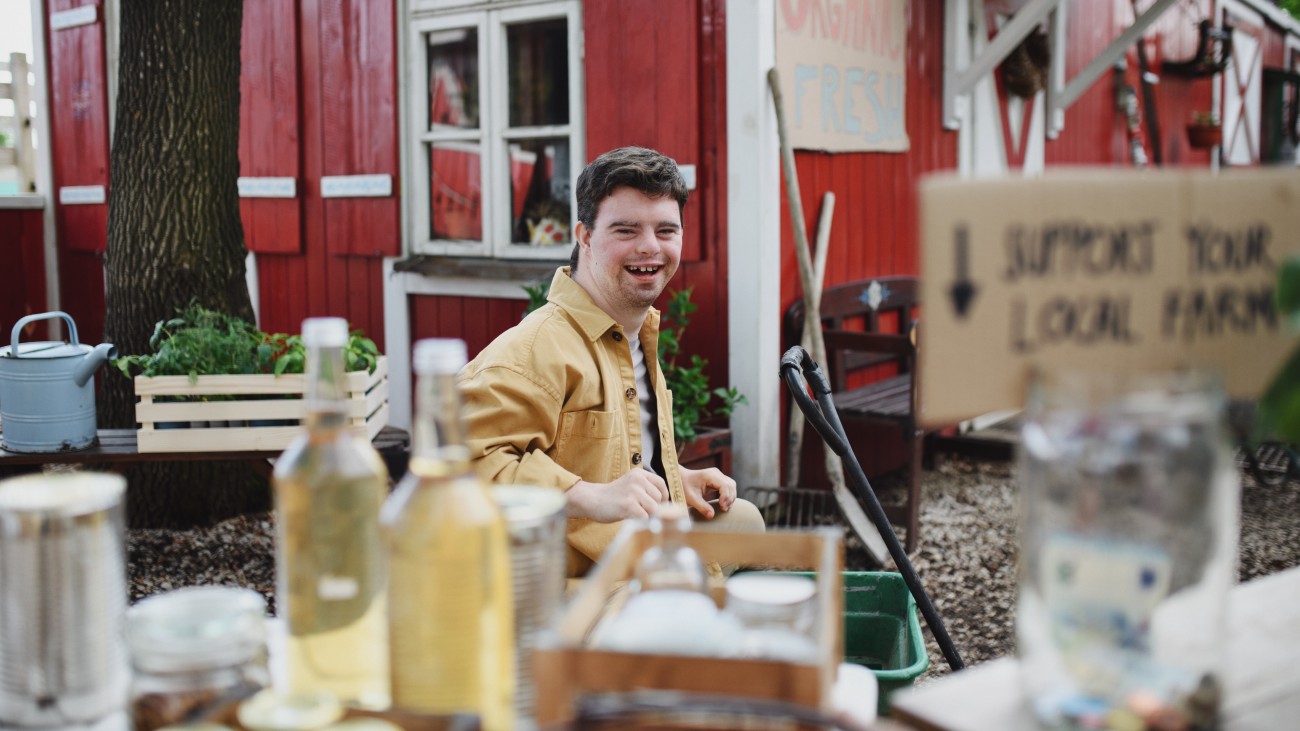

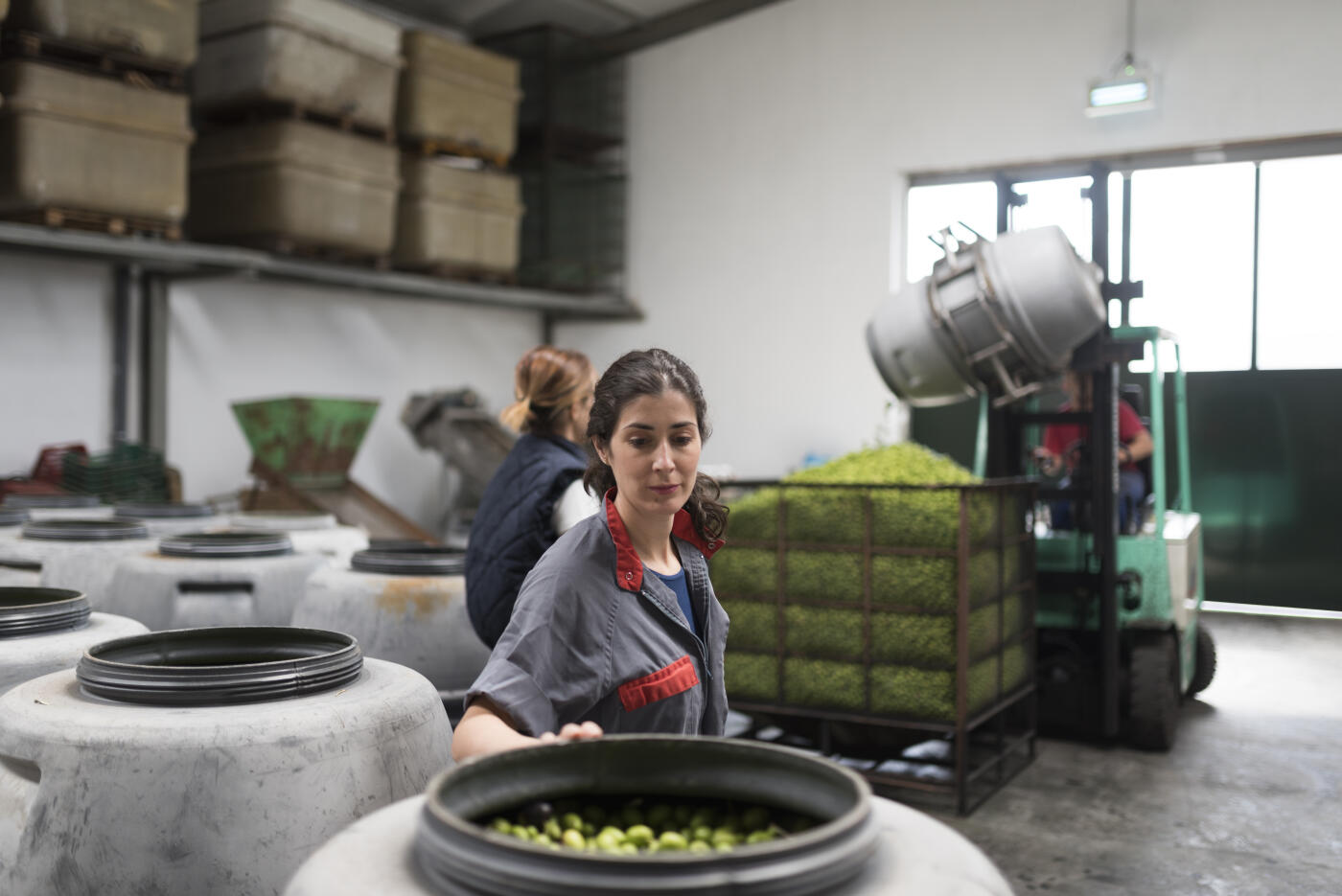
Across luxury, wellness and sustainability, the most effective visuals will be those that reflect real life. For food brands, the opportunity is to move beyond product‑centric storytelling and show how food fits into consumers' routines, values and aspirations. The risk is relying on visual shortcuts that feel disconnected from how people live today.
All article tags
Related articles


Learn more about licensing with Getty Images and Stay Inspired!

Connect with our visual experts for more details