Connection is Wellness Too


It’s no surprise that when brands want to evoke health and wellness, they turn to fresh foods and fitness to visualize these themes. In fact, VisualGPS research finds that food and beverage brands are more likely to search for food or nutrition‑related visuals than other forms of health or wellness, like exercise. However, imagery of vibrant salads and invigorating jogs may overlook aspects of wellness that consumers currently value most.
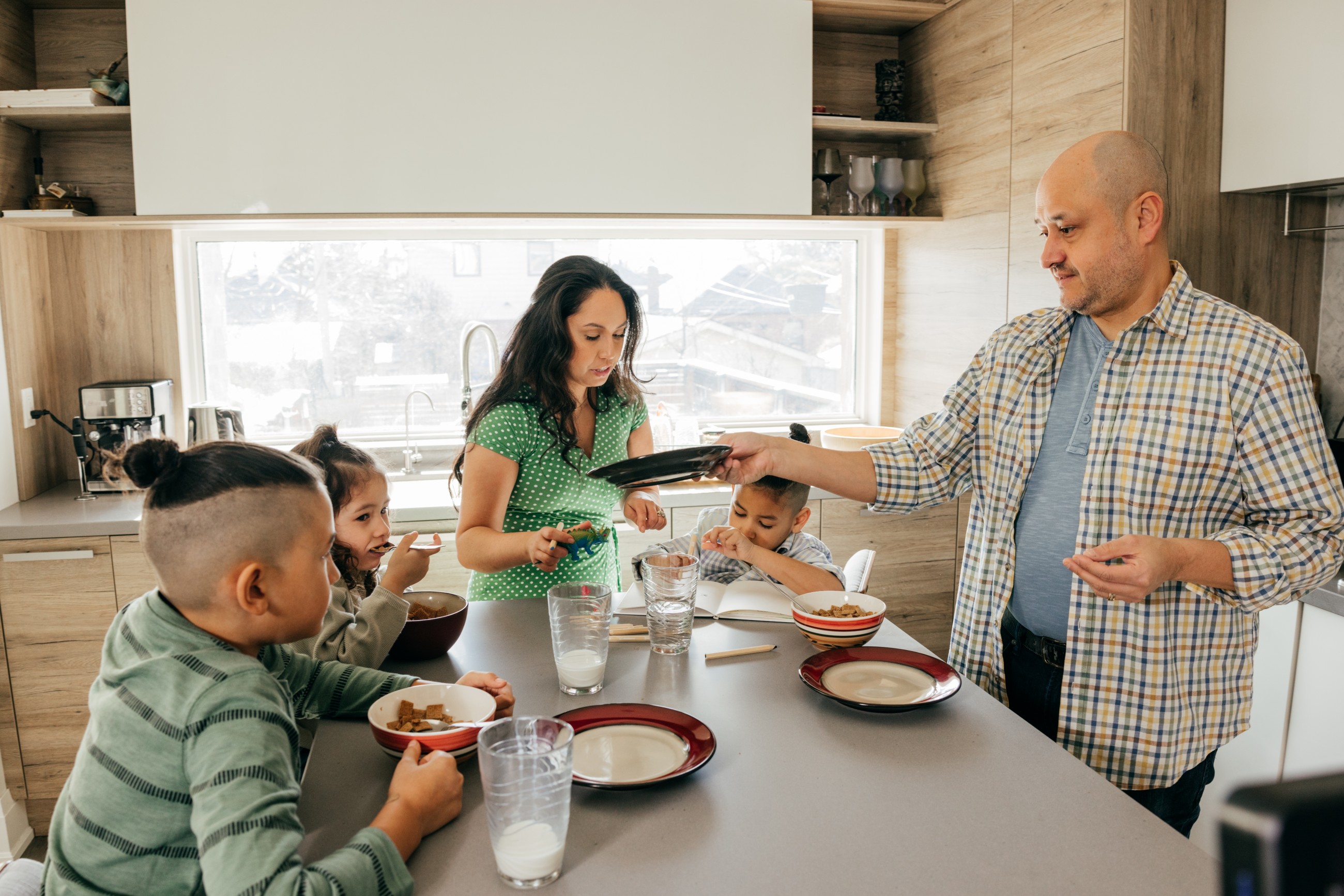
Health and wellness isn’t solitary
Though 70% of Americans try to improve their health daily, there are other wellness aspects that take precedence in their lives. When ranking top life priorities, Americans are more likely to rate work‑life balance and more time with loved ones higher than any other aspiration. Yet, health and wellness visuals favored by brands rarely reflect the social aspects of health and wellness that consumers want in their lives—and in their advertising.
Overall, two out of three Americans believe advertisements should look relatable, reflecting them or lives like theirs. When it comes to health and wellness advertising, two out of five people are drawn to wellness products that feel relatable to their lives.
Consumers want more relatable depictions of wellness that integrate their social and emotional priorities, especially as Americans define health and wellness as a combination of physical, mental, and spiritual health. Furthermore, we find that 91% of Americans believe it’s equally important to take care of themselves emotionally, as well as physically. By aligning visuals with consumers’ priorities, brands can foster deeper connections and stand out in a crowded market.

Two out of three Americans believe advertisements should look relatable
Highlight relatable health and wellness habits
Health and wellness visuals favored by food and beverage brands opt for dreamy, aspirational backdrops, often glittering blue oceans and lush, picturesque vistas. Imagery mostly features young, slim, white women, and this aspirational imagery can feel inaccessible to those identities not pictured, such as people with disabilities, seniors, those with larger bodies, and even men overall.
When selecting imagery, consider more everyday habits and activities, such as a midday walk or weekly meal prep. While friendships appear in 19% of health and wellness visuals, families are less likely to be seen—highlighting an opportunity for brands to showcase the intersections between wellness and connection at home.
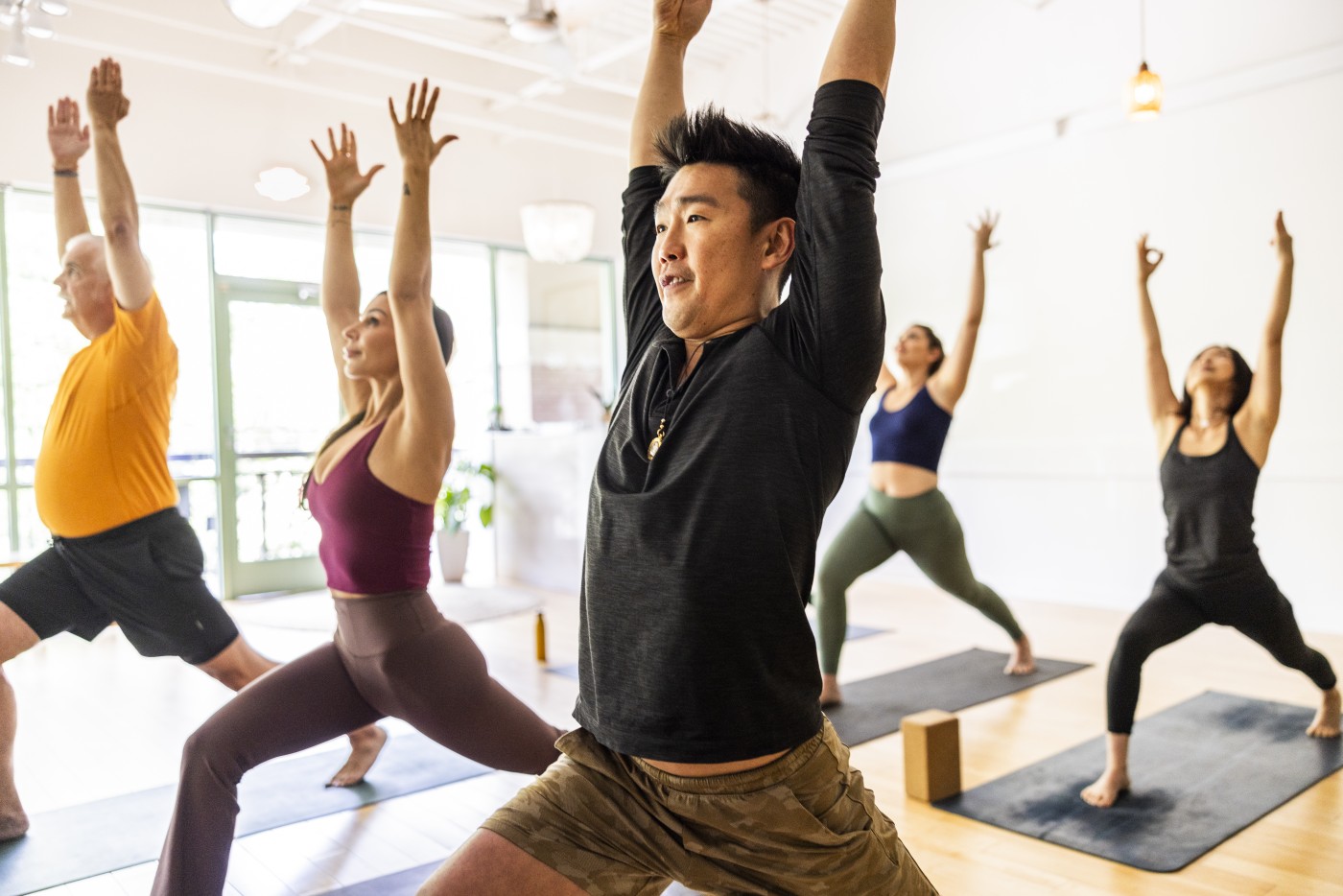




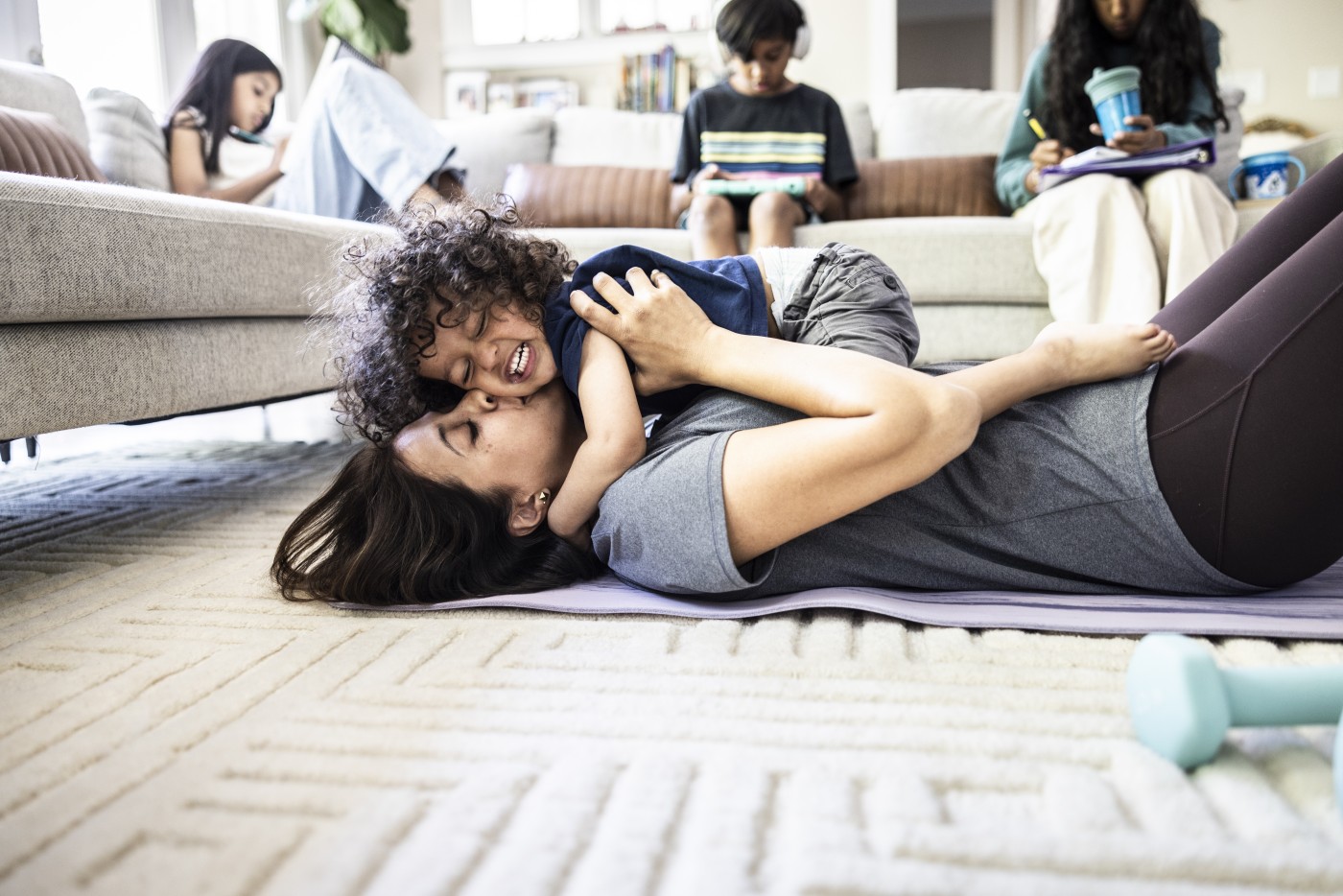

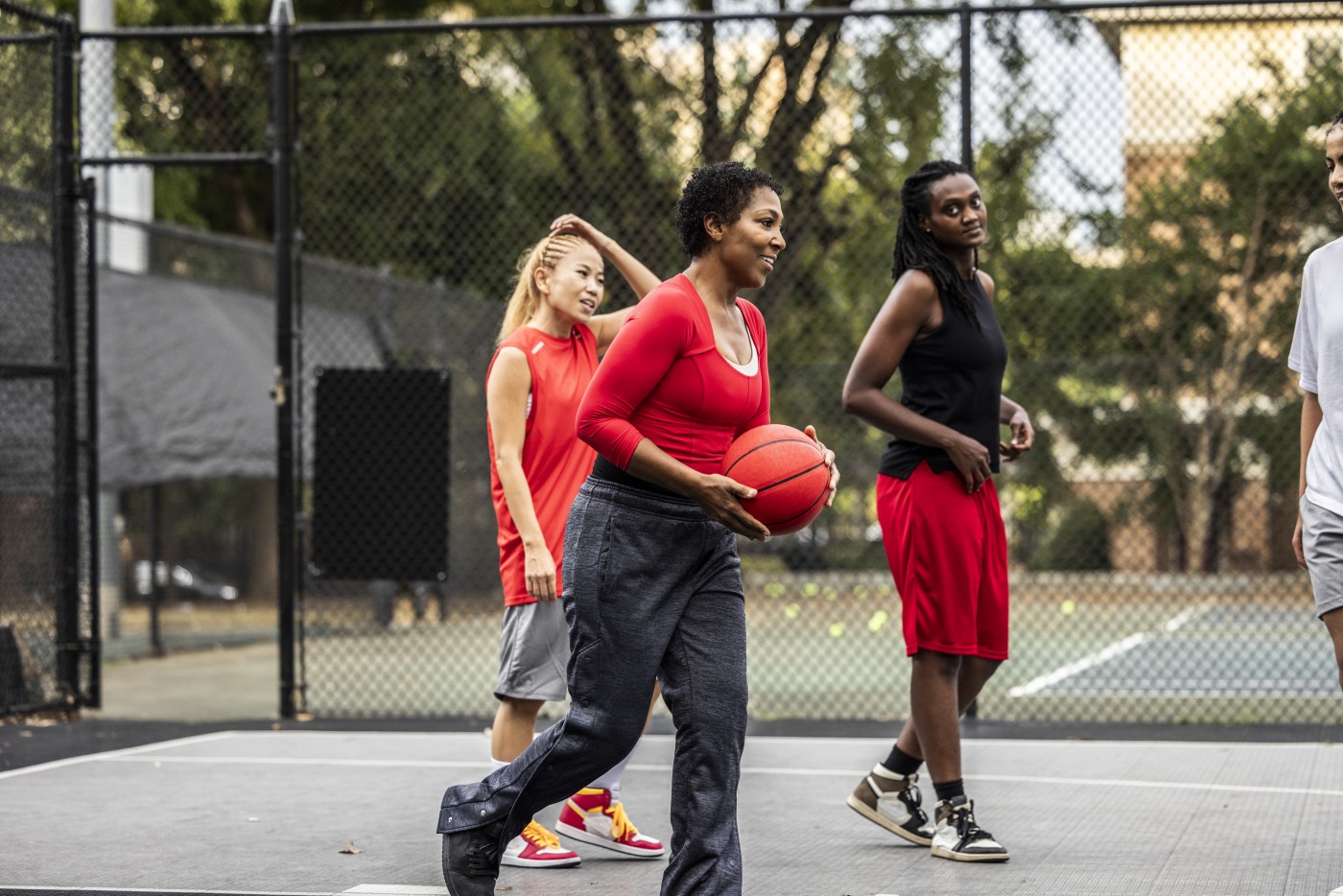
Everybody needs somebody—even in health and wellness visuals
Amidst American’s loneliness epidemic,1 relationships are crucial to well‑being. For 59% of Americans, connecting with friends and family is essential to their well‑being. Unfortunately, more than half often feel disconnected and isolated from their peers.
Despite the priorities of balance and connection, health and wellness visuals are twice more likely to feature someone alone than with others. Brand can acknowledge the desire to spend time with loved ones by highlighting moments of togetherness: Cooking as a family, group fitness, or even enjoying time with pets. These visuals humanize wellness, making it more inclusive and achievable.

Creating a new, social vision for wellness
To truly identify with consumers, brands must move beyond solitary ideals of health and embrace visuals that reflect the togetherness and connection consumers crave. Through realistic, inclusive, and more social depictions of wellness, brands can inspire consumers while honoring their real priorities—balance, relationships, and shared joy.
All article tags
Sources
[1] ABC News
Related articles



Learn more about licensing with Getty Images and Stay Inspired!

Connect with our visual experts for more details

Subscribe to our newsletter