The Longevity Paradox

TABLE OF CONTENTS
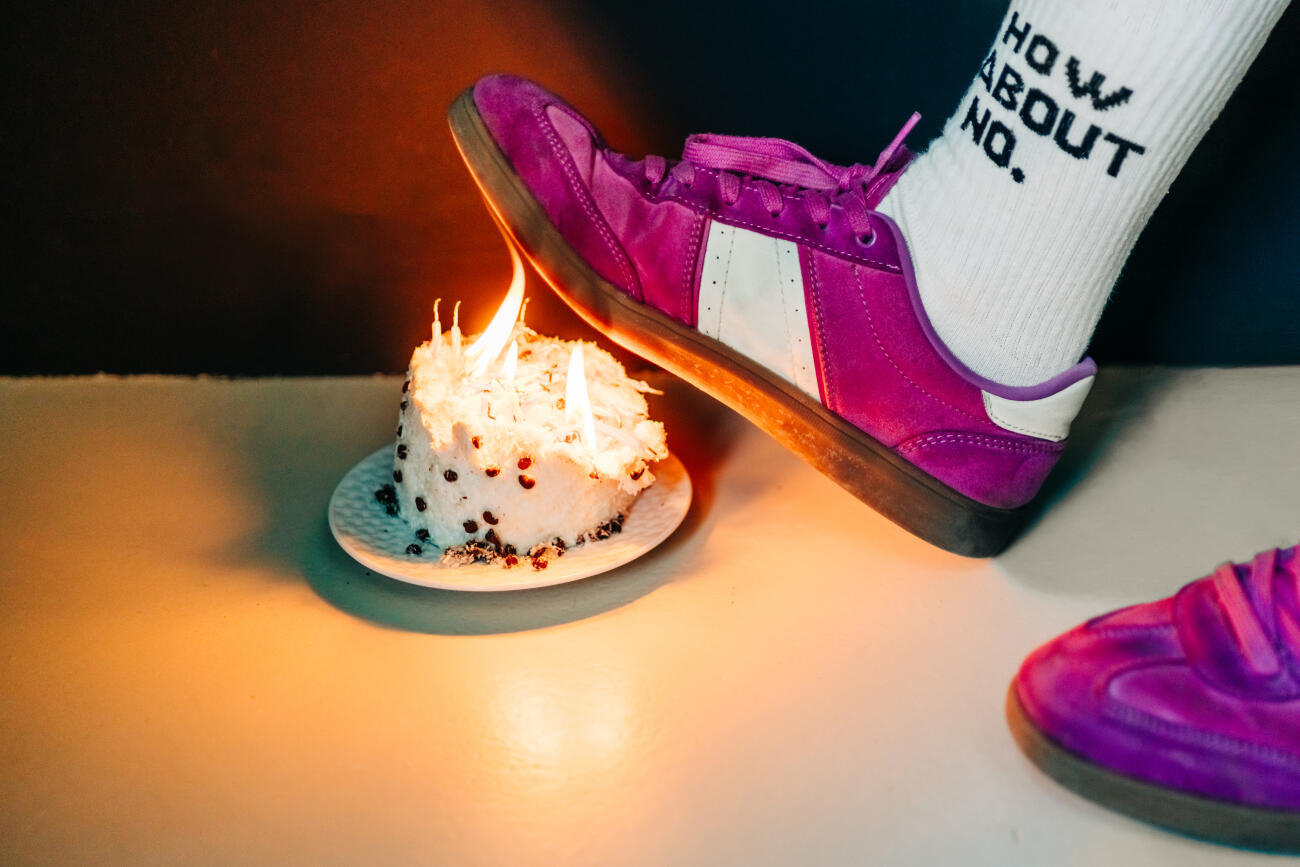
The personal care industry has entered its longevity era, playing into the long game of wellness as brands move from anti‑aging toward preventative healthspan.1 Yet this pursuit of longer, healthier lives is unfolding at a curious cultural moment: Preventative skincare is starting earlier than ever,2 cosmetic enhancements have become a norm among younger adults,3 and weight‑loss medications like GLP‑1s are helping reintroduce “skinny” as a societal ideal. So, what happens when longevity becomes something we feel we need to look like?
Health movement or beauty standard?
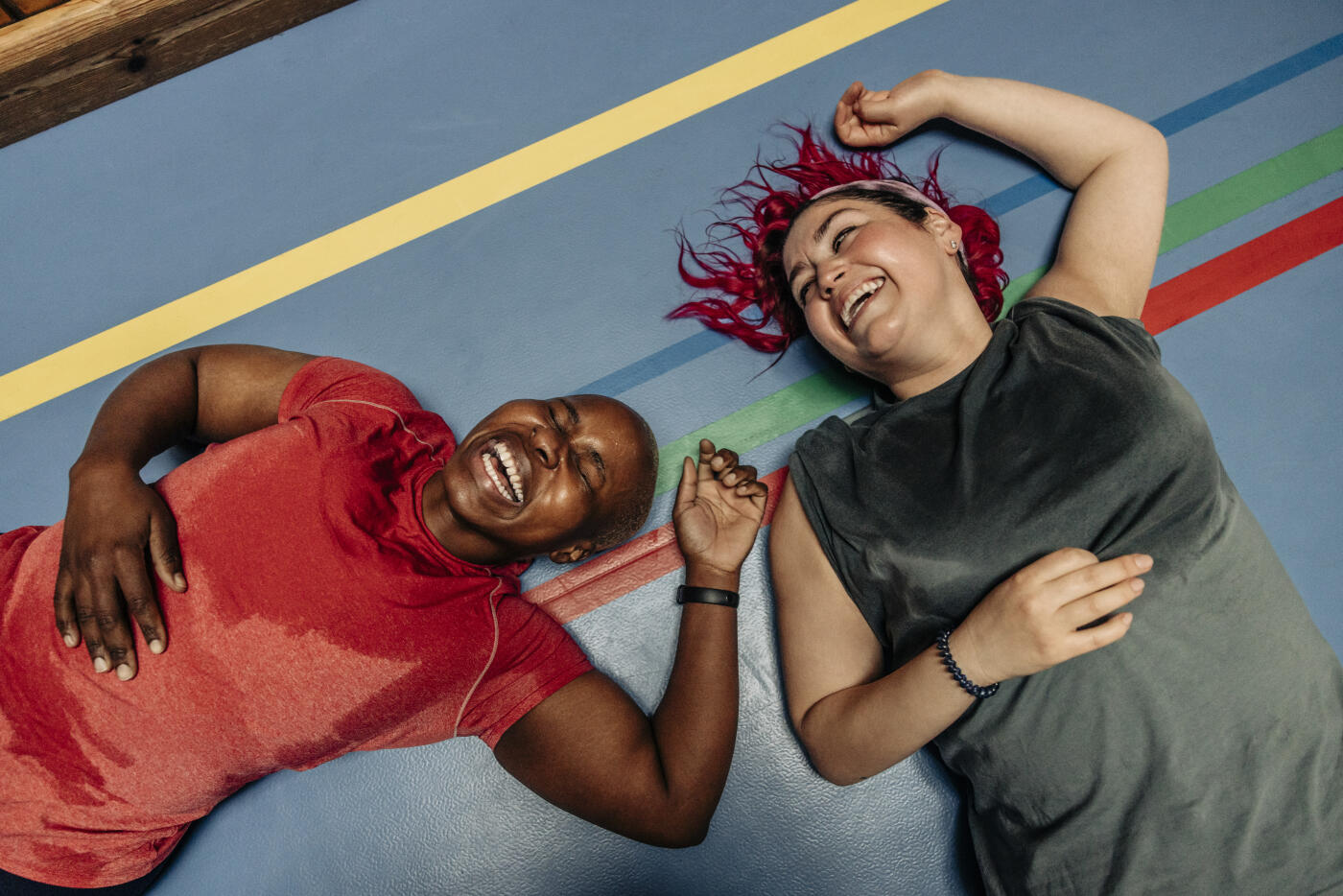
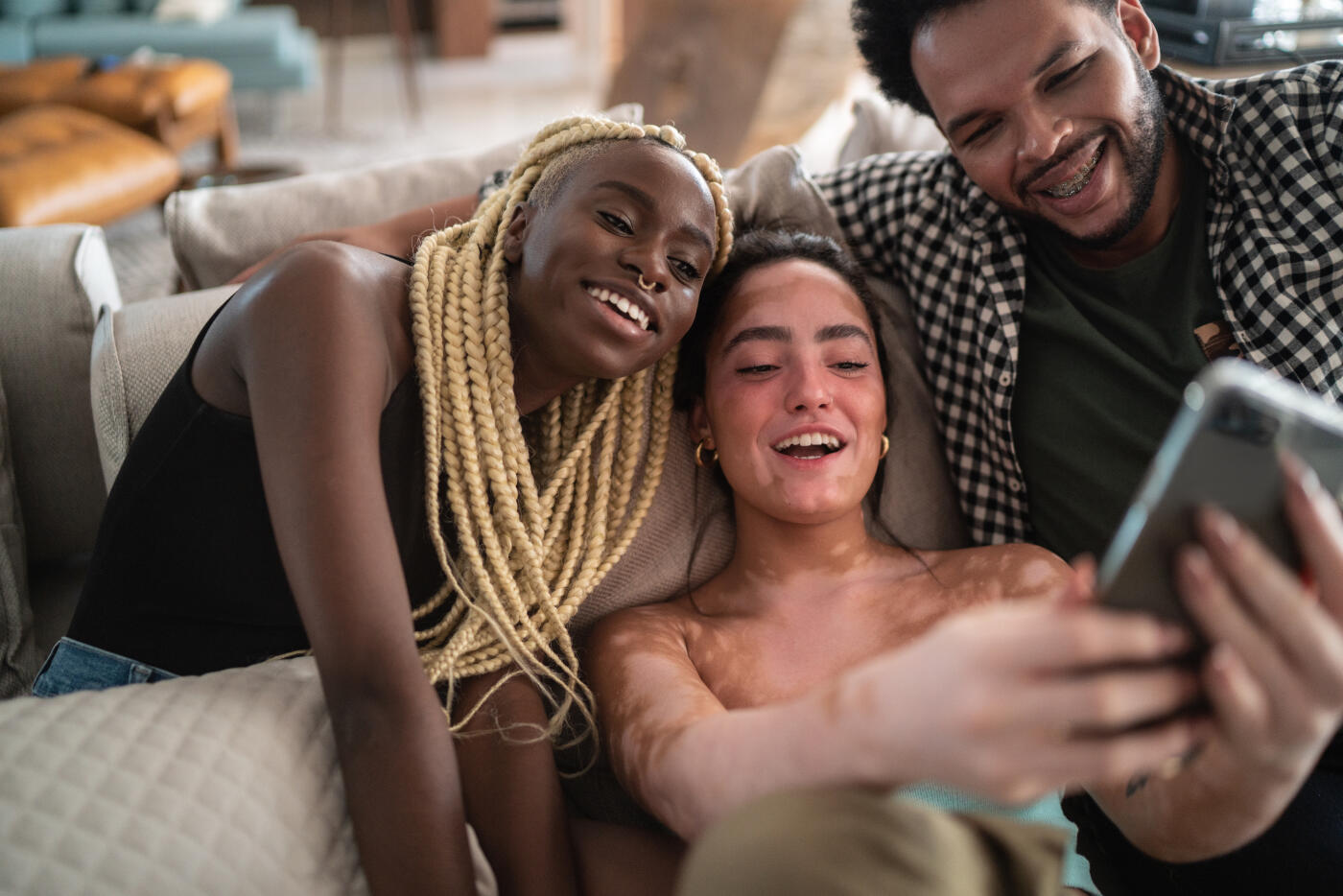
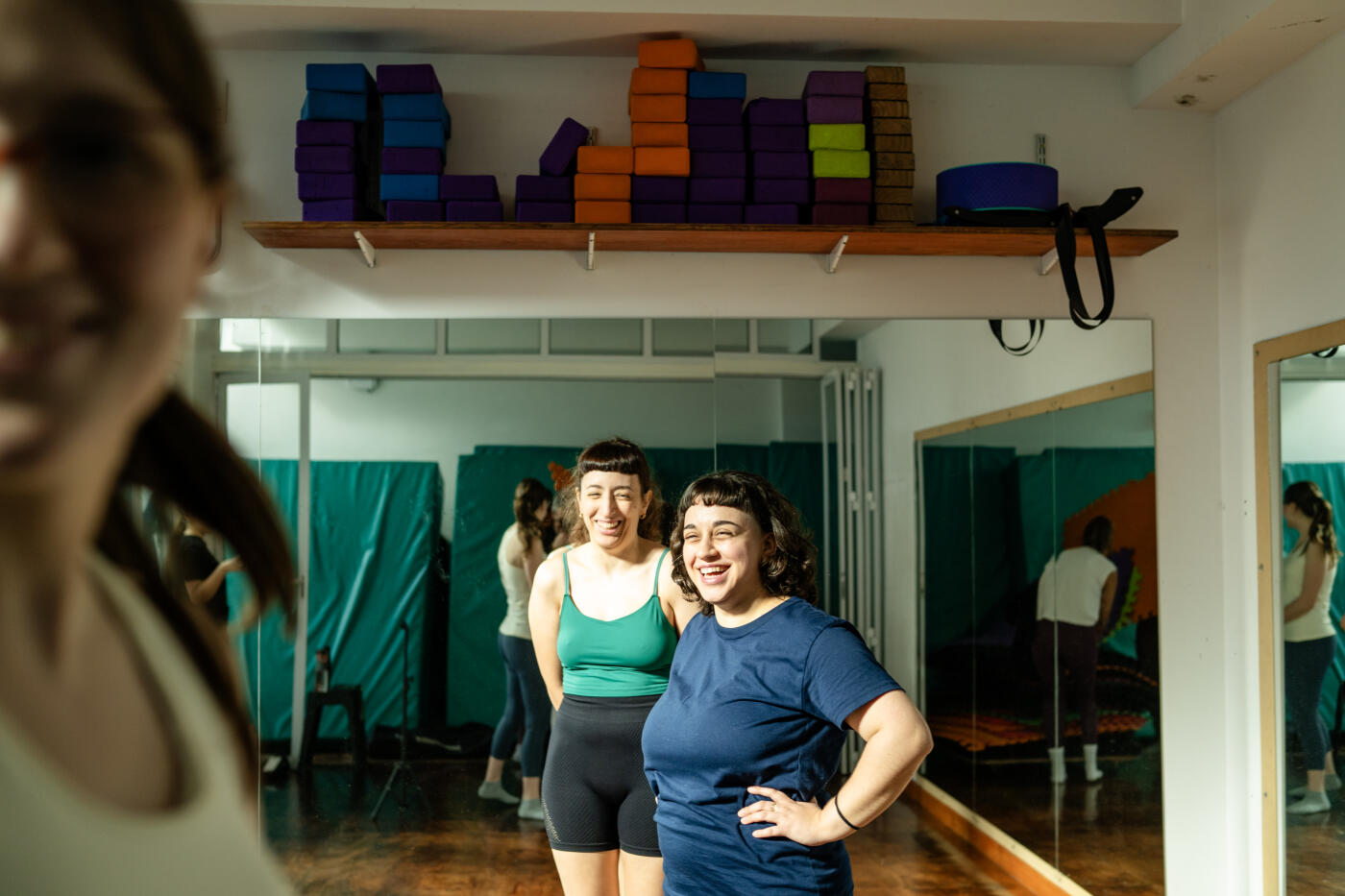
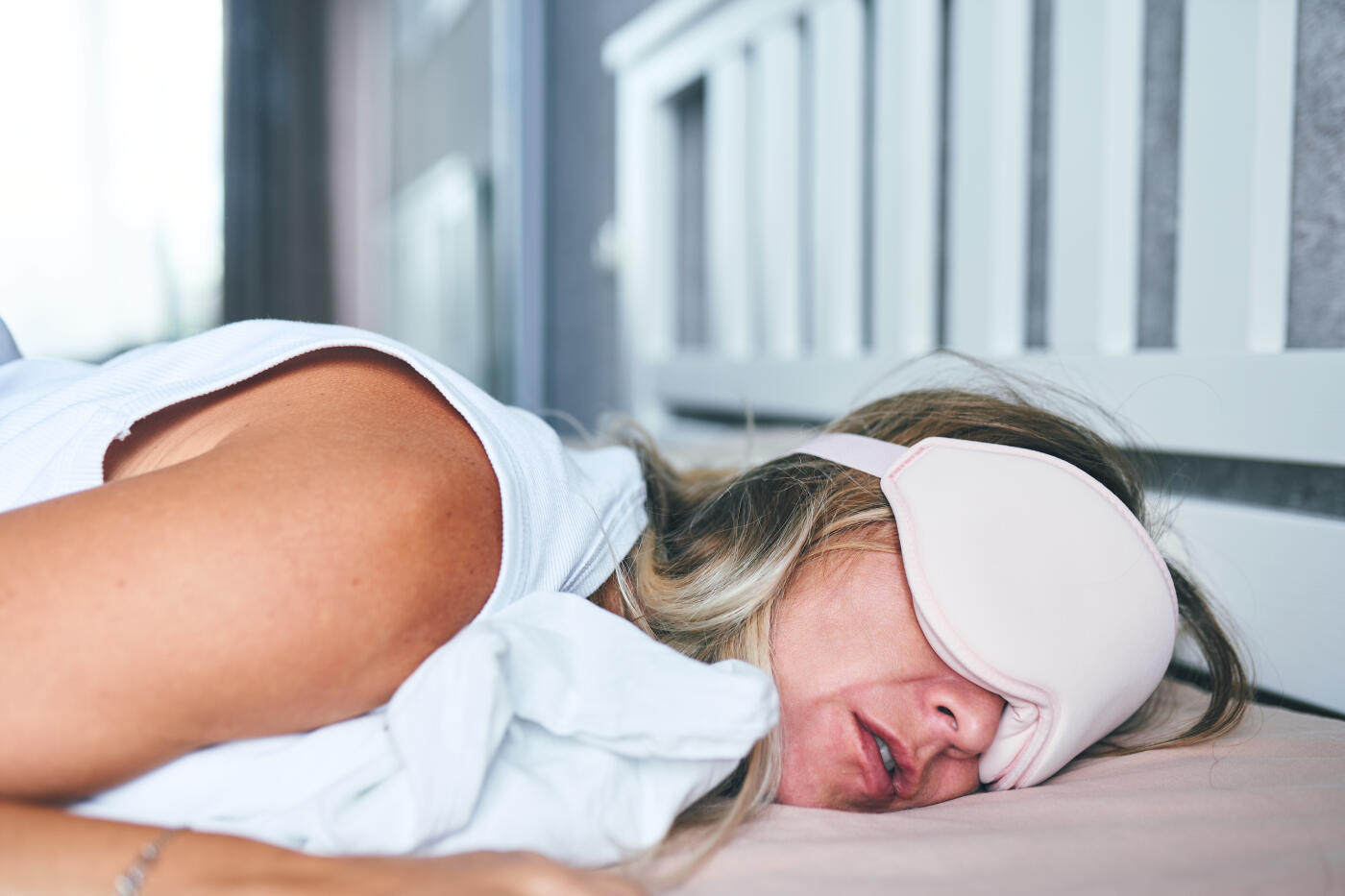
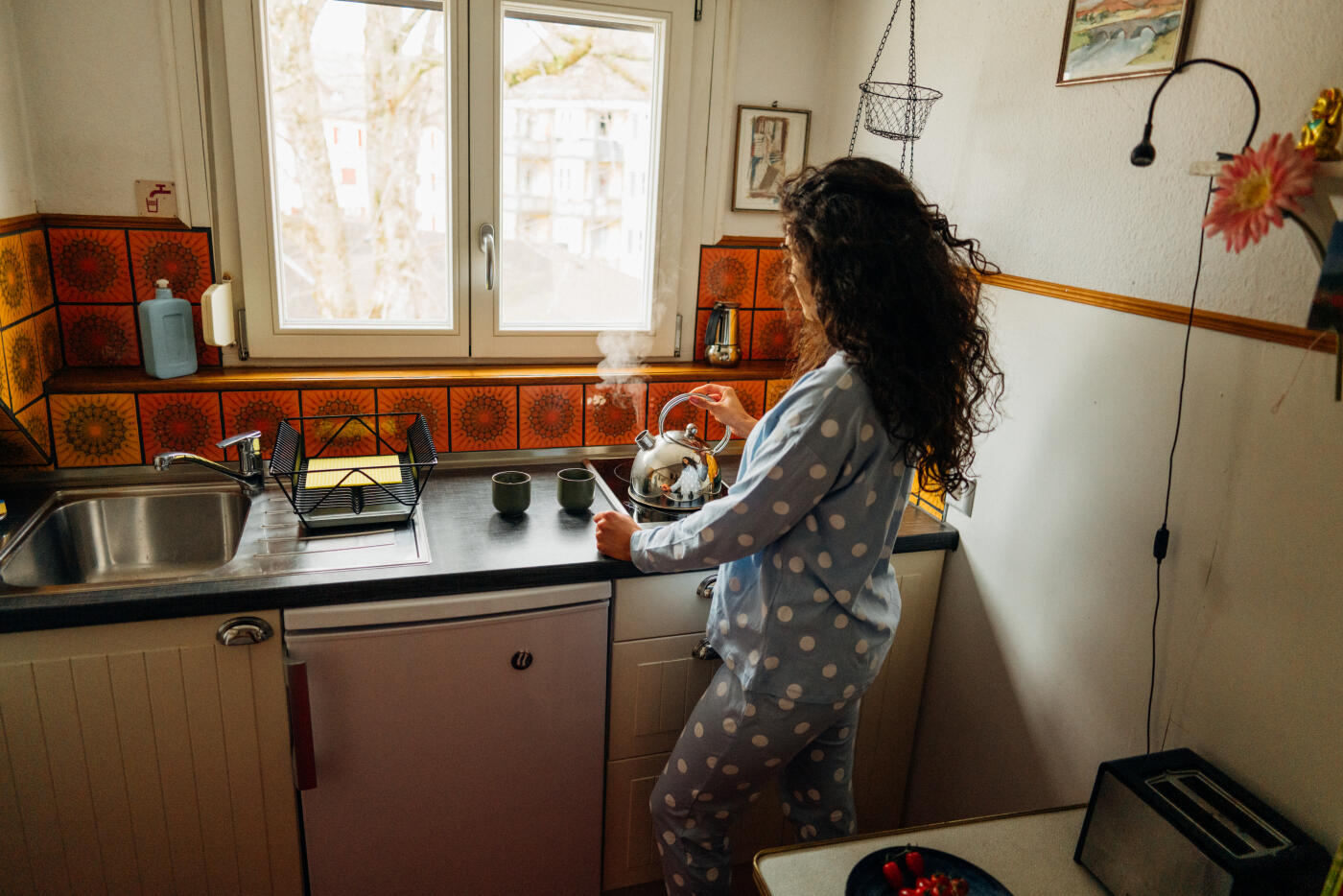
Getty Images' VisualGPS analysis finds that nearly half of healthy lifestyle and aging visuals focus on skin/body care and exercise. However, 77% of skin and body visuals chosen by personal care brands continue to reinforce narrower definitions of beauty and wellness, favoring near‑flawless skin and peak physical performance. Now, don’t get me wrong, appearing healthy is still pretty important to consumers—it’s most alarmingly evident in today’s online culture of “looksmaxxing,” where younger generations feel like they need to maximize their physical appearances through extreme measures to live up to societal standards.4 But there’s no one way to look beautiful and healthy, especially when more than half of consumers define real beauty as “feeling confident, loving myself, and taking care of my mind and body beyond appearances.”5
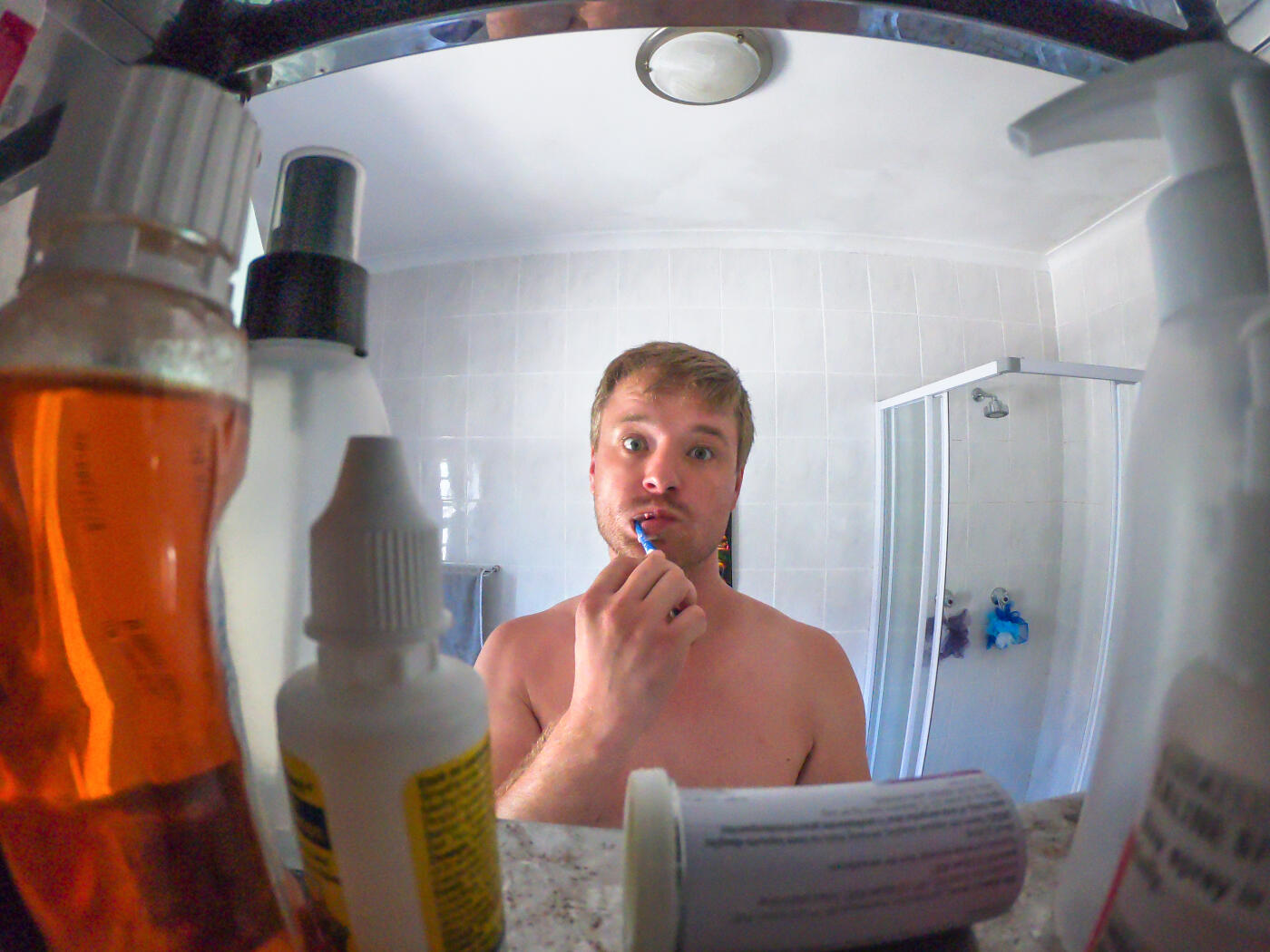
The opportunity isn’t to stop caring about physical aging. It’s to expand the visual definition of what health and beauty look like across every age and stage of life. Lean into body diversity, the embrace and confidence of skin imperfection, candid moments and real routines behind and beyond visible healthy appearance—longevity is built through a level of consistency that rarely looks too picture‑perfect.
Today's old age is not yesterday's
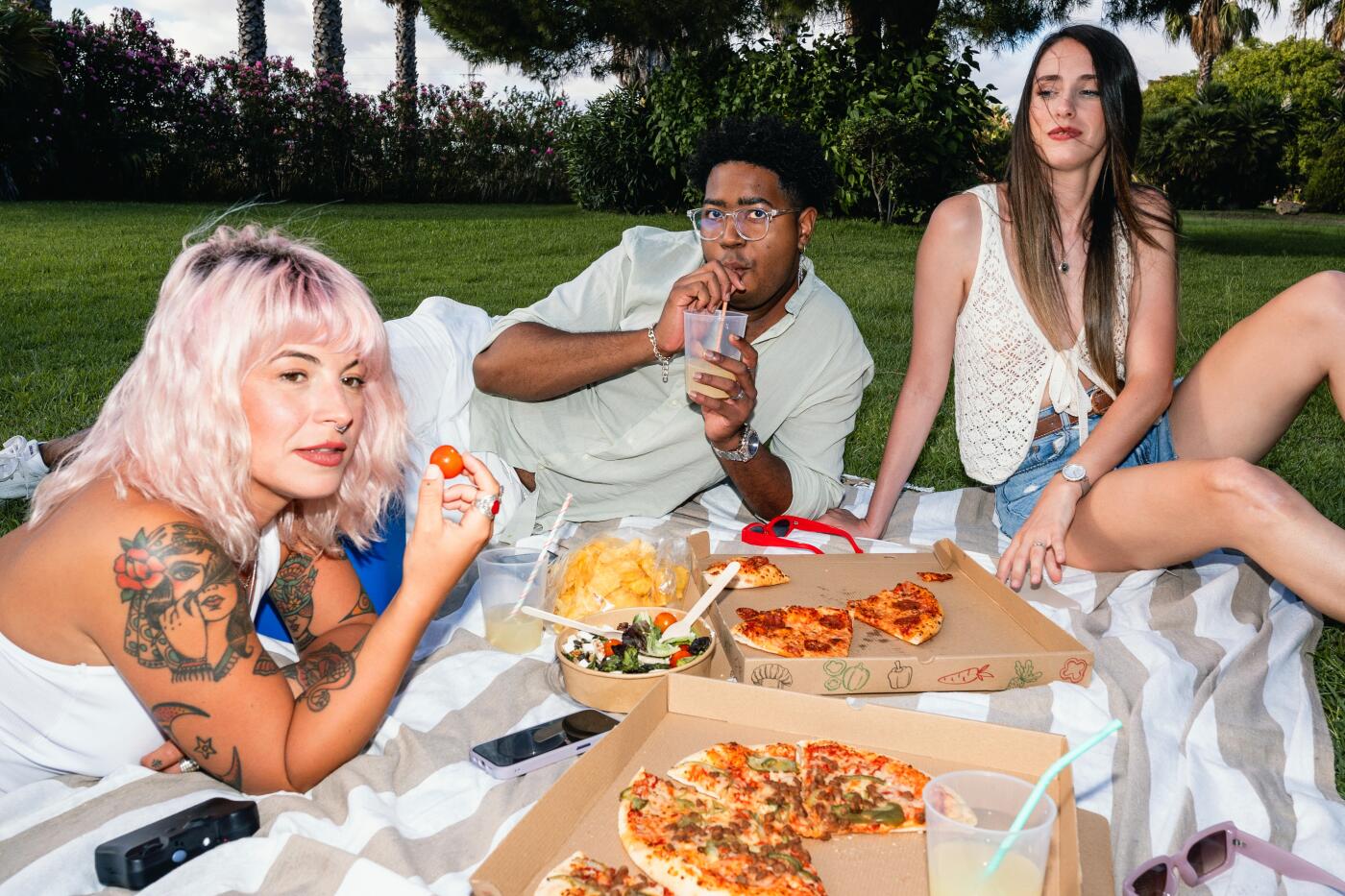
Maintaining good health as we age is the real flex these days and has become a cultural signifier of vitality and relevance. Our VisualGPS research finds that 77% agree those in their 80s seem younger than previous generations, while more than half believe aging is a privilege and 8 in 10 say it’s something to celebrate. Fashion campaigns continue to feature more senior women and mature icons,6 and wellness brands like Oura cast people over 50 as the faces of modern health.7 Yet popular visual choices reveal a lingering disconnect.
Polished portraits and close‑ups that focus on age itself are selected nearly three times more often than visuals that exude confidence, personality, style, or unposed glimpses of everyday life. In doing so, aging is centered as appearance rather than illustrating what longer, healthier life enables: More adventures, more celebration, more life.
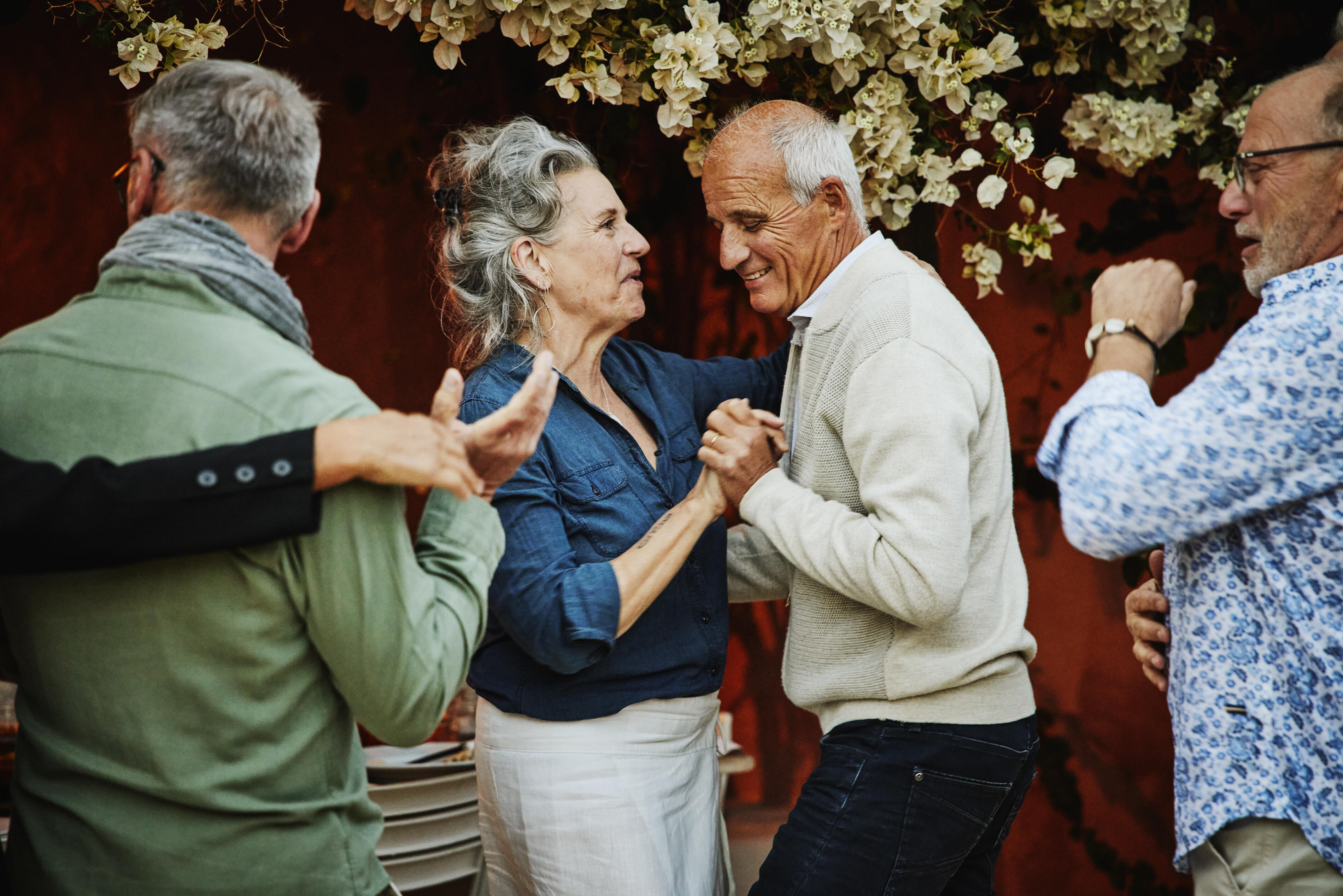
We’ve entered an era where the pressure to optimize oneself is expanding into every dimension of Personal Care—and visual culture has an opportunity to decide whether that optimization narrows the definition of well‑being or expands it. The brands that win won’t just help consumers look and feel younger but help them more broadly envision what more life can look like.
All article tags
Sources
[1] Euromonitor
[2] BBC
[3] NPR
[4] Michigan Medicine
[5] McKinsey
[6] The New York Times
[7] Oura
Related articles


Learn more about licensing with Getty Images and Stay Inspired!

Connect with our visual experts for more details