The Computer on My Wrist


The iconic 2‑way radio watch1 from the gumshoe detective Dick Tracy (not spy, as my dad insisted on me clarifying) may have been the first iteration of wearable technology to hit the popular culture zeitgeist, paving the way for the spy technology that I remember, like Mission: Impossible’s horrifying elastic disguise masks2 or whatever James Bond3 is using to blow things up nowadays.
While a lot of this tech seems far‑fetched or at least inaccessible to the regular consumer, the walkie‑talkie feature of Dick Tracy’s watch has now become reality, thanks to today’s wearable technology ‑ in the form of a smart watch. But here we are, in an era where the operating capability of a laptop can fit inside our pockets. Even so, technology has gone even further. Our watches can not only take phone calls and link to our bank accounts, but rings4 can track your blood oxygen levels, and glasses can augment the how you see the world around you. Eat your heart out, Detective Tracy. I’ve got a computer on my wrist now.
Visual choices can highlight that wearable tech does more than count your steps
Wearable tech such as smartwatches, and now smart rings, have evolved to not only keep you at your step count, but to track your sleep, schedule mindfulness breaks, read your pulse, or even potentially save your life.5 In fact, our VisualGPS research reveals that nearly 4 out of 5 Americans are excited by the impact of technology on wellness – and this goes beyond step counting, though it remains the top reason6 people use it.
This is translating visually as well. Searches for almost every iteration of wearable technology has trended upwards in the past year, from smart watch (+27%) to smart glasses (+121%). Even searches for VR glasses (+101%) and VR headsets (+92%) used by gamers are on the rise. Customers are looking to visualize these wearable devices as they become as much of a regular staple as our own smart phones.
When it comes to smart glasses and augmented/virtual headsets, we still think it to be some cybernetic futuristic technology – envisioning it in popular visuals as vectors of circuits and connections in a blue glow and mostly among minimalist white and artificially yellow lit backdrops. Yet, the common use of these technologies is already here, especially as it has become more affordable over the years. More widely known, it is used for gaming and shaping how we immerse ourselves into the still‑evolving multiverse. However, its functions7 go far beyond that. Virtual reality headsets are currently used in the medical field for both diagnosis and treatment, vocation training for NASA and the military, audience immersion in museums, and even reconstructing crime scenes in court – with endless more potential applications.
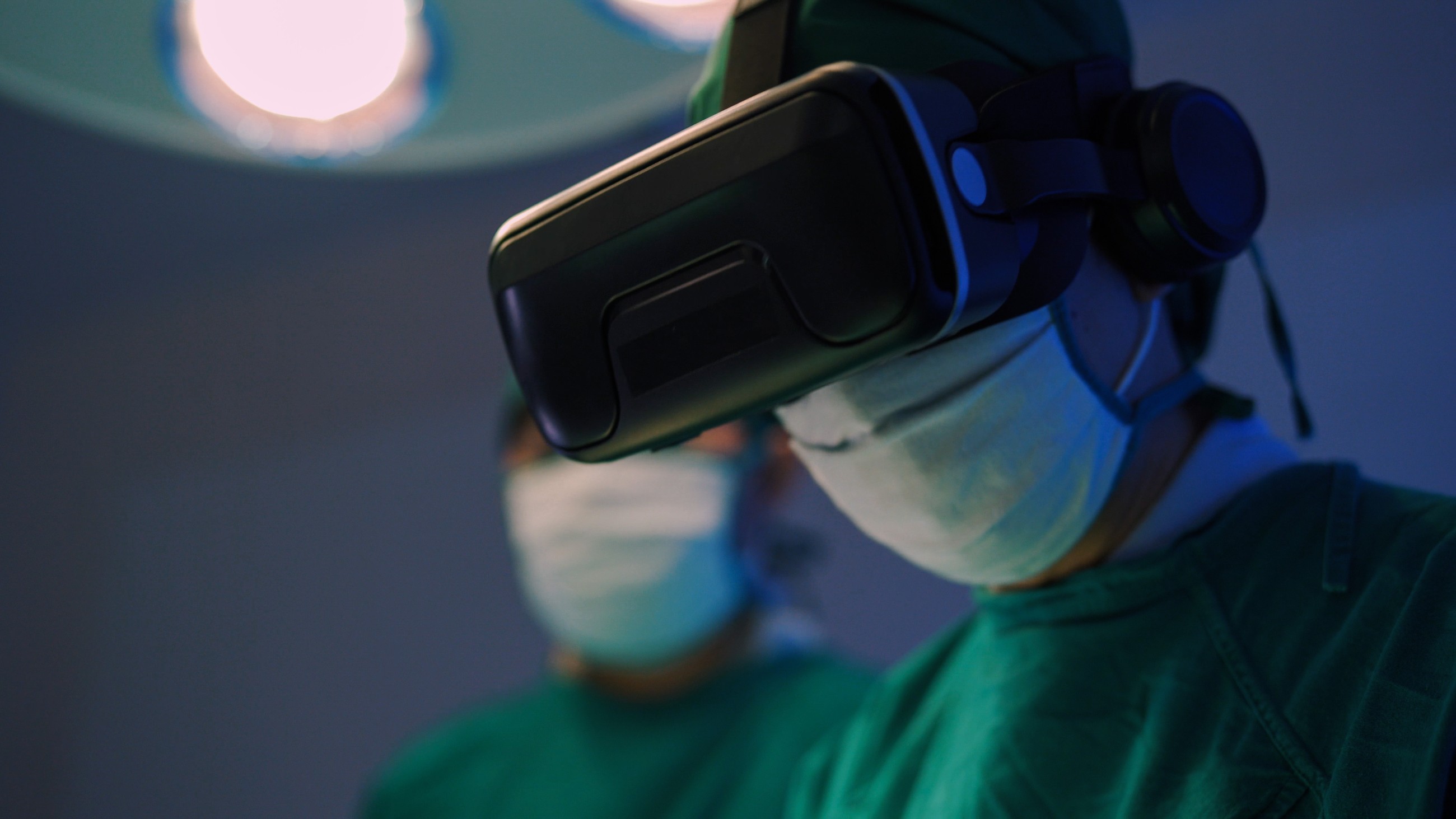
Authentically depicting the most likely wearable tech user lies in representation
As we look to incorporate wearable tech into our visuals and our lives, we turn to current representation to help guide us in making decisions in our imagery. However, wearable technology is currently seen in less than 1% of popular images; this includes smart watches and VR headsets. Most iterations of wearable tech are still deeply rooted in fitness tracking, despite their increasingly more convenient everyday offerings, such as mobile checkout or responding to messages.
What little is represented of wearable tech is also not representative of the demographic reality of its users, except when it comes to gender. Pew Research Center8 reports that women are more likely to use wearable tech than men, which also translates to popular imagery. However, when it comes to other demographics such as race, people of color are underrepresented. Ethnic demographics, such as the Latine community, are more likely to use wearable tech, yet only account for 4% of those visuals. Popular imagery also neglects older age groups,9 despite their increasing usage of wearable technology. People aged 50+ are some of the most loyal technology users once they’re able to adapt it into their daily routines, yet only make up 18% of wearable tech images.

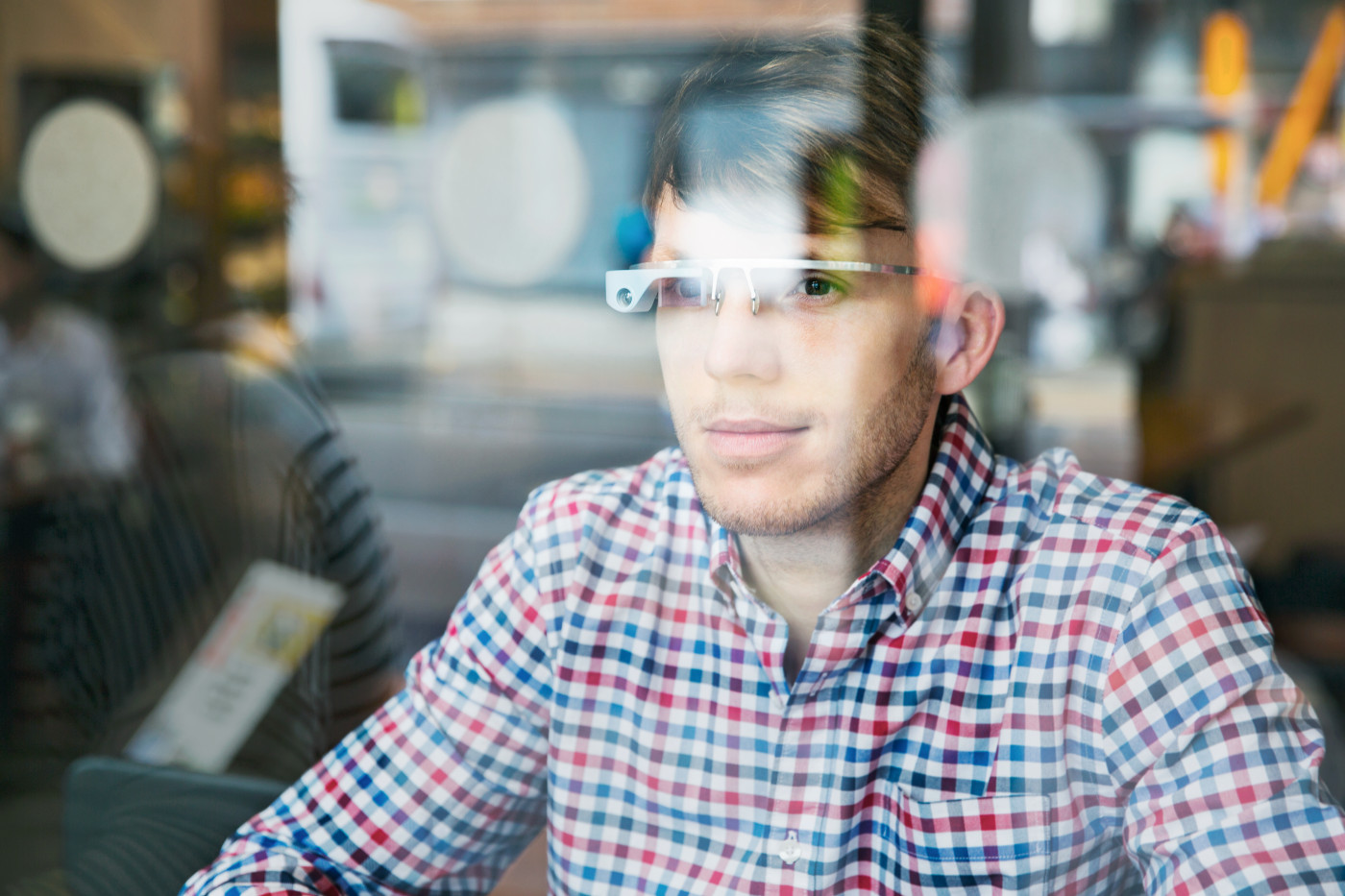




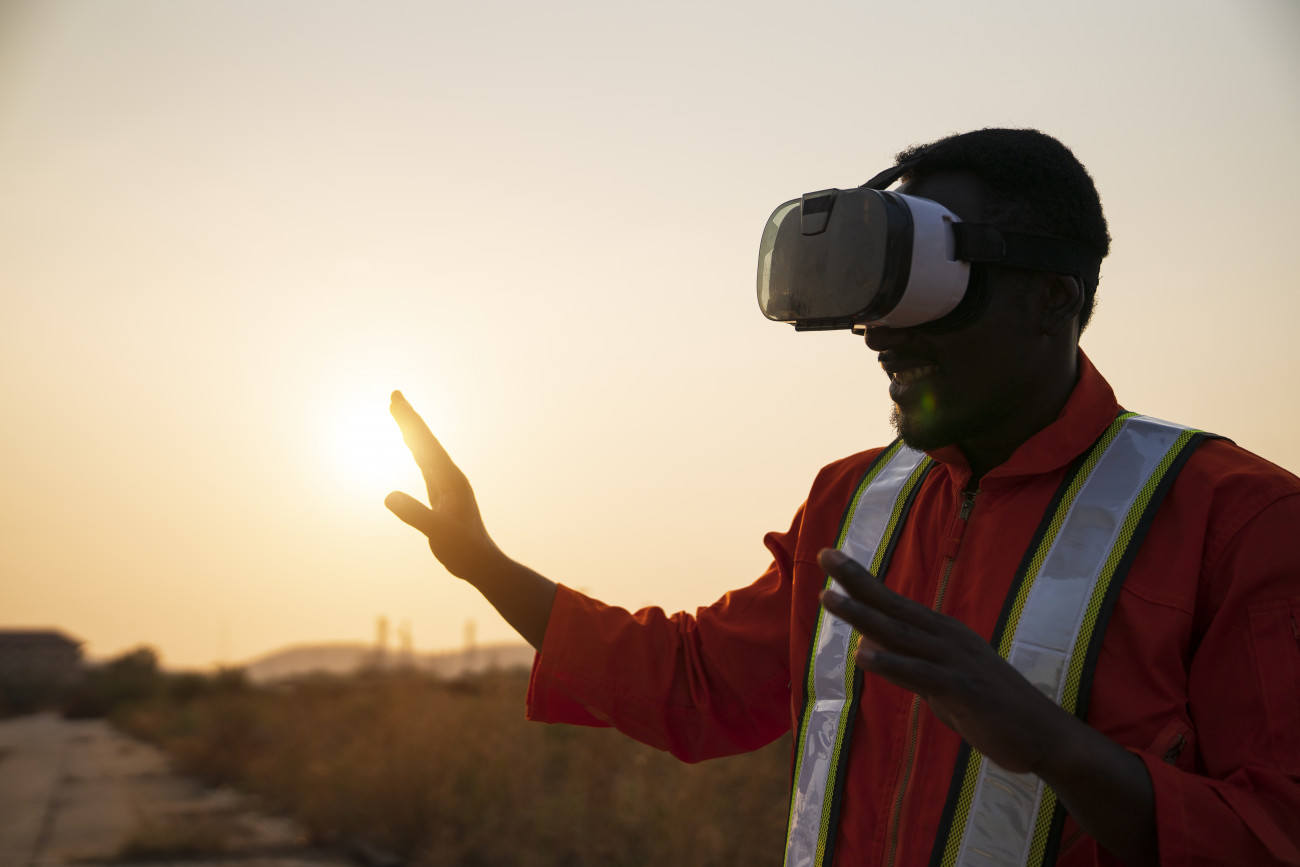


Depictions of wearable tech can better reflect shifting consumer behaviors
Unlike the ill‑fated Google Smart Glass,10 the new dawn of wearable tech is upon us, and its reach will only get bigger. 1 in 5 Americans11 already use a fitness tracker and Deloitte estimates that over 320 million wearable technology units will ship worldwide this year. This number is projected to grow incrementally to 440 million units in the next two years. Even in the US alone, the number of wearable tech users is expected to grow to encompass over a quarter of the population by 2025. By the numbers, that almost 94 million people.12
Smart watches are the wearable tech of the moment, but as technology advances at a rapid pace, we may see that soon change, or at least see more iterations of wearable tech in everyday life, such as smart rings or smart glasses.13 While there are a lot of issues surrounding wearable tech right now such as privacy concerns or accessibility, wearables are becoming cheaper14 and more readily available for consumers. On top of this, the implications of how wearable technology can help improve one’s health15 are immense. And though I can’t yet shoot rubber bullets out of an umbrella,16 I suppose I should get my smart watch back on.

All article tags
WORKS CITED
1) PC Mag
2) Paramount Pictures via Movie Clips
3) Entertainment Weekly
4) Entrepreneur
5) Apple
6) Deloitte
7) LiveScience
8) Pew Research Center
9) AARP
10) Bentley University
11) Pew Research Center
12) Deloitte
13) CNET
14) Forbes
15) Baylor College of Medicine
16) 20th Century Studios
Related articles



Learn more about licensing with Getty Images and Stay Inspired!

Connect with our visual experts for more details

Subscribe to our newsletter