Visualizing Innovation
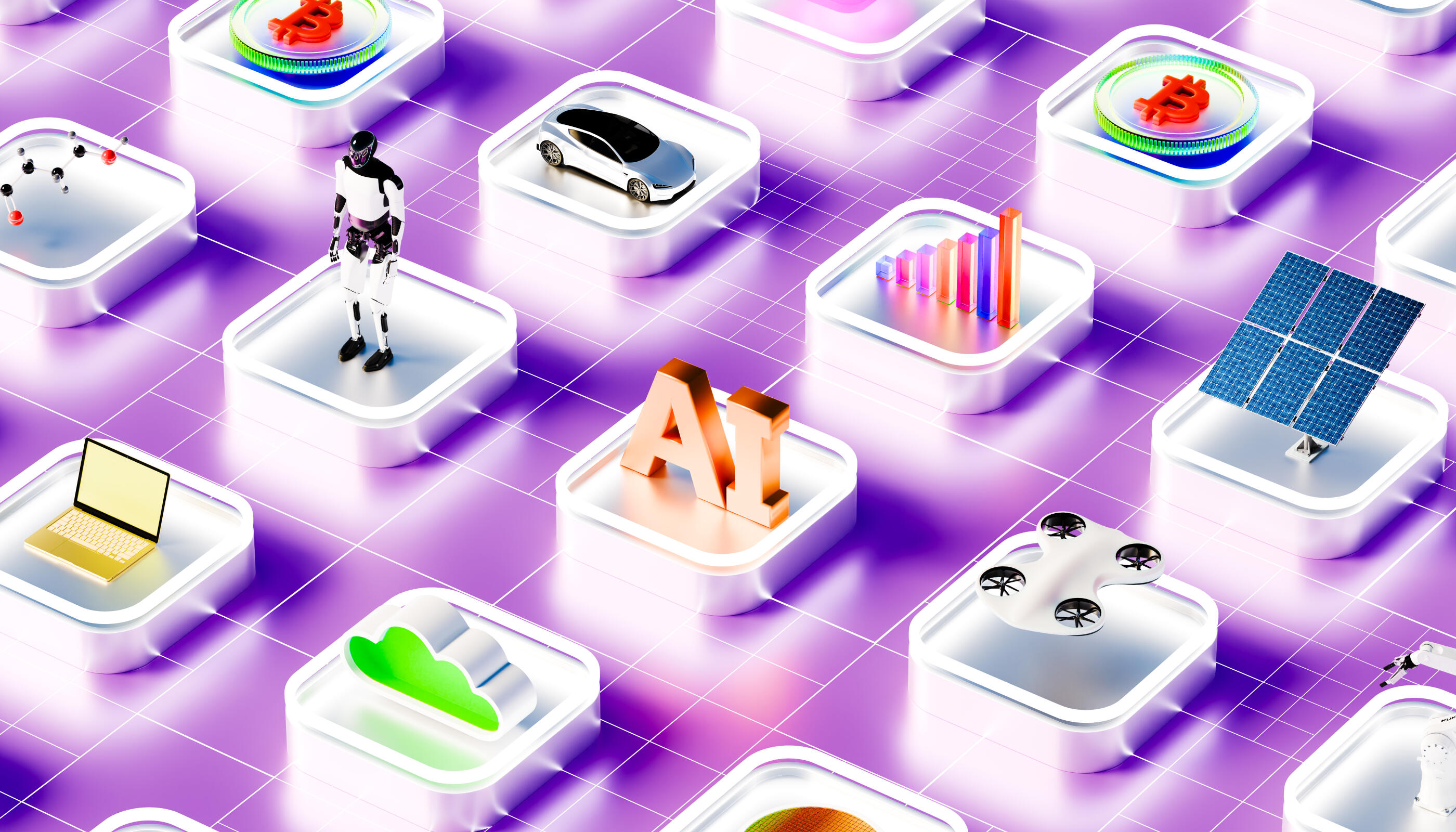
Innovation is everywhere. As a word, we reach for innovation to describe any number of scenarios: A work project, a DIY house improvement, a cool travel itinerary, even a milestone celebration. We want everything to feel a little innovative. In fact, Getty Images’ customer searches for "innovation concept" visuals are up 167% globally in the last twelve months. But what does innovation actually mean? Is it something entirely new? Or a fresh take on something familiar? Is it discovering what was always there, just seen with new eyes? Or reviving an idea that lost its momentum, only to find it again decades later? Where do we even look for it? In human behaviour, in how nature evolves, in the small frictions of everyday life? And perhaps a bigger question specifically for visual storytelling: How do we actually see innovation, and how do we innovate the way we represent it? This is what we set out to answer along with our global community of creators through our Creative Labs initiative, a community hub for creative exploration.
The feeling of innovation
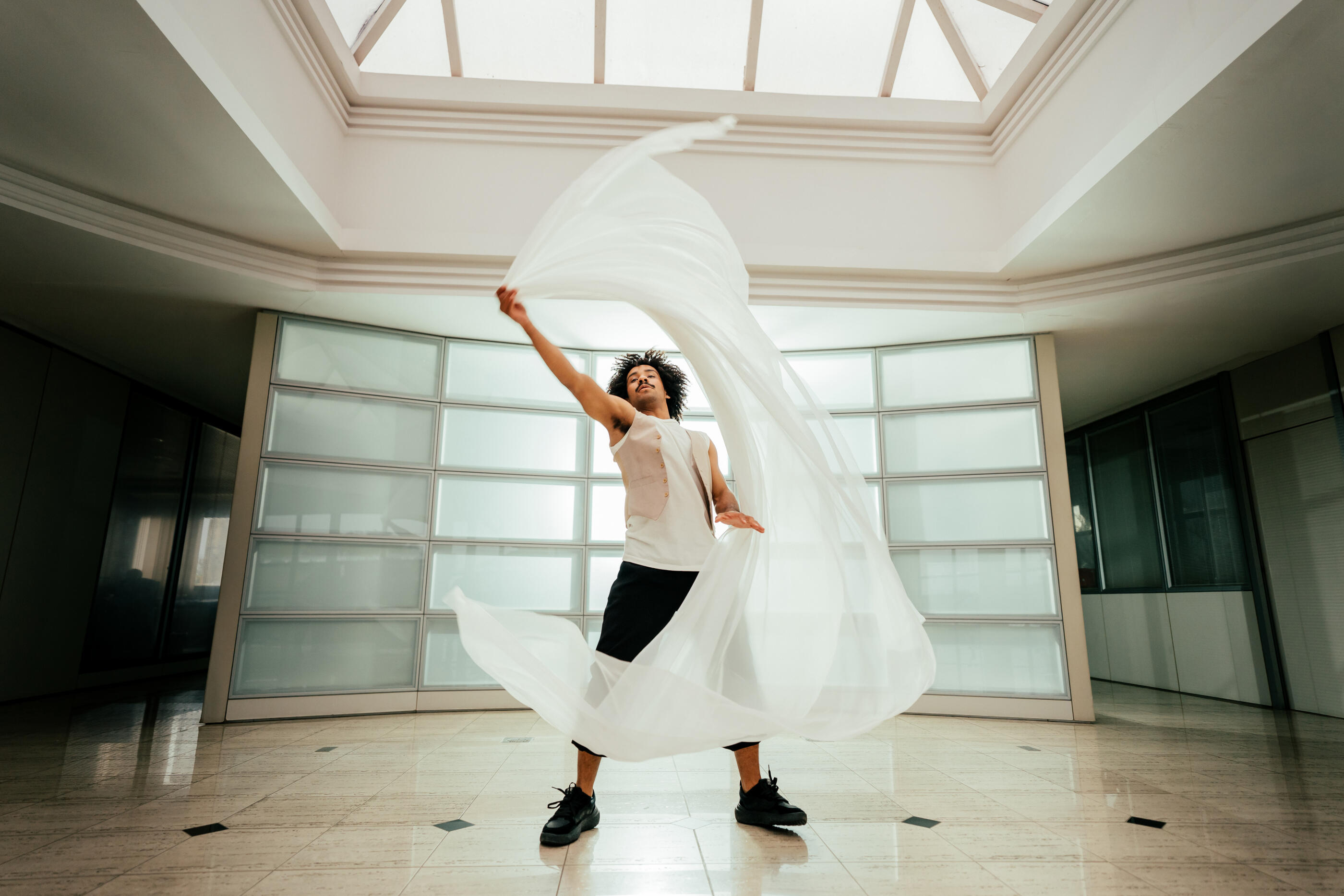
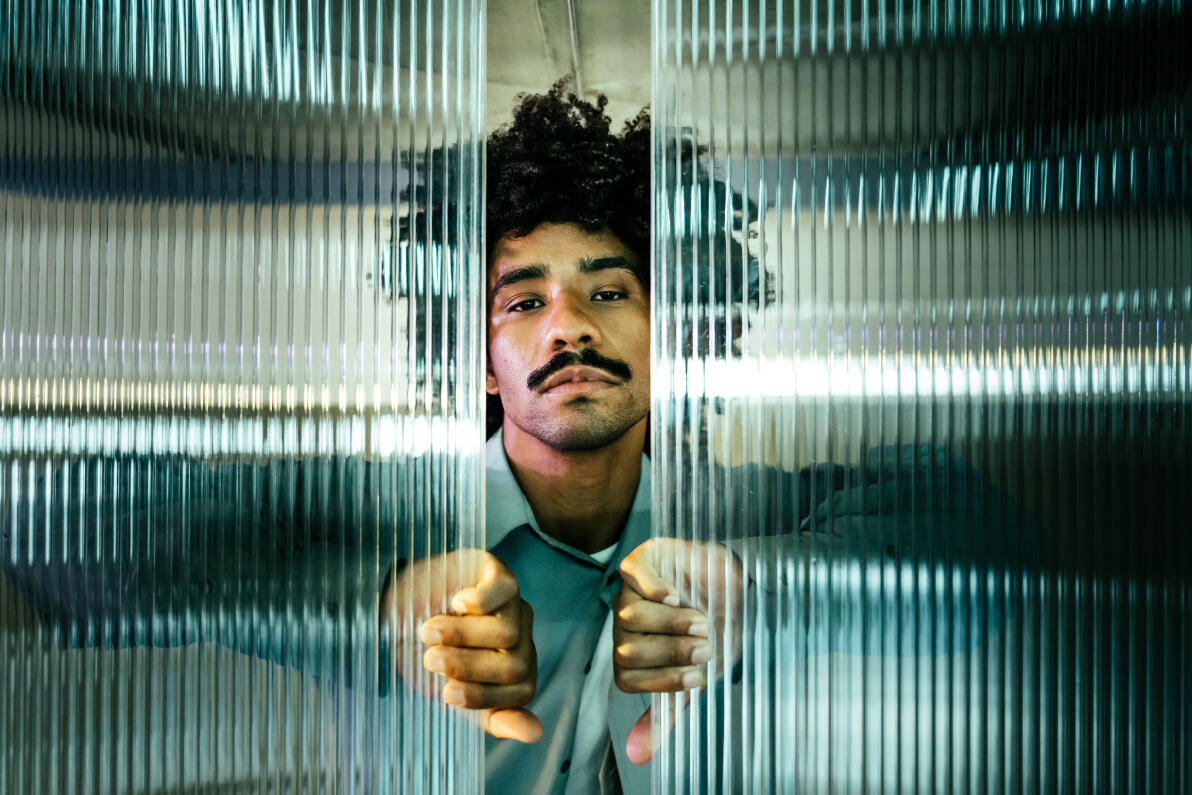
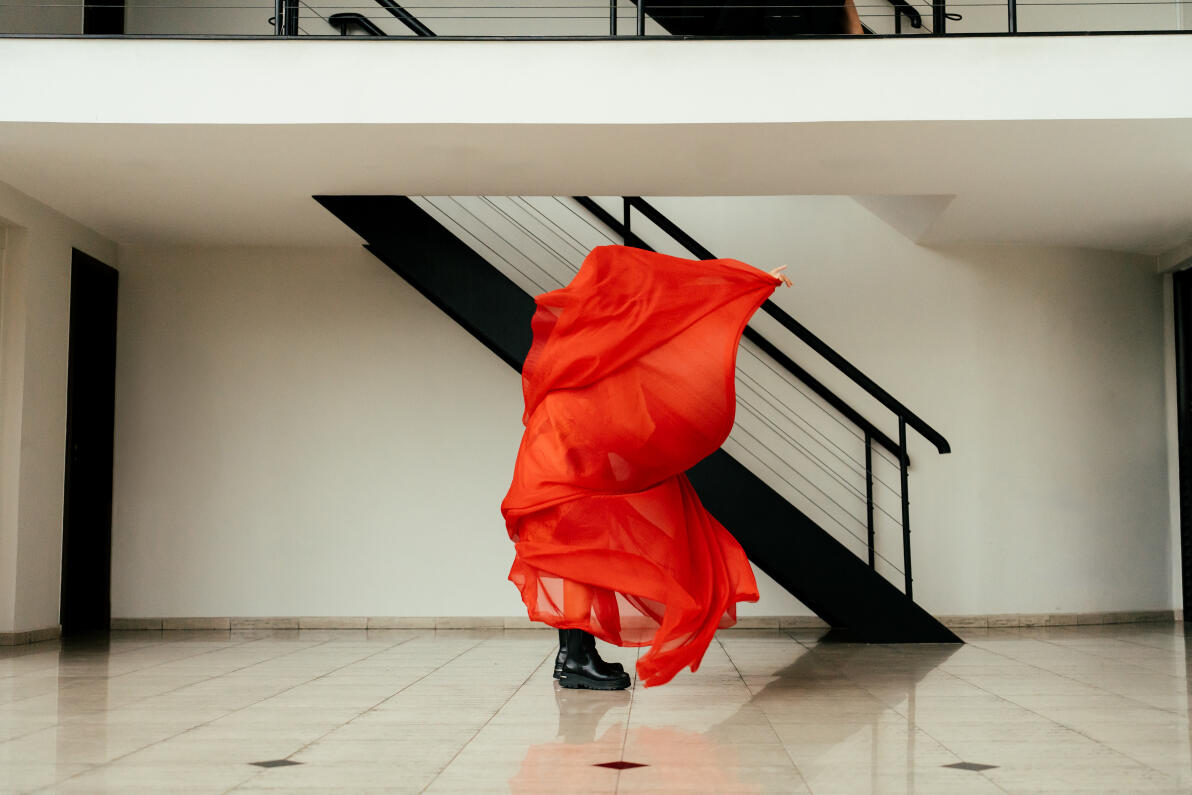
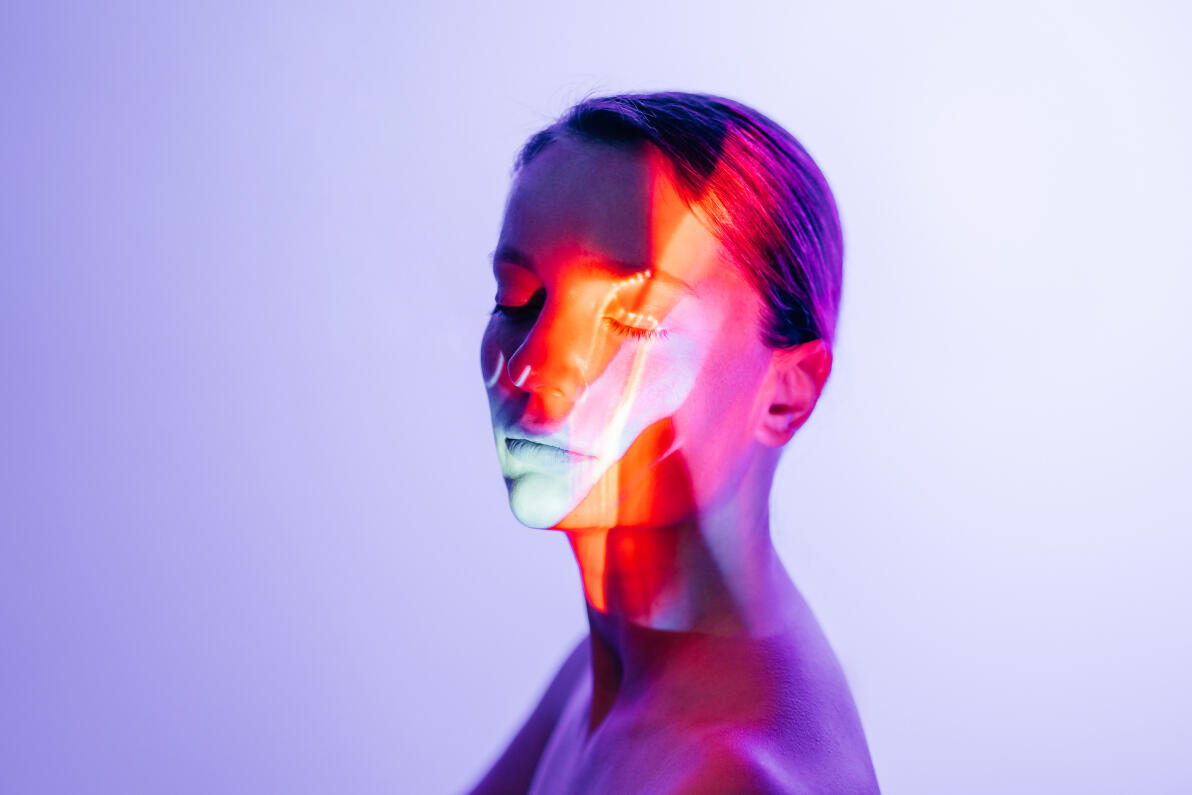
Before innovation becomes visible, it’s felt. It unfolds through friction, adaptation, and subtle shifts in perception. It begins internally, before becoming visible in the world. The human body is the starting point of this transformation. Under this concept we worked along creators so they could capture innovation as something physical and intuitive rather than something explained. Instead of illustrating an idea, the imagery leans into sensation: The tension in a posture, the pause before a decision, a moment of hesitation or release. It’s a more instinctive way of representing progress and innovation, showcasing what it feels like to be in the middle of it.

The process of innovation
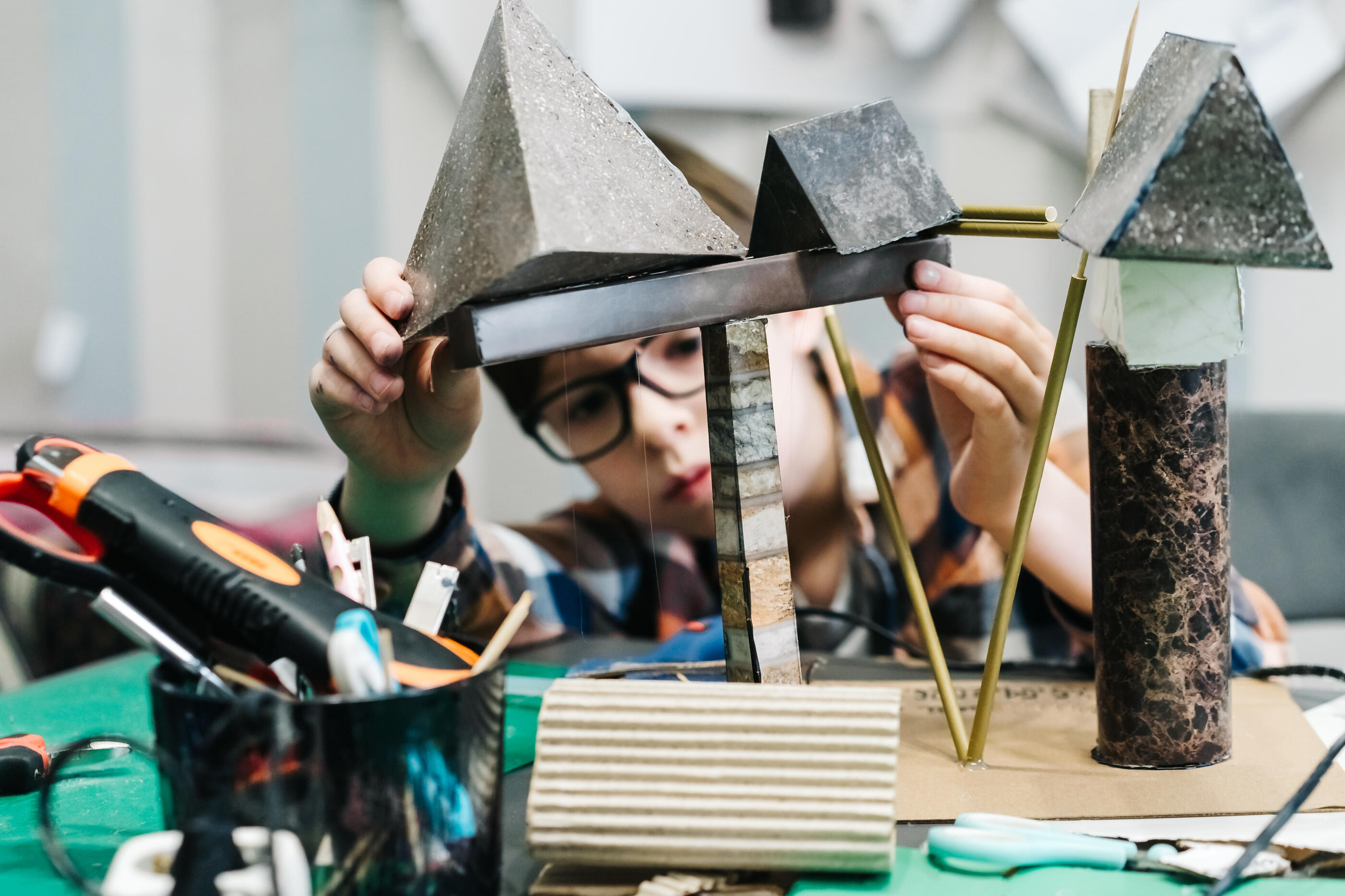
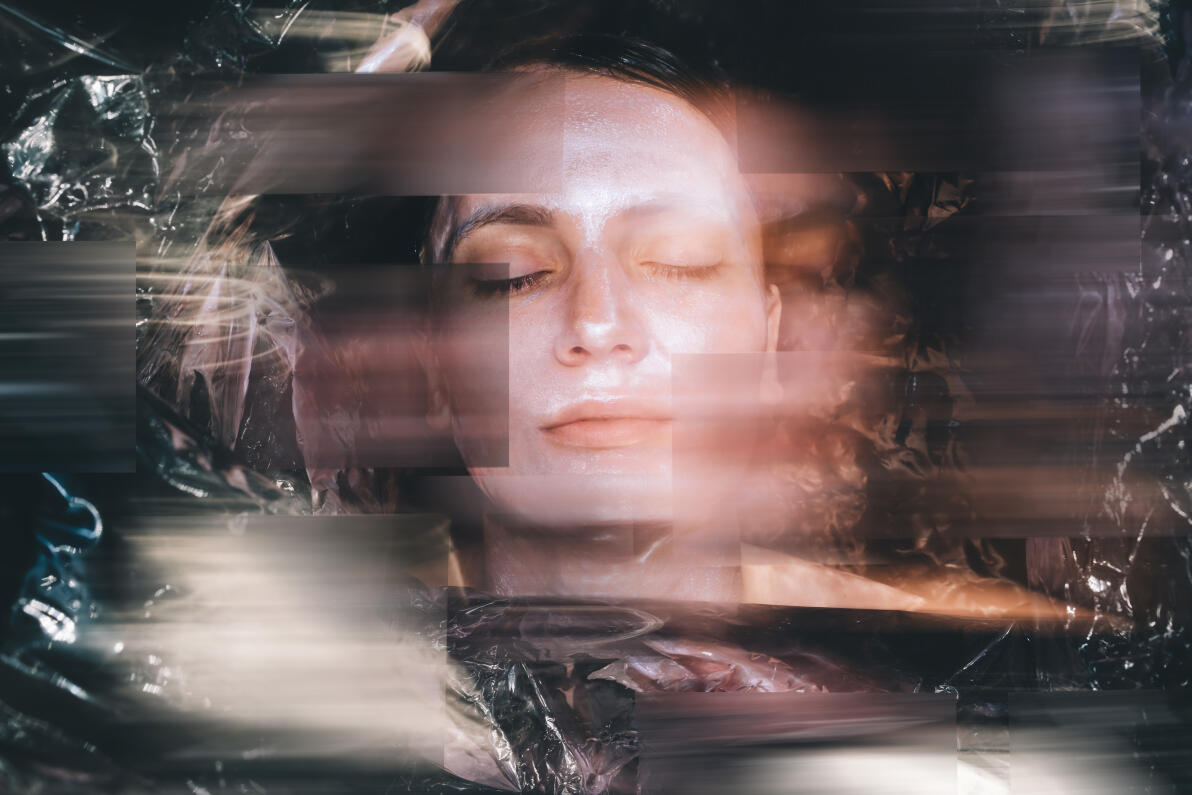
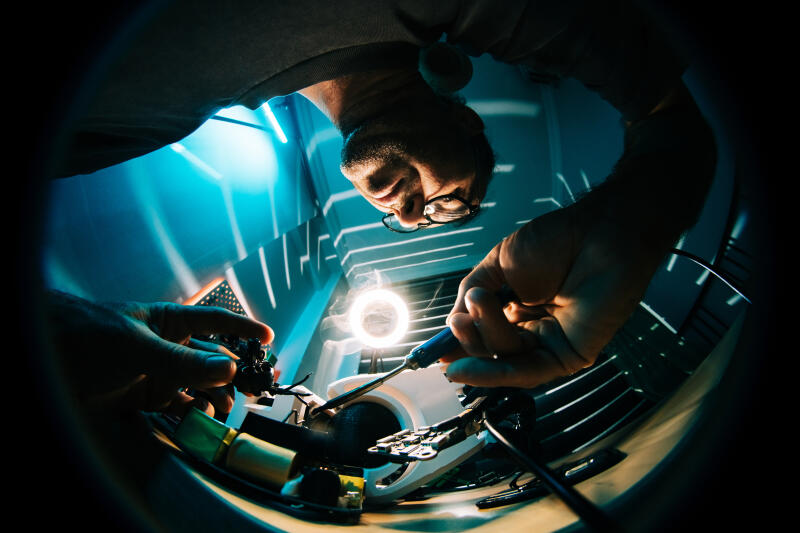
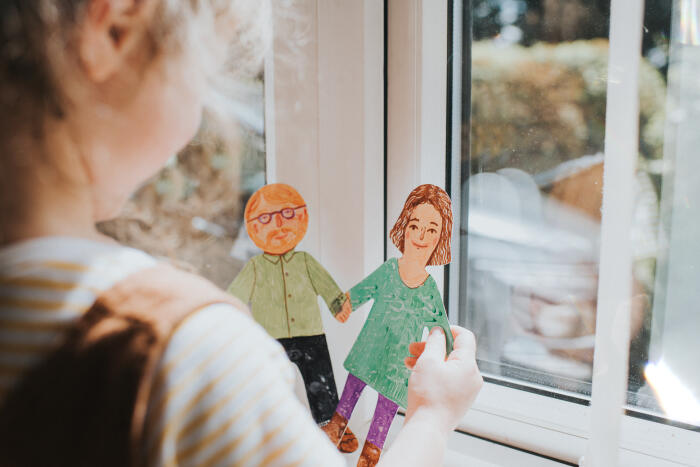
Innovation rarely arrives as a finished answer. More often, it starts as a feeling, a question, or a spark of curiosity. The focus was to capture the in‑between stage of creation, to look beyond the outcome to capture the process, the experimentation, the uncertainty, and the human moments that bring ideas to life. Interestingly, VisualGPS image testing shows human‑centred visuals that reflect relatable moments trump picture‑perfect scenarios that feel polished and lacquered.
Across the imagery, in our work with creators, some like TODCHAMP, leaned into softness, blur, and imperfections to visualize the ambiguity of thought, people caught in the act of questioning, experimenting, and moving towards something new. Others approached the same concepts through objects, actions, and abstract compositions, proving there is no single way to visualize a process. Often the most compelling part of an idea isn’t the outcome but everything that happens on the way there.
Form versus function
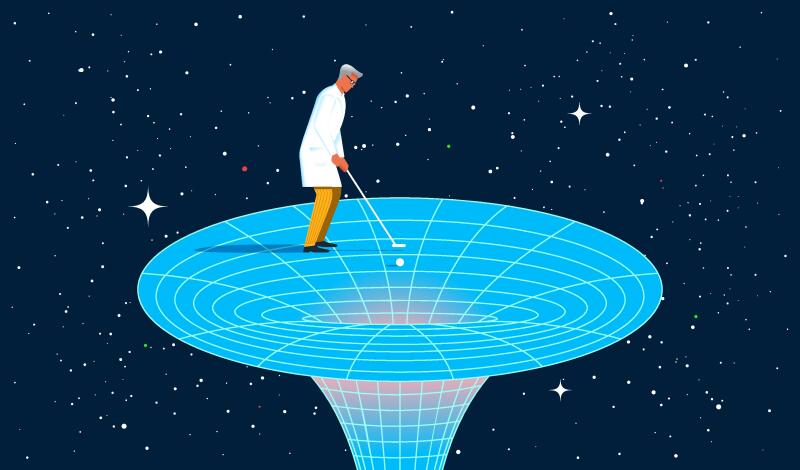
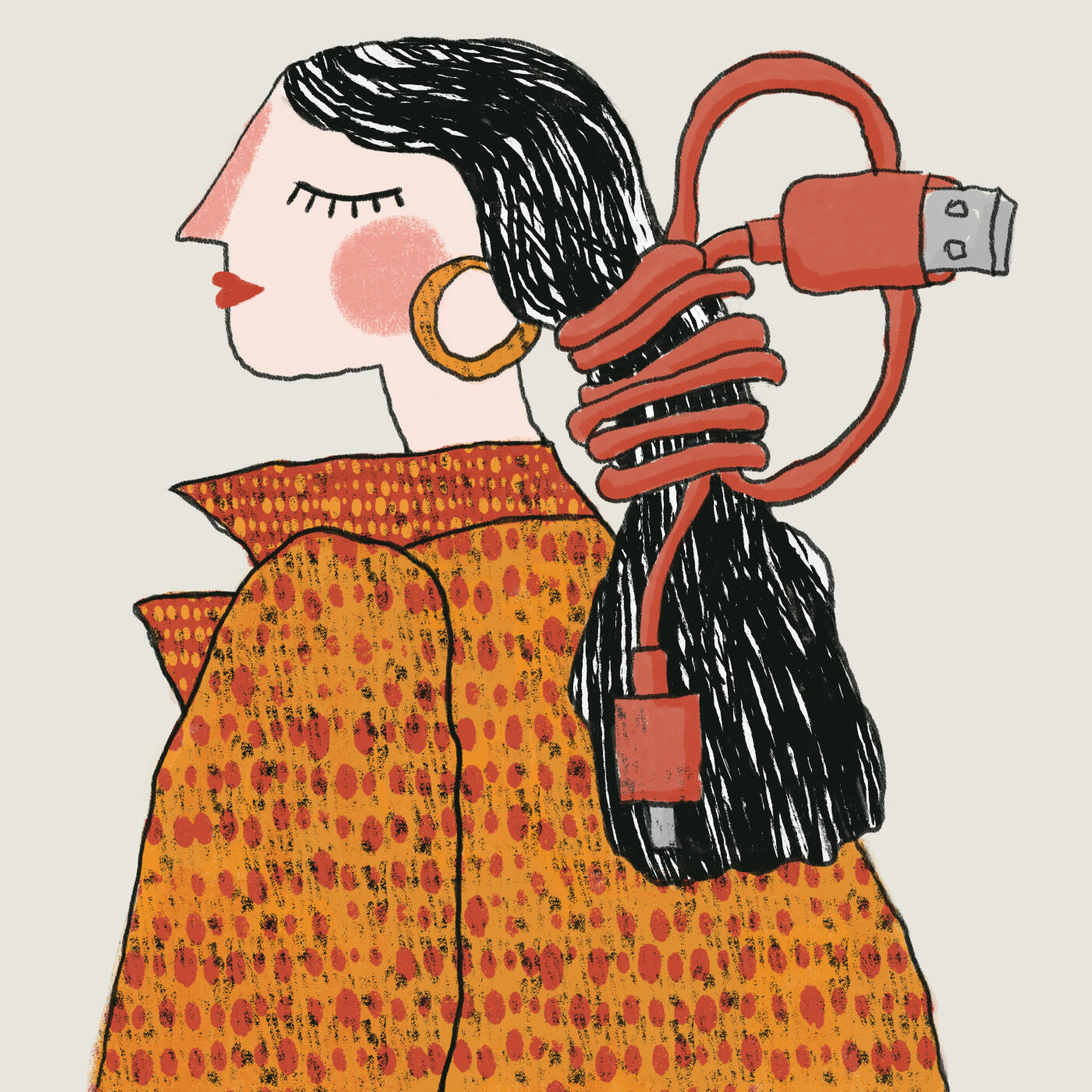
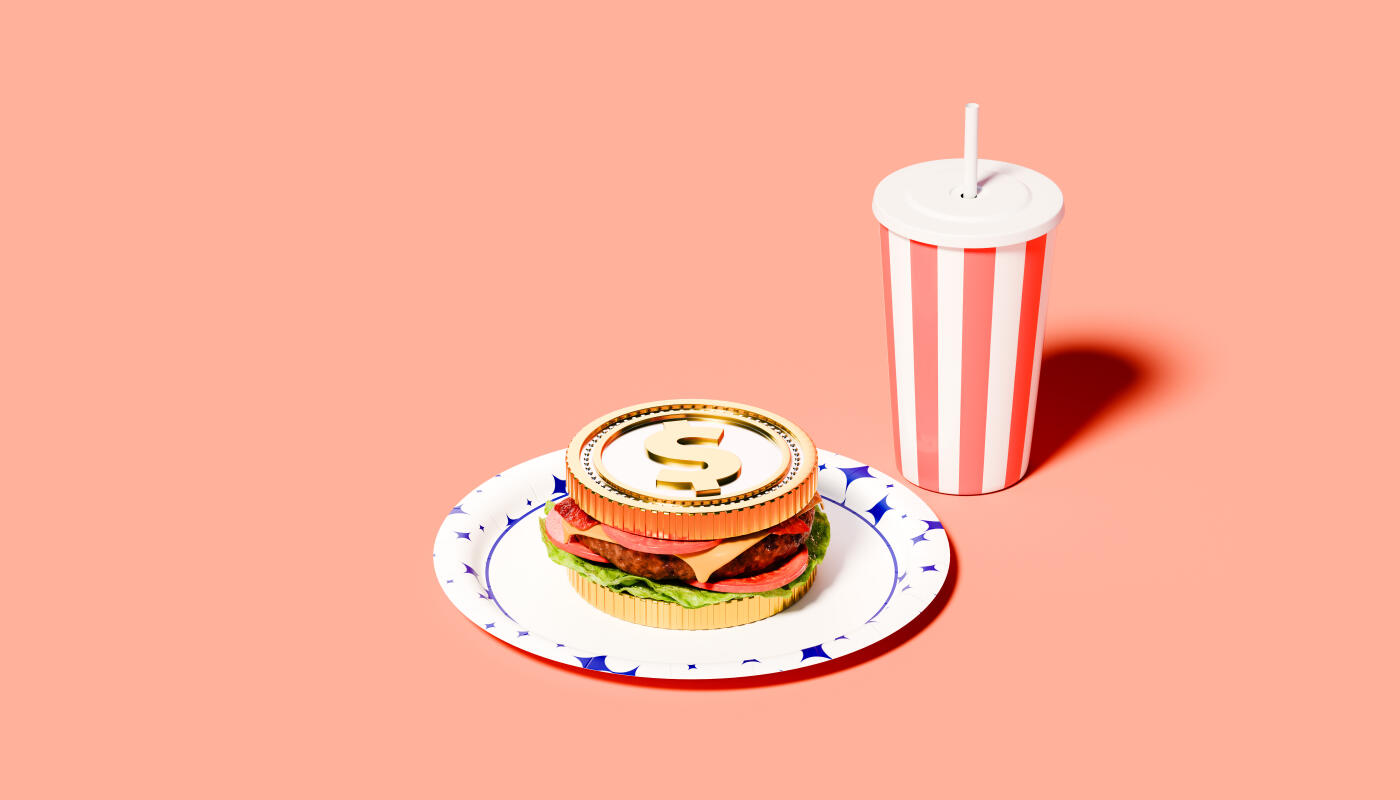
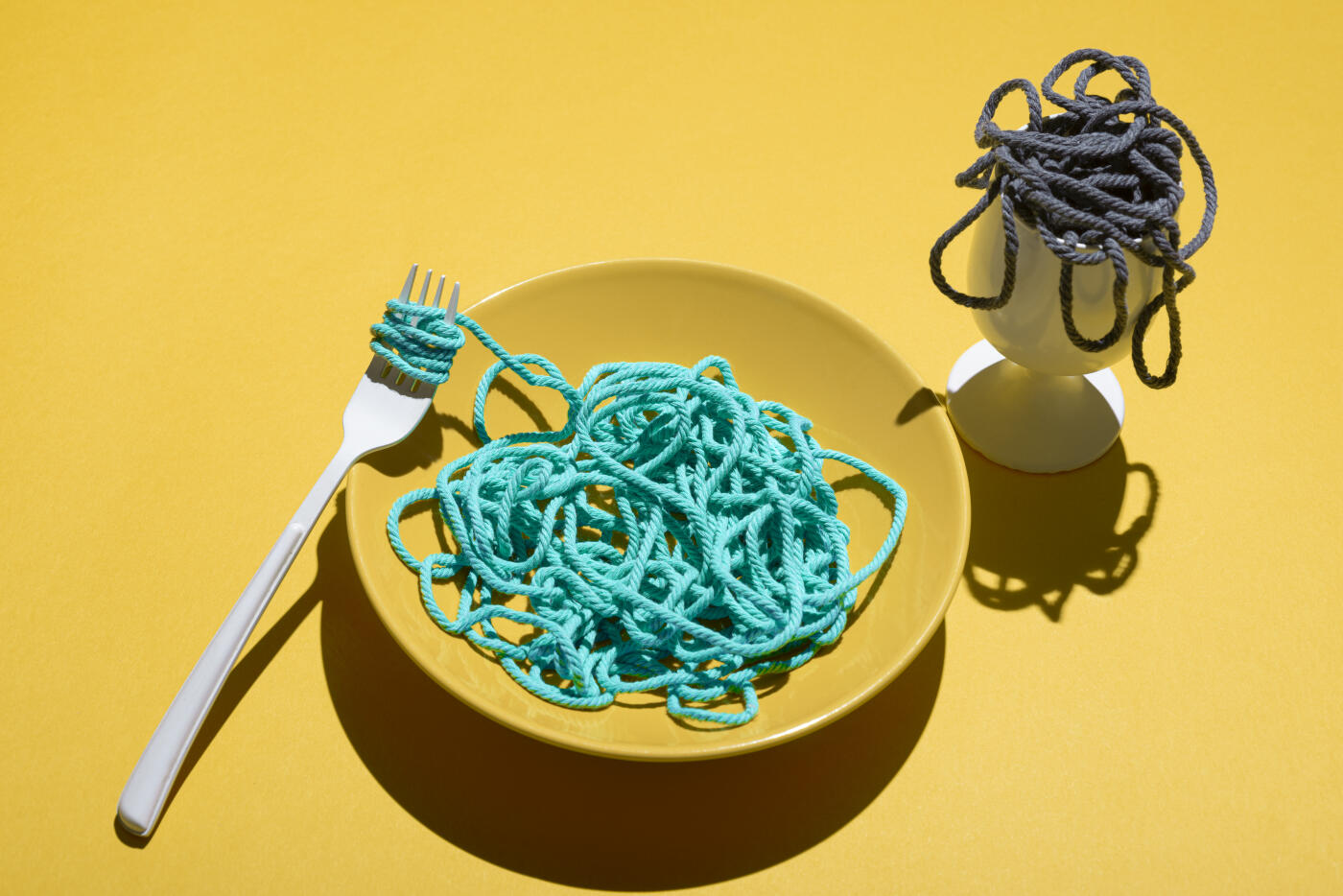
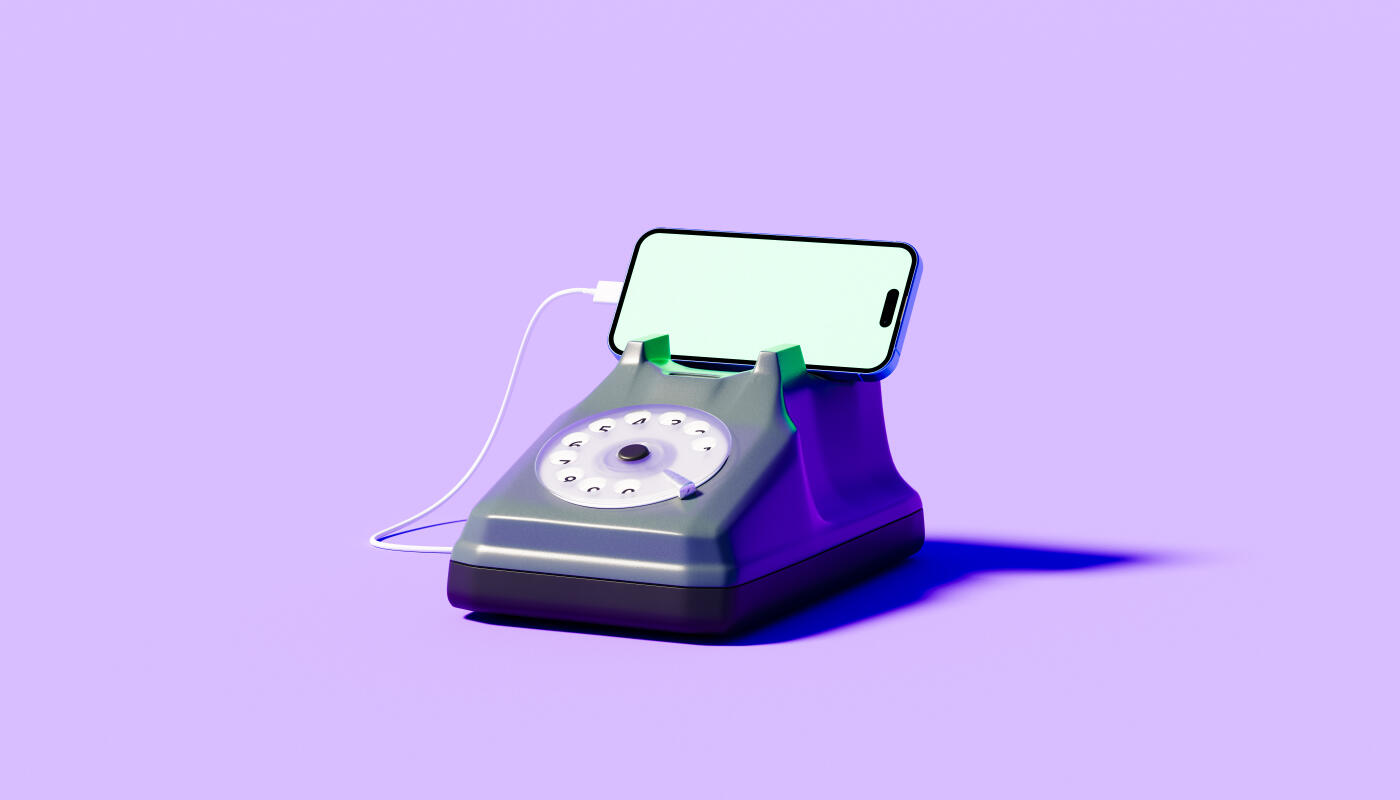
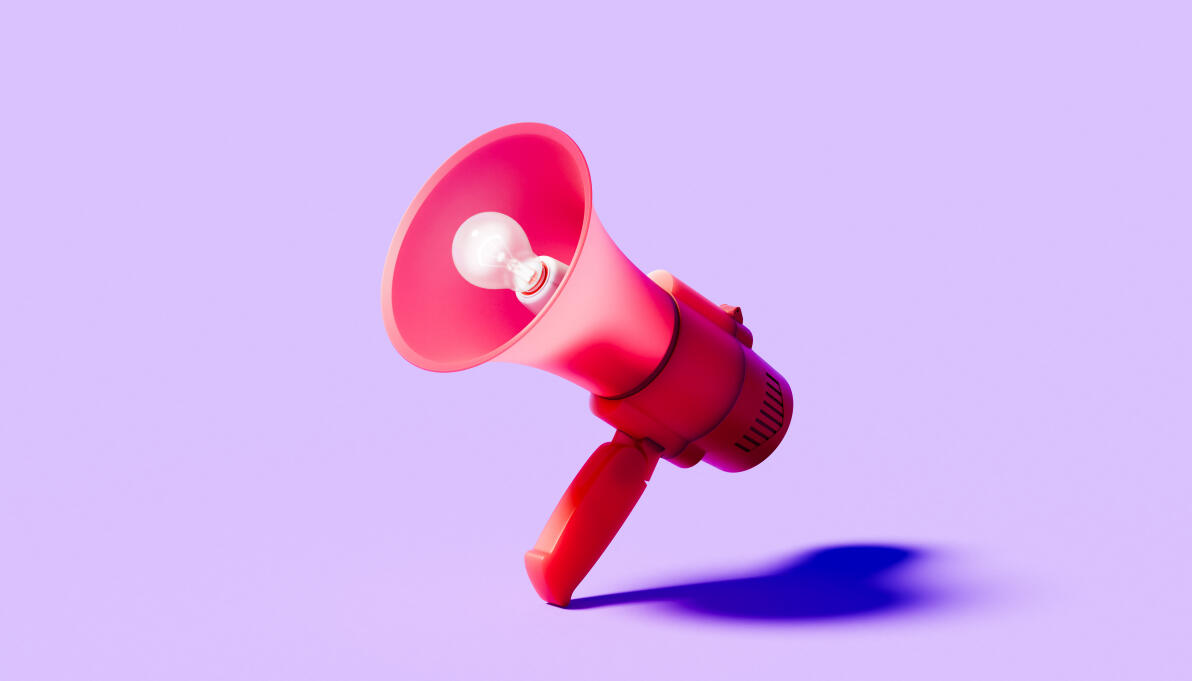
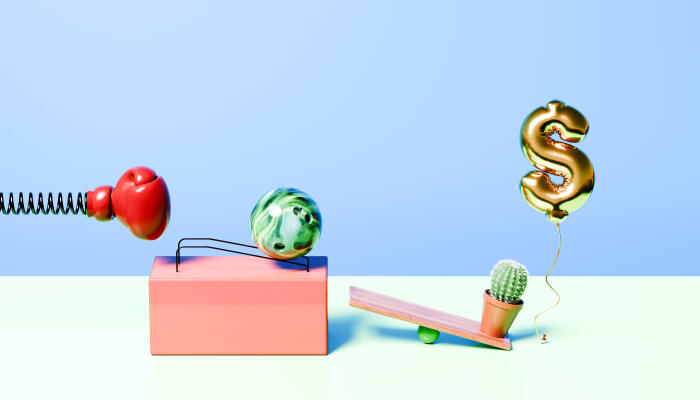
Every object carries an unspoken agreement with the world that surrounds us: Use me as intended. Until there’s an instant where an object slips free of its intended purpose and becomes something else entirely. Alongside creators, we explored that tension between what something is (form) and what it does (function), and what happens when those two things come apart. In an era defined by resourcefulness and improvisation, the most compelling images not only are aesthetically striking but they also tell a story. One of reinvention itself: Objects living a second life, repurposed, reimagined, and reframed for a use no one originally intended.
The lightbulb 2.0
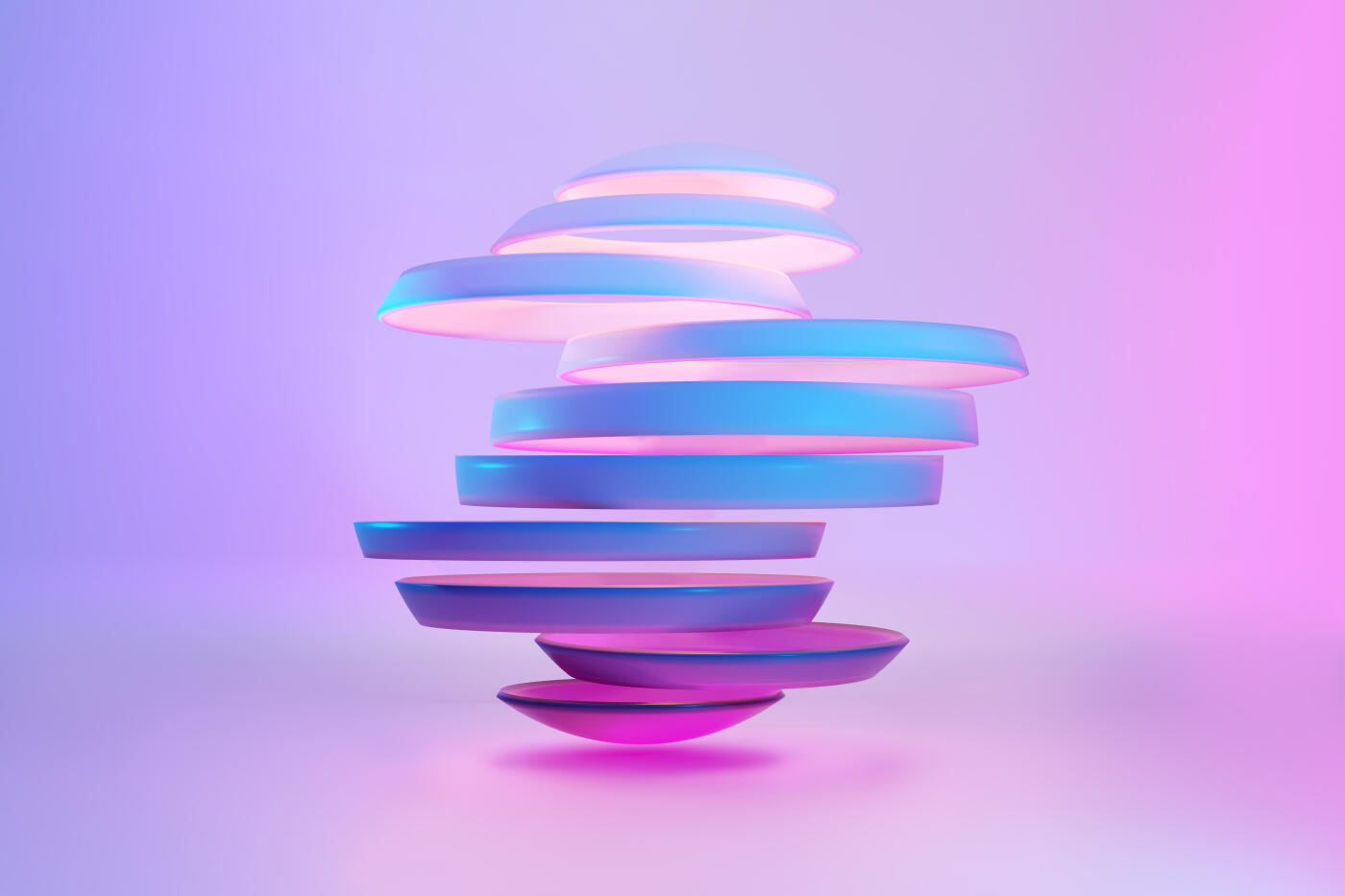
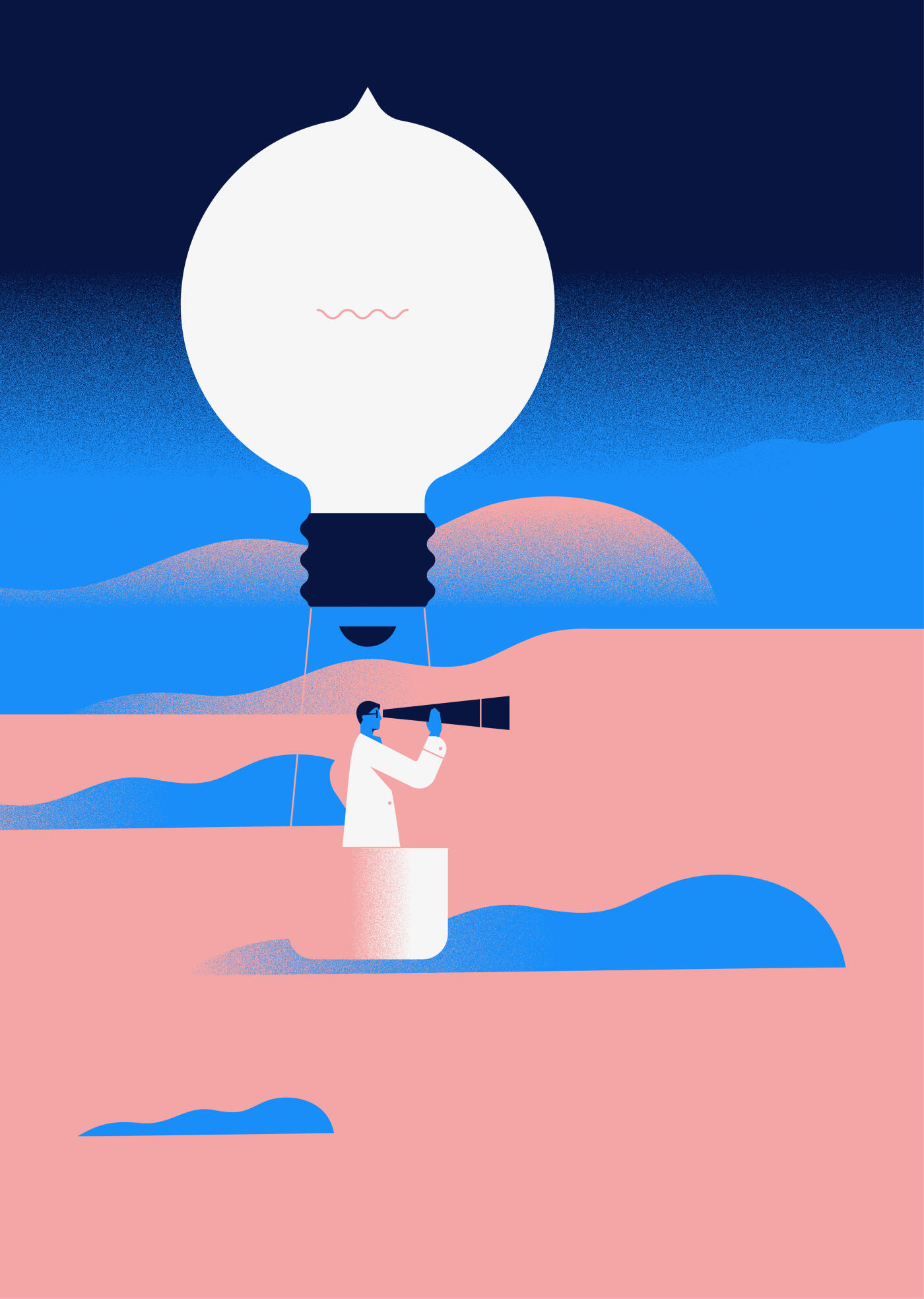
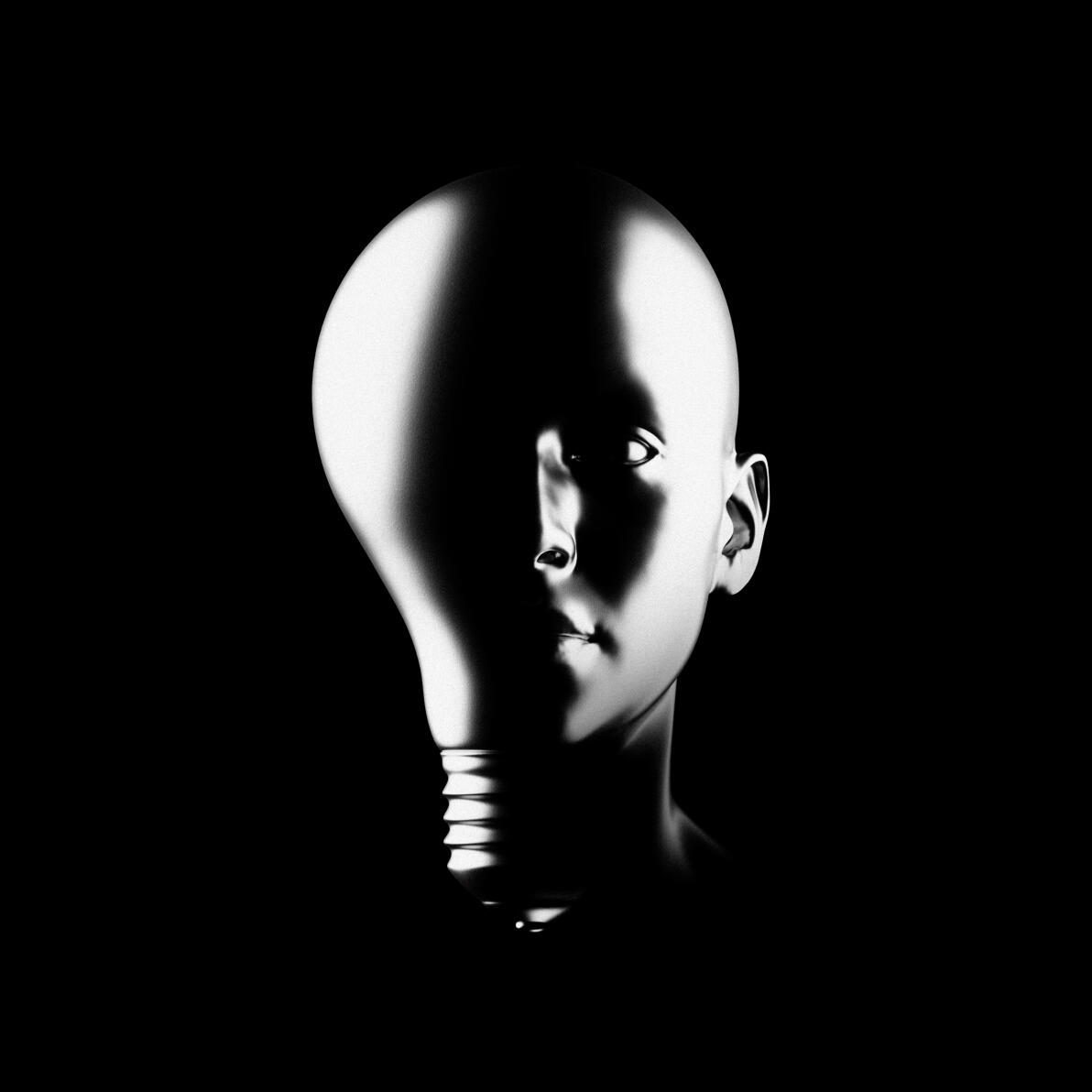
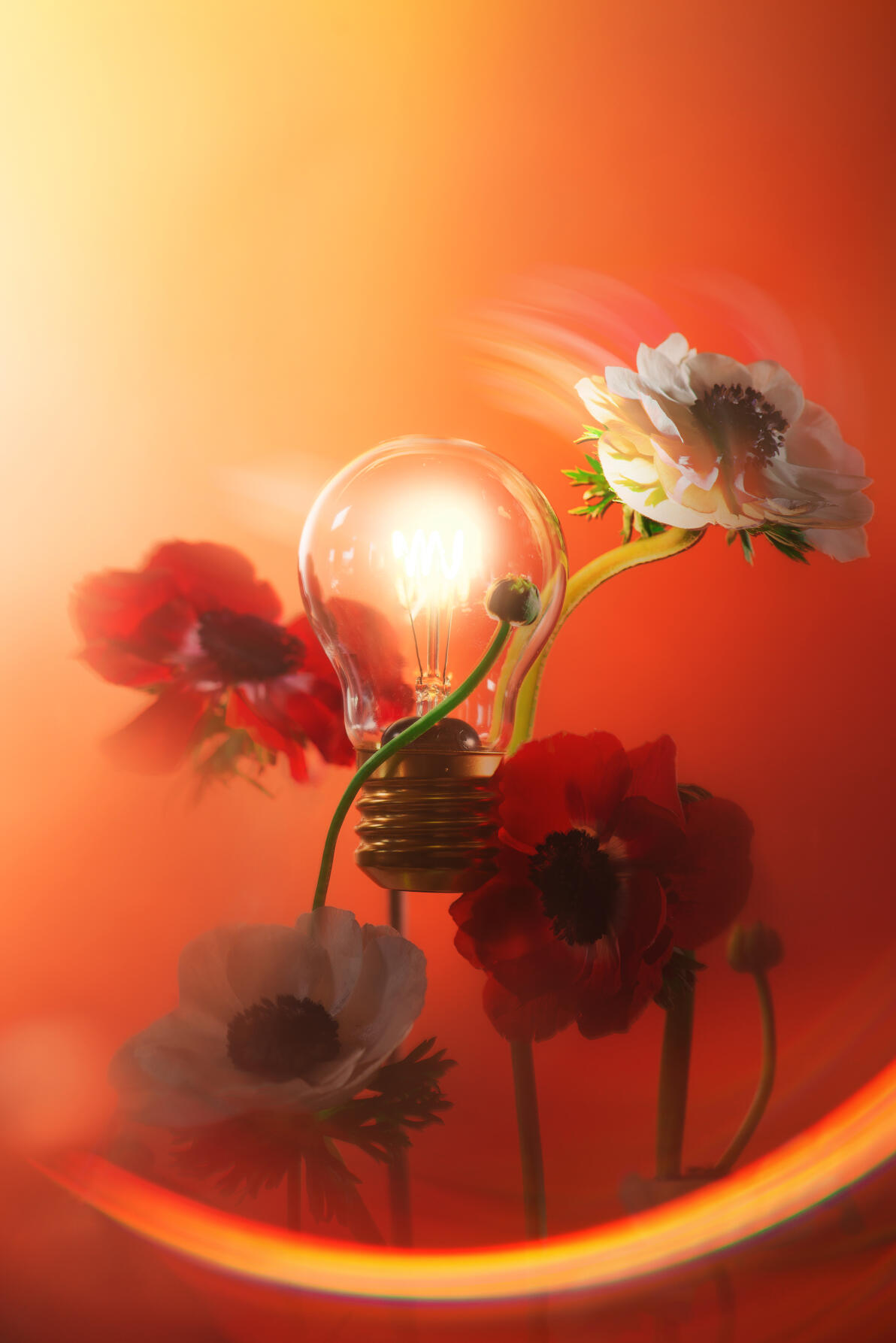
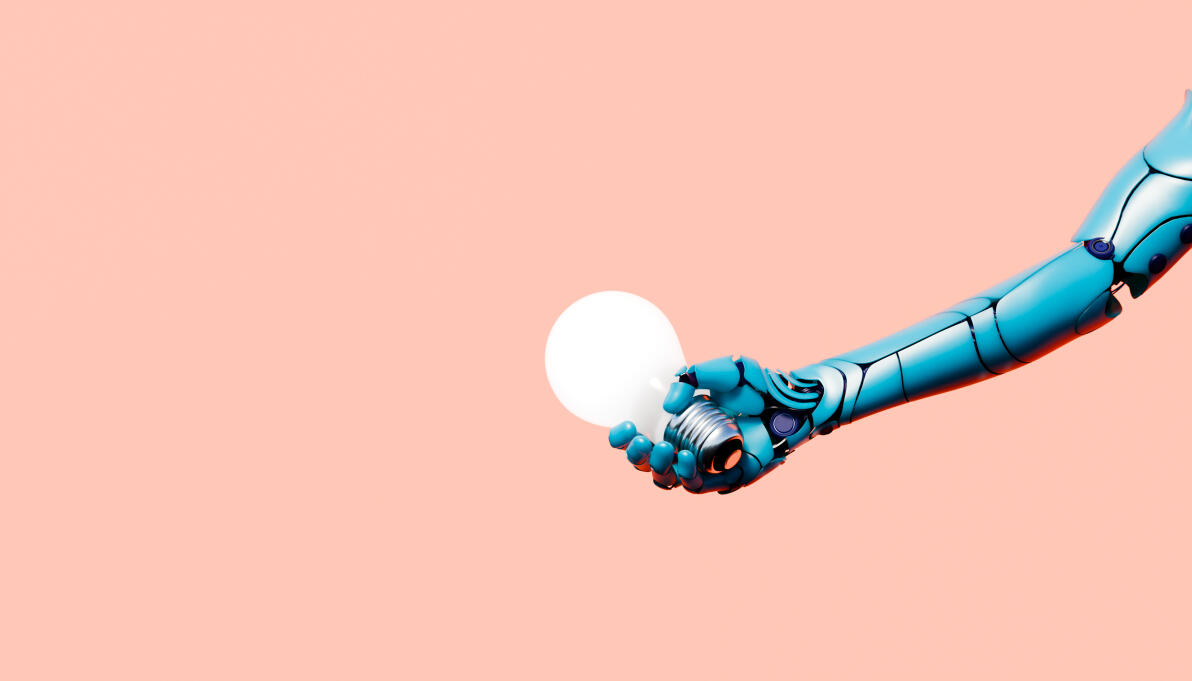
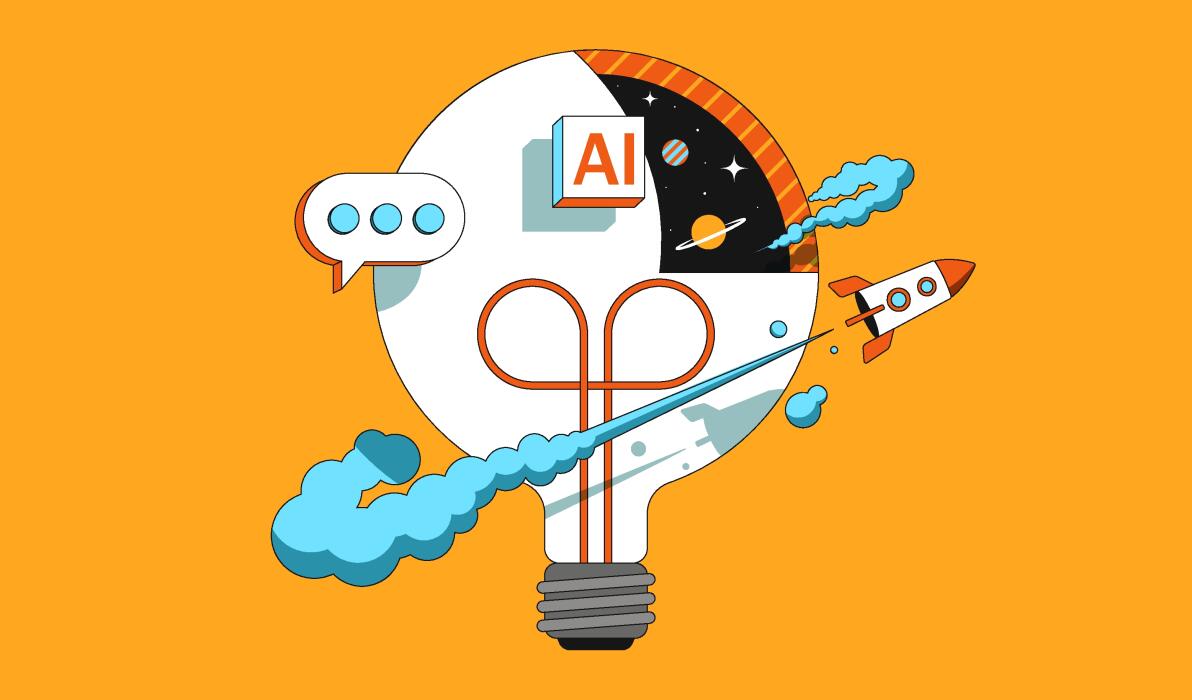
The lightbulb has become one of the most recognizable visuals for innovation, an instant symbol of ideas, creativity, and discovery. But this is also a challenge and limitation: The glowing bulb has been used so often it can struggle to say anything new.
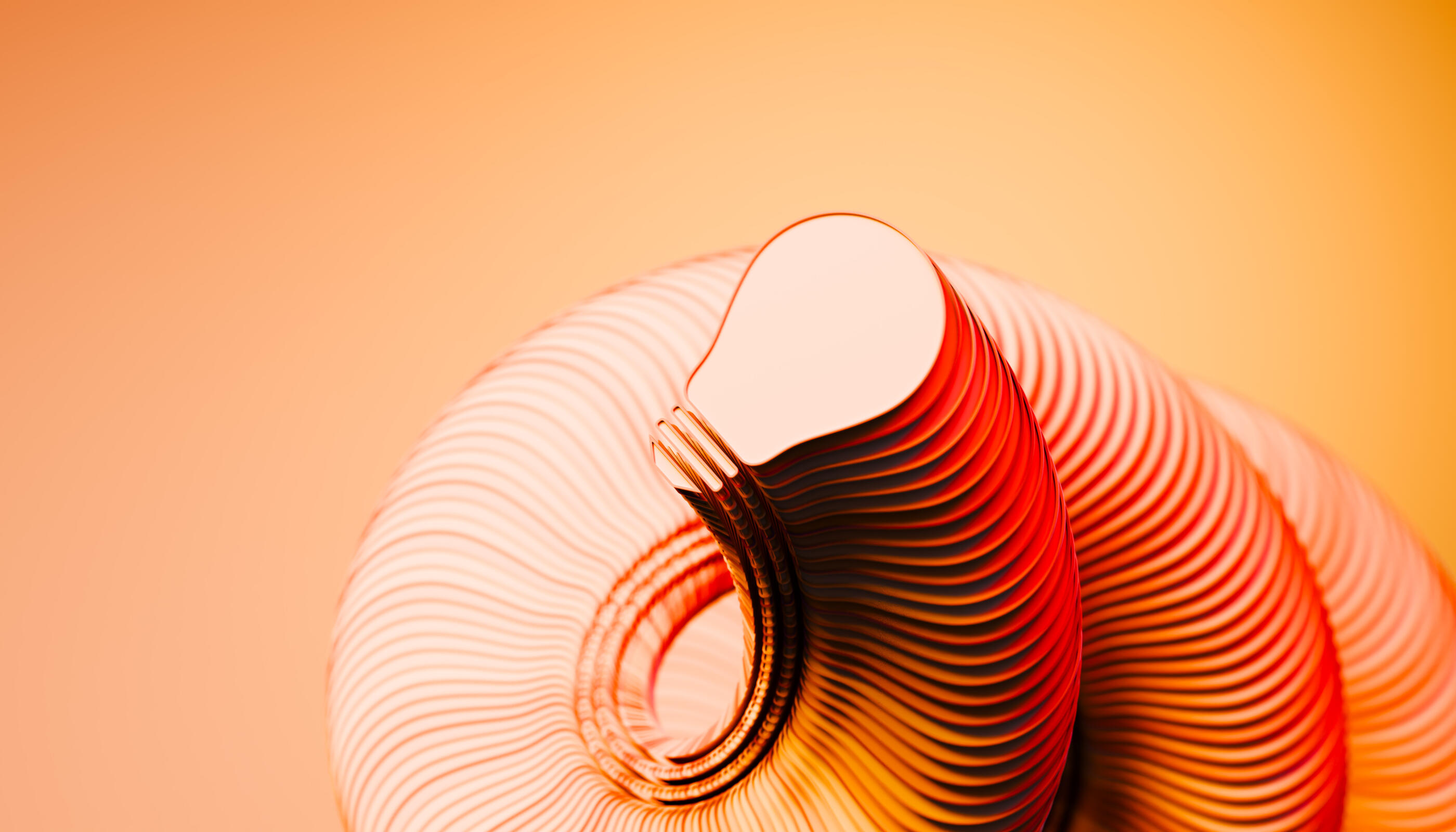
However, Getty Images' VisualGPS research confirms that audiences today see conceptual imagery as most innovative. Transforming a familiar stock cliché into something more unexpected, imaginative, and open to various interpretations, that way the light bulb becomes a vessel for ideas, a window into the human mind, or a metaphor for growth and possibility.
Rethinking innovation
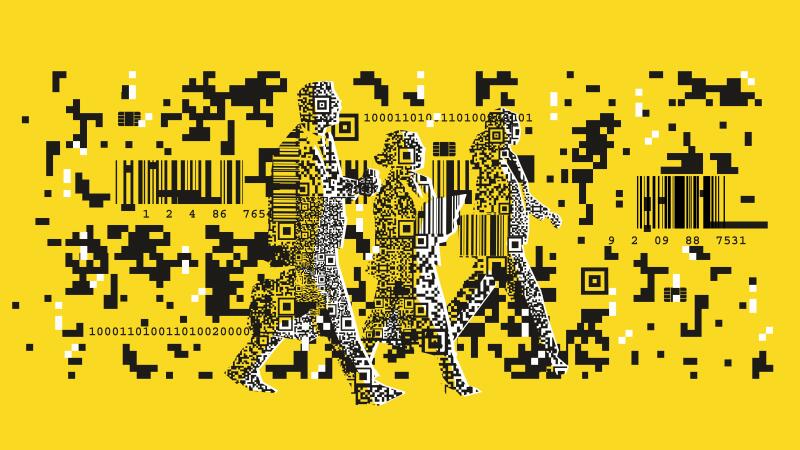
Interestingly, over the past five years Getty Images customer choices for innovation visuals have shifted from bright and playful to tech‑business with darker tones. So, as a final challenge for our creator community, we opened the Creative Labs Innovation Awards where photographers, videographers, and CGI artists could rethink how innovation is visually represented, moving beyond predictable technology‑focused imagery to explore themes of creativity, human connection, problem‑solving, and fresh perspectives. Creators were encouraged and guided to research existing content, identify visual gaps and develop their own original interpretations that pushed the concept of innovation in new directions. The resulting work demonstrated that innovation can be expressed in countless ways, proving that the most compelling creative ideas often emerge when familiar concepts are viewed through a different lens.
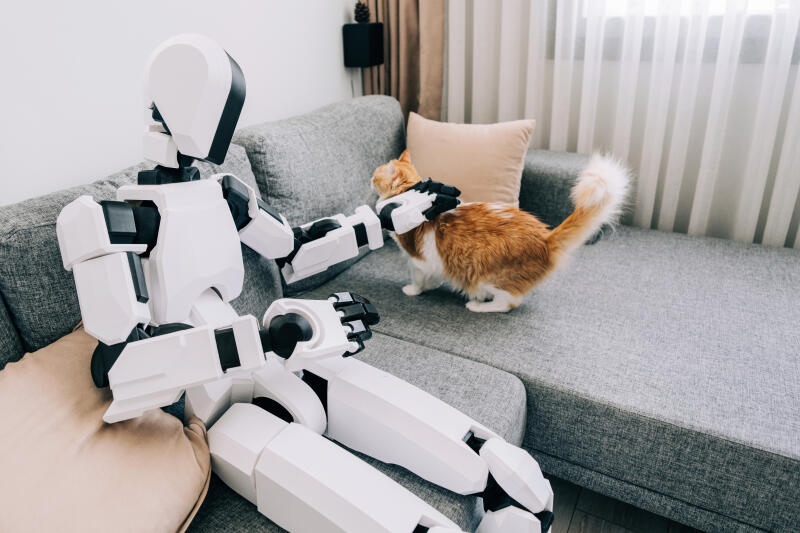
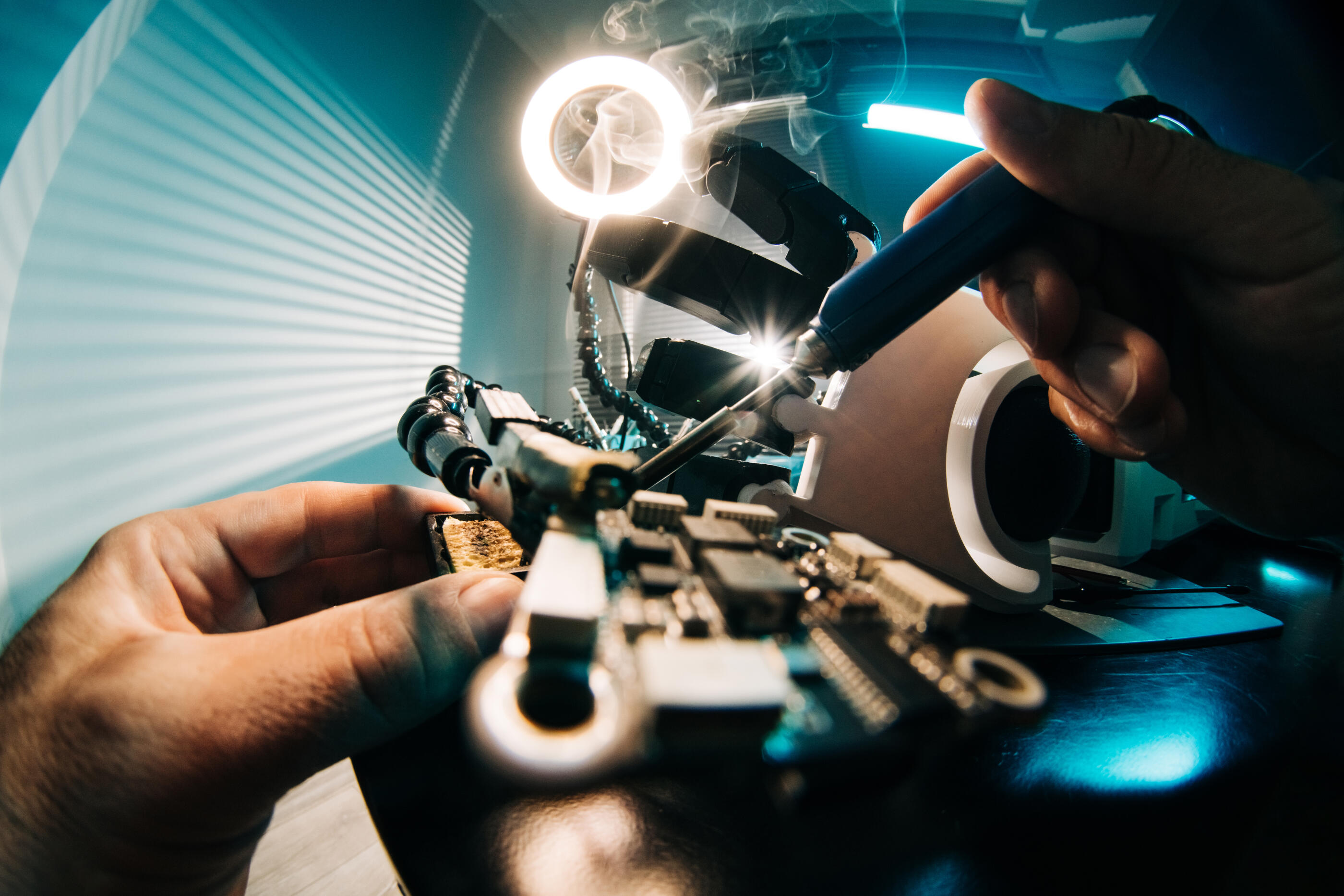
Taken together, these different views on how innovation can be visualized, through the body, a process, an object finding a new purpose, a symbol worth rethinking, or a familiar idea seen from a different angle, show that innovation isn’t a single visual. And for brands and creatives, that range matters because it means moving past robotics and circuit boards that have defined innovation in stock imagery for years and reaching instead for visuals that feel human, specific, and genuinely new.

All article tags
Related articles

Learn more about licensing with Getty Images and Stay Inspired!

Connect with our visual experts for more details

Subscribe to our newsletter