Visuals for Digital Administration in B2G and G2B
TABLE OF CONTENTS

Europe is building digital‑first public services so that key pathways for businesses and citizens move online with confidence.1 But as administrations modernise, the stakes are clear: Trust, clarity and inclusion are now part of good public business administration. Getty Images' VisualGPS insights point to three practical ways governments can strengthen trust through visual storytelling—especially when communicating about privacy, cybersecurity and the future ICT workforce.
Cybersecurity communications
As services go digital, so does the public conversation around security. Getty Images' VisualGPS data reveals that seven in 10 Europeans now believe privacy will no longer exist in the future with 63% of business leaders believing AI cybersecurity threats could make current protections obsolete every few months.2 Interest in cybersecurity and cyberattacks continues to rise, and perceptions are intensified by AI‑enabled threats. That creates a challenge for government comms teams: Cybersecurity is often communicated as fear, but security is hard to “see” and easy to over‑visualise. Many campaigns default to clichés—fast‑motion network imagery that can unintentionally signal chaos or instability.
What works instead:
- Shift from alarm to reassurance. Use visuals that communicate calmness, safety and stability.
- Choose slow‑motion, simplified and conceptual clarity over complex visuals.
Calmer visuals help the public understand that security is designed, managed and reliable—supporting trust in digital services and the partners that deliver them.






Human‑led digitalisation
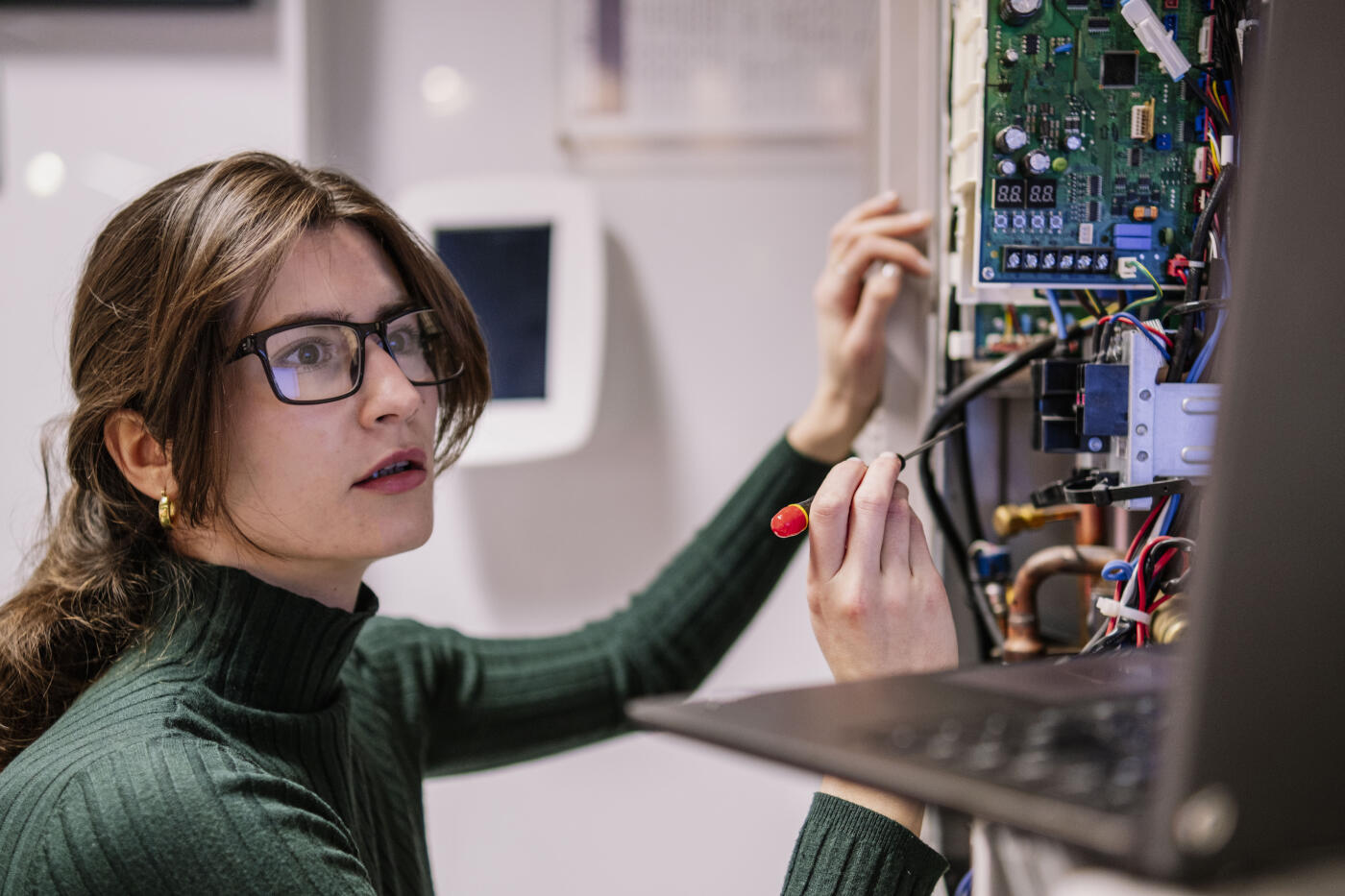
Digital administration succeeds when people feel understood—not processed. Visual testing indicates that non‑abstract, human‑centred visuals can perform as well as more “technology‑coded” imagery. This is particularly relevant for older audiences: 54% of Baby Boomers prefer simple, non‑abstract visuals. At the same time, many current tech visuals still lean on patterns that can feel remote or closed‑off—hands typing, dark tech environments, people shown alone in isolating tones. The result can be an unintended message: “This is for systems, not for people.”
What governments can do:
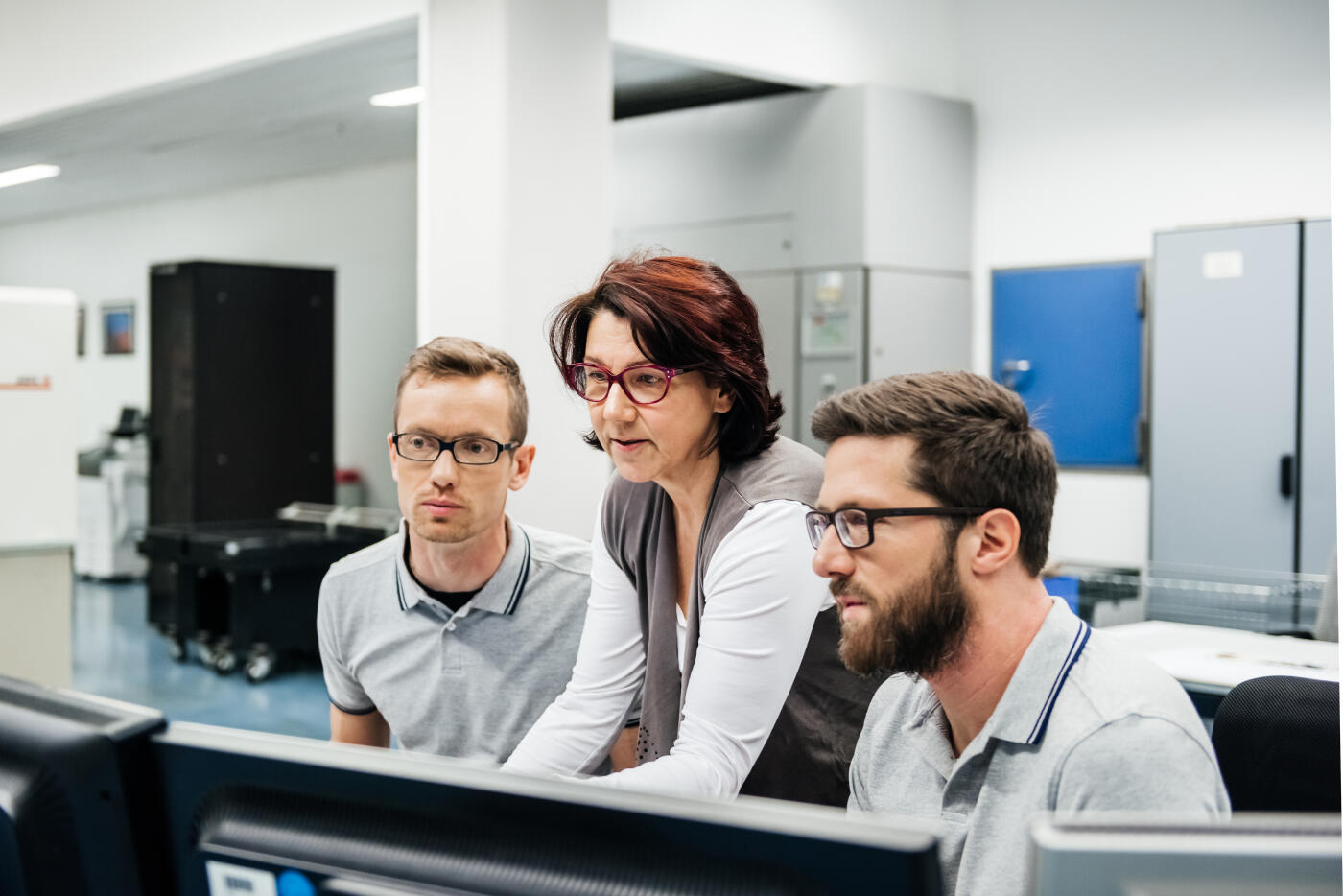
- Show people behind the technology—from system operators to IT specialists and service designers.
- Use environments that feel warm, bright and accessible, not sealed and secretive.
- Emphasise collaboration and oversight.
People are more likely to adopt digital services when they can see that real professionals are involved and in control.





Building future talent
Digital government depends on skilled ICT professionals—and the EU targets underline the urgency. By 2030, the goal is at least 20 million ICT specialists.4 And when it comes to recruitment, VisualGPS research reveals inclusion gaps in common ICT imagery:
- People under 30 appear about twice as often as people over 40.
- White people are visualised four times more than other ethnicities, with Black people least represented at only 5%.
What this means for government marketing and employer branding:
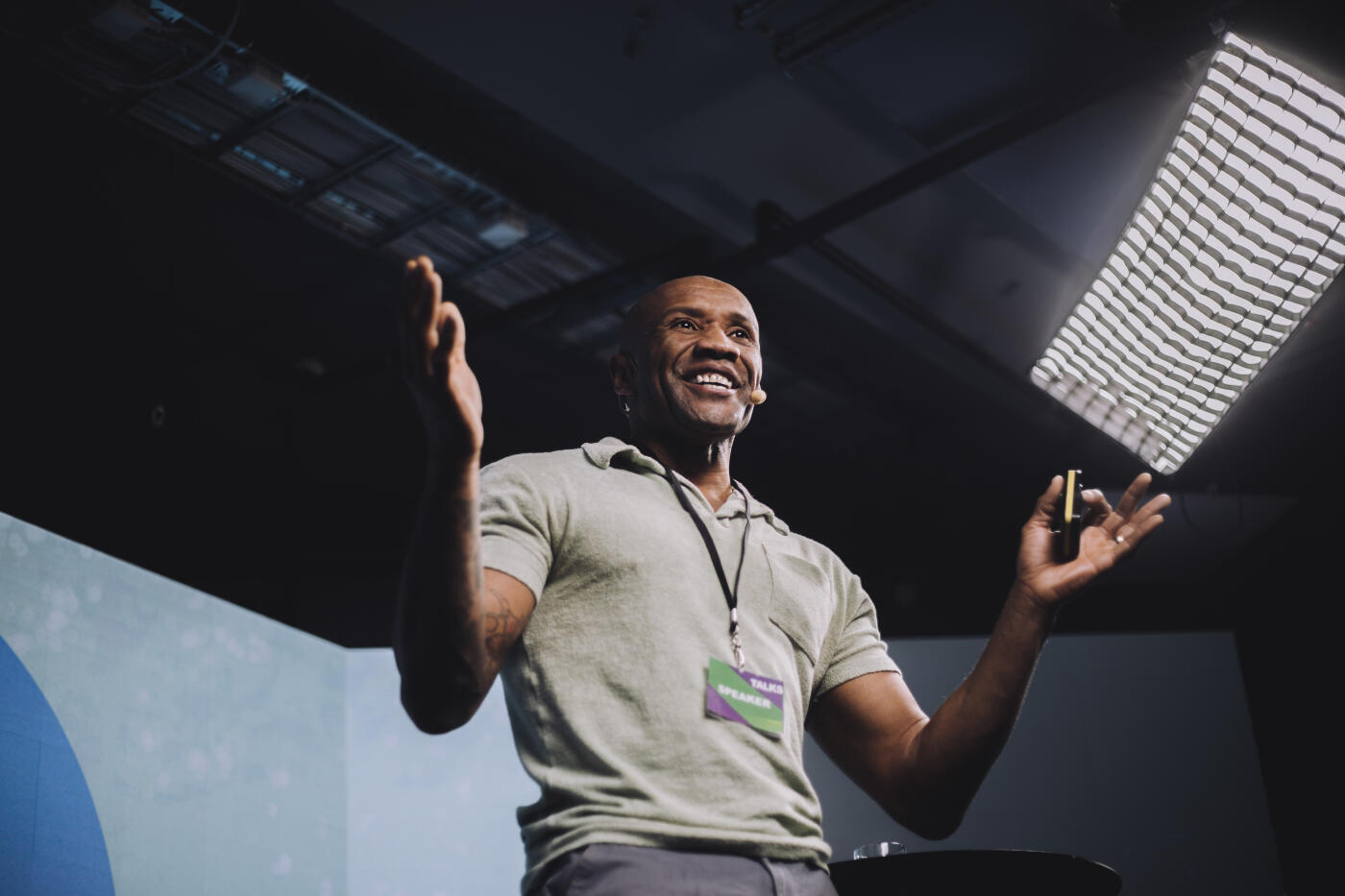
To attract the broadest talent pool, visuals should reflect the real diversity of the workforce—across age, ethnicity and disability—and normalise participation in modern digital roles. More accurate representation increases reach, relevance and credibility—helping governments meet both digital capacity goals and public expectations of fairness.




Governments and their delivery partners can strengthen trusted digital administration by combining:
- Calm, clear cybersecurity visuals to reduce fear and improve confidence.
- People‑centred storytelling to make digital services feel accessible and governed by humans.
- Inclusive workforce imagery to attract and represent the talent needed for the digital future.
When these elements work together—warm, accessible and inclusive—governments can build stronger public trust, support ethical B2G and G2B partnerships and improve adoption of digital public services.

All article tags
Sources
[1] Eurostat
[2] Forbes
[3] Edelman Trust Barometer
Related articles


Learn more about licensing with Getty Images and Stay Inspired!

Connect with our visual experts for more details

Subscribe to our newsletter