A Taste for Technology

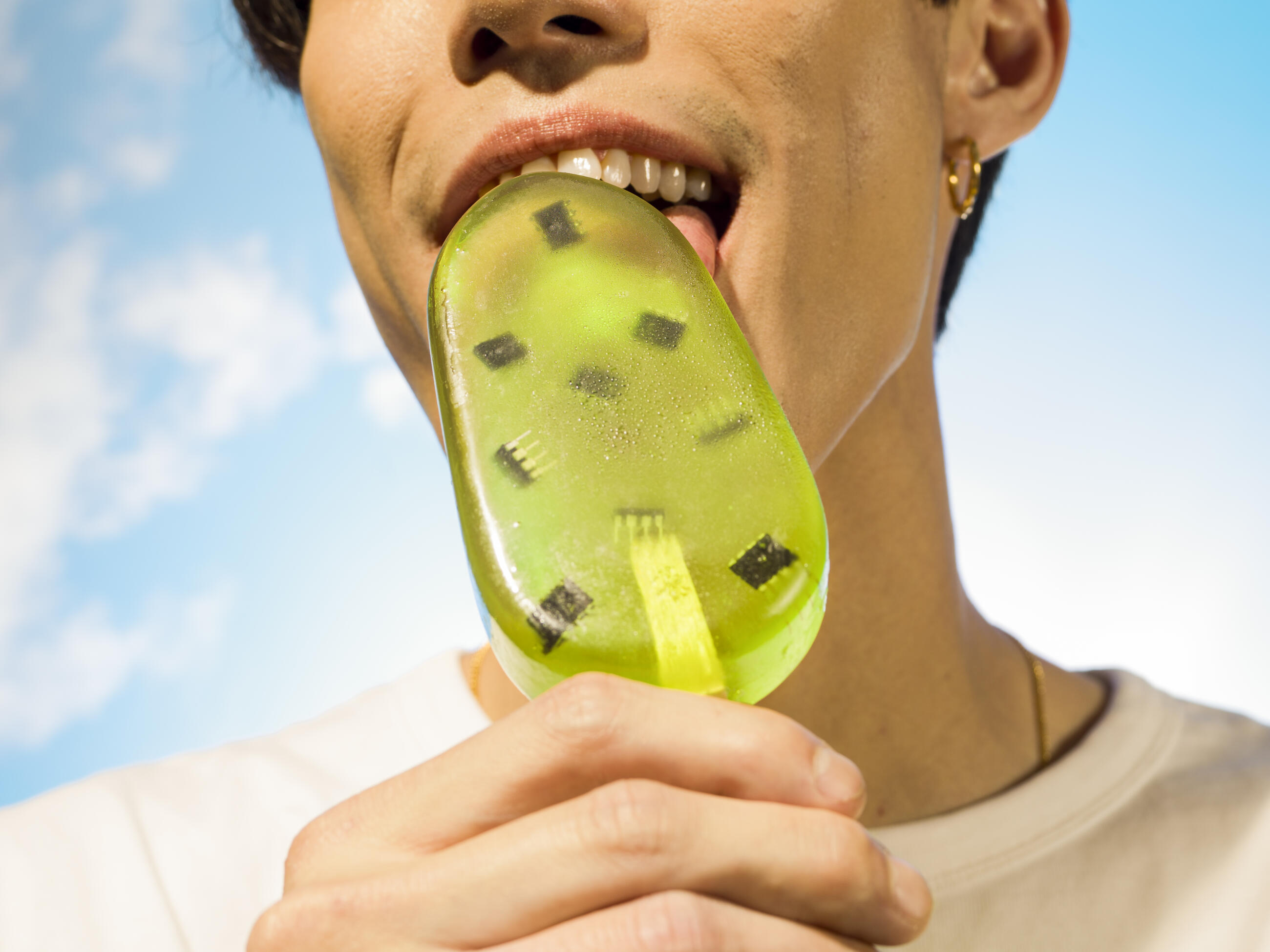

In an era where digital devices permeate every waking moment, a new conceptual image series imagined by photographer Jonathan Knowles captures what it would look like if humans consumed technology as eagerly as they devour their favourite foods. For Jonathan, this excessive consumption was the inspiration for the shoot which he wanted to realise with physical, real‑life technology. Using carefully crafted props made by a model maker, the series transforms the things we eat with wires, circuits and microchips, serving as a vivid metaphor for our insatiable digital appetites. It certainly taps into the zeitgeist as nearly half of global consumers are nervous on how heavily the world will rely on technology in the future, according to recent Getty Images' VisualGPS research.

The imagery invites viewers to question how deeply embedded technology has become in their daily rituals. Just as food sustains the body, devices and digital platforms now feed attention, emotion, identity and social belonging. The images exaggerate this coexistence: A woman twirls a tangled nest of multicoloured wires like spaghetti around her fork, a hamburger is eaten layered with a circuit board as the burger; hands snap a chocolate bar in half laced with electrical wires and drinks fizz with microchips floating like ice cubes.
While humorous on the surface, the series is underscored by a thoughtful critique. It reflects how, in an always‑on‑culture fed by algorithmic feeds, technology has evolved from a tool into a form of nourishment, something many people crave, rely on and even binge consume. The merging of food and digital objects highlights the sensory appeal of tech: The glossy sheen of a new device, the dopamine rush of a notification, the compulsive scrolling that mirrors the comfort of snacking. These visual metaphors capture not only the joy of digital connection but also its potential excess, while also tapping into the concept of optimising ourselves by consuming tech, such as eating memory chips or hard drives to improve brain IQ or memory retention.

Each image is carefully styled to mimic the visual language of high‑end food photography. Using real‑life props instead of CGI added a sense of realism, with considered lighting, and bold colour palettes enhancing the allure of these hybrid food types. By presenting technology as appetising, even delicious, the images challenge viewers to consider how consumption has shifted in the modern era. What once nourished the body is now joined, and sometimes replaced, by what nourishes the mind and attention span.
Ultimately, the series is both a celebration and a caution. It acknowledges technology’s irresistible allure while prompting reflection on balance, dependency, and the cost of insatiable digital hunger. By transforming microchips, wires and motherboards into edible creations, the images offer a fresh perspective on what it truly means to consume and be consumed by the digital world. Consumers will certainly respond to this creative approach! Getty Images' latest image testing results show that creative and abstract visuals around technology are the most engaging.


All article tags
Related articles

Learn more about licensing with Getty Images and Stay Inspired!

Connect with our visual experts for more details

Subscribe to our newsletter