Green Cities Are More Than Just Green

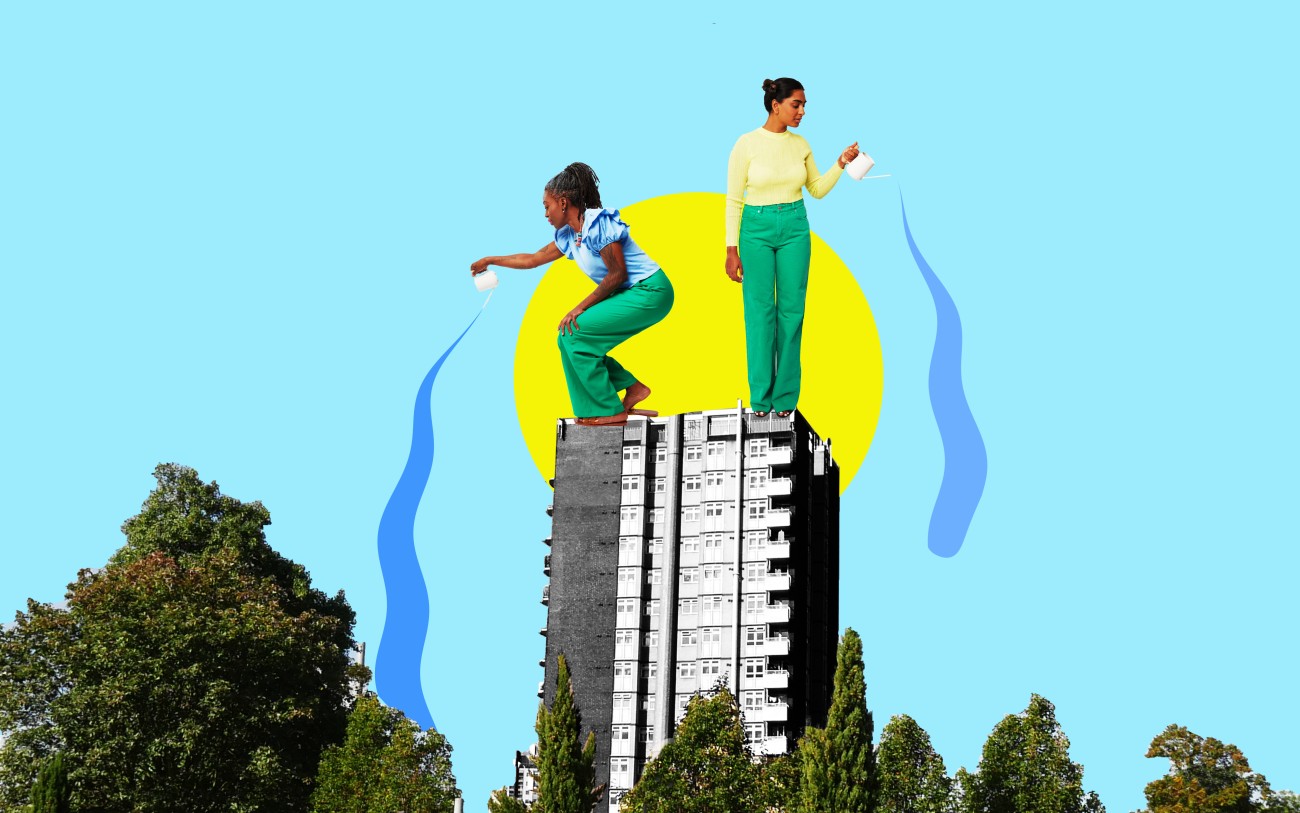
The personal matters when it comes to renewable energy
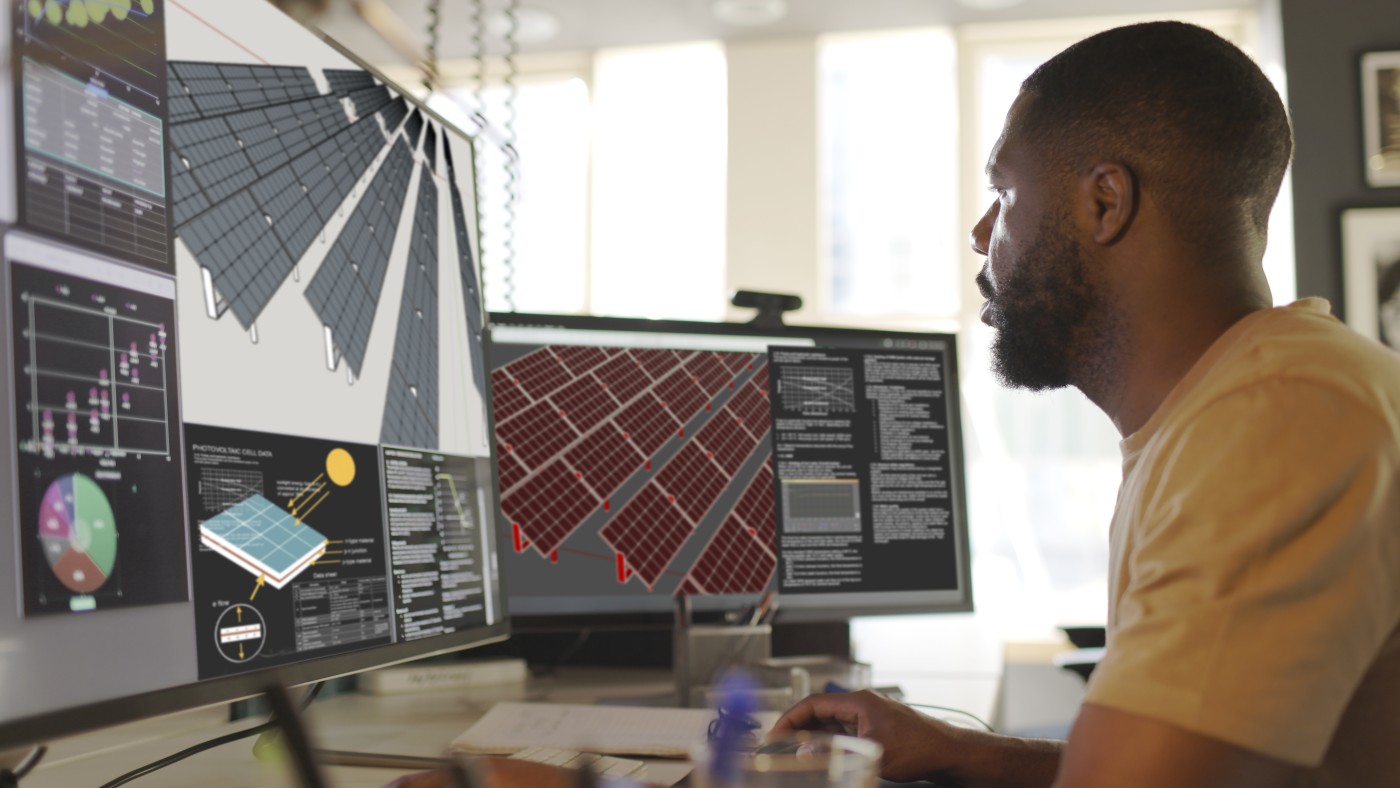
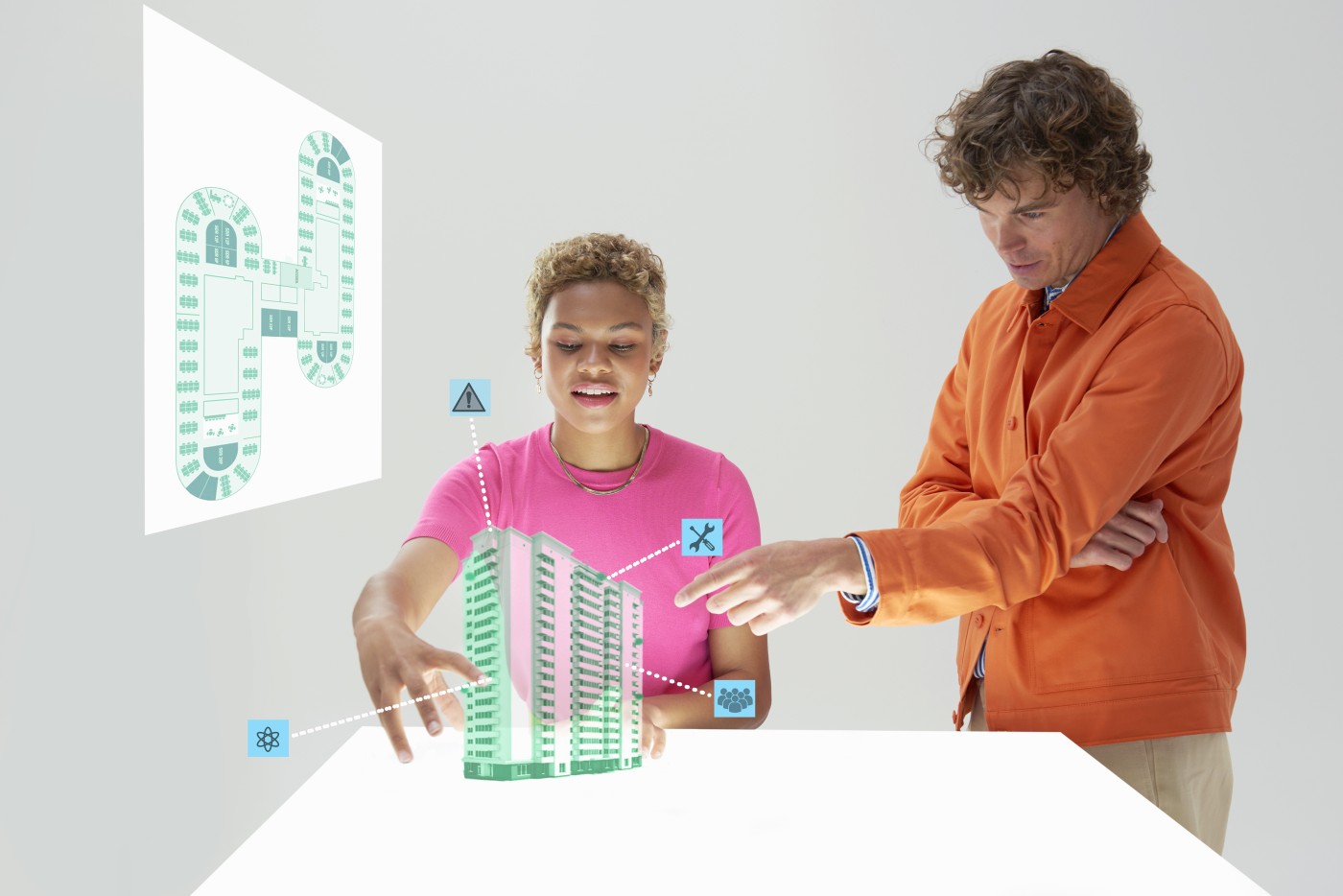
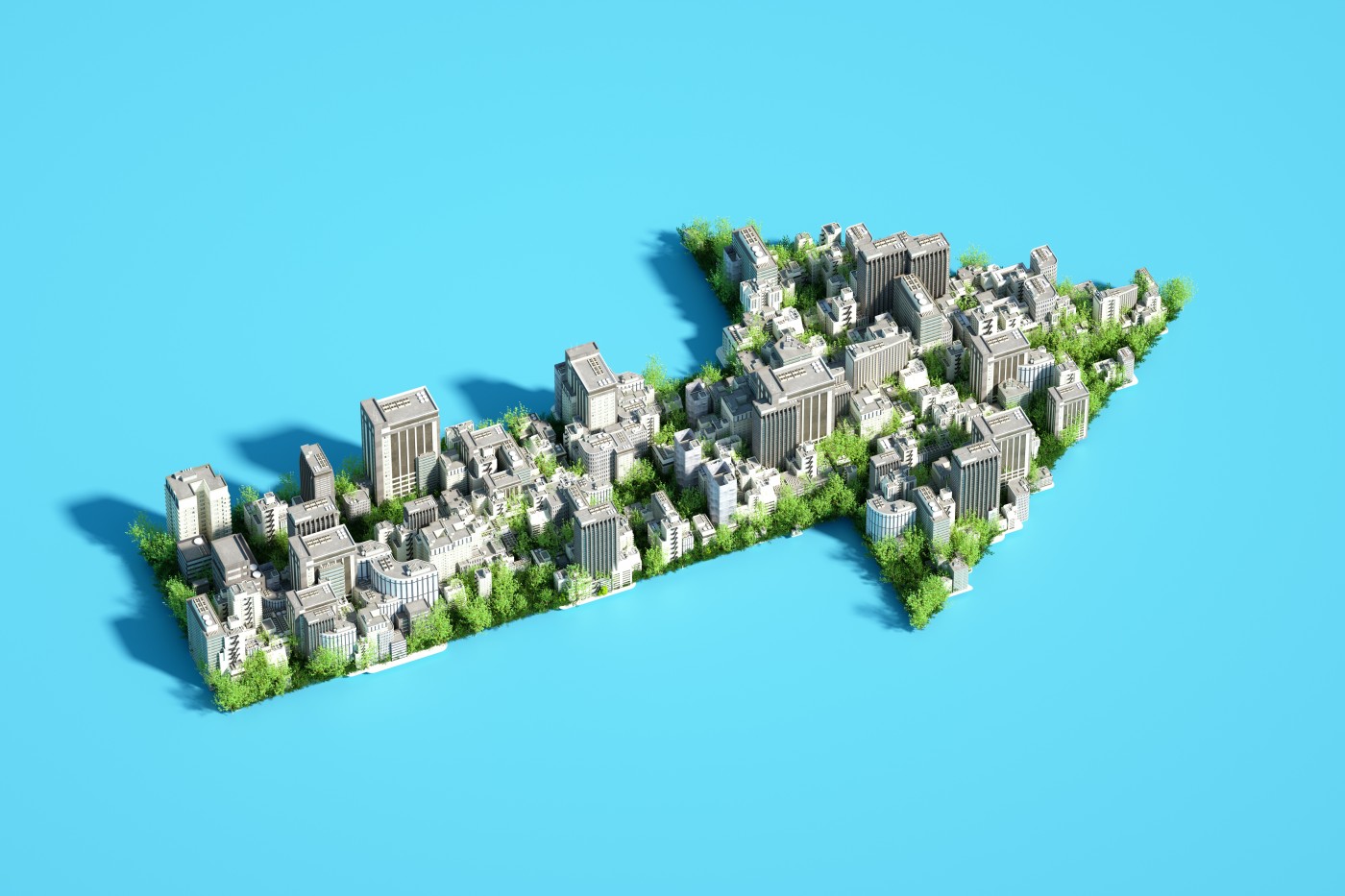
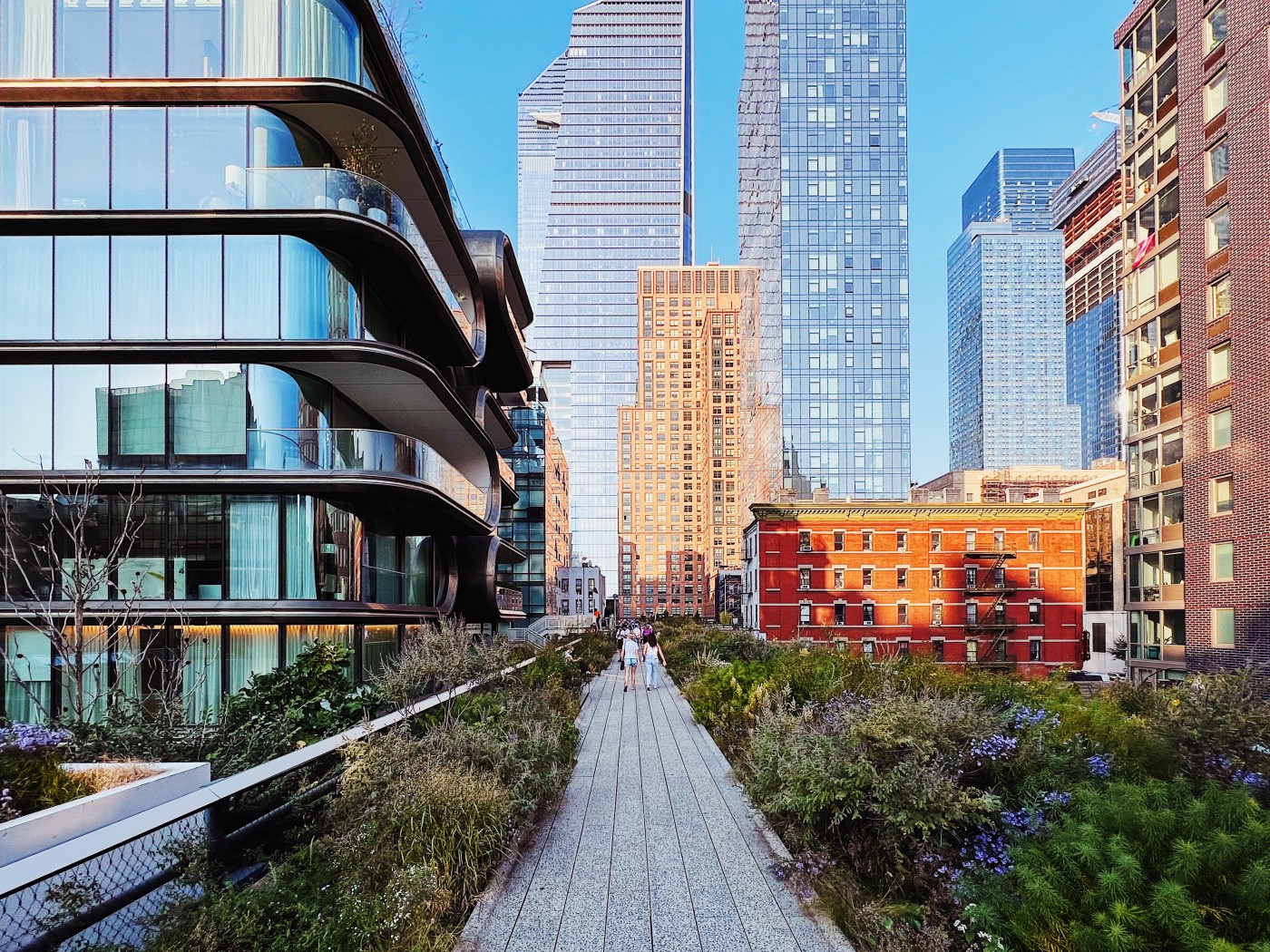
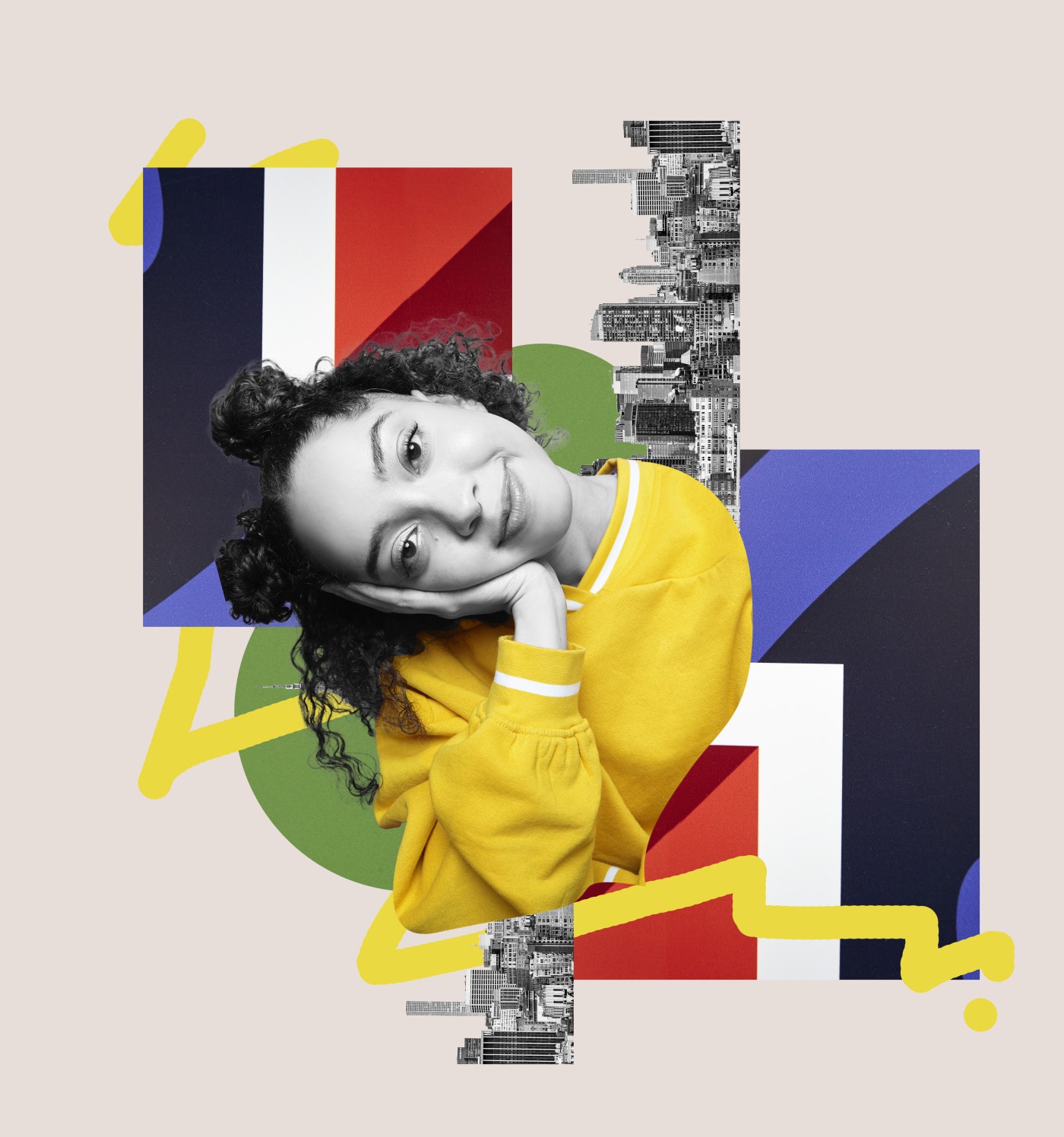
Our image testing, however, found that consumers relate most to visuals of renewable energy which put people firmly at the heart of the story. The personal matters. Visualizing these solutions integrated into the cityscape and showing the spaces and how people are benefitting connects with consumers. As solar panels become more integrated into buildings and, in some cases, invisible,3 there’s also an opportunity to take a conceptual angle to renewable energy powering our cities. Whether it is playful computer‑generated images or vibrant collages. Showing through symbols the benefits and connections green energy helps create can tell more interesting stories of how our cityscapes, people and places are best served.




Innovative urban architecture
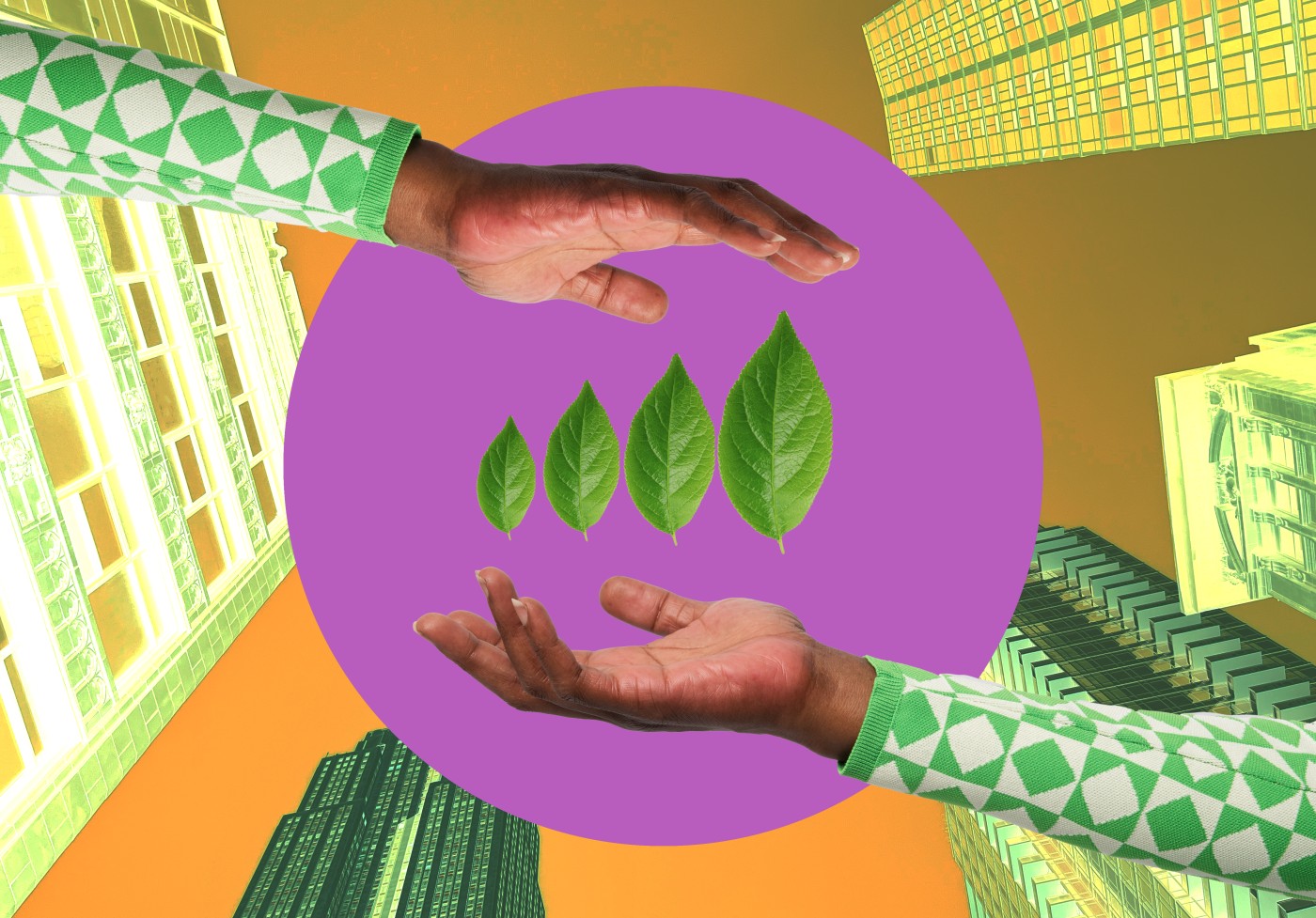
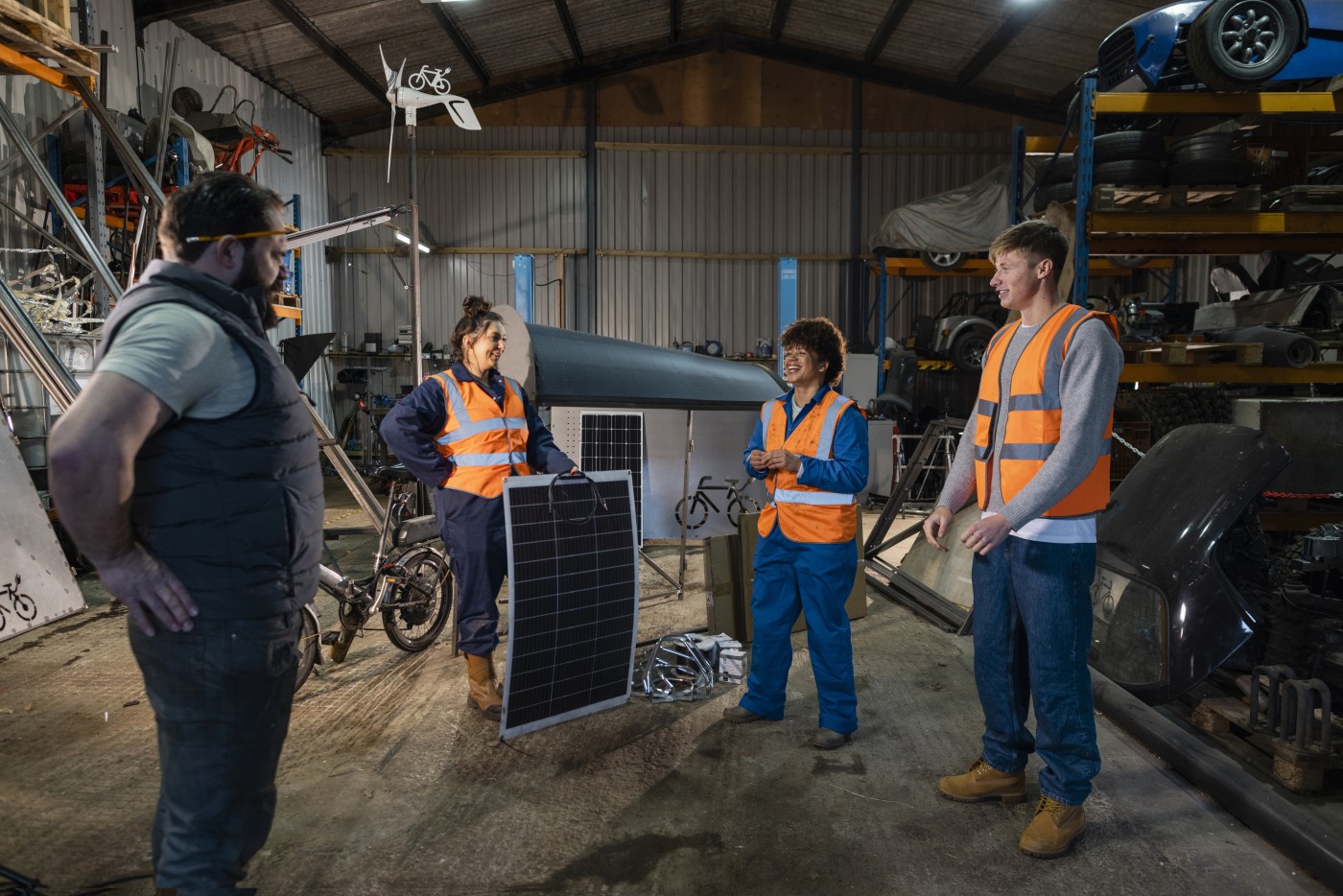
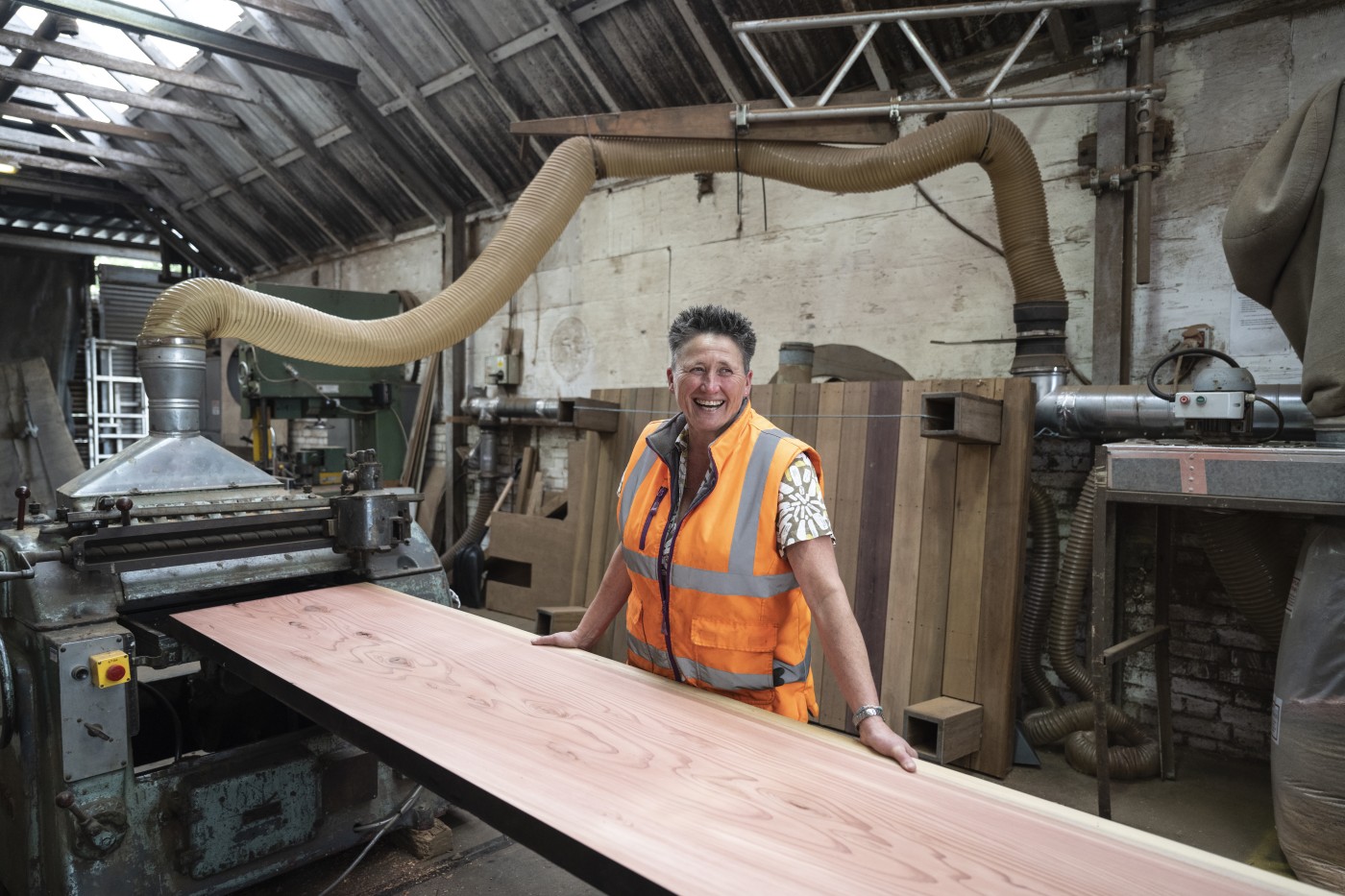
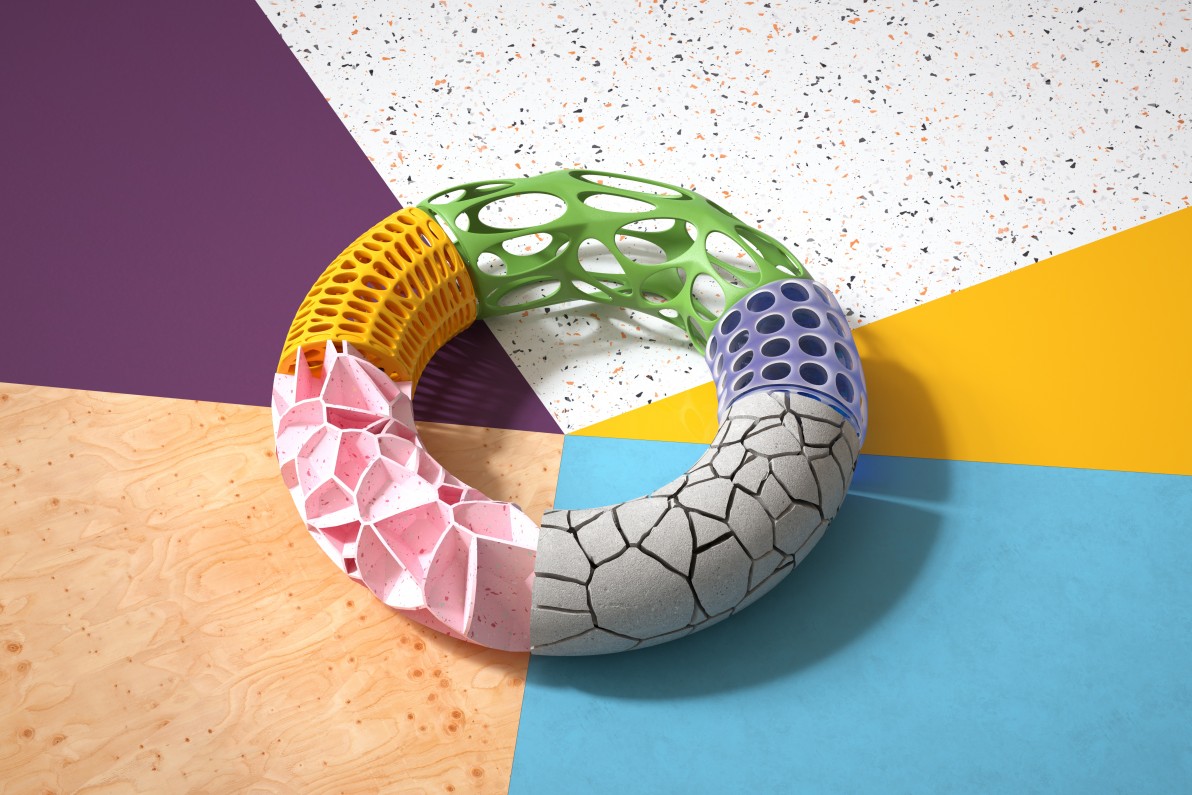
Low use of energy, raw materials, low emissions and waste are seen by consumers as top actions a company can take to prove that they are committed to sustainability, according to our VisualGPS global survey.4 And why shouldn’t this apply when building cities as well? After all, material production emits as much greenhouse gases as agriculture, forestry and land use combined, and its reduction is key to achieving the aims set in the Paris Agreement.5 From recycled timber production to conceptual visuals of moss‑growing concrete6 and bio‑materials,7 try showing how innovative urban architecture can serve the environment in its core – through the materials they are made of and how they are built. And yes, green façades and roof gardens are a valid visual direction, too.



Fostering low‑emission transportation
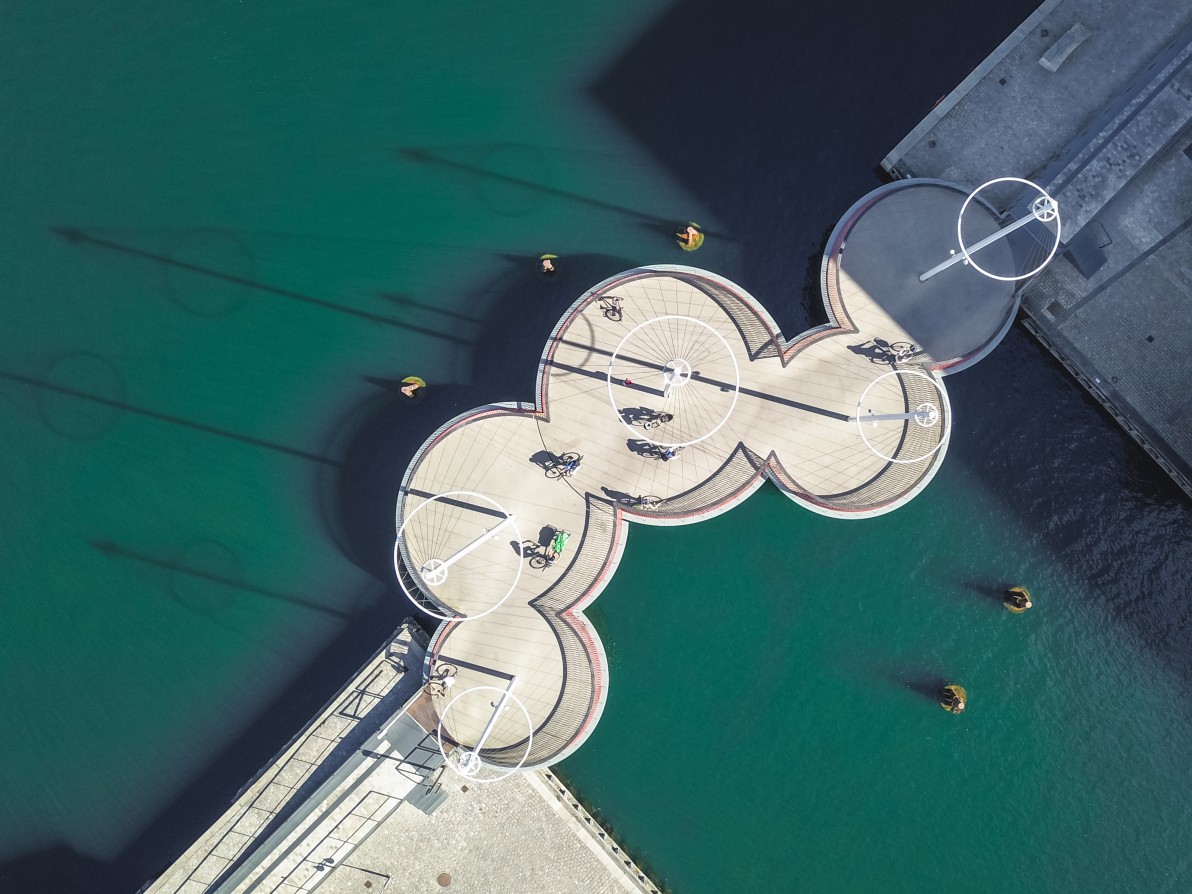
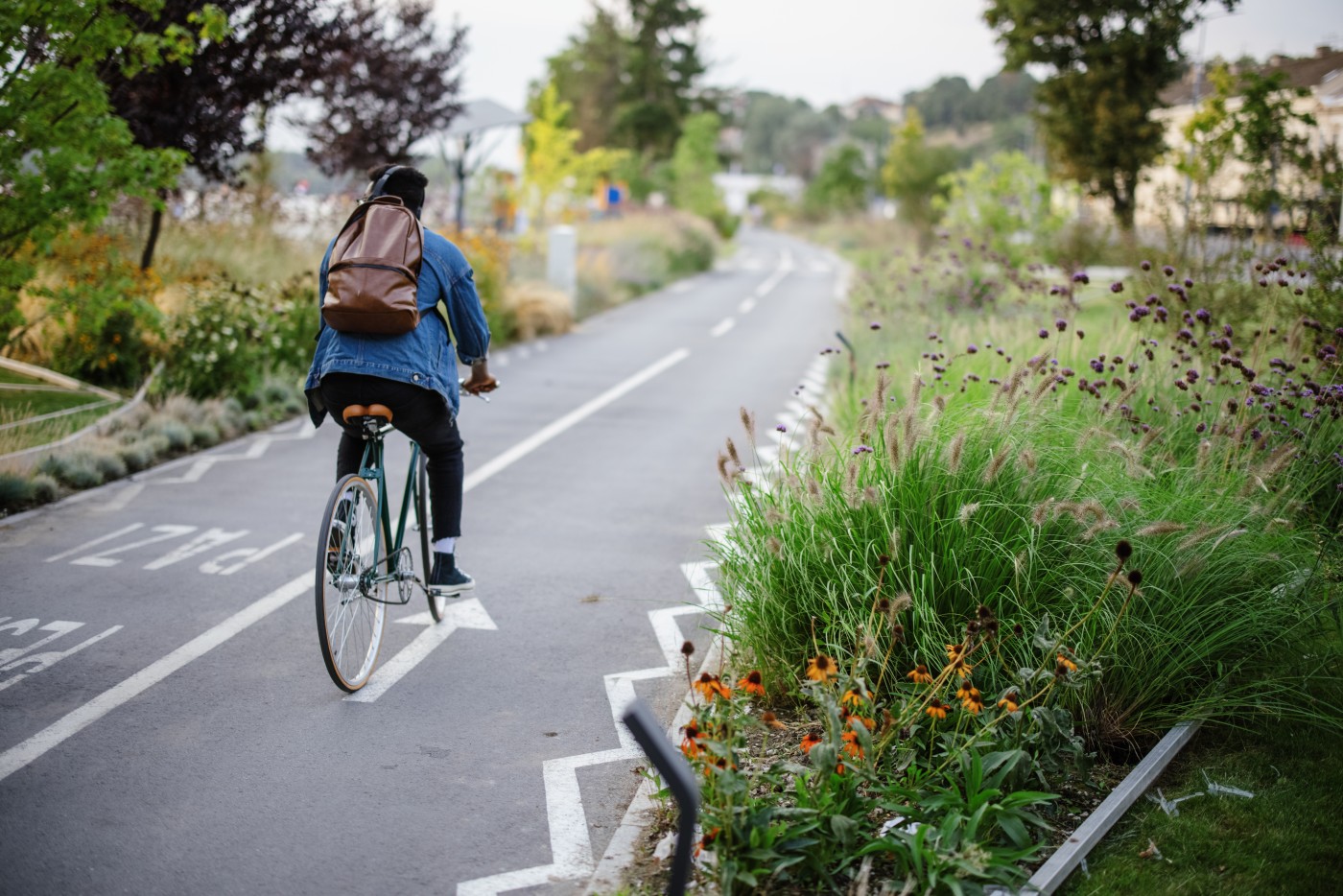
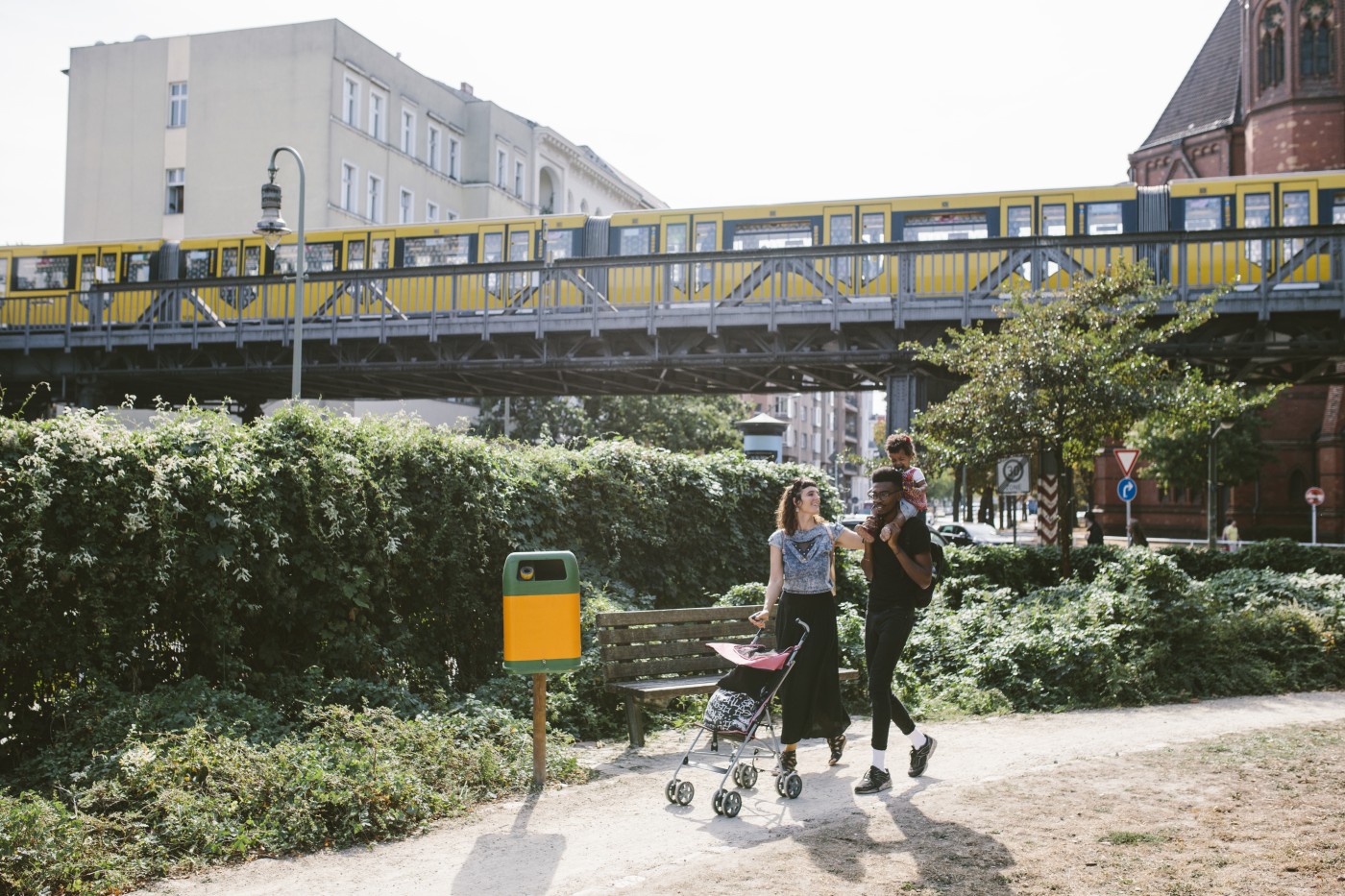
The urban commute can be daunting. Last year, Londoners spent a whopping 156 hours in traffic, more than anywhere else in the world. However, many other mostly European and North American cities are not far behind the British capital when it comes to traffic jams.8 The mobility alternatives, however, do not always look promising: bikes and cars sharing lanes, or overfilled public transport. Cities around the world are working towards making their transport system greener and more people‑friendly – expanding secure bike lanes and making the city more accessible to those from outside and within.9 But how to take a visual approach to inclusive and welcoming transportation in cities? Involve people in visual storytelling and show concrete ways they can make use of more sustainable transportation in the city. Show the emotional and health benefits that taking alternative means of transportation brings to the people and the infrastructure they can take advantage of.ditional body copy modules as needed

Cities built by everyone, for everyone
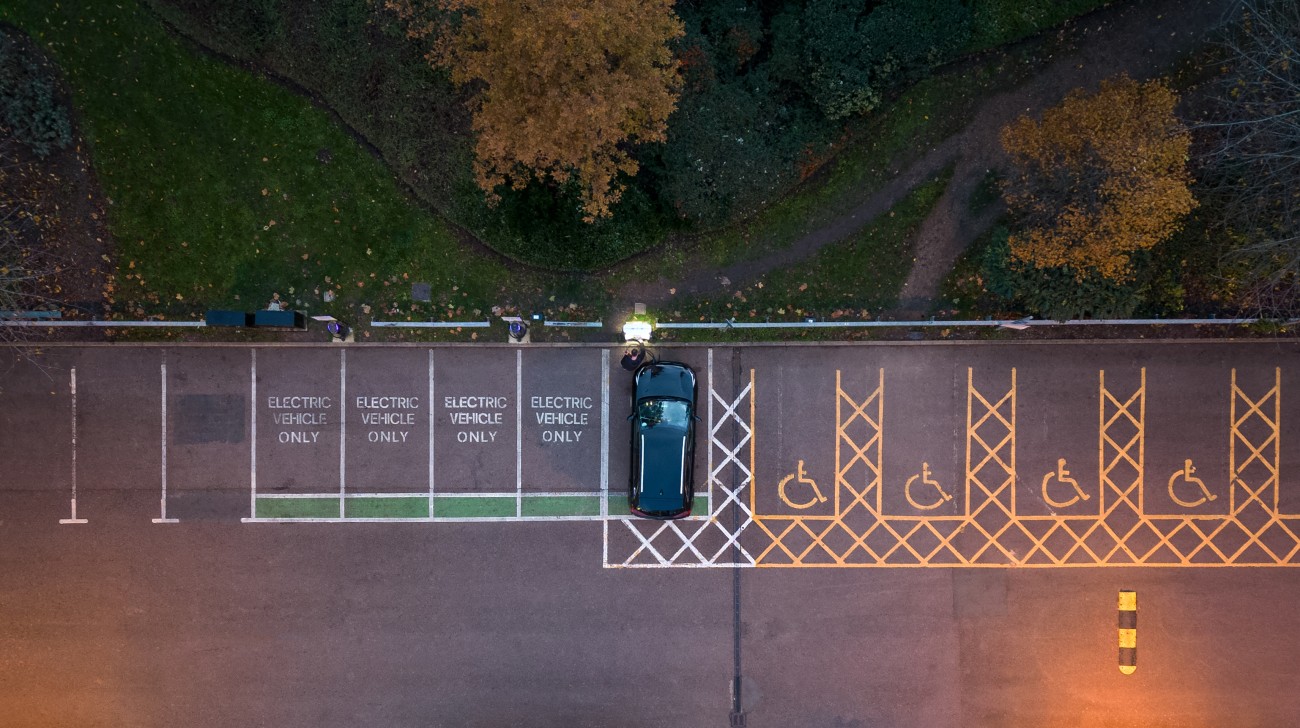
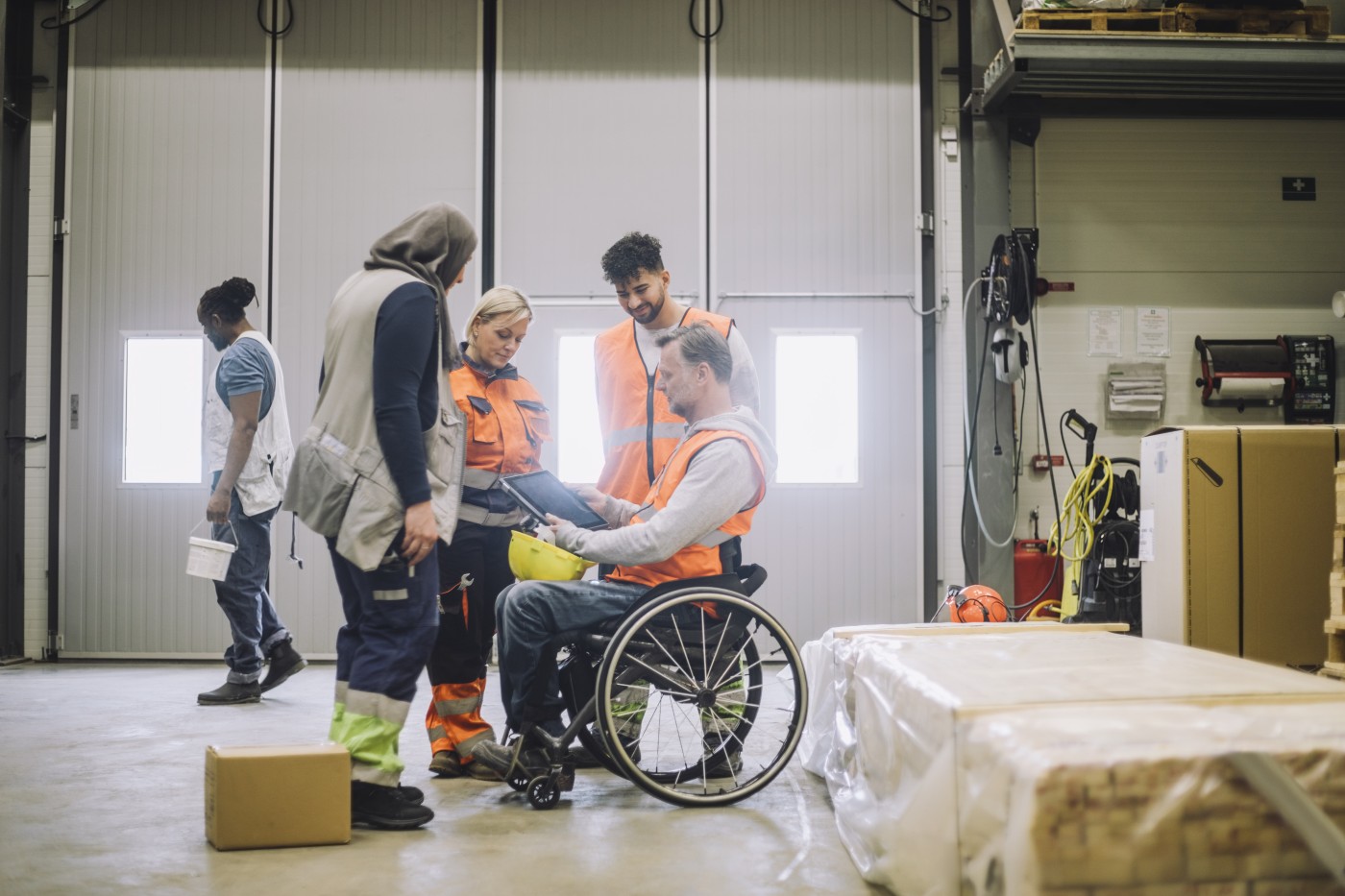
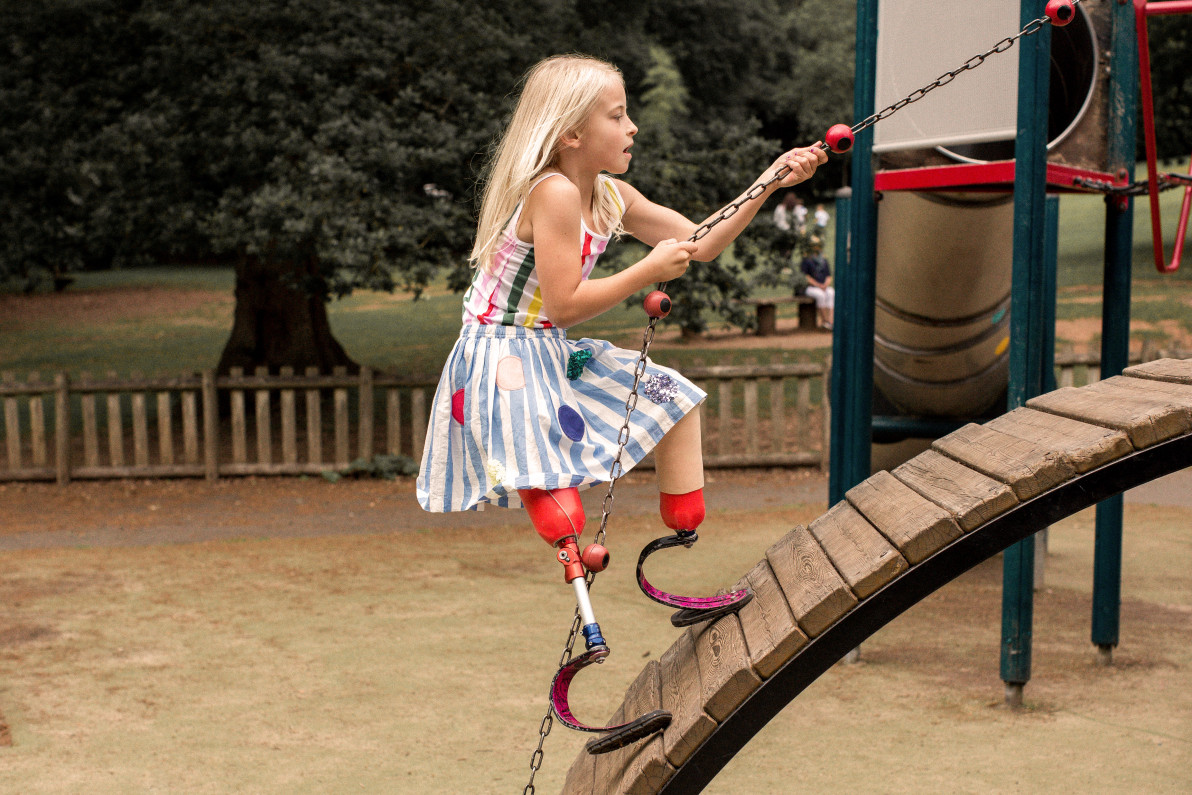
Cities have traditionally been planned by men, for heterosexual, able‑bodied, cis‑gender men – making the city space not equally accessible, enjoyable, and safe for everyone.10 Mobility is an important example of where one‑dimensional urban planning brings inequalities to light.11 This is reflected by the lack of disability representation in transportation visuals, where when seen, tends to focus on helping people with disabilities get in or out of a car.
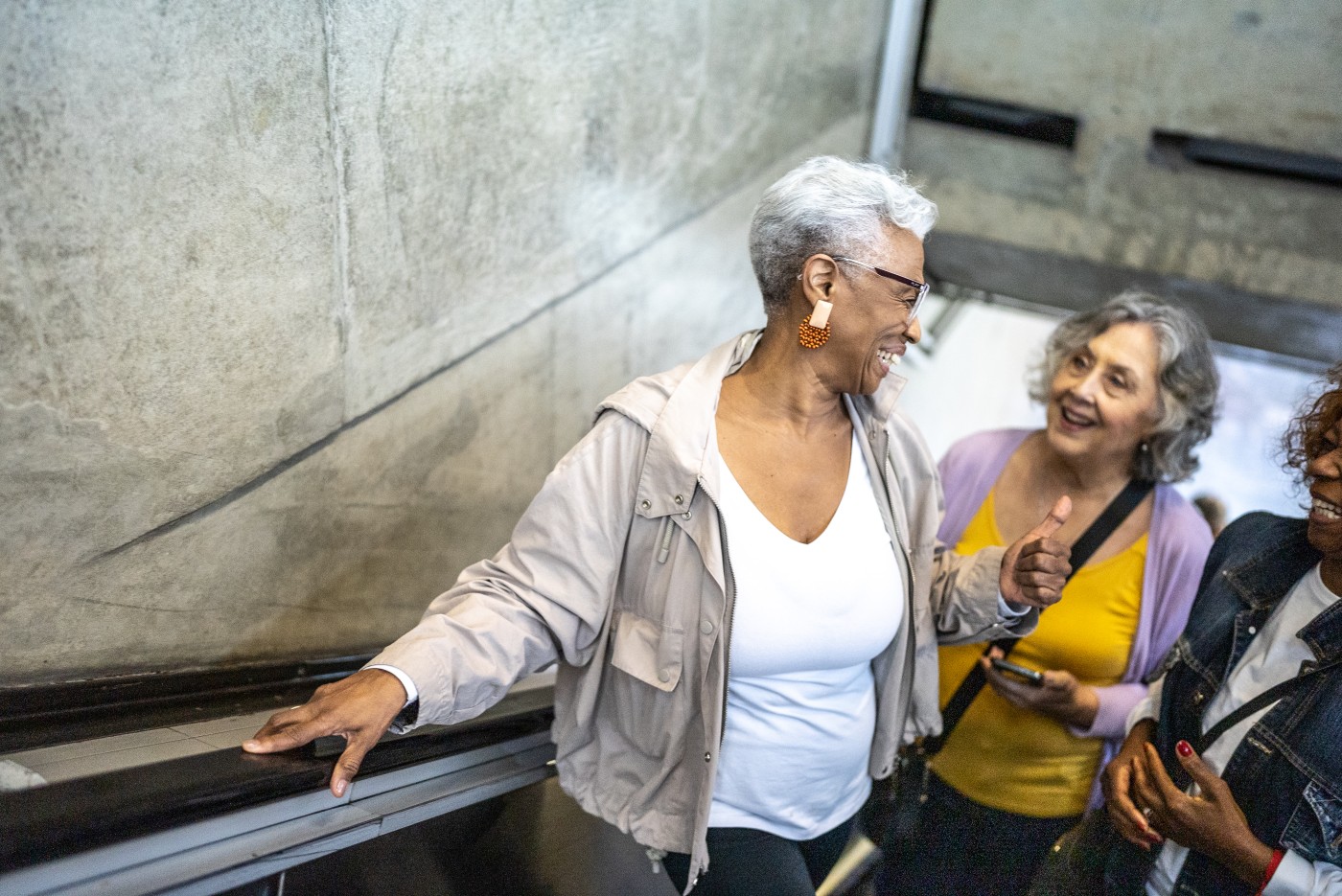
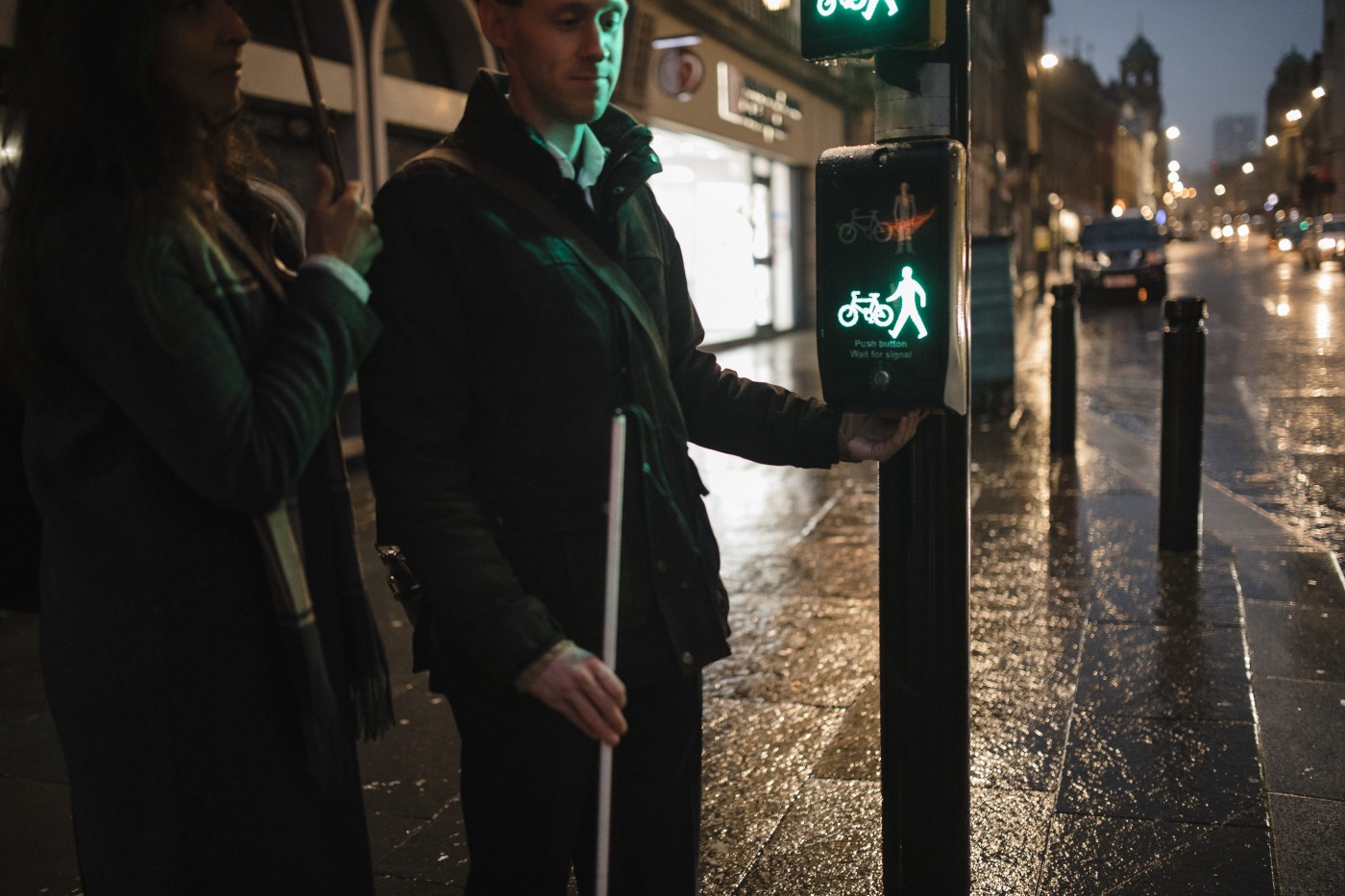
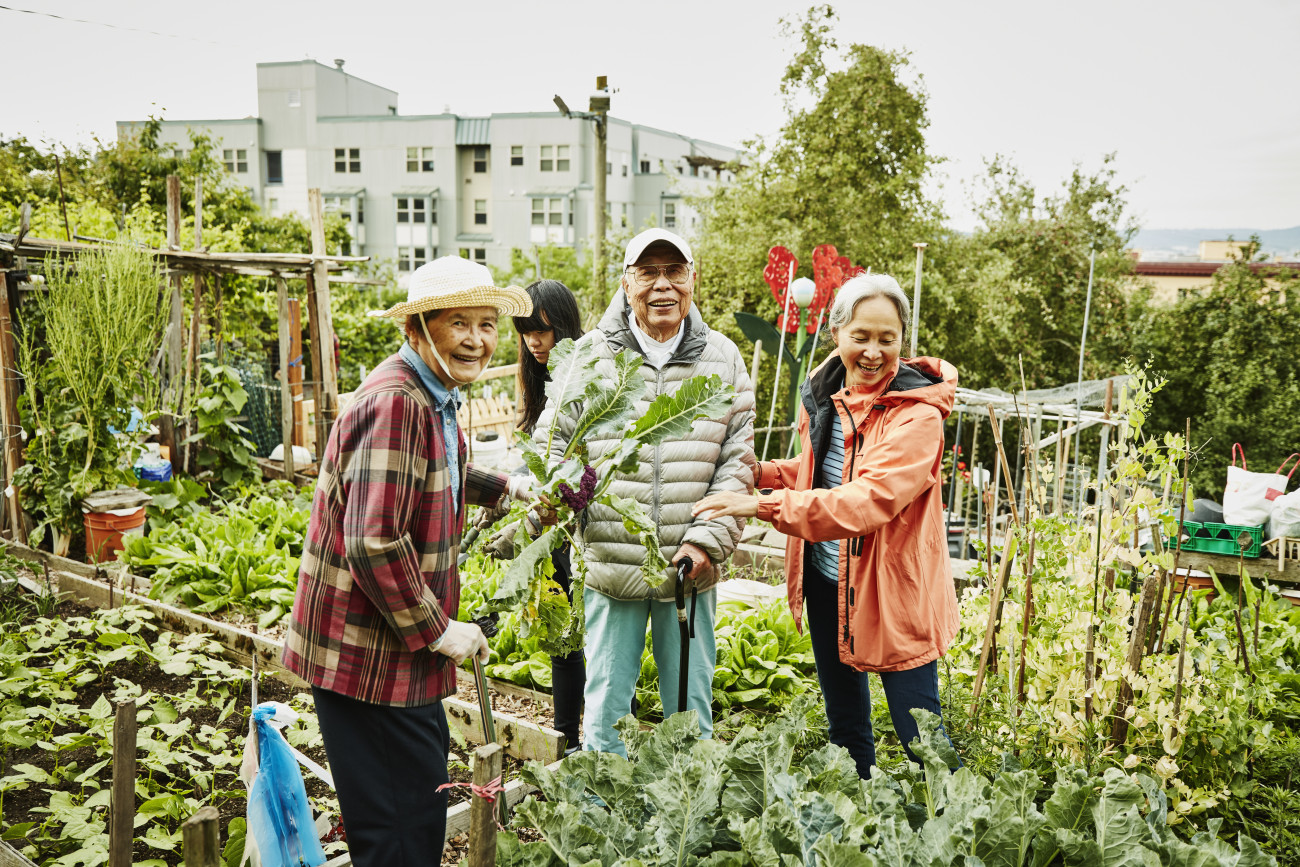
“Gender planning” addresses inequalities in the development of urban areas, taking not only a gendered perspective, as the term might suggest, but considering all people who use urban spaces.12 With this in mind, think about who you are representing in city life – from planning and construction to the use of the city space. Think about how women and other non‑cis‑male gender identities of all abilities and ages are involved in the design of urban spaces. Or how people with disabilities – and not only those that are mobility‑related – use public transport in different ways. From traffic‑free and ‑reduced zones to measures that enhance safe commuting,13 people have been claiming the city space for themselves, and the city space is being planned for their needs. Have you thought about showing the city as a place that welcomes everyone?


All article tags
WORKS CITED
1) United Nations
2) World Economic Forum
3) E.g., World Economic Forum, The Art Newspaper
4) Getty Images VisualGPS consumer survey across 25 countries in APAC, Europe, UAE, North America, Brazil and LATAM. Base: 7.000 adults aged 18‑65+ years. Survey conducted between 14 July ‑ 22 August 2022
5) UN Environment Programme
6) designboom
7) ArchDaily
8) INRIX 2022 Global Traffic Scorecard via Bloomberg
9) The New York Times
10) International Bank for Reconstruction and Development / The World Bank
11) Design Council
12) Süddeutsche Zeitung
13) Süddeutsche Zeitung
Related articles



Learn more about licensing with Getty Images and Stay Inspired!

Connect with our visual experts for more details

Subscribe to our newsletter