Automotive Visuals: Adapting to Change


The automotive industry has been, and continues to be, a cornerstone of the advertising industry. It’s also a reflection of what is important to society and economy at any given moment. From the emphasis of the Mini’s small size and cute character in crowded cities, to Honda’s engineering craft in the Cog, the history of automobile visual storytelling is not only about the romance of the road, but most of all, adapting to changing behaviours and environment. Getty Images’ VisualGPS research shows that the next opportunity for automotive visual storytelling lies in making sustainability honest, technology emotionally useful, representation more truthful and journeys more relatable.
Road to net zero
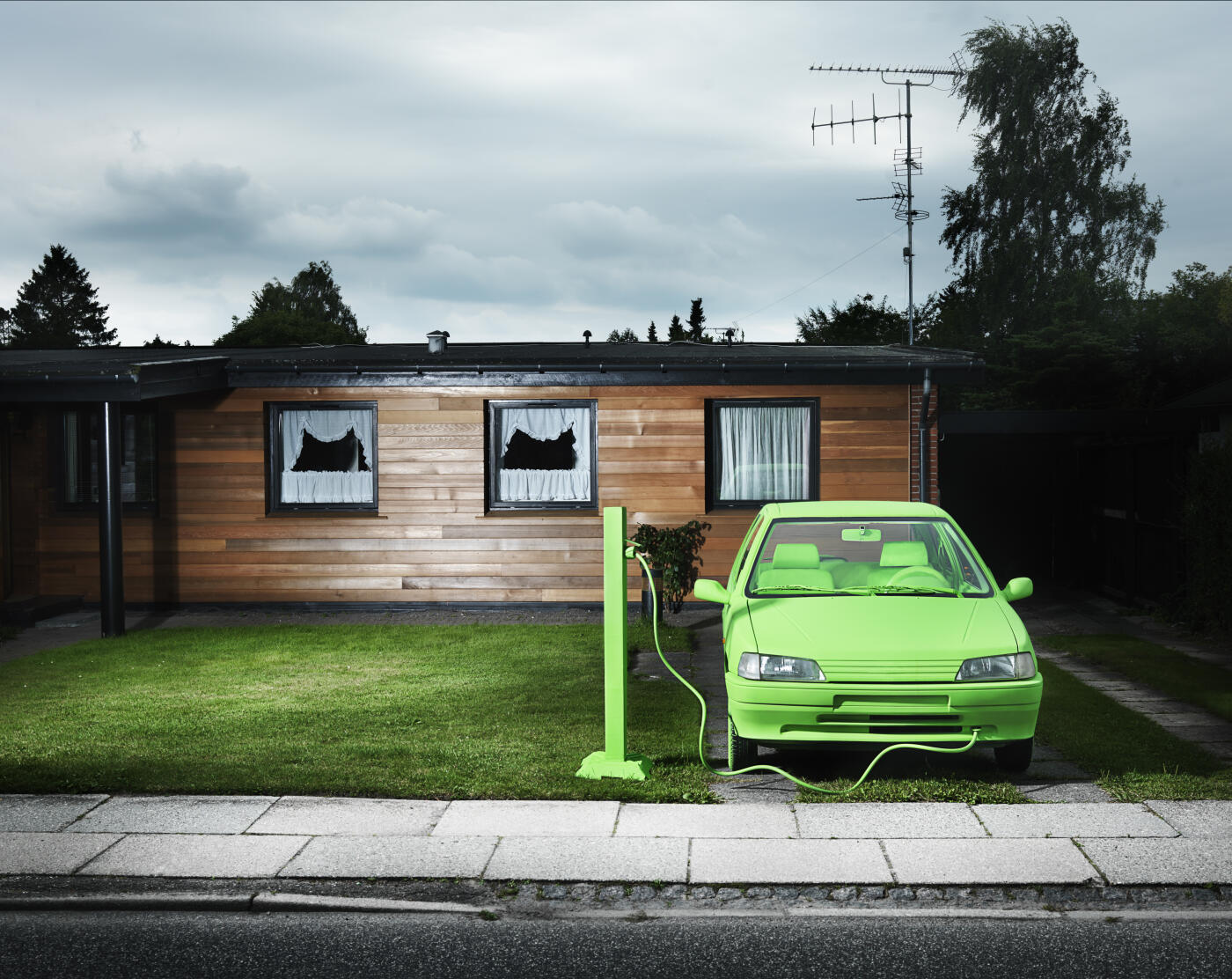
Sustainability remains important to European consumers, but vague claims are losing credibility. Getty Images' VisualGPS data shows that 80% believe it is important companies have sustainable guidelines and practices in place to demonstrate they care about more than profit. Yet, 79% believe products and services labelled as ‘green’ are a marketing ploy. Our VisualGPS research shows that sustainability appears in only 3% of visuals used by automotive brands. Automotive brands are not only underrepresenting sustainability, but when they do, it is full of visual clichés that risk credibility with their audiences.
These clichés include aerial views of green forests, or tight close‑ups of EV charging. However, consumers want to see more honesty: 59% of Europeans believe climate communications should show the consequences of inaction. Brands should show the full sustainability journey, from challenges, to progress—while pairing transparency with vibrant, educational visuals. Trust is not built by making sustainability look perfect, but making the efforts more visible, and honest.





The little big journeys
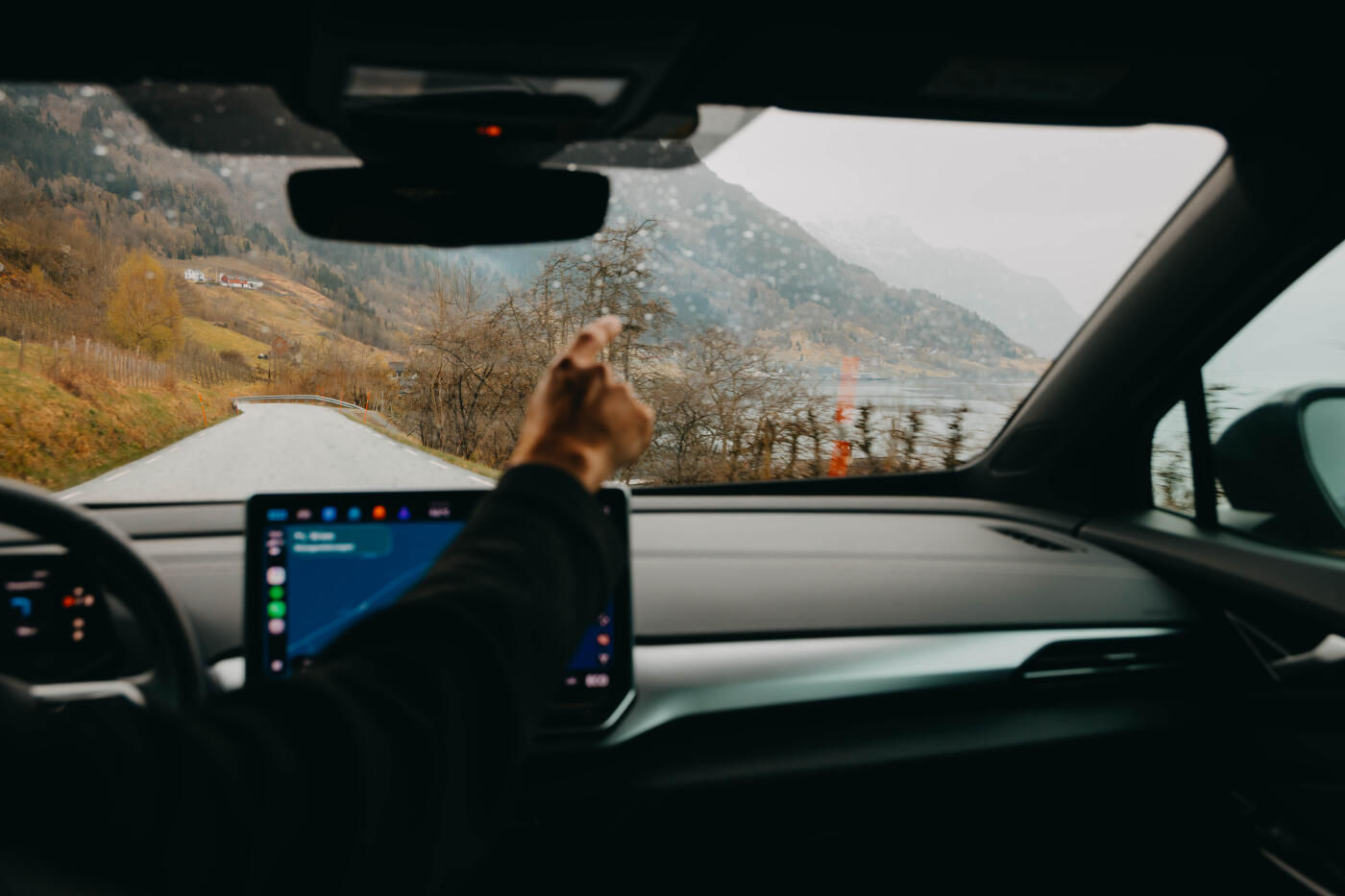
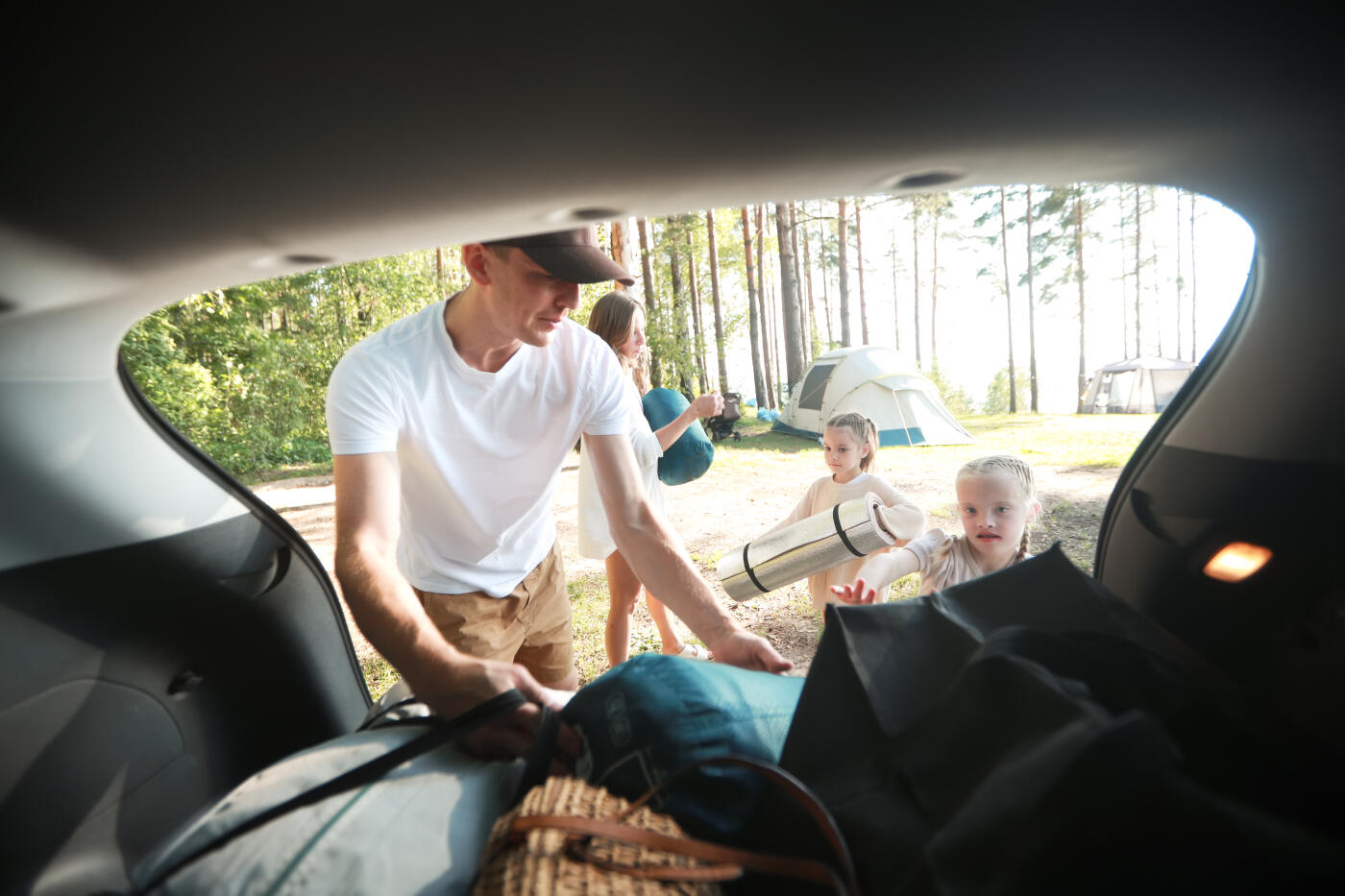
Journey as an enduring automotive concept is shifting with the zeitgeist. While 67% of Europeans feel anxious about the future, our Visuals GPS research also shows that small, everyday pleasures, time with loved ones and moments in nature are what draws them in. European consumers still want to escape, but the journey—and the experience of getting from A to B—looks different. Historically, automotive brands have expressed the journey concept through aerial views of roads and immersive vanishing points perspectives, turning the road itself into a symbol freedom and possibility. But this doesn't show what the journey brings. Trade journey spectacle for little joys on a journey: Roadside cafés and pauses, changing weather and unexpected views from the vehicle. Focus on people relationships and grounded, everyday experiences that include more meaningful detours. And don’t forget to add sensory details—window condensation, wind‑blown hair, ice cubes in cold drinks picked up at the drive‑in. Adding these sensory touches will make your visuals stand out from generic imagery.



AI‑powered transition
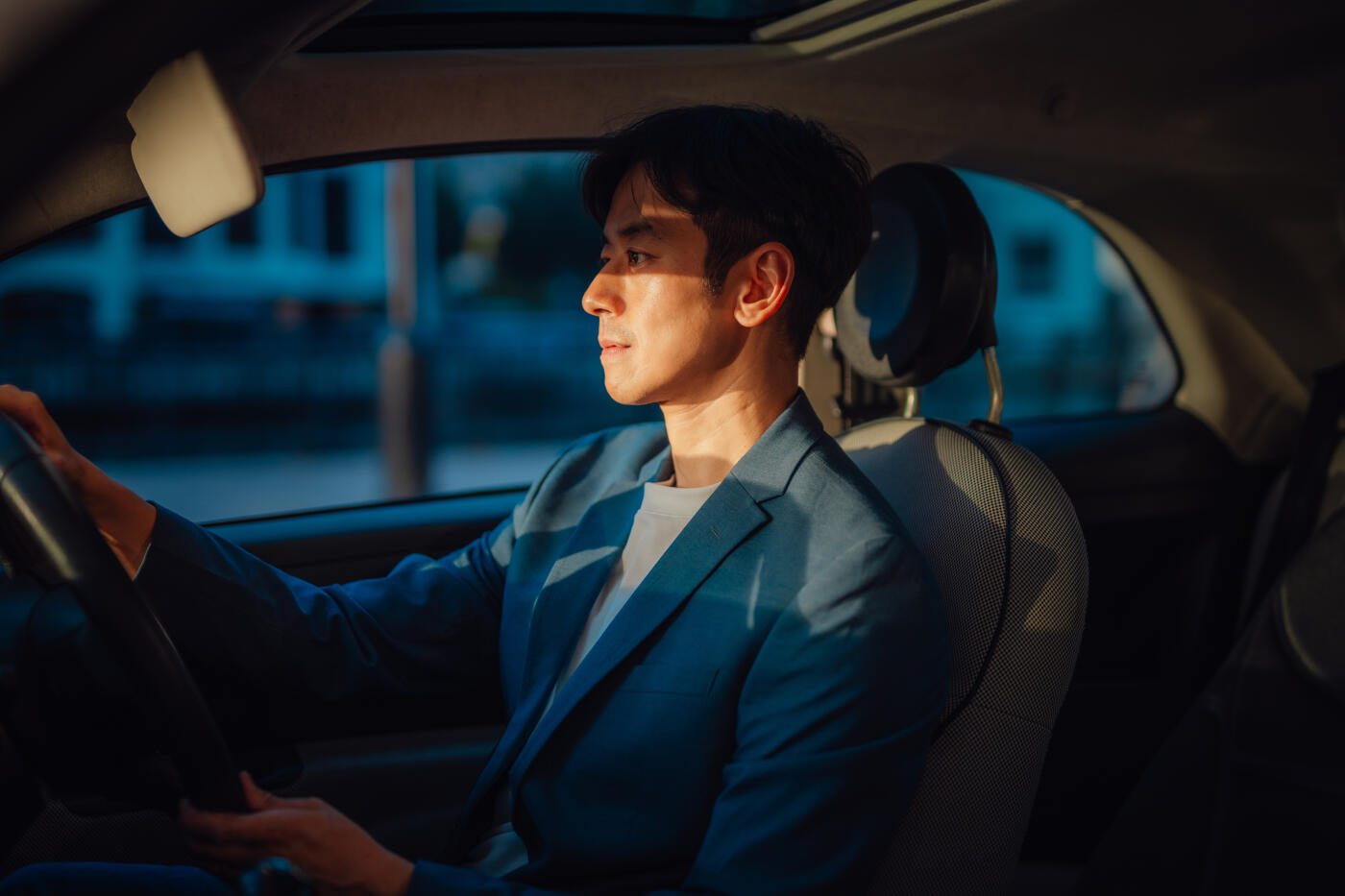
AI continues to rank among Europe’s strongest areas of visual interest, ranking 4th in top visual searches by automotive brands showing moves towards an AI‑defined future. In fact, 75% of auto industry executives say the software‑defined experience will be the core of brand value by 2035.1 Yet European consumers remain more cautious. While 79% are interested in AI‑supported cars, only 23% would pay extra for these functions.2 Image testing reveals all generations respond well to technology when it is humanised. However, younger generations are more open to conceptual imagery that sparks curiosity, while older audiences respond to stories of connection—technology bringing people closer rather than replacing human interaction. Showing the emotional benefits of AI in visuals helps technology to feel welcoming while using friendly, unexpected conceptual storytelling engages younger generations. Brands must shift from visualising AI as a part of sci‑fi future to presenting it as a meaningful co‑pilot.




The power of authenticity
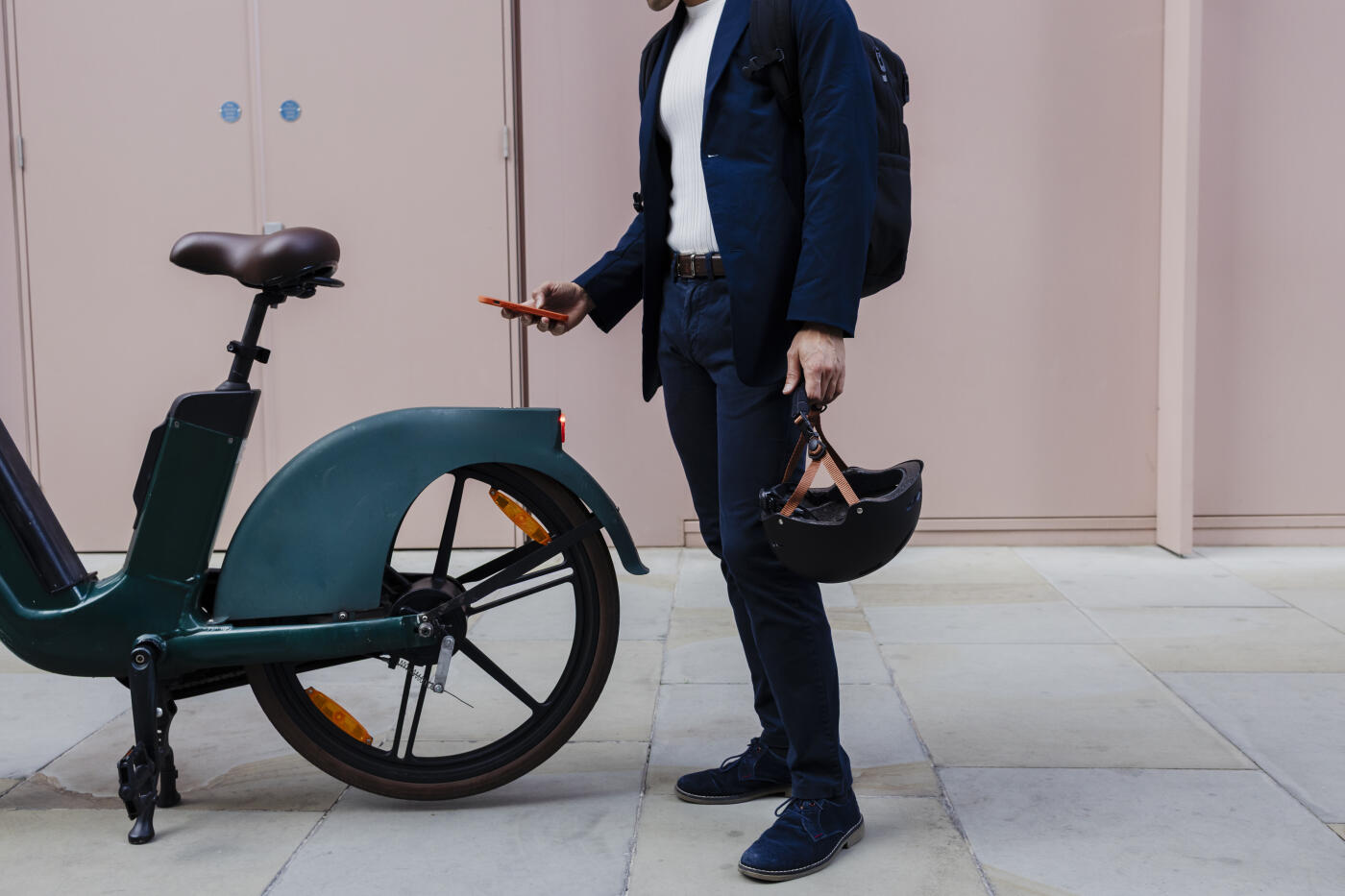
Authenticity in automotive continues to matter. 98% of consumers consider authentic images and video important for building trust. This matters even more in times of AI slop where VisualGPS research shows AI‑generated visuals are not easily accepted by automotive consumers. Audiences want to see real people, real expertise and access to how things are made. Volvo’s campaigns often take this approach, using longer formats to reveal the people behind its innovations, factories, safety testing and sales teams.3 While human‑centered storytelling in automotive visuals continues to grow, women in auto manufacturing, car users with disabilities and people from the LGBTQIA+ communities are little represented. Closing these visibility gaps and bringing people behind the scenes in documentary‑style storytelling helps increase trust in automotive brands.
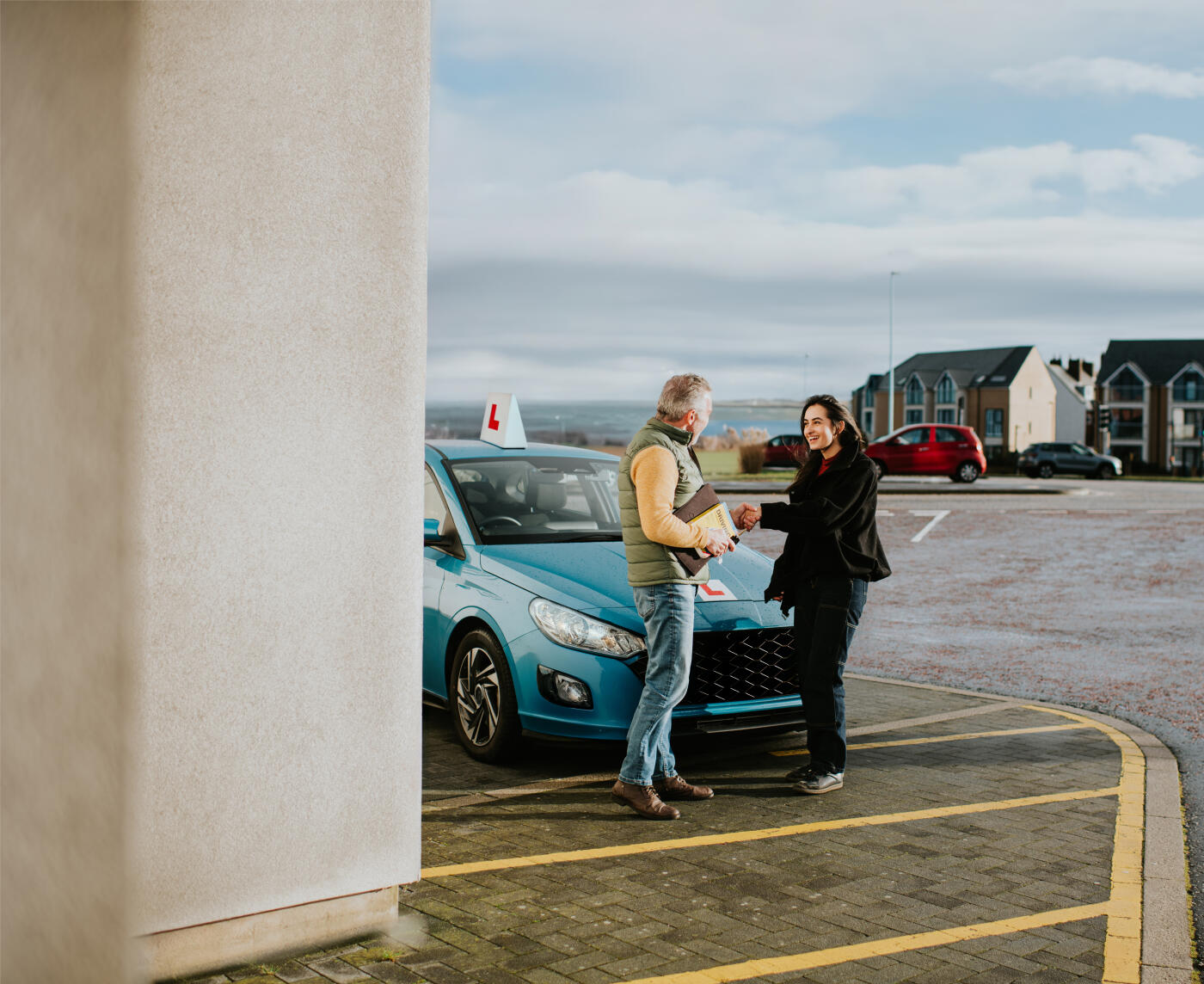
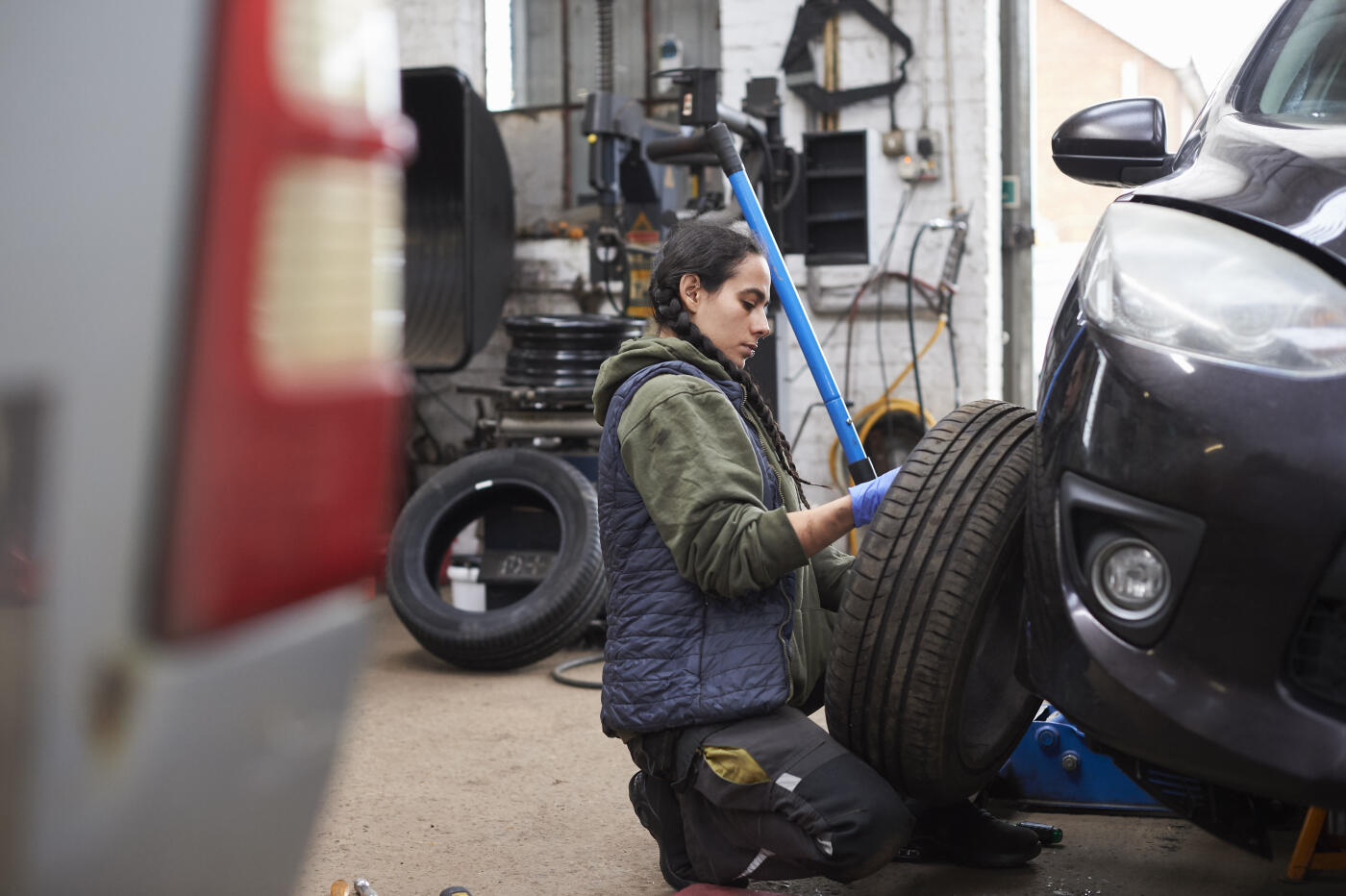
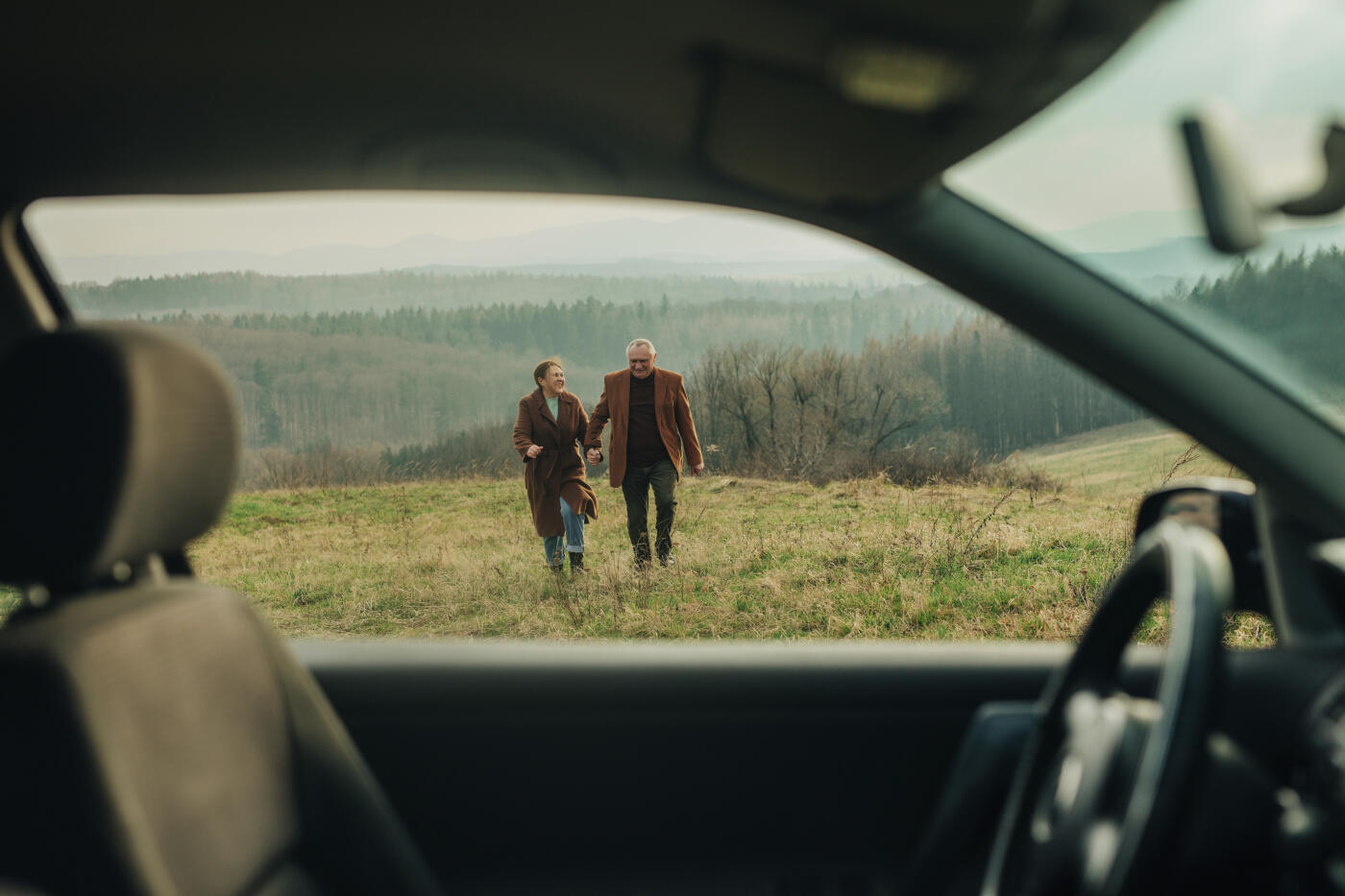
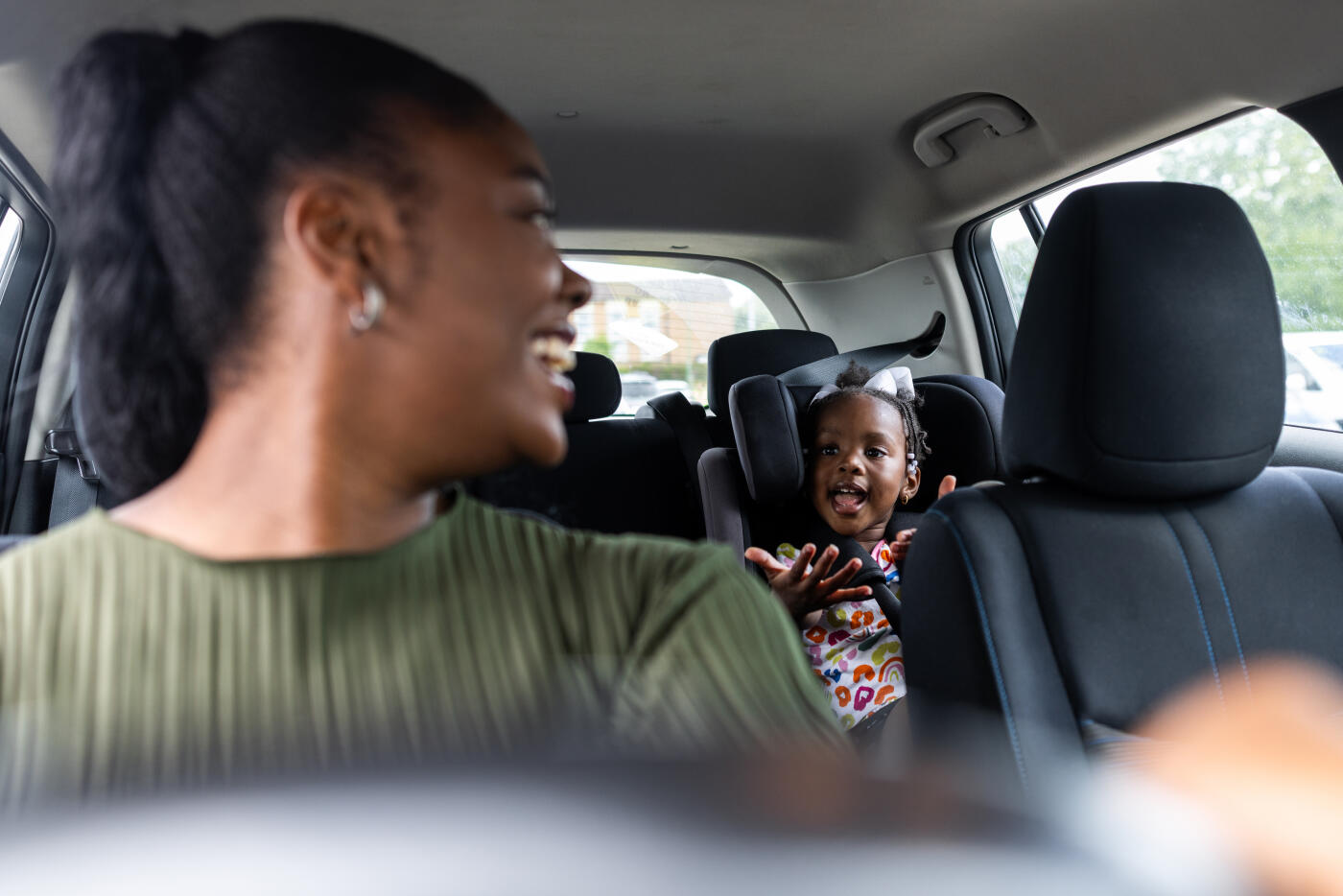

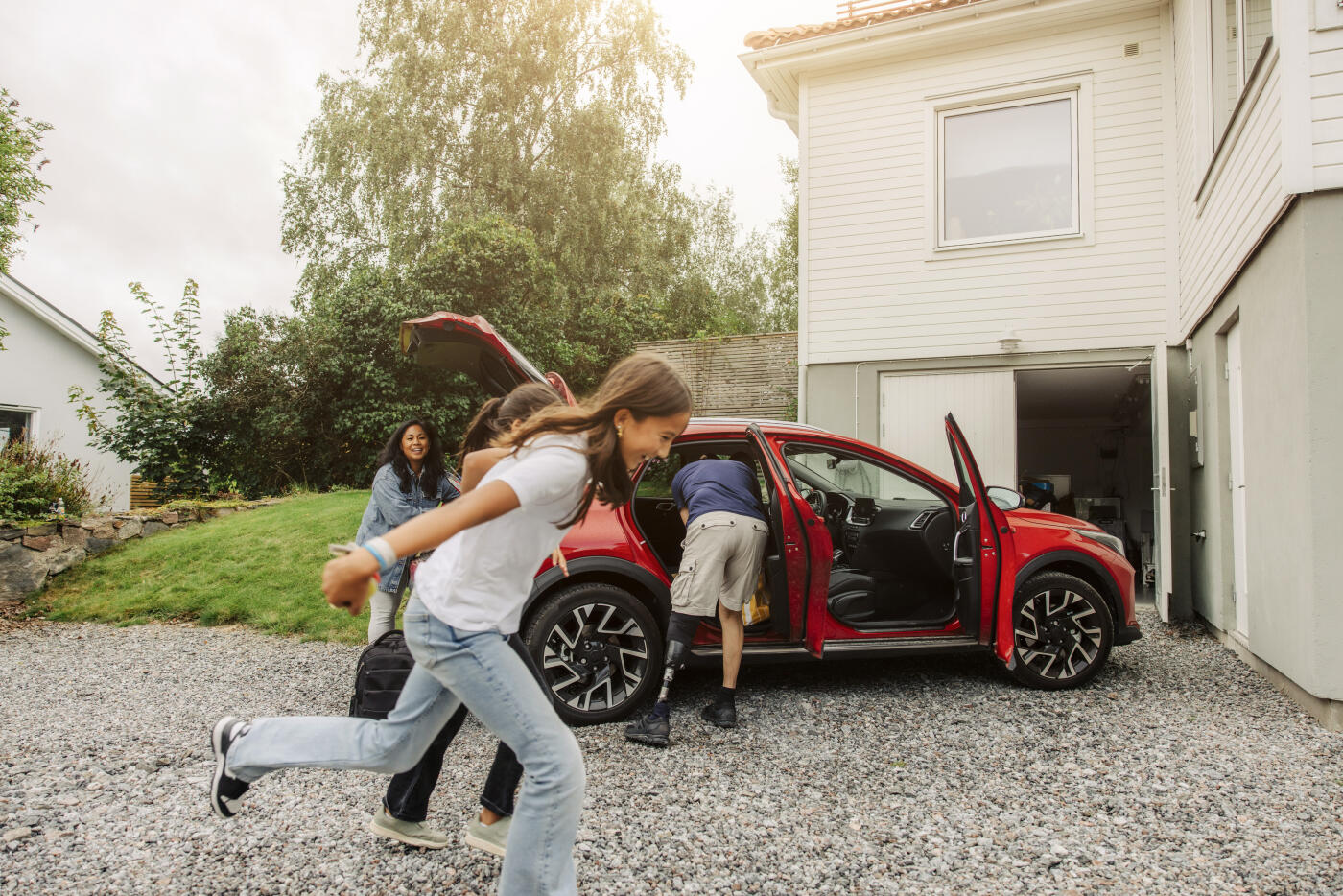

Together, these four stories reveal a broader shift in automotive communications: The brands that will stand out tomorrow are those that replace perfection with transparency, spectacle with relevance, technology with human benefit and representation with authenticity, creating deeper trust and stronger emotional connections with consumers.
All article tags
Sources
[1] IBM
[2] MHP
[3] Volvo, Creative Review
Related articles


Learn more about licensing with Getty Images and Stay Inspired!

Connect with our visual experts for more details