Non‑Alcoholic's Visual Reset


TABLE OF CONTENTS
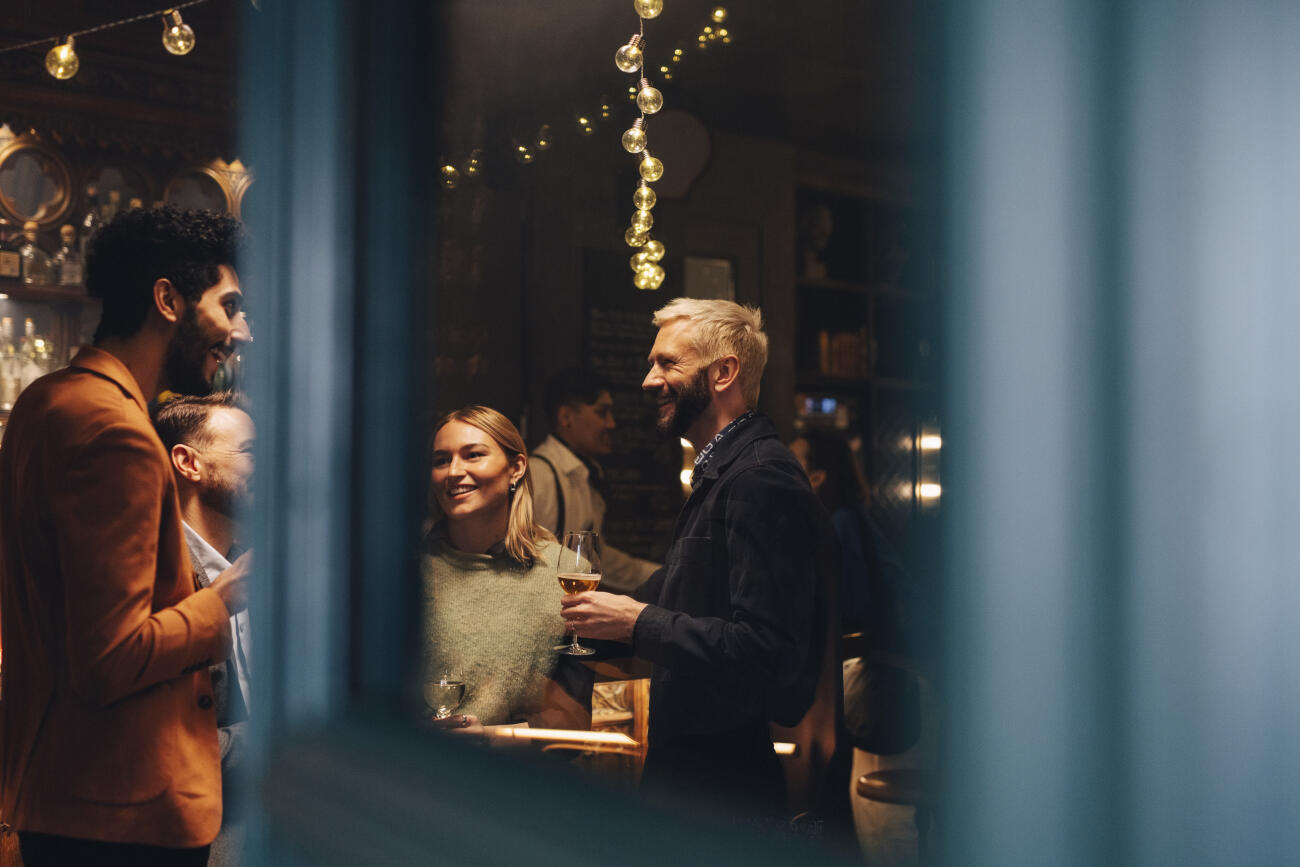
Alcohol‑free beverages are no longer a niche category, they’re going mainstream. Getty Images' VisualGPS shows that searches for “No Alcohol” visuals have grown by 322%. In this moment, visual strategy is not just a branding choice; it’s a market‑access advantage. Brands that move early can define what “non‑alcoholic” looks like for modern consumers—while others risk being perceived as late, generic or out of touch. So, how can brands shift visually to get ahead in the growing sober movement?
Consumer shift
Today’s buyers aren’t looking for a ‘substitute’. They are expanding what non‑alcoholic drinks mean. Consumers are expanding the occasions where a non‑alcoholic drink feels appropriate—during work nights, social catch‑ups, sports, entertainment spaces, etc. This matters because 92% of non‑alcoholic buyers also buy alcoholic drinks, signalling that it’s not about quitting but about expanding choices and social moments.1 With $925M in sales and +22% growth year‑over‑year, the category is on track to exceed $1B.2 The brands that clarify and inspire ‘what non‑alcoholic is for’ visually will own this space as it rapidly grows.
Visual evolution
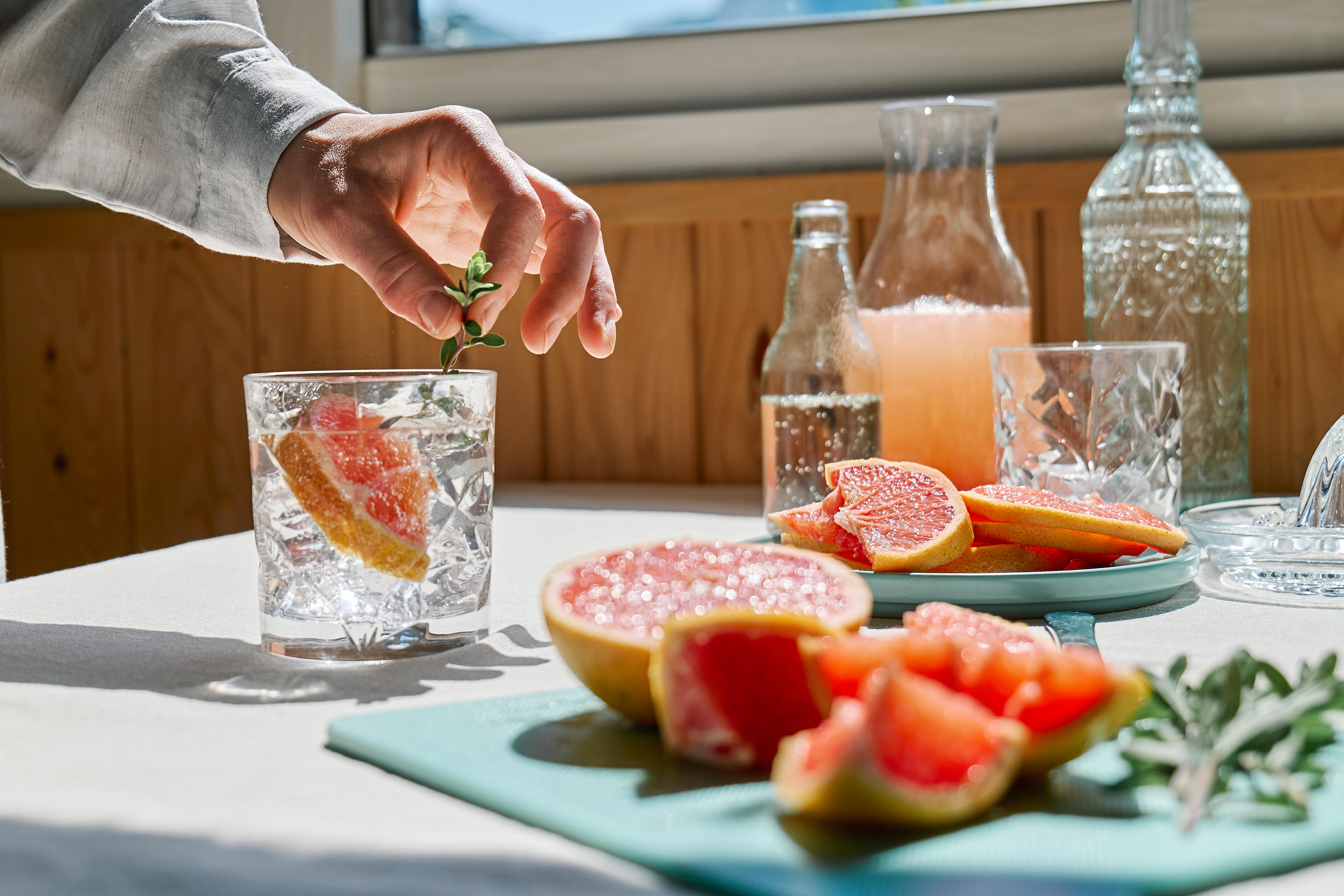
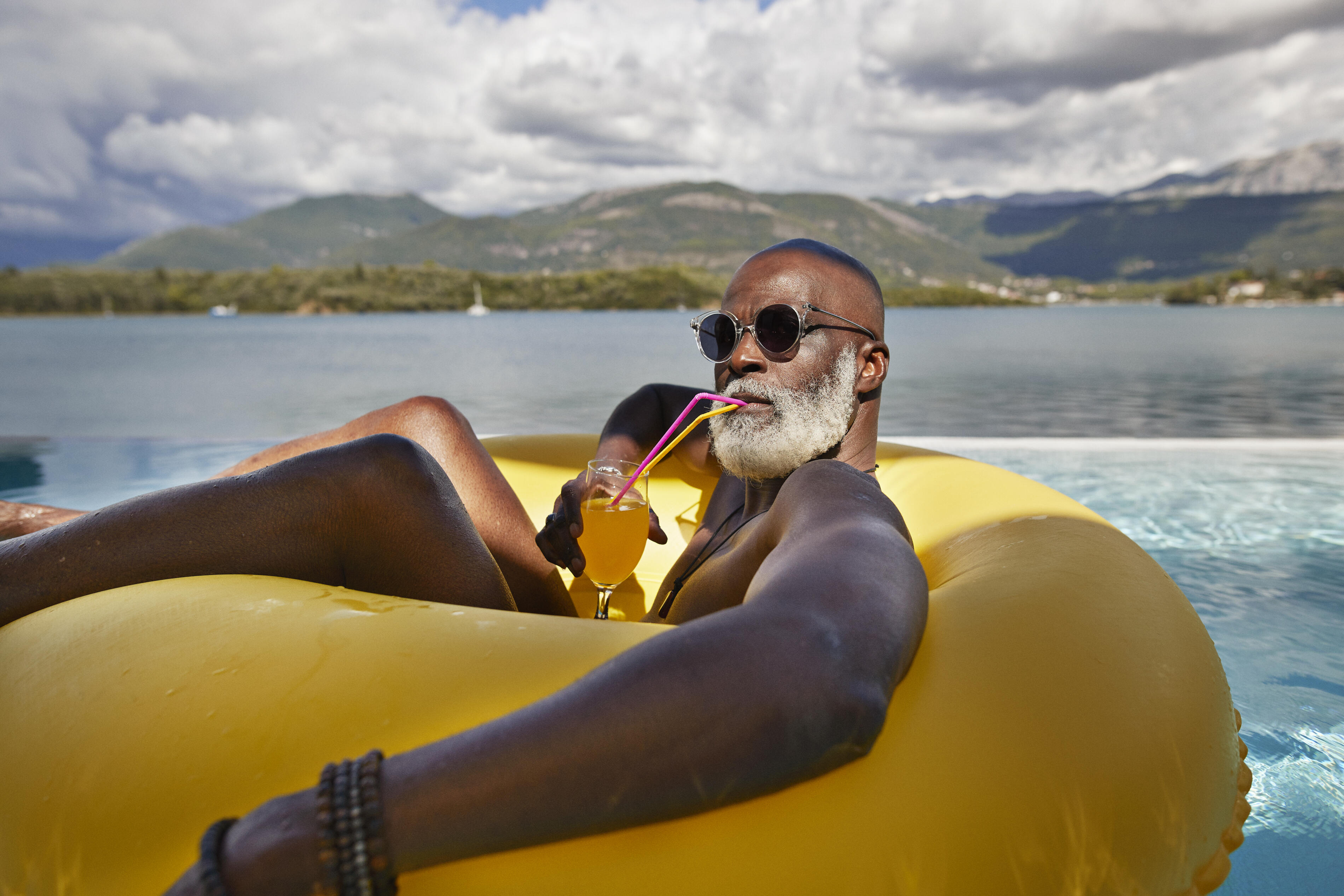
Historically, alcohol‑free drinks were often presented as functional, bland or quietly targeted at people who couldn't drink (like pregnant women or drivers). Today, non‑alcoholic campaigns often look the opposite: Ultra‑premium, artistic and deeply rebellious. For example, Ghia borrows from aperitivo culture,3 while Kin Euphorics from psychedelic futurism.4 Liquid Death is known for anti‑establishment codes.5 These examples show that moderation doesn’t have to look muted. It can be bold and at the heart of culture. It is a choice with taste, attitude and atmosphere. On the other extreme, some brands rely on visual mimicry of alcohol brands with the same cans, same bar settings with only subtle small cues such as the 0.0 label or gentle colour shift. This can reinforce the idea that no‑alcohol is a near replacement rather than its own experience. If your visuals only signal ‘less’ instead of showing ‘more of the moment’, you may cap your ability to earn interest beyond already‑converted consumers.
What brands should do
Our VisualGPS research indicates that consumers are less receptive to product‑led visuals from FMCG brands. Instead, audiences respond better to creative that shows the product’s benefits for consumers’ lives—the moments that matter. Brands that strategically build visuals around occasion, belonging, culture and presence will best connect with evolving audiences.
- Put the moment on screen first, then let the product earn its spot. Build your visual story around rituals, meaning and how your drink fits the occasion.
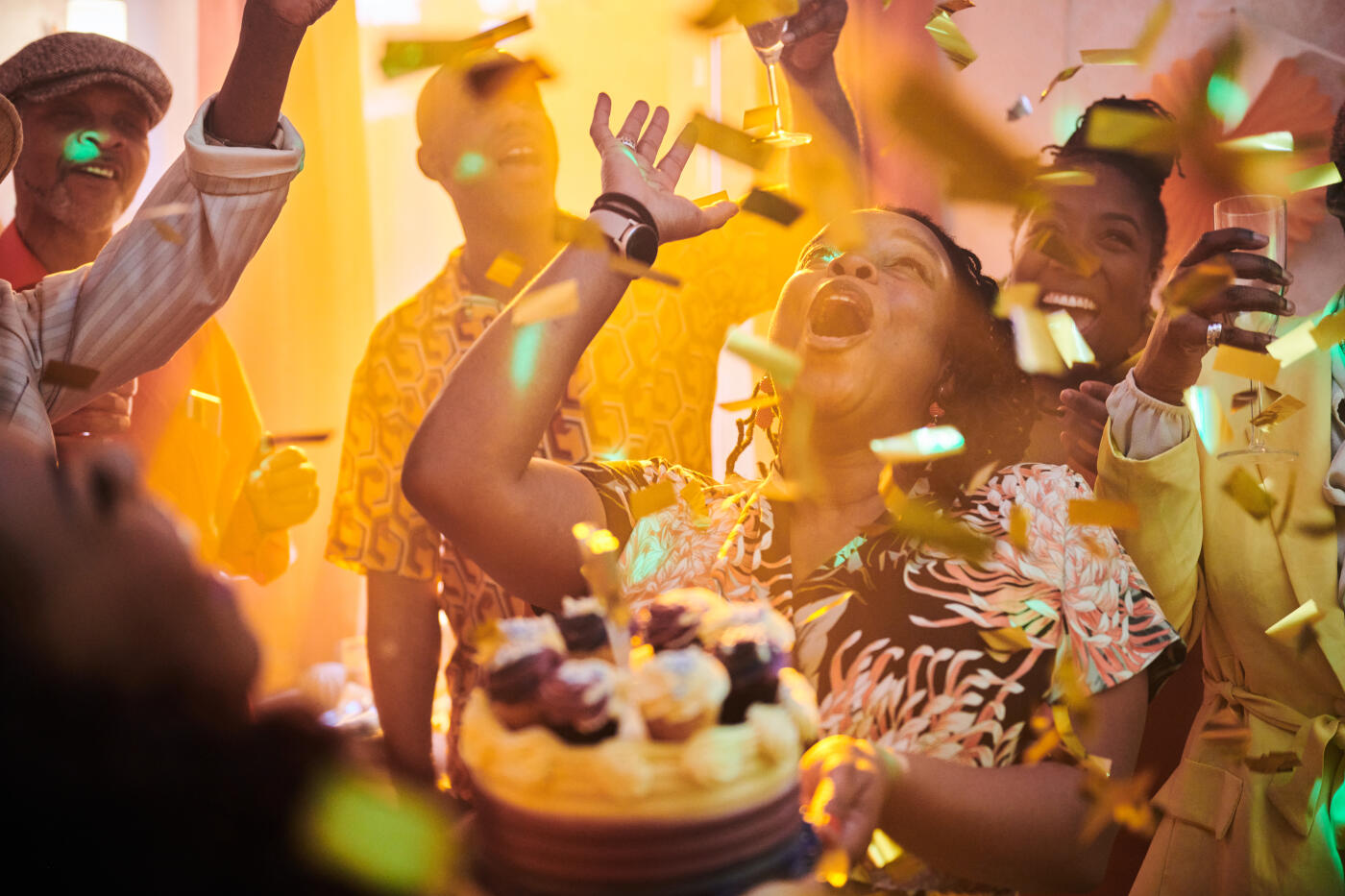
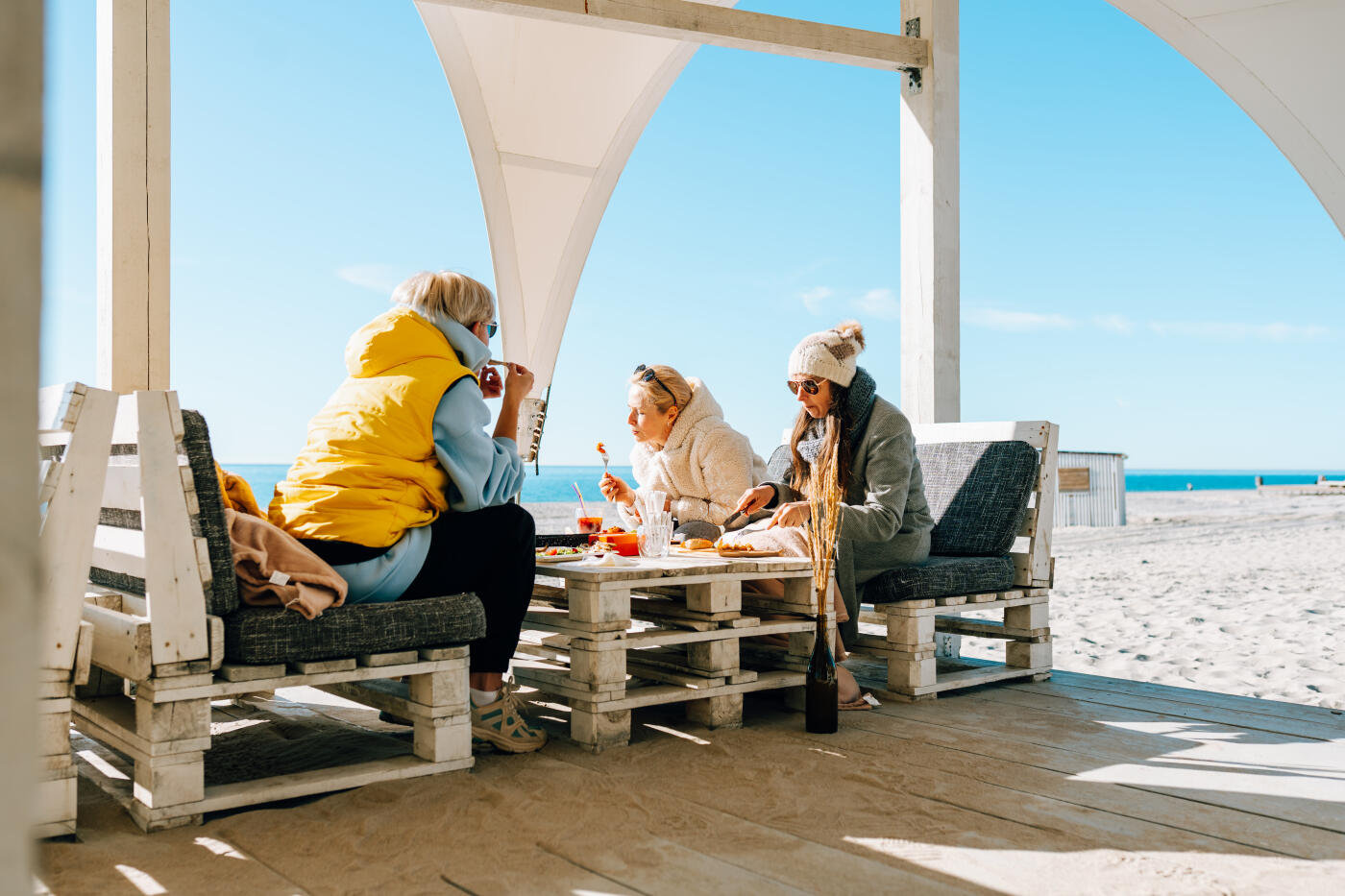
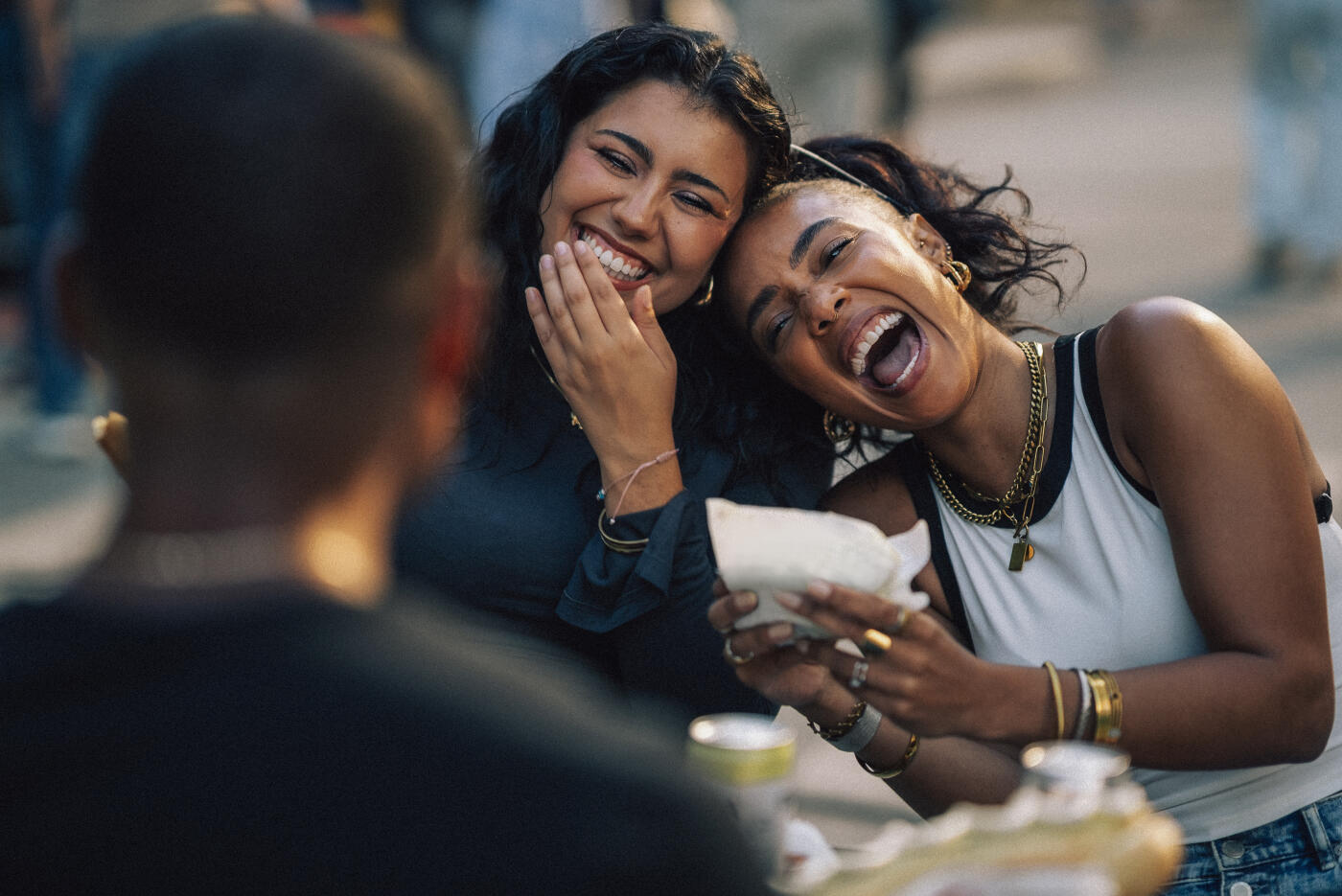
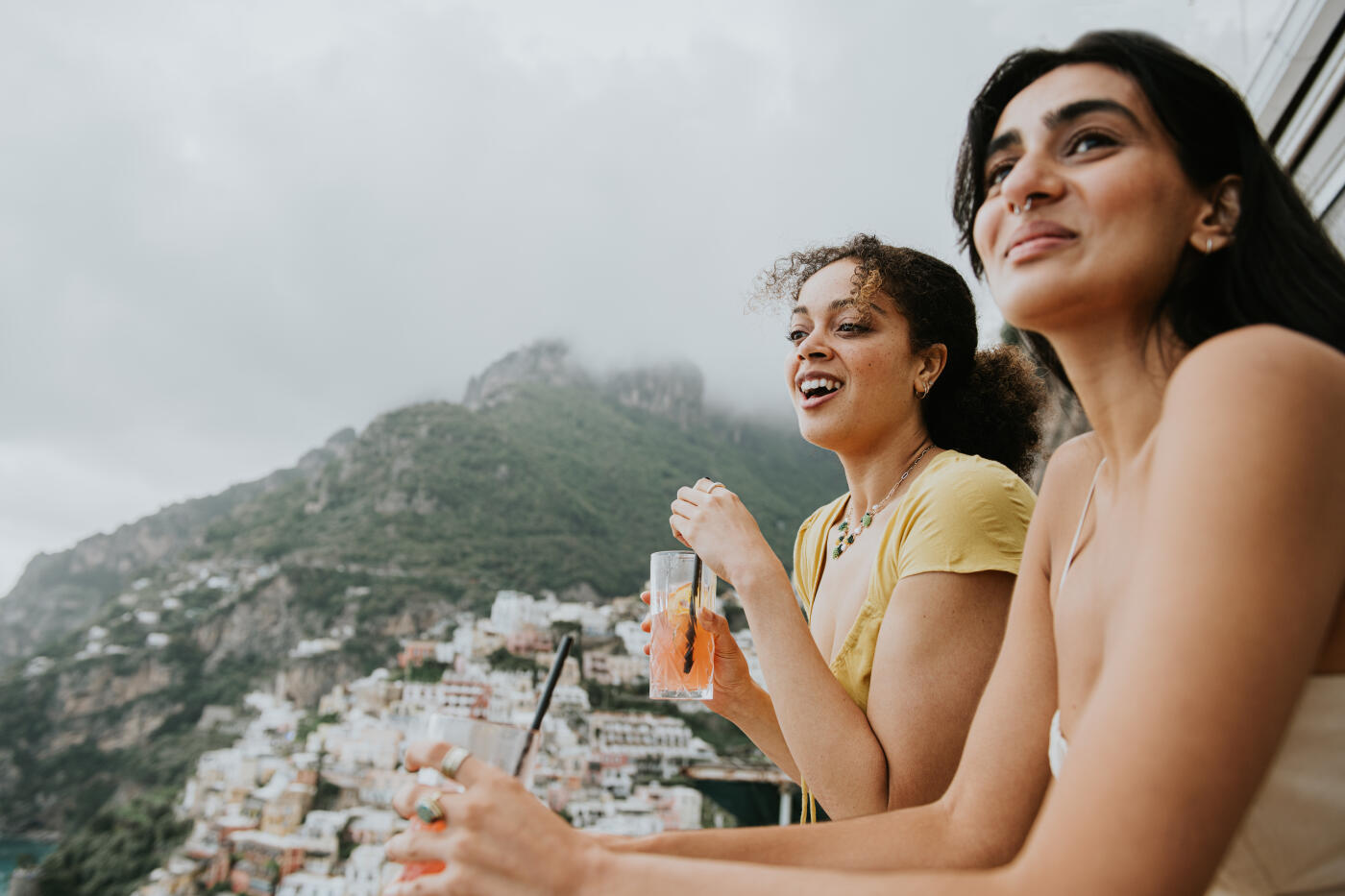
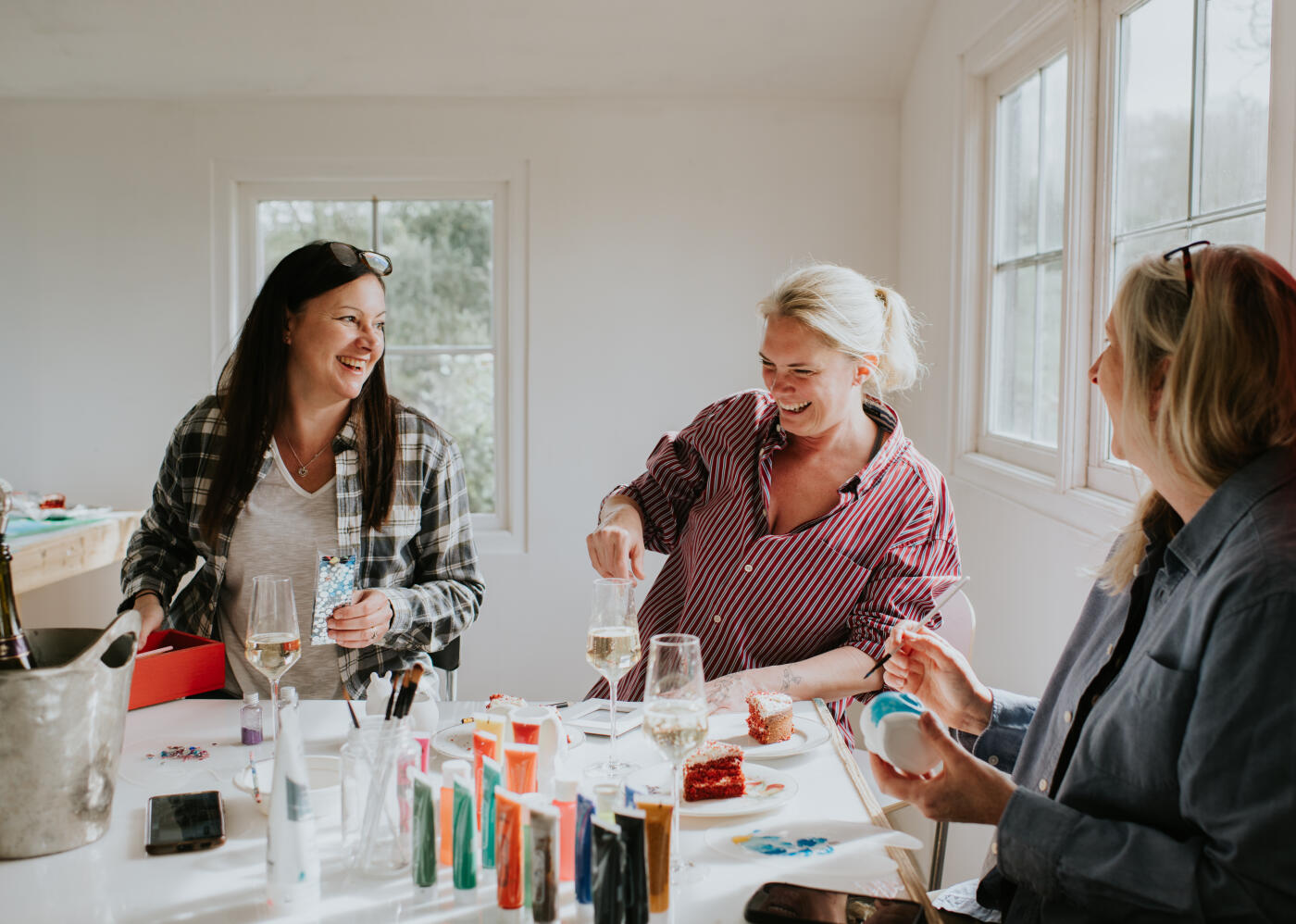
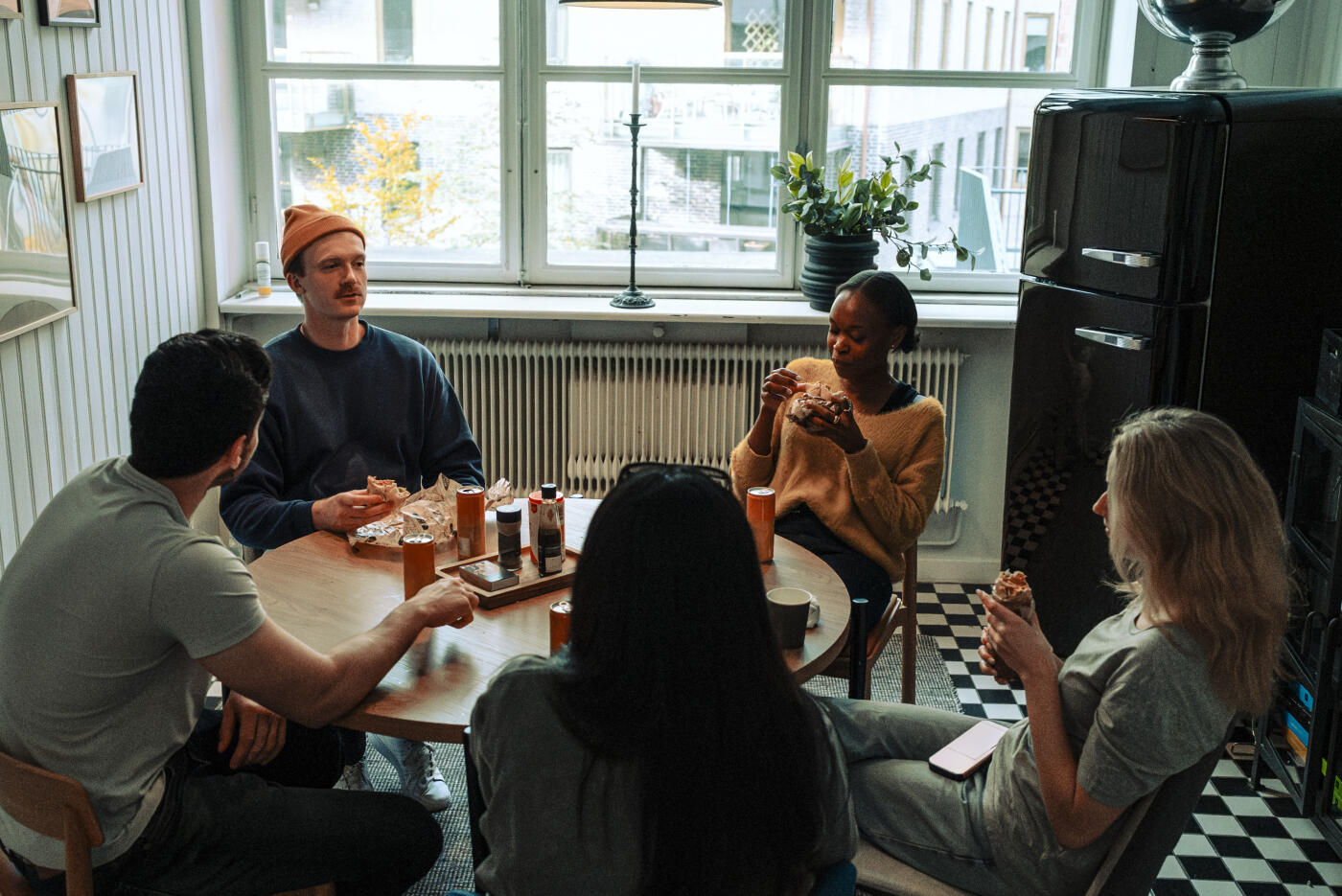
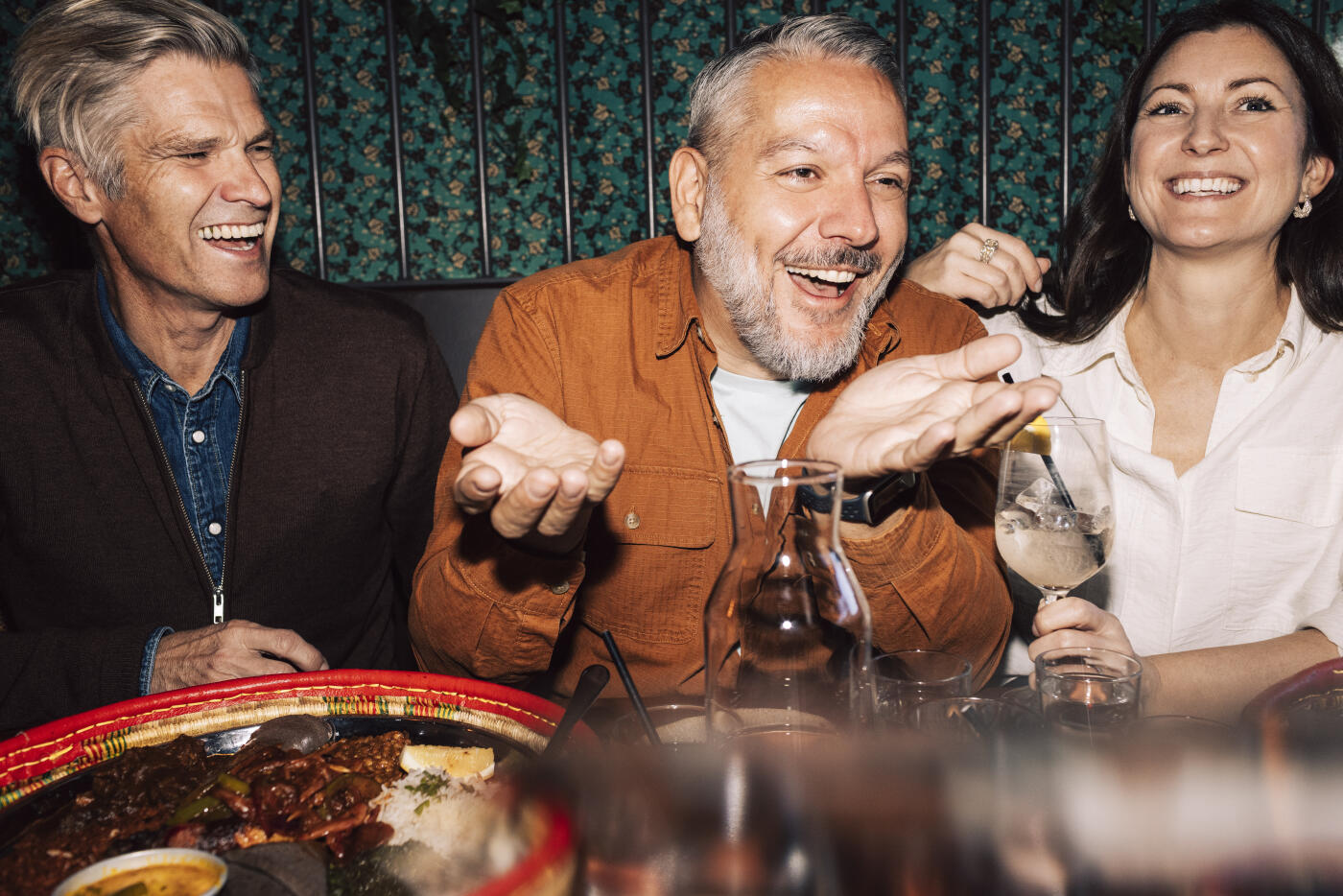
- Show belonging, not solitude. Modern no‑alcohol is about expanding social life—so shoot from inside the group: Over‑the‑shoulder angles, rack‑focus moments and at‑the‑table perspectives.
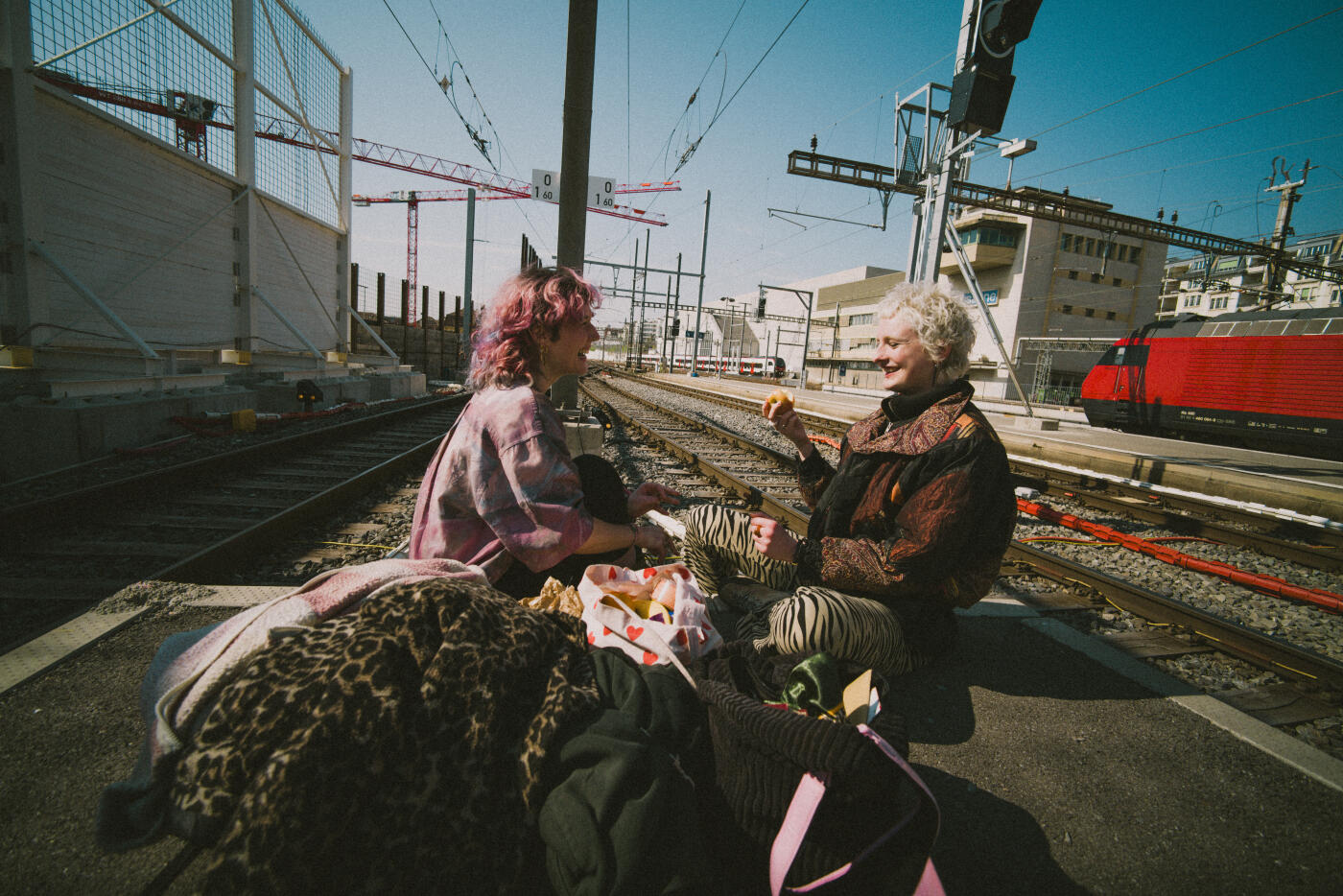
- Bring a sensory lens. Use warm, film‑grain stills and rich light‑and‑shadow contrast to create a premium, intentional experience. No‑alcohol becomes a choice, never a compromise.
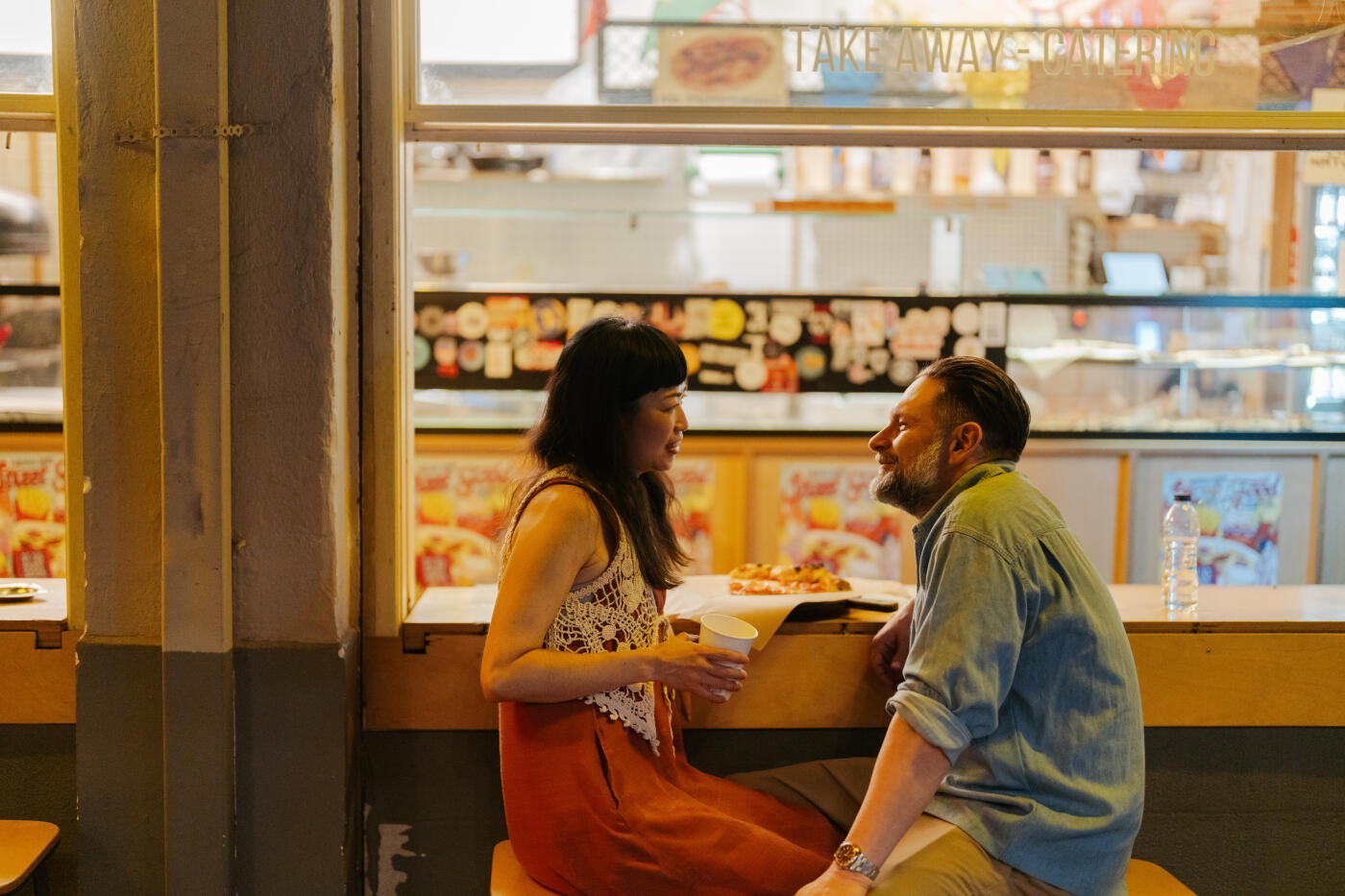
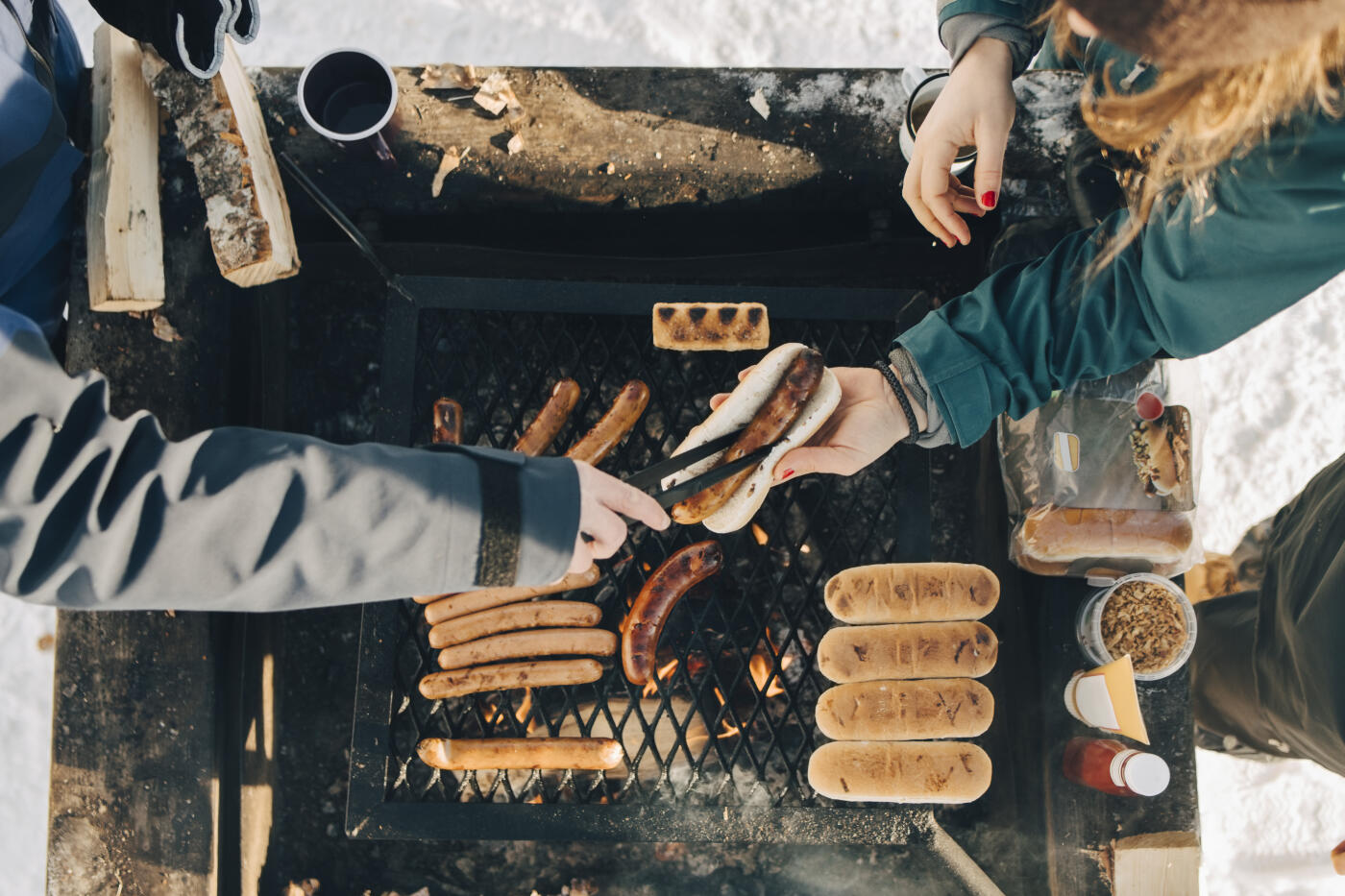
- Go messy and real. A little blurry, slightly off‑frame, with foreground obstructions. Capture togetherness the way life actually happens. It keeps things spontaneous, relatable and away from the 'too perfect to be true' commercial look.

All article tags
Sources
[1] NIQ
[2] NIQ
[3] Ghia
[4] Kin Euphorics
[5] Liquid Death
Related articles


Learn more about licensing with Getty Images and Stay Inspired!

Connect with our visual experts for more details

Subscribe to our newsletter