The A Doesn’t Stand for ‘Alone’:
Rethinking AAPI Representation This Month and Beyond

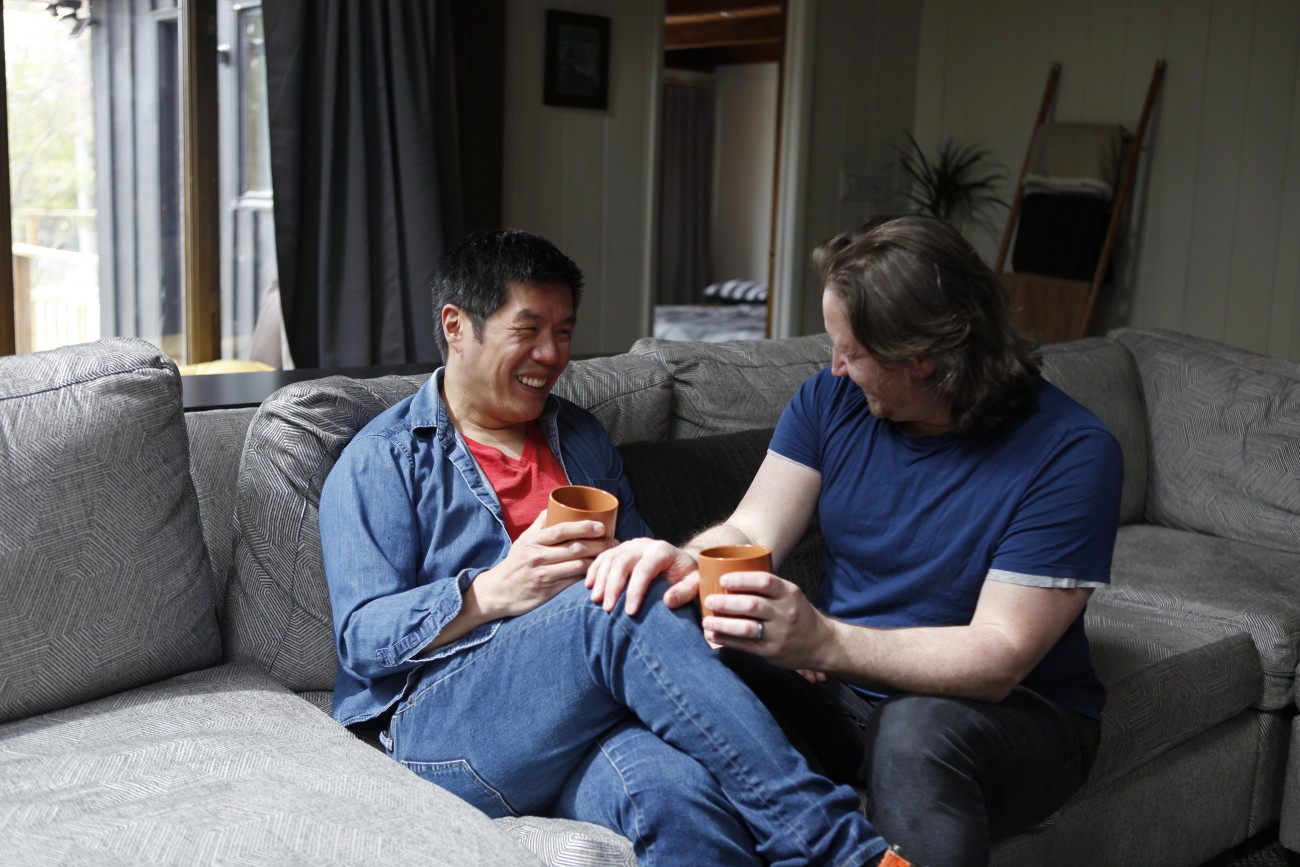
What happens after Everything, Everywhere, All at Once?
Unfortunately, nothing.
2024 saw a promising increase of interest in Americans who are AAPI (Asian American Pacific Islander) as Getty Images’ VisualGPS found that searches for “AAPI” jumped up 63% from the previous year. But despite the interest in improving representation, progress remains stilted.
The problem isn’t about the numbers. In fact, most POC groups tend to be over‑represented in brand visuals compared to their population proportions. How Asian Americans are often portrayed, however, tells a more fragmented story.
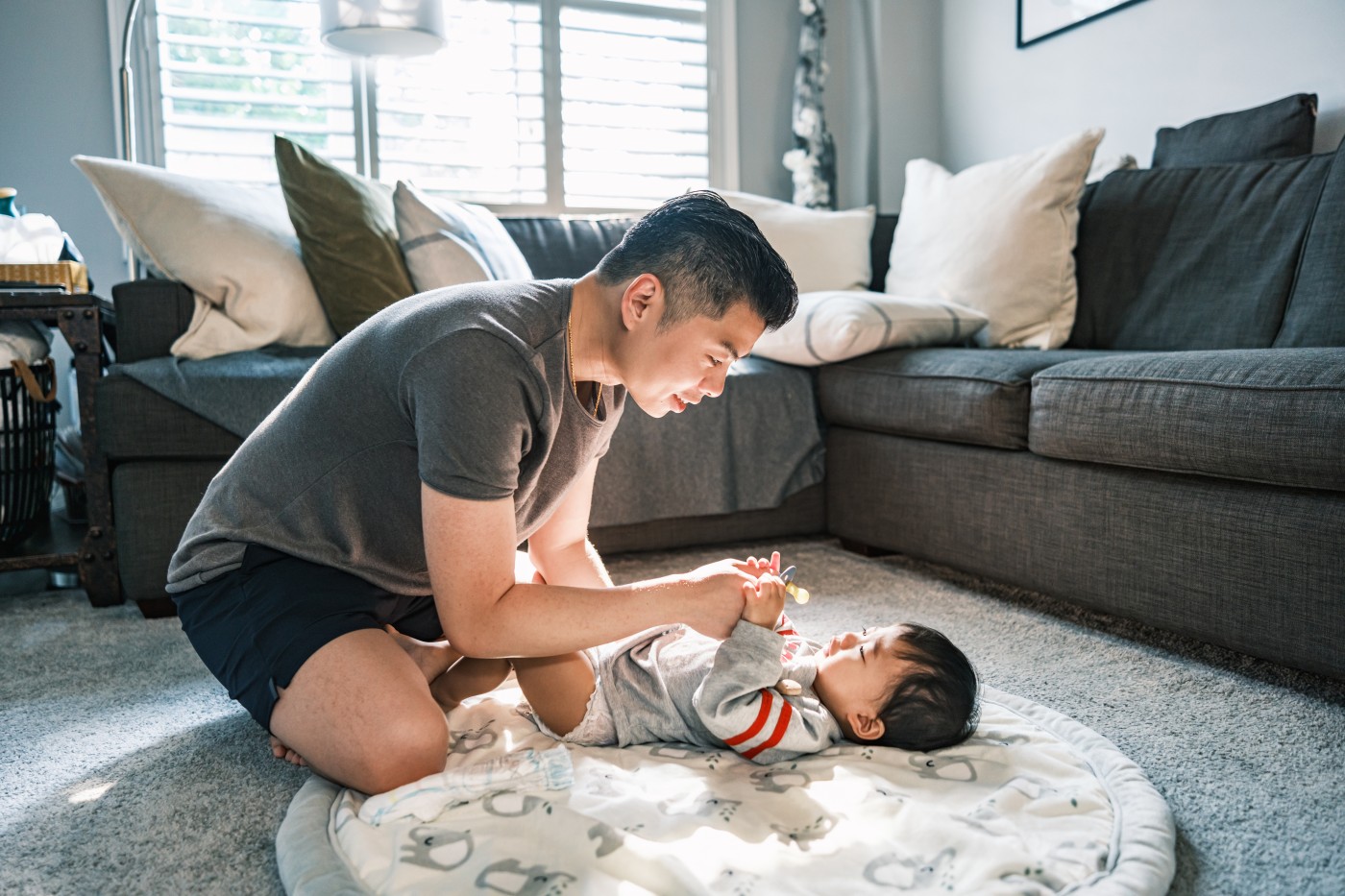
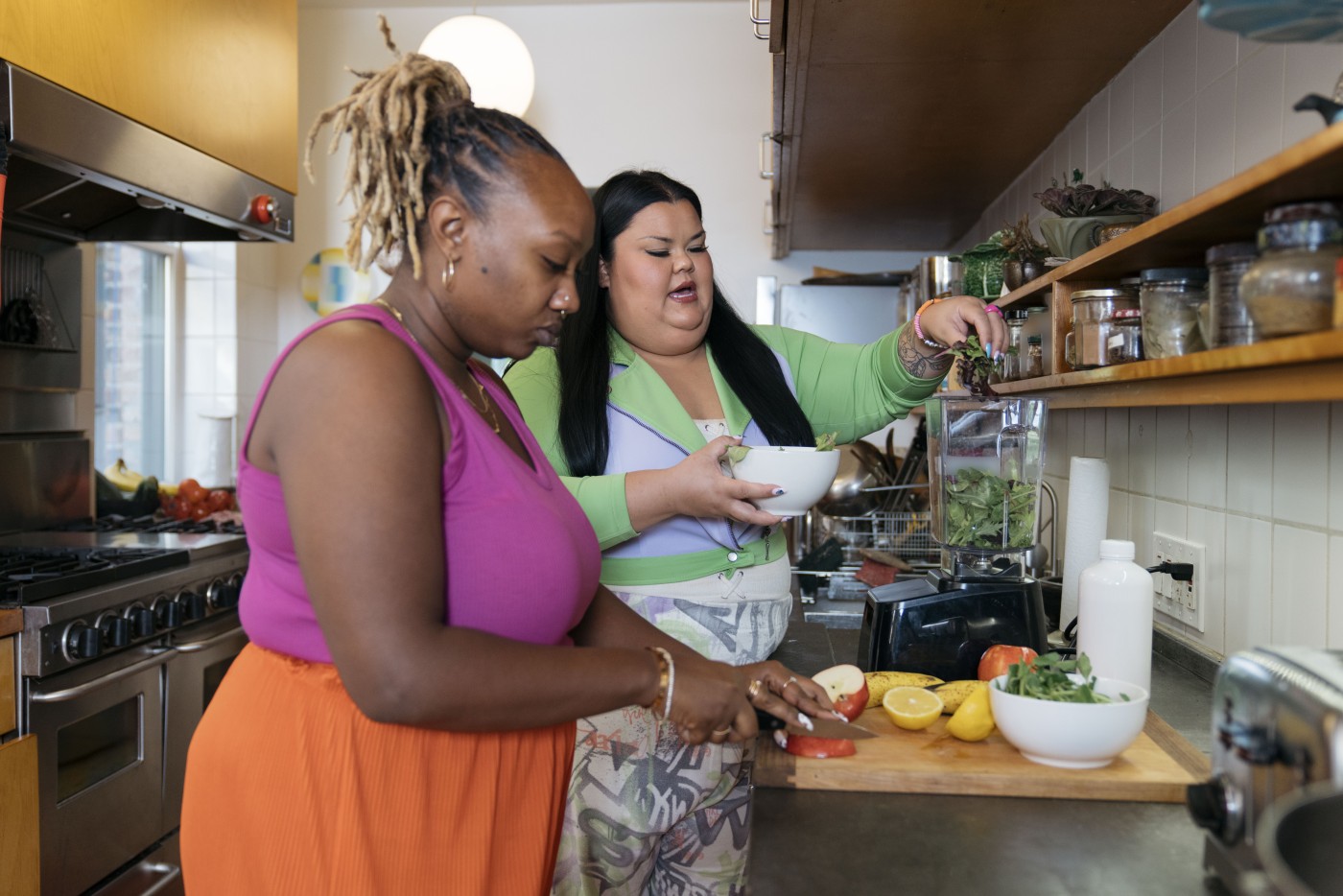
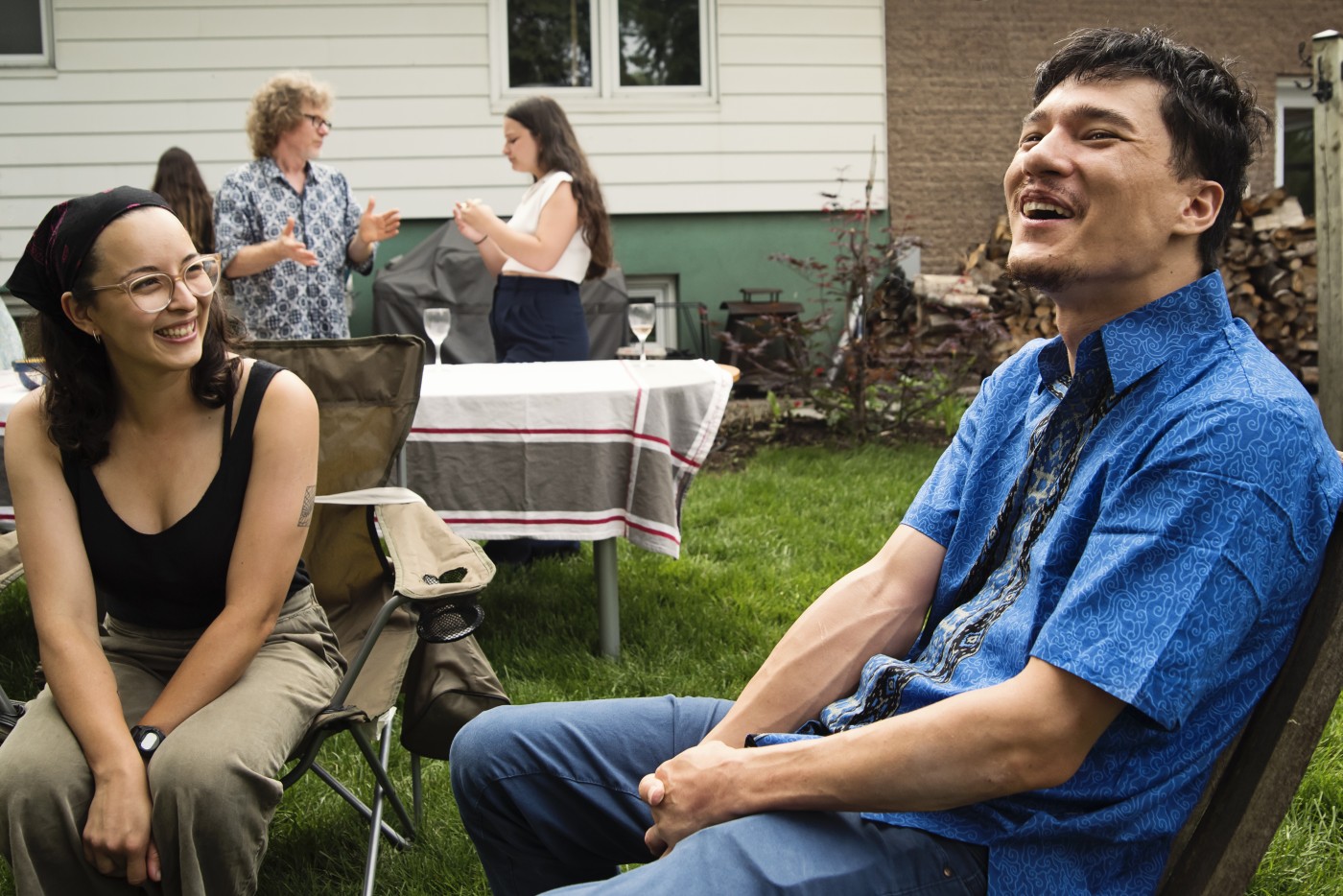

Asian Americans are still two times more likely to be shown alone in an image than with someone else—reinforcing outdated stereotypes.
Case in point: The AAPI community frequents multigenerational homes,1 participates in communal cultural practices, and prioritizes time with loved ones over career advancement. However, when represented, Asian Americans are still twice as likely to be shown alone in an image than with someone else.
These scenarios may seem disparate, but this tension matters. What we do see often reinforces outdated stereotypes: The quiet, hard‑working individual, frequently in a white‑collar job, rarely surrounded by family or friends.
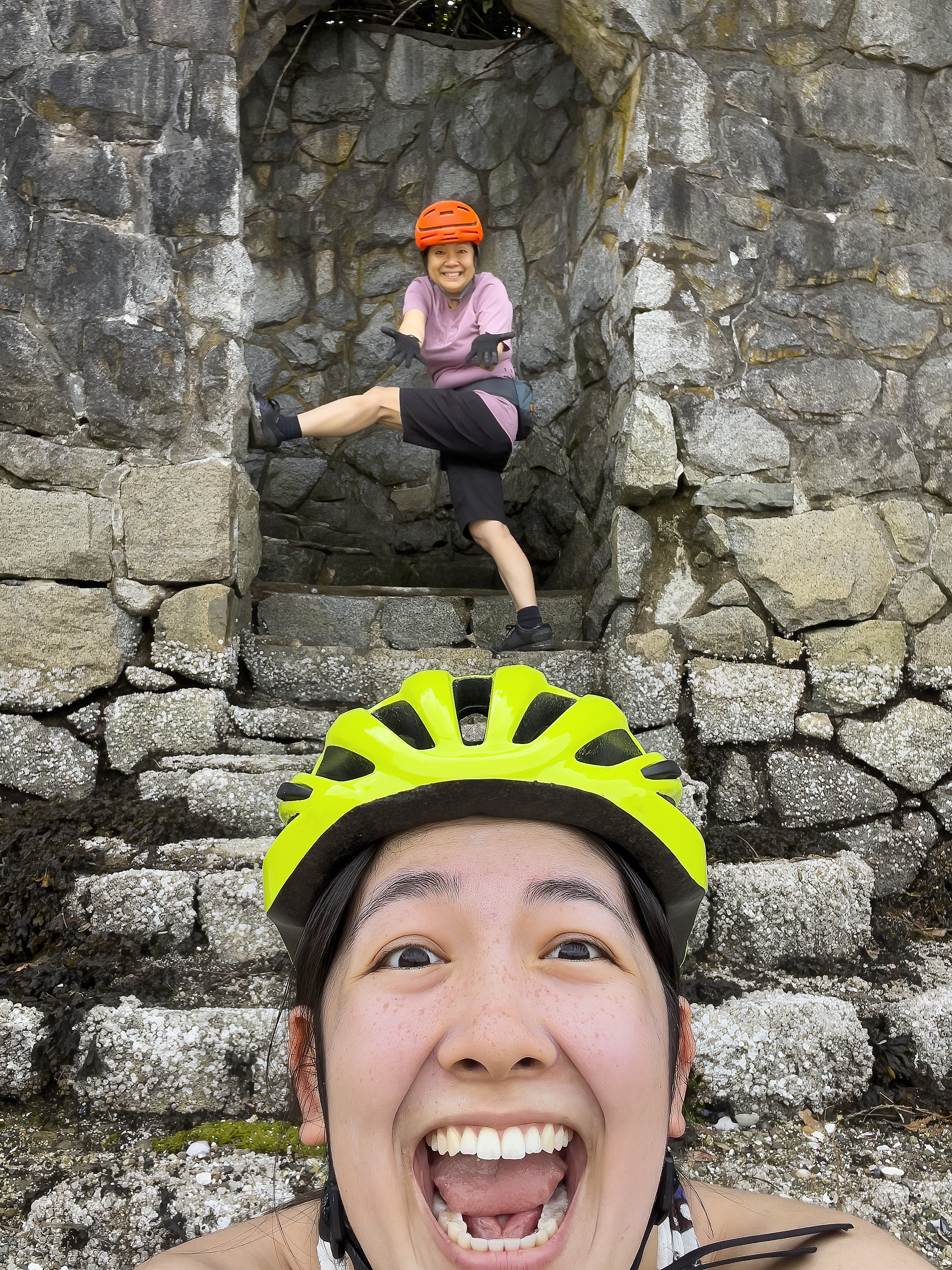
Professional tokenism reinforces harmful stereotypes
Outside of AAPI recognition during this heritage month, Asian Americans continue to face a lack of authentic representation, particularly in the workplace. AAPI workers are among the most likely to be included in imagery of multiracial groups, posing for team shots rather than actively engaging with their work.
In fact, Asian Americans doing service or blue‑collar work are critically underrepresented in marketing imagery. Despite 14% of Asian Americans working in service jobs,2 only 6% are represented in current brand visuals. This is heavily contrasted with the fact that Asian Americans are nearly two times more likely to be seen in white collar positions than are actually employed in the sector, this heavily impacts tropes and stereotypes typically affiliated with the community.
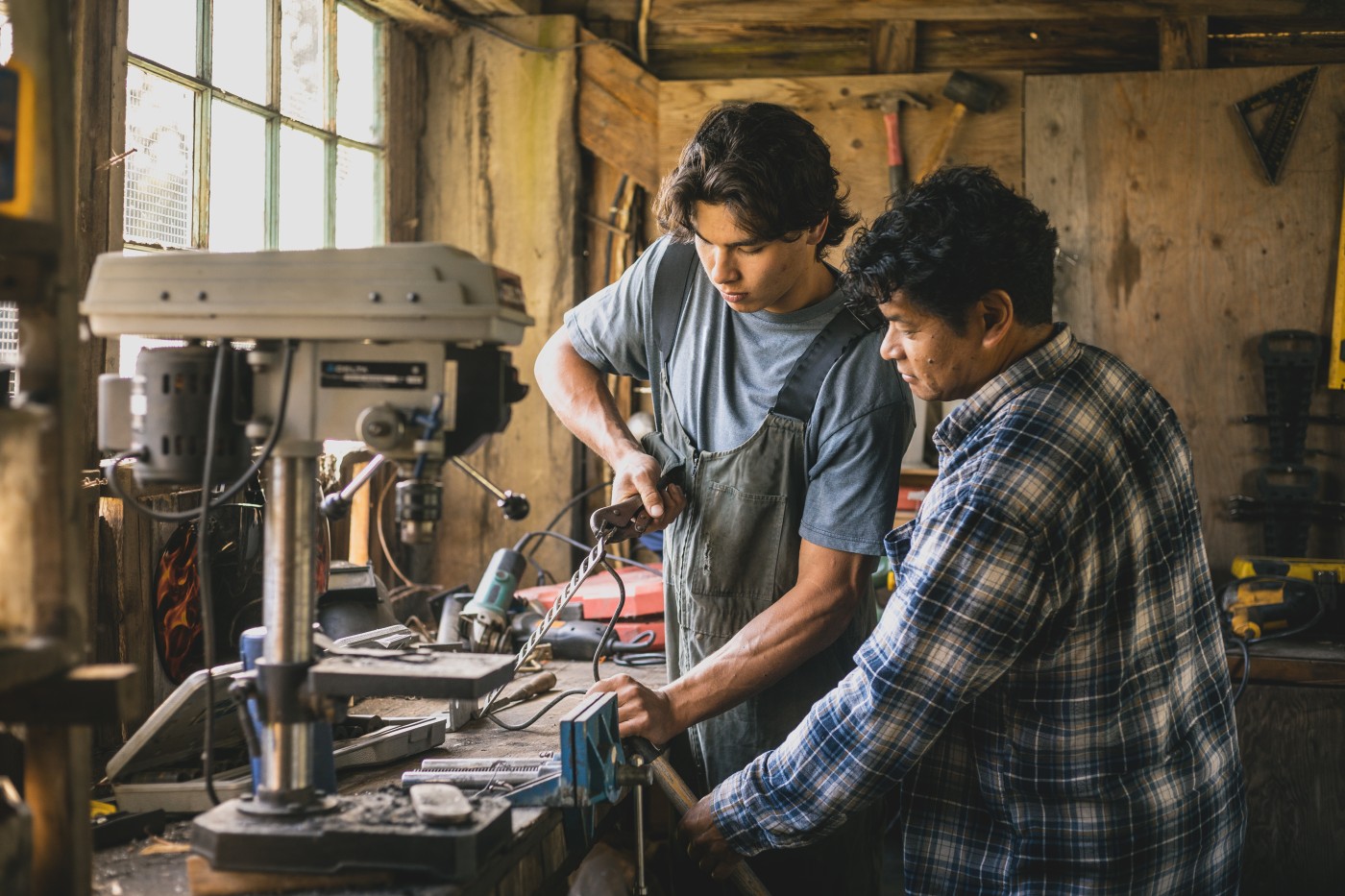

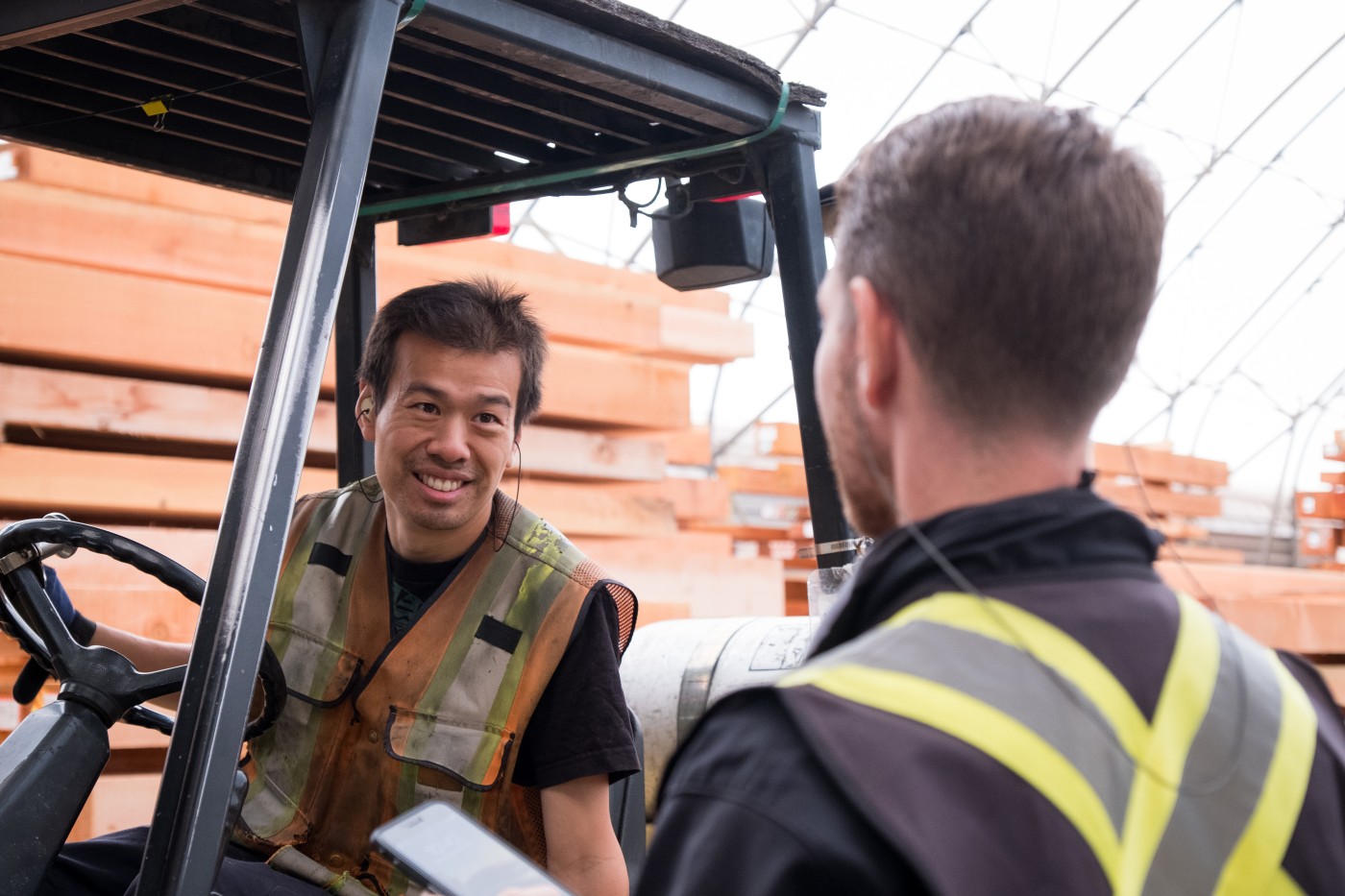
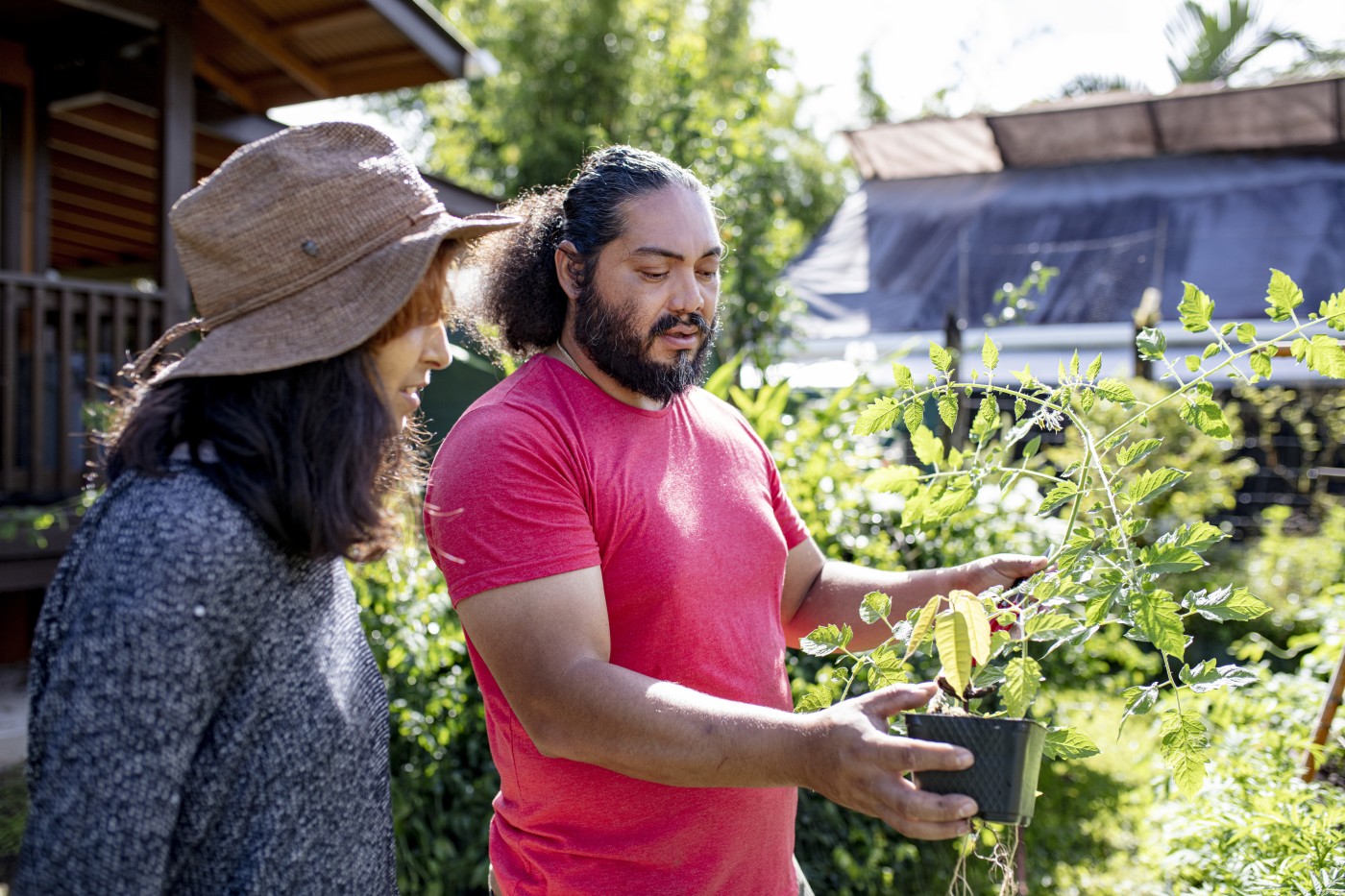
Culturally, the disconnect runs deeper. While Asian Americans overall hold more wealth than other communities of color, many identities within the AAPI umbrella are paid below the national average. 1 in 10 live in poverty,3 and that number increases among Asian‑Americans abroad. The “model minority” myth—paired with economic pressure and stigmatization of mental health—contributes to rising yet underreported mental health challenges across generations.4
Yet despite these pressures, AAPI communities remain incredibly connected. VisualGPS research shows AAPI individuals are three times more likely to prioritize time with family over career progression. They report using technology to maintain cultural ties—but also value in‑person connection more than other groups. And while “family” is one of the top‑searched terms in the U.S., Asians appear in just 12% of those images.
Representation is more than a face in the crowd
Brands can set themselves apart by demonstrating a more nuanced understanding of Asian‑Americans outside of typical white collar‑work scenarios. The AAPI community prides itself on strong family ties and deep cultural connections that exist outside of the computers that visuals typically portray us in front of.
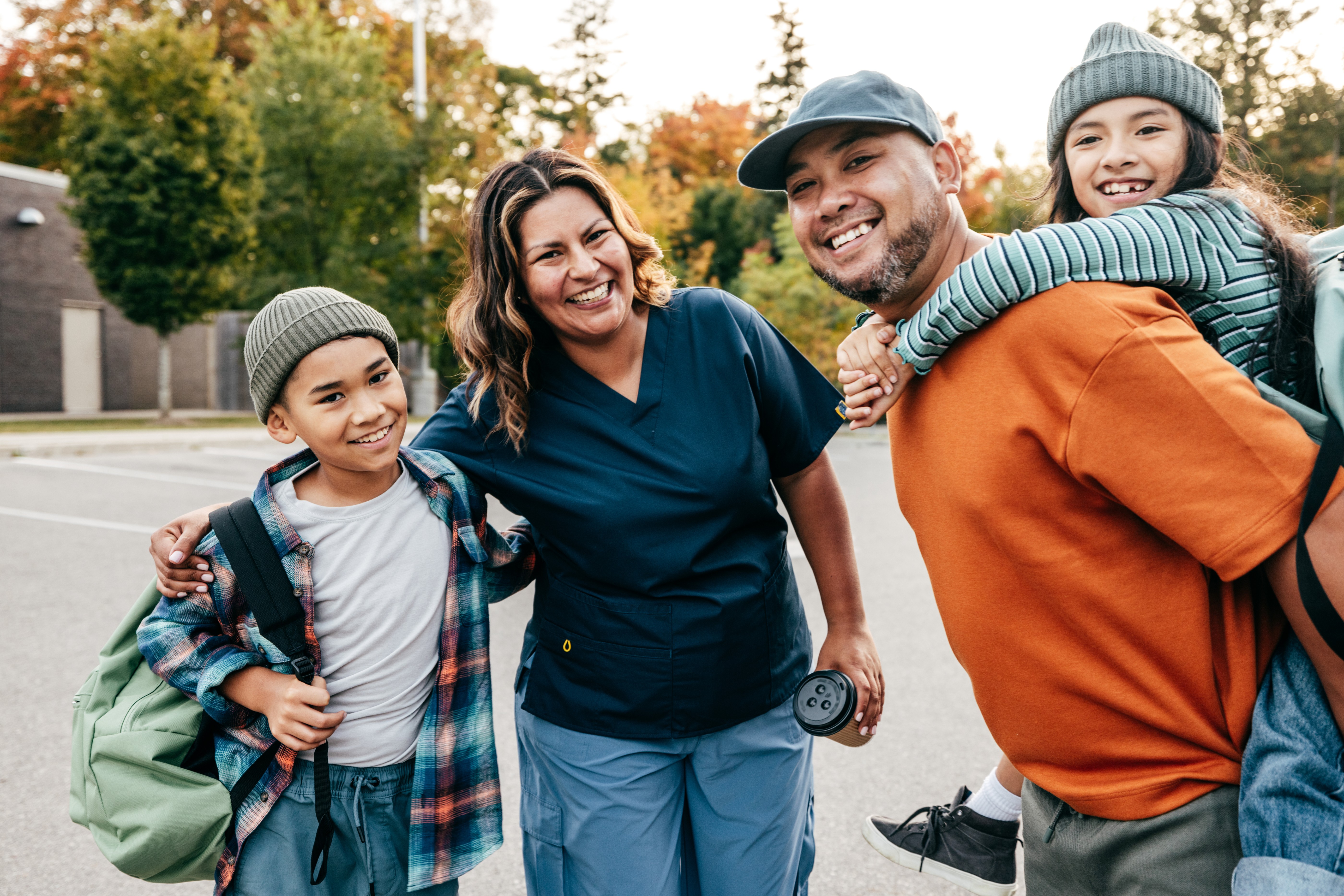
Foster inclusivity and showcase more authentic moments of everyday life through:
· Prioritizing connection, not isolation: Instead of portraying AAPI individuals working alone or scrolling solo, show them laughing, sharing meals, or video chatting with relatives abroad. Let tech be the connector, not the barrier.
· Showing everyday multigenerational life: Multigenerational households are 28% more common than expected in real life yet only appear in 7% of brand visuals. Go beyond special occasions and spotlight the quiet, day‑to‑day intimacy—from helping with homework to cooking together.
· Breaking the white‑collar mold: Include small business owners, gig workers, caregivers, and creatives—especially those navigating multiple identities and economic challenges.
· Highlighting moments of vulnerability and strength: Whether it’s a family supporting each other through a hard time or an elder sharing wisdom, vulnerability is powerfully human—and deeply relatable.
Representation is more than visibility—it’s about truth, nuance, and belonging. This AAPI Month, let’s replace the single silhouette with a fuller picture, one rooted in connection, complexity, and community.
All article tags
Sources
[1] Pew Research Center
[2] EBSCO
[3] Pew Research Center
[4] UCLA
Related articles


Learn more about licensing with Getty Images and Stay Inspired!

Connect with our visual experts for more details

Subscribe to our newsletter