'A Fragile Ark': Virunga, Africa's Oldest National Park, Turns 100
TABLE OF CONTENTS
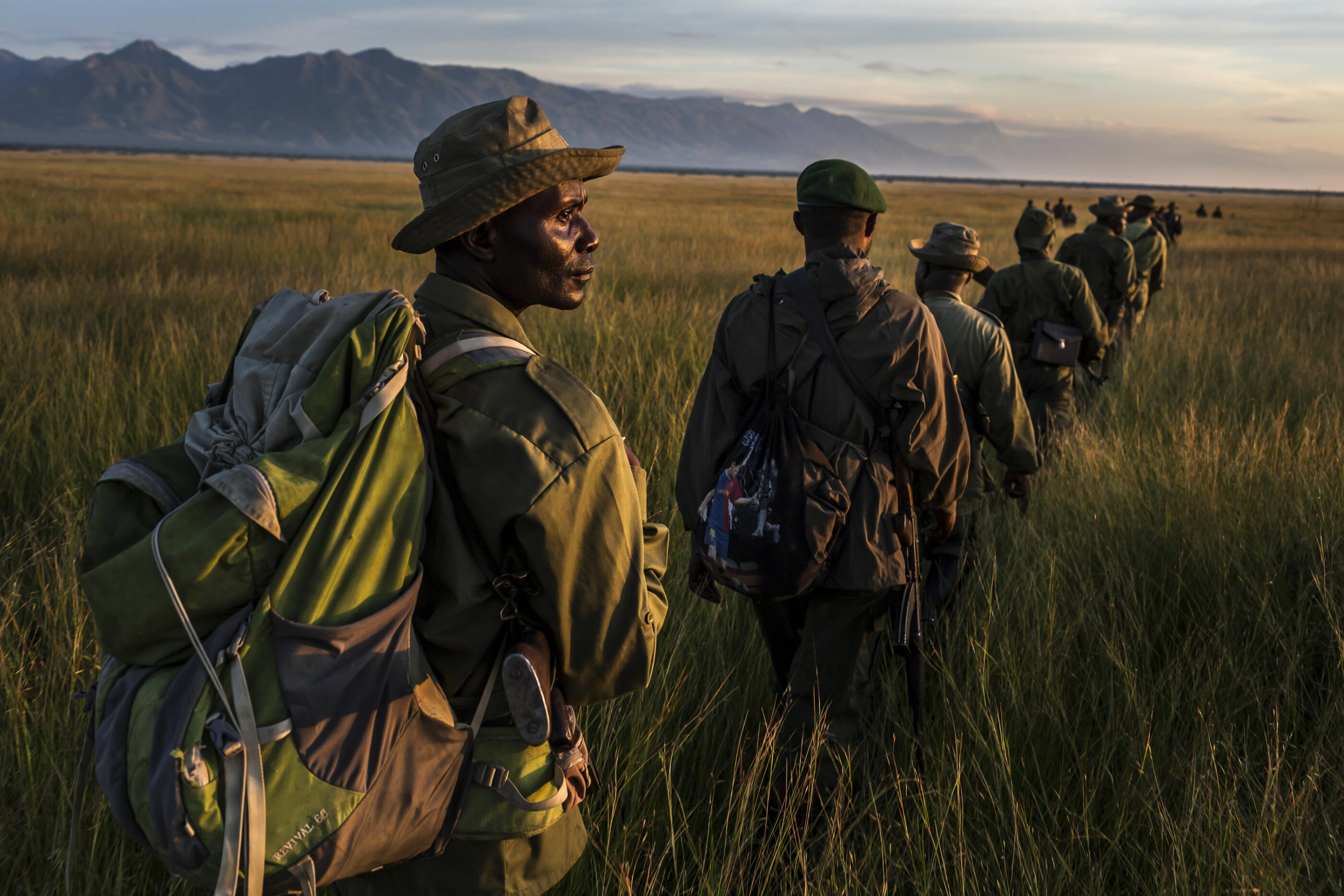
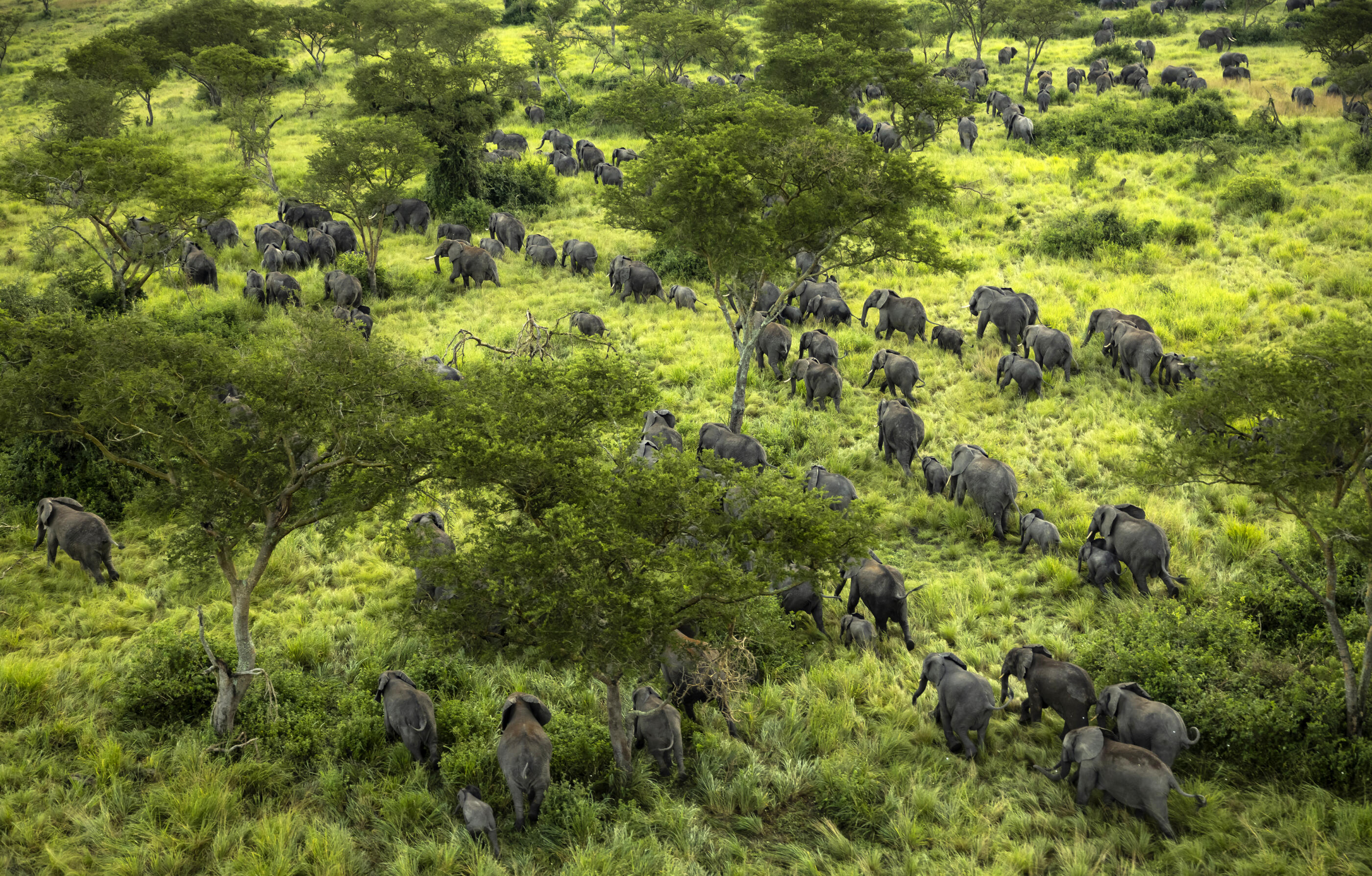
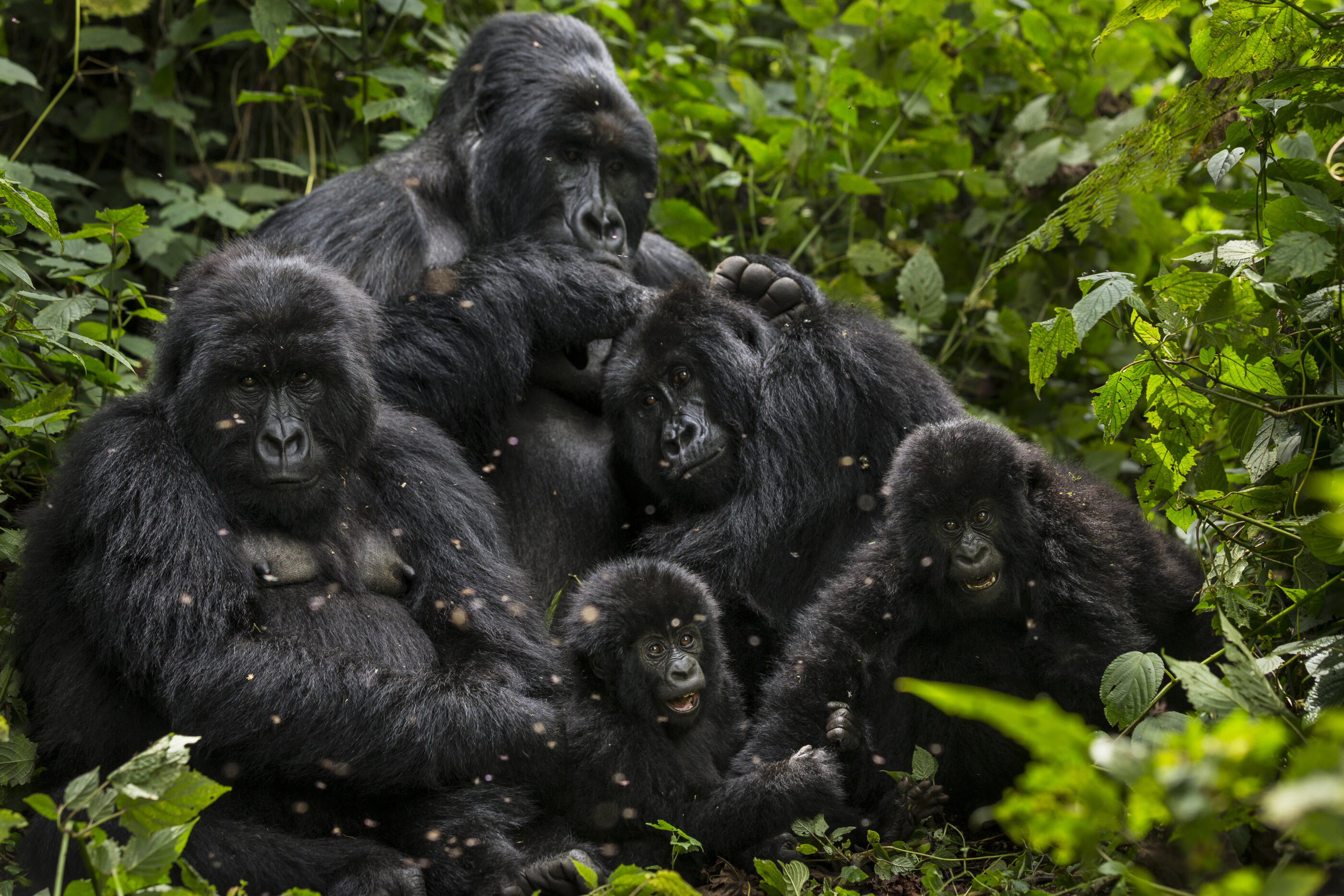
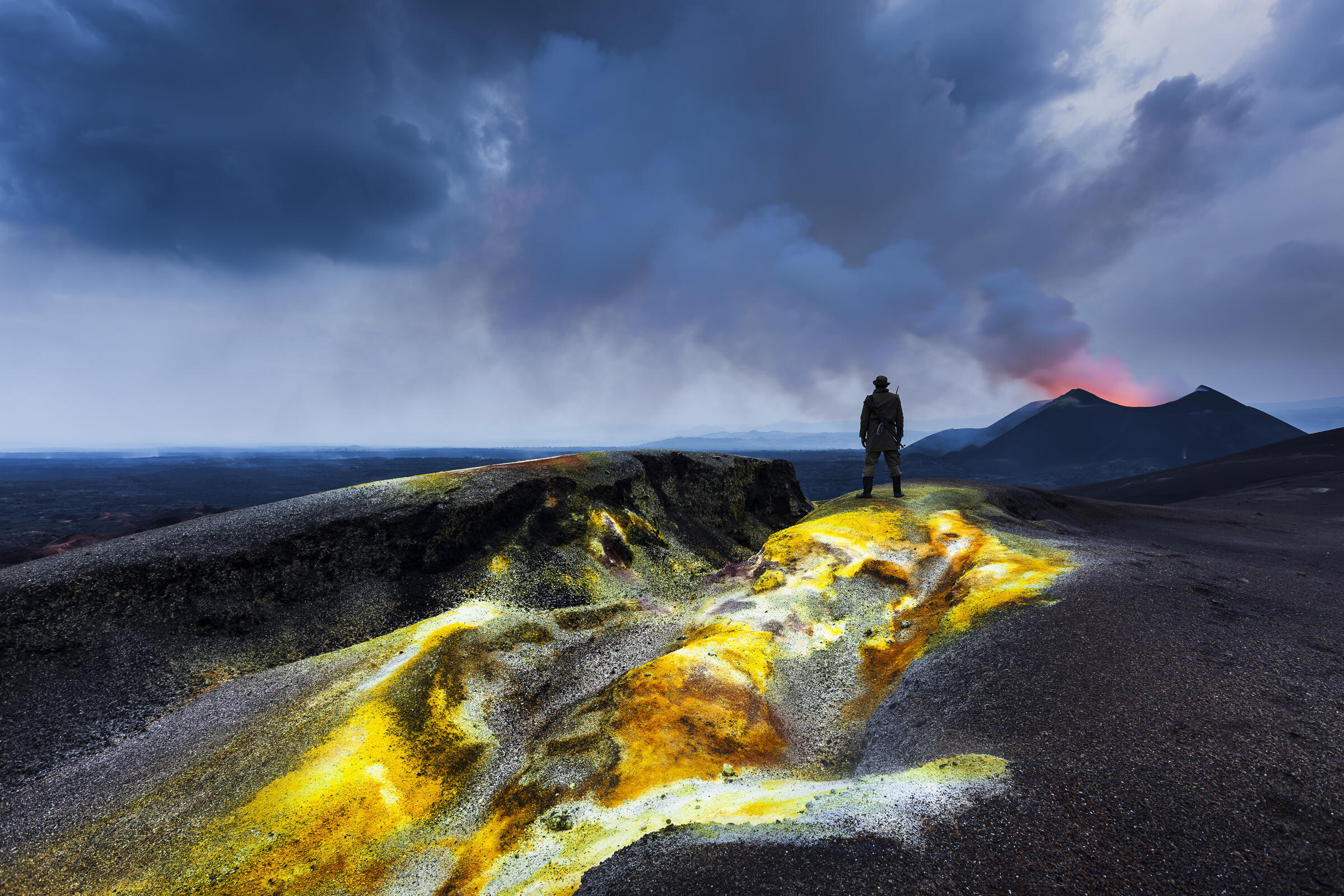
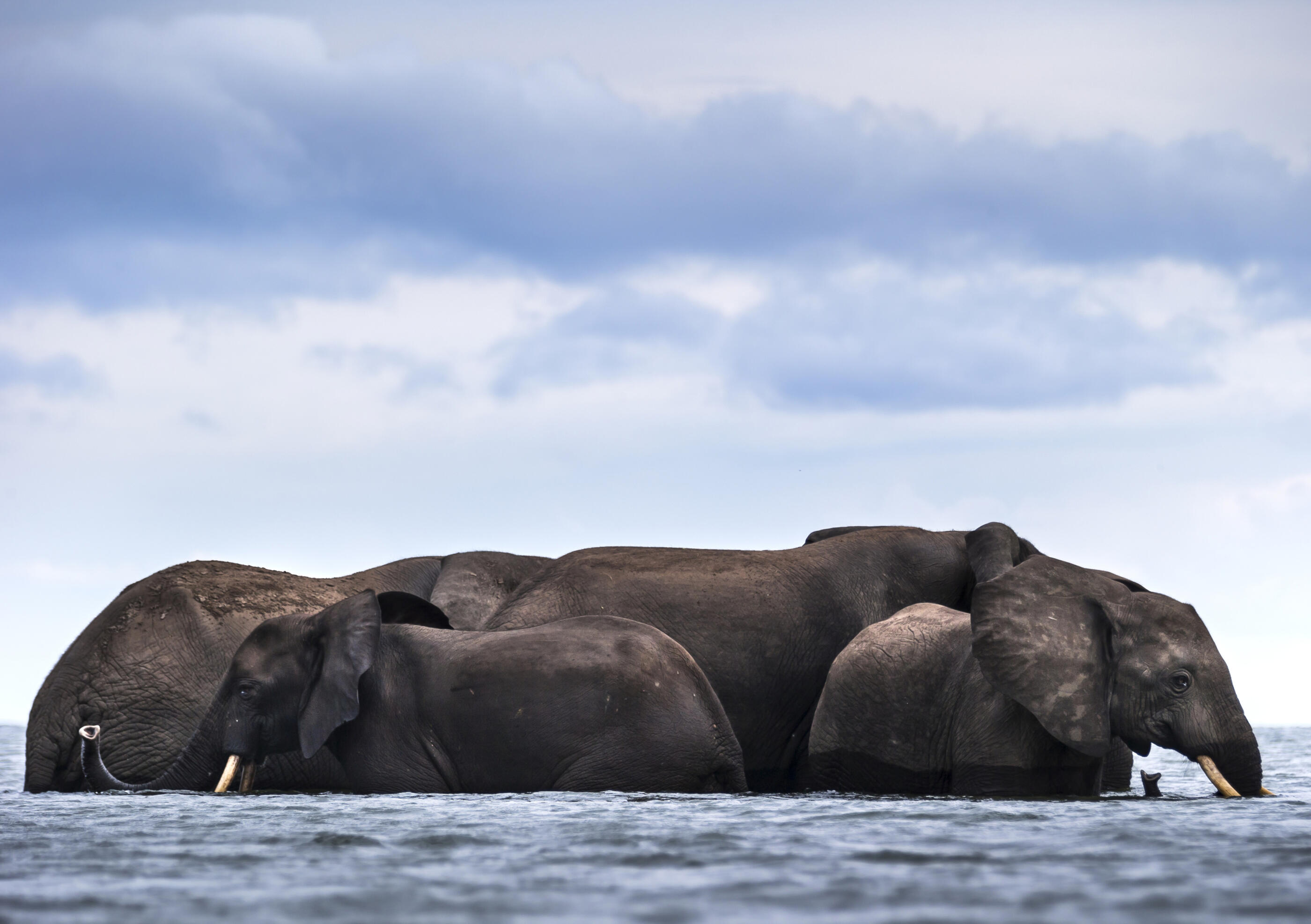
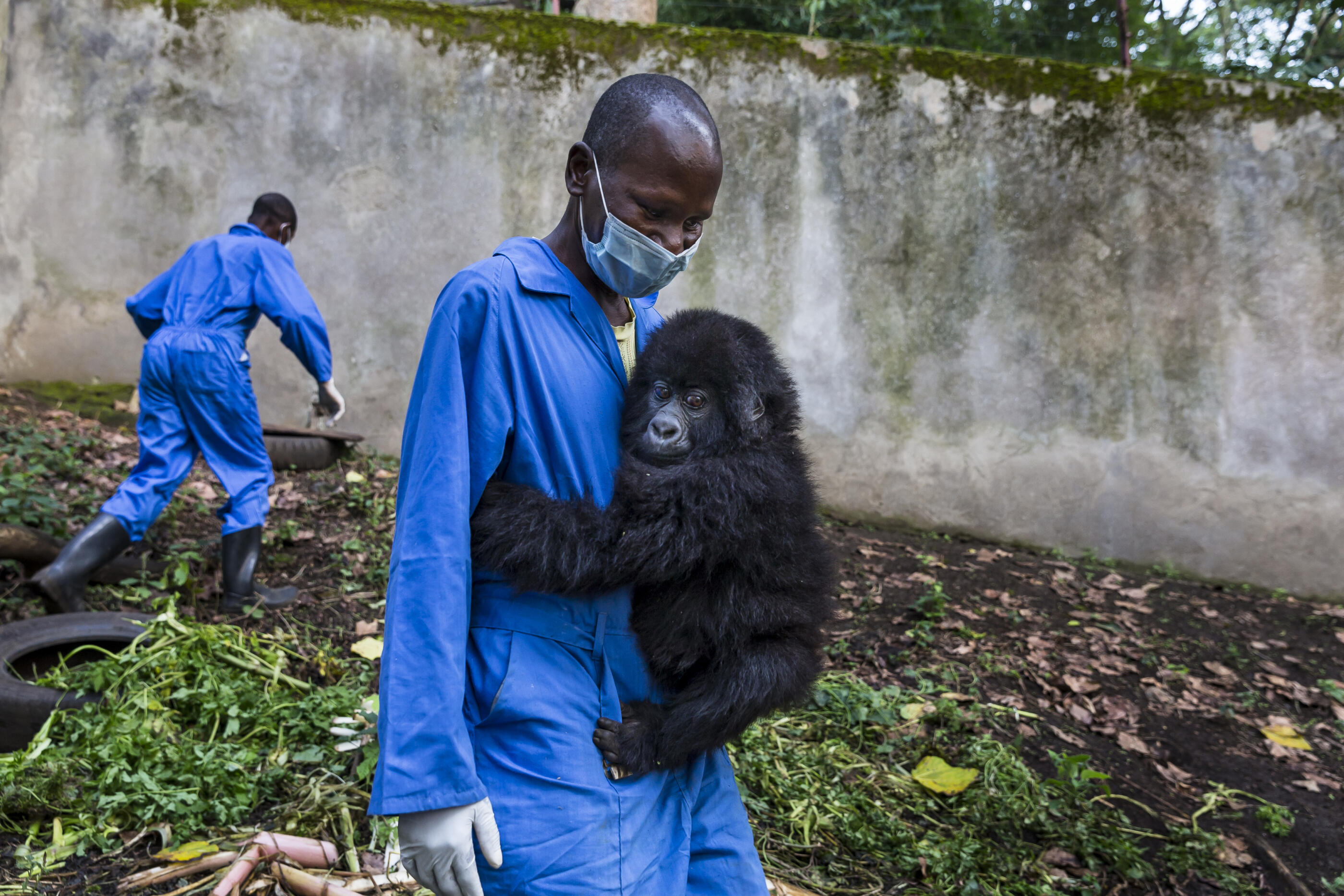
For nearly two decades, Getty Images Special Correspondent Brent Stirton has photographed conservation efforts at Virunga National Park, Africa's oldest, which turned 100 this year. In a new book, Stirton shows the park's unique flora and fauna, including the world's largest grouping of endangered mountain gorillas, and why the park remains a fragile ark under constant threat.
Photos and text by Brent Stirton
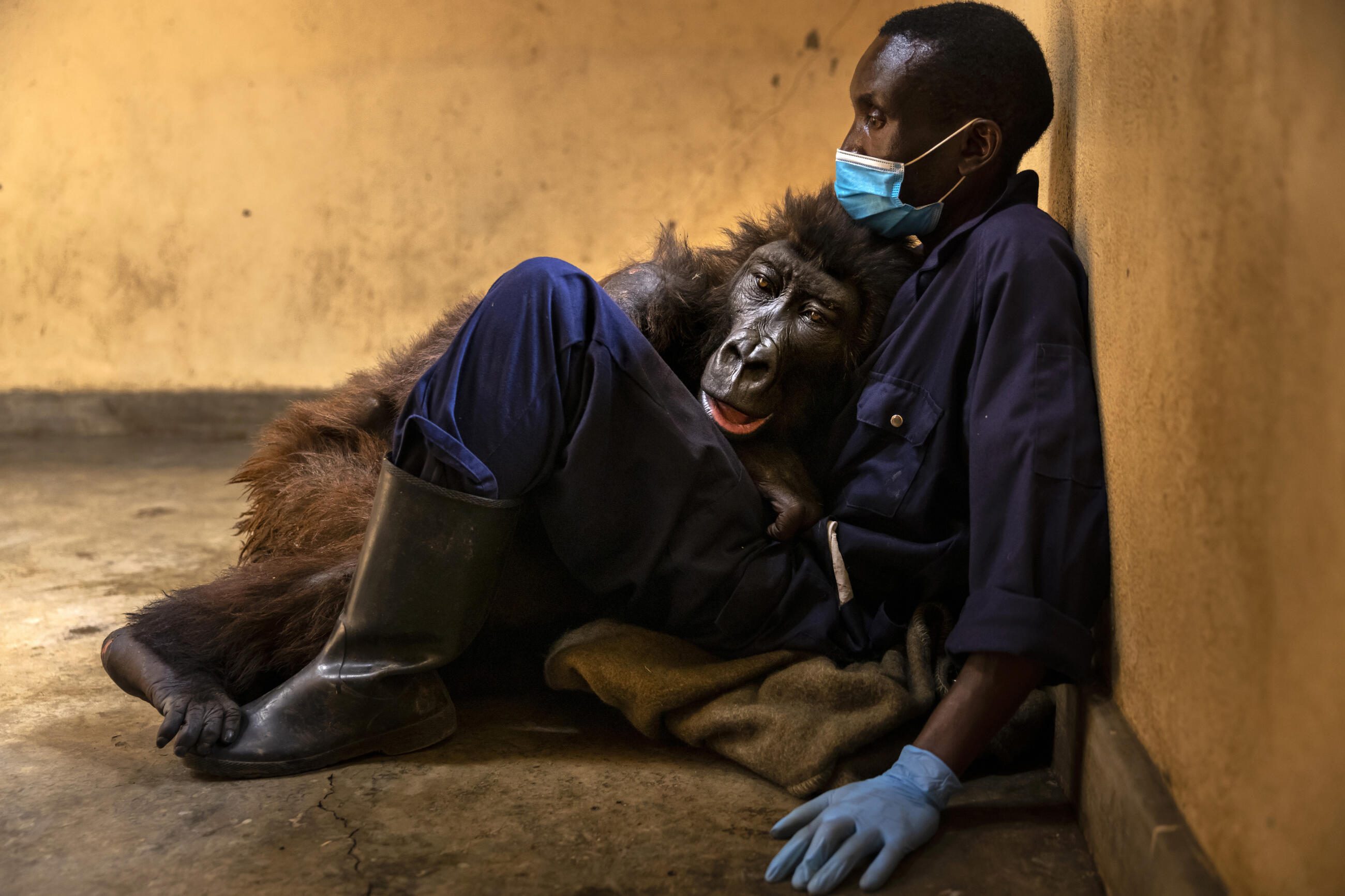
I first worked in Virunga National Park in 2007, when Newsweek magazine sent myself and journalist Scott Johnson to feature an extraordinary group of conservation rangers just returned from specialized training in South Africa. They needed that training to be able to deal with a confusing array of armed groups inside the park. Virunga is Africa’s first National Park, and it has been balancing on a precipice since 1994. On day three of our visit the team got the message that a group of gorillas had been killed. I was ignorant of the delicate biosphere I was in and didn’t know that the 9 gorillas that had died were part of a global Mountain Gorilla population that totaled less than 300 at that time. We trekked through the rain deep inside the forest and found the bodies of several dead females, two of them pregnant. The rangers found one dead baby and one baby trying vainly to suckle at his dead mother’s breast. One of the rangers took that baby, put it inside his shirt for warmth and took her down the mountain. At the time, standing in the rain amongst somber Africans, I had no idea that I would photograph that baby multiple times over the next 13 years, concluding with her passing in the arms of the same ranger who had saved her all those years ago.
The forest was growing dark, and this was not a safe area, so we trekked back to the ranger base and early the next morning went back and found more dead gorillas, including a magnificent silverback named Senkwekwe. They had all been shot multiple times, Senkwekwe most likely trying to defend his family against the attackers. Rangers and local villagers carried the gorillas out over miles of muddy, hilly terrain as I quietly photographed this sad procession.
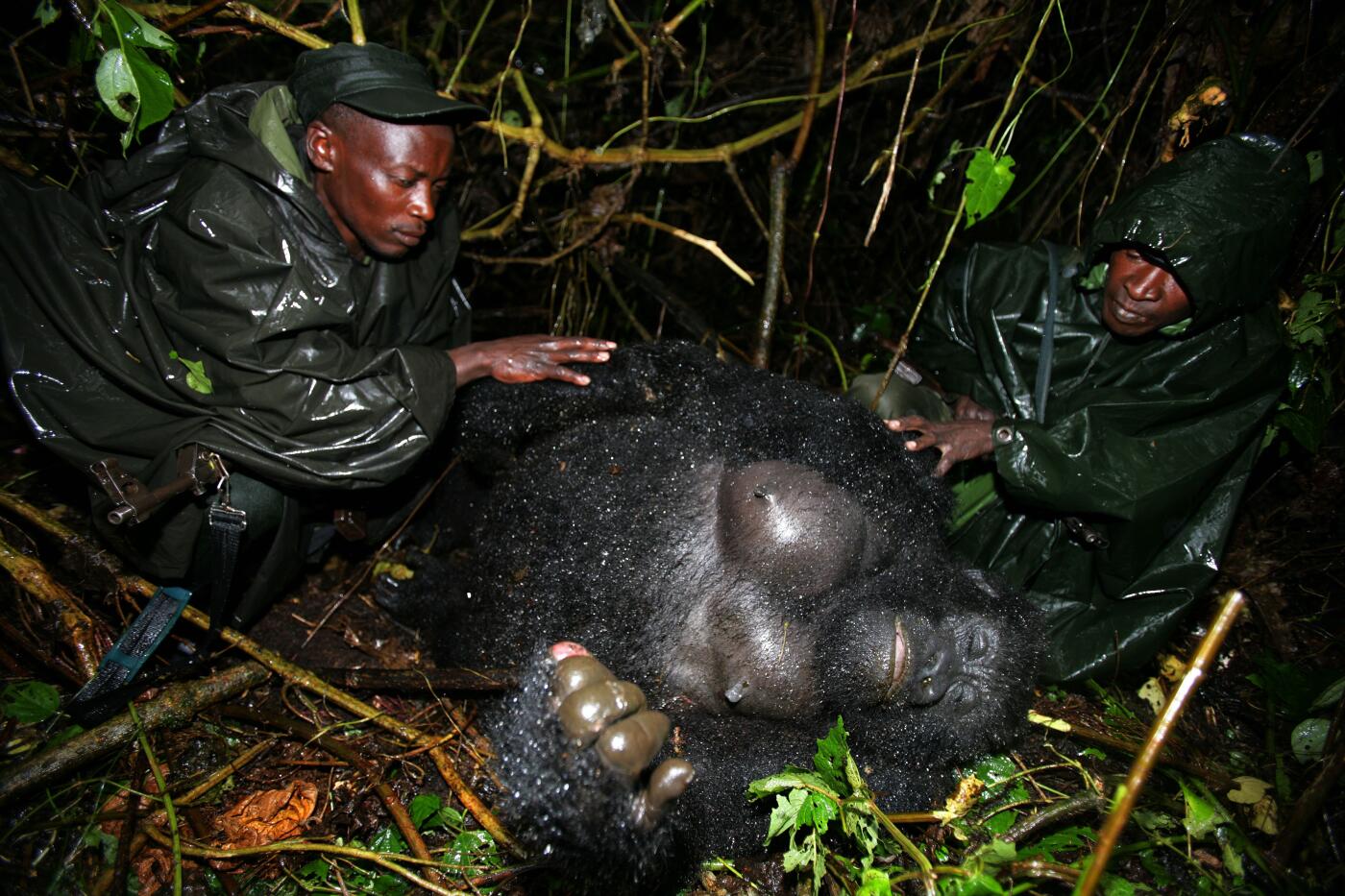
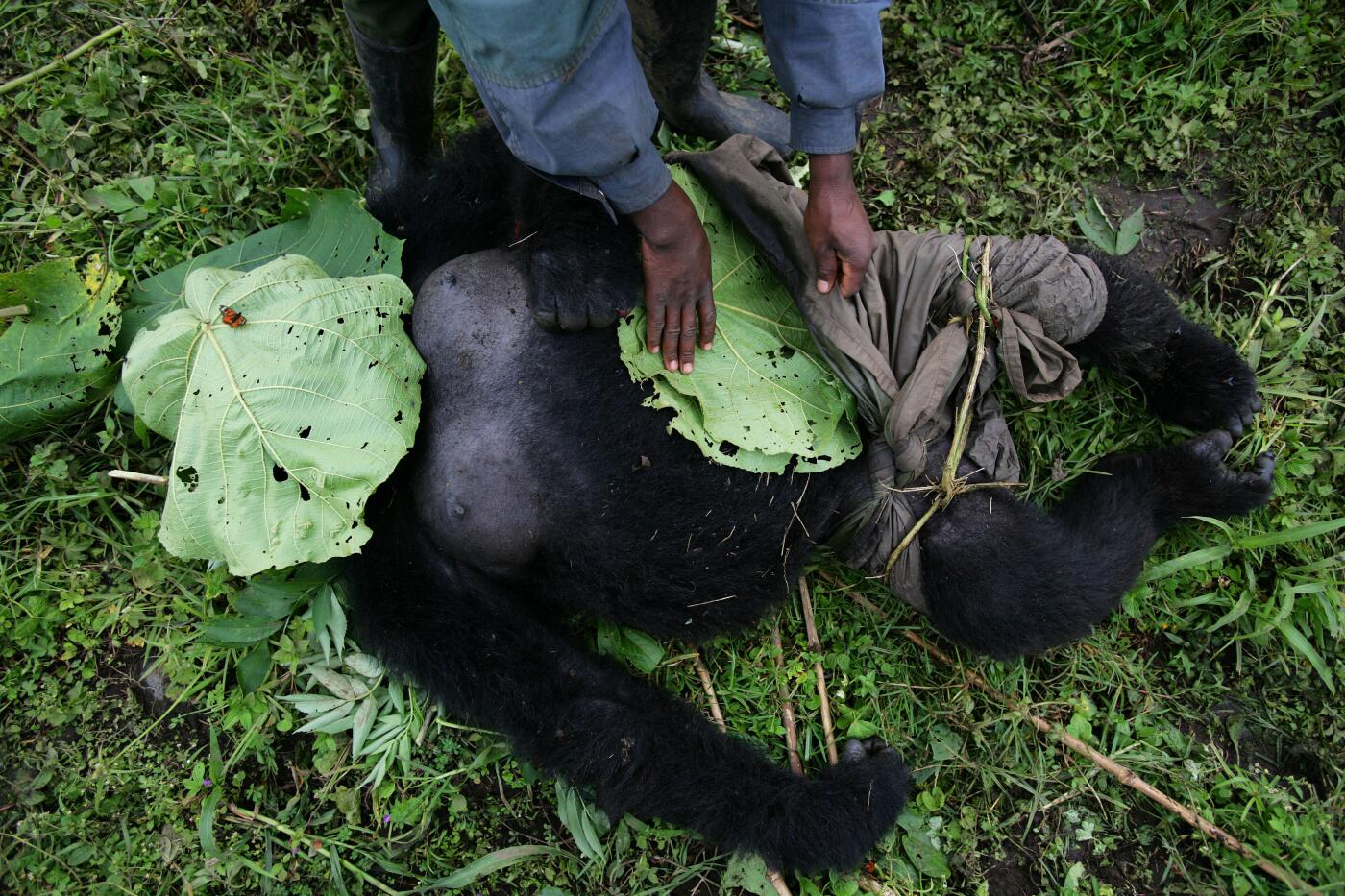
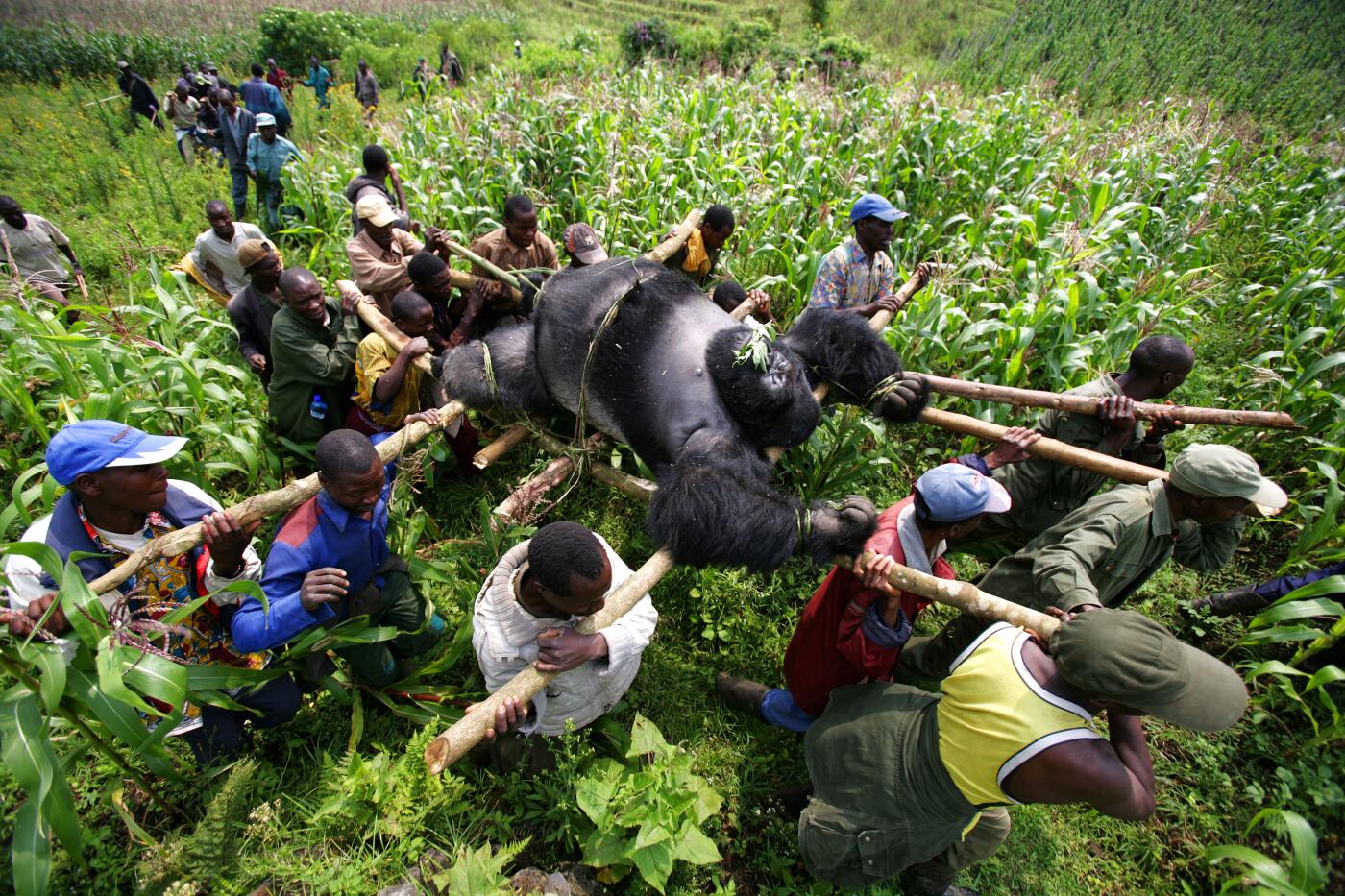
At that point, I had photographed wars, famines and disasters, all the usual suspects in photojournalism but it wasn’t until 2007 when I photographed those dead mountain gorillas that I felt truly useful. I had been photographing aspects of the conflict in Congo for several years but the reaction to the images of the dead gorillas were unprecedented. Nick Nicols from National Geographic Magazine called me and asked if I would go back and investigate why the gorillas had been killed. I did that and we made a documentary as well as a magazine story. From the point on, I began working on stories that told how man’s interference in the natural world could ultimately be his undoing. I believe that, as the apex species, we have a duty to care for our home, and for all her inhabitants. For me personally, animals are like children, they are innocent, and they deserve our love, respect and above all, our protection. In the ugly, one‑sided collision between humans and wild spaces, Virunga stands out for her resilience.
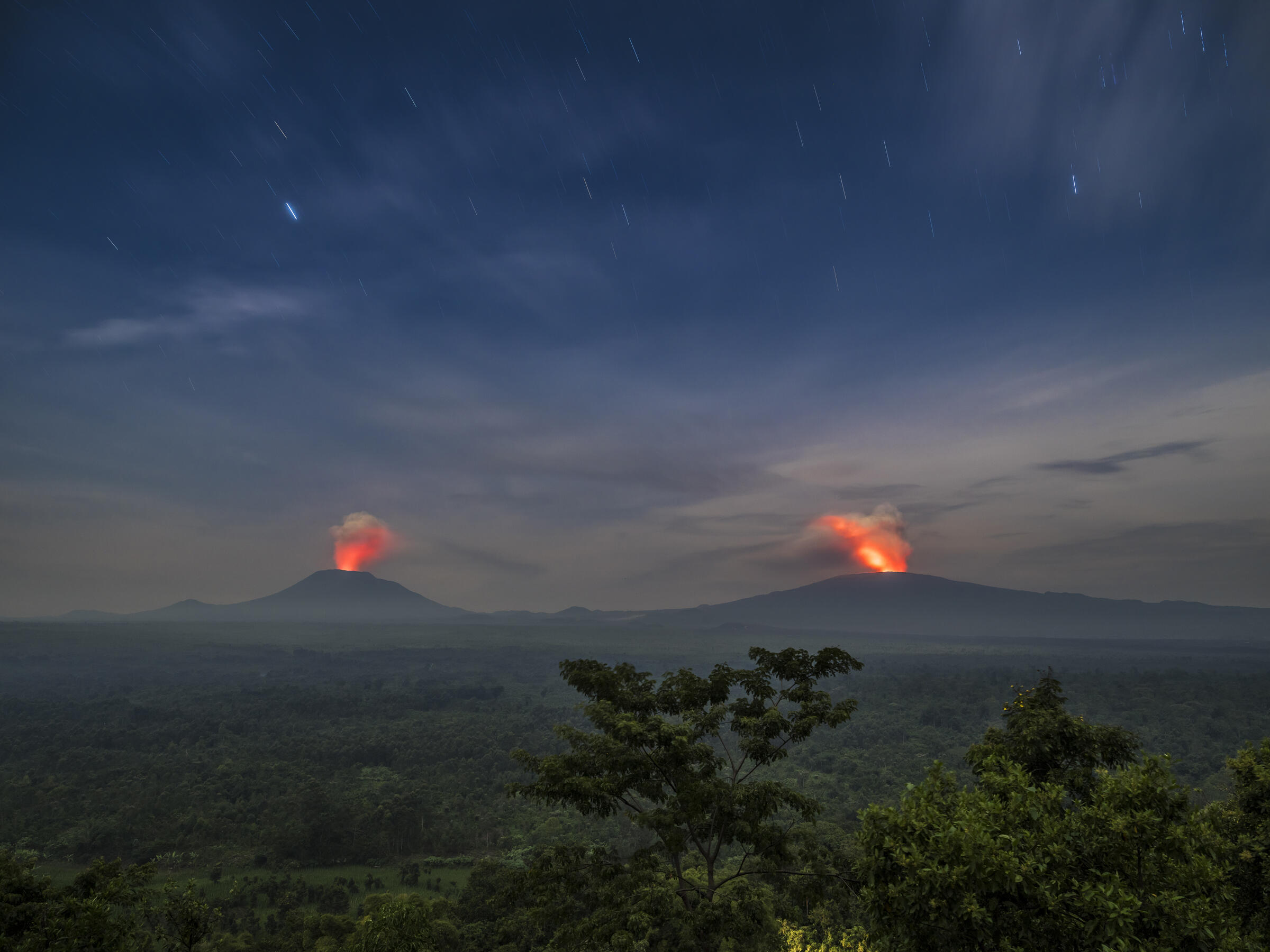
After that first trip in 2007, Virunga has always felt like a duty of care, somewhere that deserved global attention and protection. It feels like a place where I needed to keep making images that would help people embrace this special place. Virunga is a unique biosphere, primordial and beautiful. Over the last 30 years, it has become one of the most difficult and dangerous places in the world of conservation, because of that, it’s also the most progressive. Virunga’s unique habitats are the repository of a world heritage of fauna and flora, a fragile ark under constant threat. The park has the largest grouping of endangered mountain gorillas in the world. There are now 1200 of these alive today across Rwanda, Uganda and the Democratic Republic of Congo. Virunga has active volcanos, elephants, chimpanzees, lions, hippos and many other species. Lake Edward is also a part of the park. The Rwenzori Mountain range looms over its Eastern boundary. If it can be preserved, Virunga could be the greatest national park in Africa.
In 1994, when the Rwandan Genocide occurred, over 4 million people fled into what was then Zaire, spilling over into Virunga and surrounds as they became the world’s largest refugee camp. The hardcore Hutu genocidaires, the planners and perpetrators of the Rwandan genocide, fled into Virunga and have hidden there ever since, under the banner of the F.D.LR. In 1996 Laurent Kabila marched with his army through Virunga to Kinshasa to depose the deeply corrupt President Mobutu, he did this with the help of Uganda and Rwanda. Once in power, he reneged on his promises to share Eastern Congo’s wealth with these two countries. Since then, Rwanda has consistently fostered conflict in the Kivu’s, and inside the Virunga region through proxy, Tutsi‑led rebellions. They have made untold millions from their illegal control of mining and other assets in Eastern Congo. Uganda has supported various other rebel groups and today the Ugandan Army has a presence in Virunga to fight the A.D.F, a fundamentalist group of Ugandan origin that has become the ISIS representative in Sub‑Saharan Africa. That group fled into Virunga many years ago and hides there conducting terror campaigns against the local population and exploiting the park wherever it can. Together all of this has contributed to the death of over 5.5 million people in DRC since 1995 in what has been described as Africa’s world war.
Virunga sits in the middle, with the Congolese army, the Rwandan backed M23 rebel army, many different Mai Mai militia groups as well as the A.D.F. all taking space within the park. Powerful political groups seek to exploit this space rather than preserve it. Oil and mining interests as well as illegal charcoal production and land‑grabbing agriculture all threaten Virunga. It’s a park is in a zone of extreme poverty, making it that much more difficult to explain why it must be preserved for a more enlightened time, when world class eco‑tourism combined with Virunga’s hydroelectric schemes could genuinely transform the region more democratically.
'The Earth Will Fight Back' ‑ An Interview With Brent Stirton
In the below video, Brent Stirton talks about the concept of Planetary Health and how it informs his work as a photographer, telling stories from the intersection of humankind and the environment.
Today, at this time in 2025, more than half of the park is in the hands of the Rwandan‑backed M23 rebels, the 4th time since 2008 this group has held sway over the park, but never with as much power as today. The park headquarters have had to move multiple times over the last three years as the rebels took territory, and the Congolese Army failed to protect their sovereign land. Virunga has continued to build new projects that help to preserve the park and benefit the Congolese people. Most recently, the park leadership signed a deal with President Tshisekedi that will bring their vision across the Congo River basin. Their resilience in the face of overwhelming odds is genuinely breath‑taking.
On the issue of insecurity, the park has evolved a multi‑pronged strategy: They build forward operating bases in places of conflict close to local populations. They fill those bases with quick reaction force rangers and capable Congolese Army troops. They give key members of the population panic buttons to alert the troops if there is trouble. This has brought a great deal of security to thousands of farmers, and to the citizens of small towns surrounding the park. Simultaneously, Virunga and her European Union partners, have built large, environmentally friendly, sustainable hydroelectric schemes from the park’s rivers and mountains. These now power and light much of the region, including Goma, the largest city in Eastern DRC. They have a world class chocolate and coffee operation, as well as environmentally friendly palm oil production, soap, biscuits and other goods all using local farmers and, in many cases, the widows of fallen rangers. They have built industrial centers in nearby towns that offer Congolese entrepreneurs’ opportunities that simply didn’t exist before, all utilizing the electricity the park provides. Virunga has even built data mining centers using the park’s surplus electricity. All of this makes Virunga the largest and most progressive employer in the region.
These men and women are led by a mild‑mannered visionary Warden, Emmanuel de Merode, a Belgian biologist who, through his courageous example, is deeply respected by his rangers. De Merode has given everything to lead Virunga, he’s survived multiple assassination attempts, one of which saw him shot and wounded by AK47 rounds. Before he was evacuated for emergency surgery, he refused all pain meds until he could organize the park in his absence.
The rangers of Virunga are often men and women who entered their profession because it was a job in a place where there weren’t any. In other cases, they are Congolese people who love nature and have committed their lives to working in it. None of these people signed up to be soldiers but that is what many of them had to become to guard the park. Shared hardship and baptism under fire has shaped them into hard and cohesive units, with a shared goal of preservation, both for the animals they protect and for themselves. They live spartan lives in isolated bases across Virunga. Some have become world class in their knowledge of the fauna and flora of the park, African experts without PHD’s. Over 240 of these rangers have died in the last 15 years in the line of duty, with many more wounded. They are the true peacekeepers of this region of Congo. Despite these hardships, Virunga’s rangers have remained loyal to their mission. Virunga represents some of the committed conservation on earth. This book is a small attempt to honor that in the 100th year of the existence of this extraordinary place. I hope it will continue to exist in another 100 years.
This text has been excerpted from "Virunga," published by CDP Editions, which can be ordered online here.
All article tags
Related articles


Learn more about licensing with Getty Images and Stay Inspired!

Connect with our visual experts for more details

Subscribe to our newsletter