(Men Get By) With a Little Help from Male Friends

I’m not a man, so I won’t even begin to dig into the complexities of being a male‑presenting person in today’s world—but are men okay?
We keep hearing about loneliness since the pandemic, particularly regarding a harsh decline in strong male friendships.1
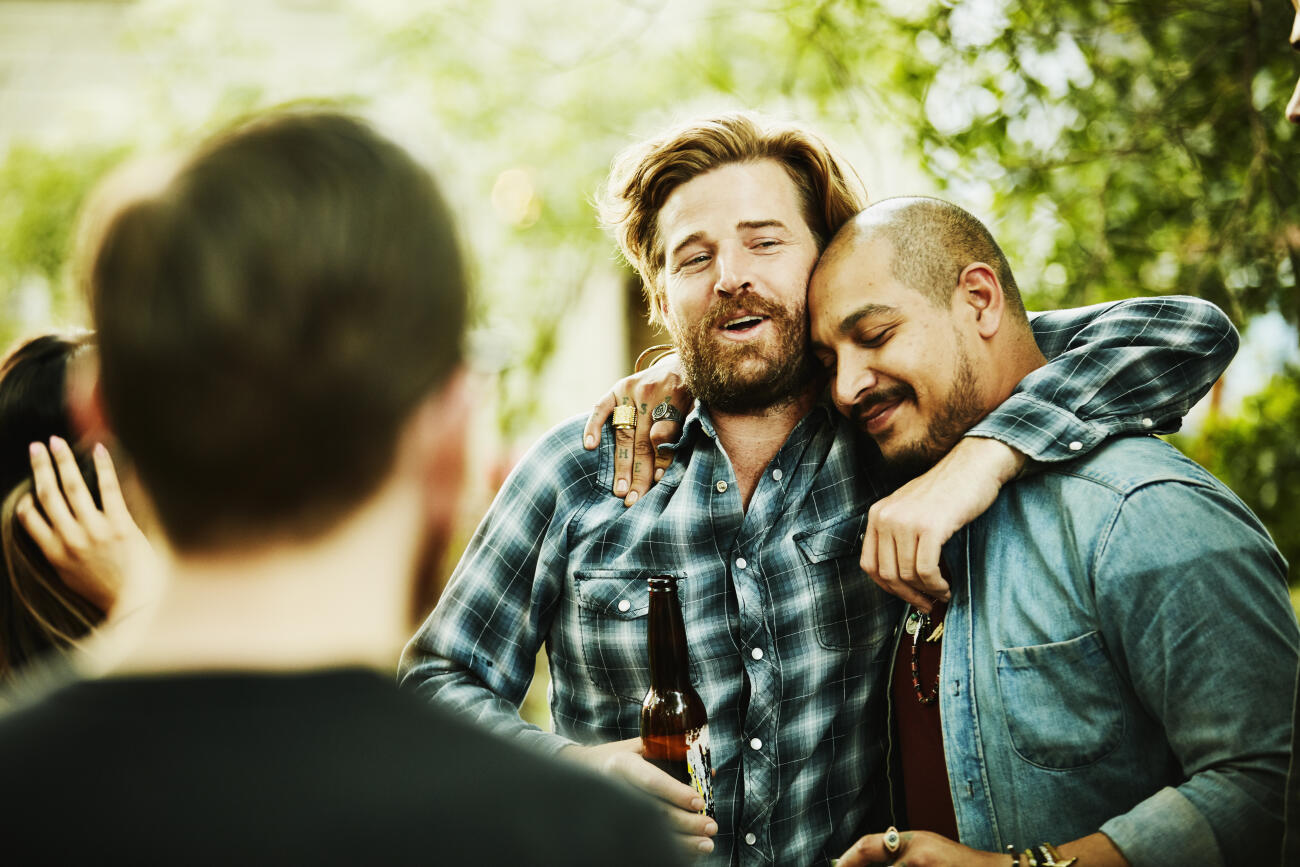
Except in marketing imagery, it’s hidden behind a lot of positivity. Getty Images' VisualGPS research finds that over half of males in popular visuals among brands we work with feature a positive emotion. Almost half of visuals show men among their friends. If we look deeper, we find that only 4% of visuals highlight male‑only friendships. Which is why it’s even more important that we get these rare but critical relationships right.

VisualGPS finds that three in four men appreciate when companies they do business with acknowledge the challenges they face.
Why should we care about "bromance"?
We know that authenticity in visuals is critical in connecting with consumers, and that people resonate with relatable imagery. In fact, visuals that look like them or their lifestyles are among the top reasons that drive men’s decision‑making on social media. VisualGPS also finds that men would like to see more support for those with mental health issues. But right now, widening cultural stigmas and internalized homophobia are making it harder for men to be emotionally vulnerable.

Which is not great timing. Unfortunately , PBS reports that only one in five men receive emotional support from friends.2
But brands can demonstrate that they recognize this nuance not commonly seen in visuals right now and resonate with male consumers: Three in four men appreciate when companies they do business with acknowledge challenges they face.
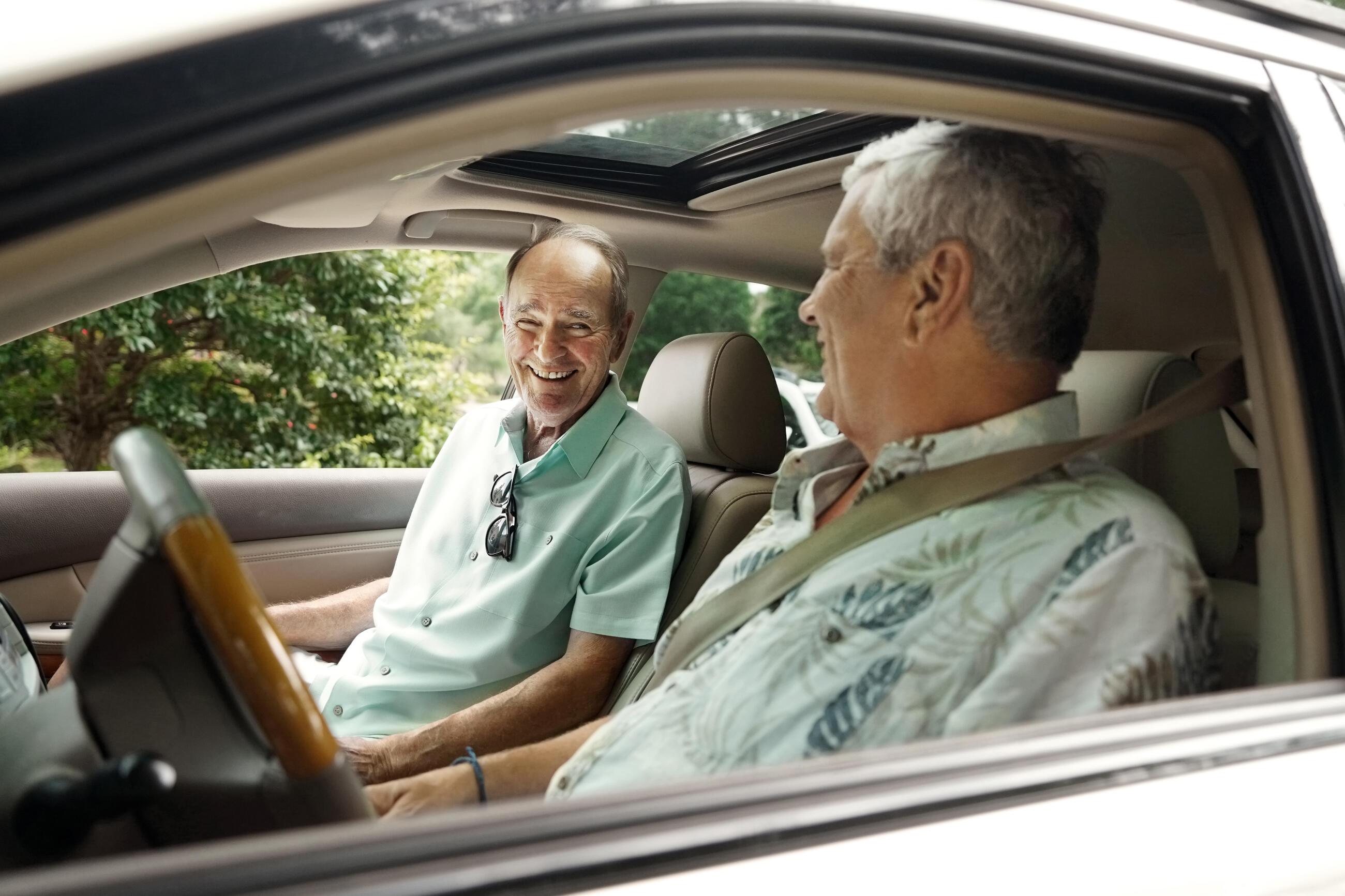
Highlight the nuances of male friendships
VisualGPS image testing shows that men are more likely to consider an image of a happy father and son playing outside “more successful” than that of a businessman clad in a tailor suit and designer watch, seated on a private jet. This reinforces the importance of connection in men’s lives. Imagery can evoke those key friendships in different ways.
High fives & fist bumps
Close friends aren’t afraid to be closer to each other when sitting on a couch or when walking around outside (the most common scenario for male friends to be seen in). Even something as simple as touch, like an encouraging fist bump or reassuring pat on the back can highlight the strength of a friendship. Closeness can even be evoked through composition by using tight shots, such as close‑ups. When selecting imagery, consider how close men are to each other and what that says about their relationship. To really emphasize the camaraderie within a male friendship, don’t be afraid to show depictions of touch, such as a high five, or even a hug.

Boys do cry
Emotions in male friendships appear overwhelmingly positive, which is fine—but nuance is the secret to relatability. For example, a friendly but competitive game of pickup will evoke a different tone than playing a silly prank.
If we dare to take this one step further, people are more likely to be more emotionally vulnerable with close friends. Pew Research reports that Americans (regardless of gender) feel more comfortable talking to friends than family members about their mental health.3 Those conversations come with a range of emotions, such as overwhelm, anxiety, even anger. Negative emotions make up less than 20% of visuals depicting male friendships, making them rare finds in the most popular images among Getty customers. If a brand really wants to stand out amongst the noise, consider showing the vulnerability that comes with friendship and the support that rewards it.

And when in doubt, feel free to resort to man’s best friend.
All article tags
Sources
[1] The Guardian
[2] PBS
[3] Pew Research Center
Related articles



Learn more about licensing with Getty Images and Stay Inspired!

Connect with our visual experts for more details

Subscribe to our newsletter