Private Banking: Wealth Visuals

TABLE OF CONTENTS

In times of economic uncertainty, stability resonates. Getty Images' VisualGPS research shows that more than one third of high‑income Europeans believe stability is crucial when choosing a financial brand. In the world of private banking, where the focus is on creating, protecting and passing on wealth; showing stability, longevity and legacy in visuals is key. European and global high‑net‑worth individuals (HNWI) are proactively managing both their health and finances to ensure they can enjoy a long, fruitful life.1 So how can private banks depict these values best in visuals?
New symbols of stability
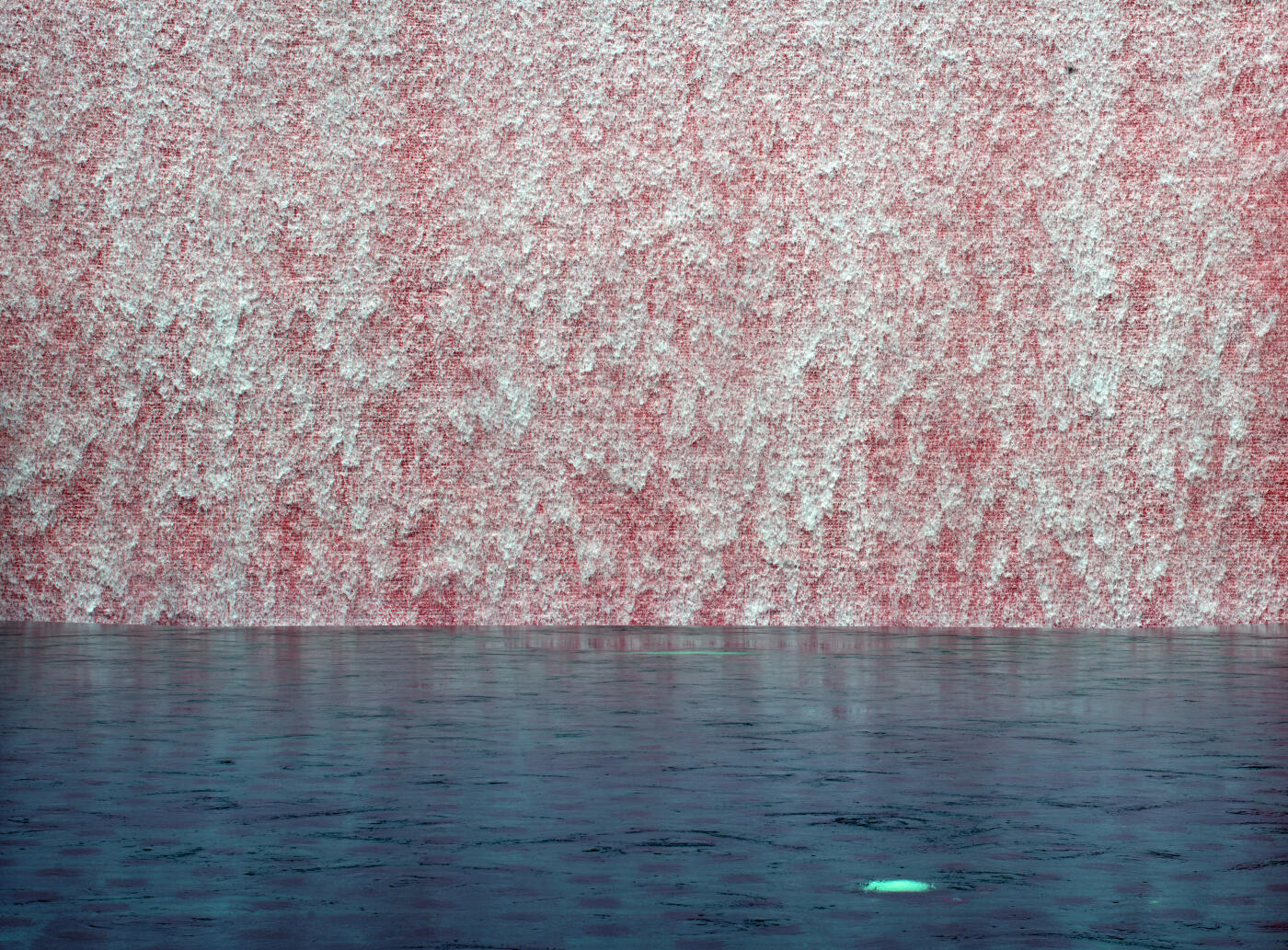
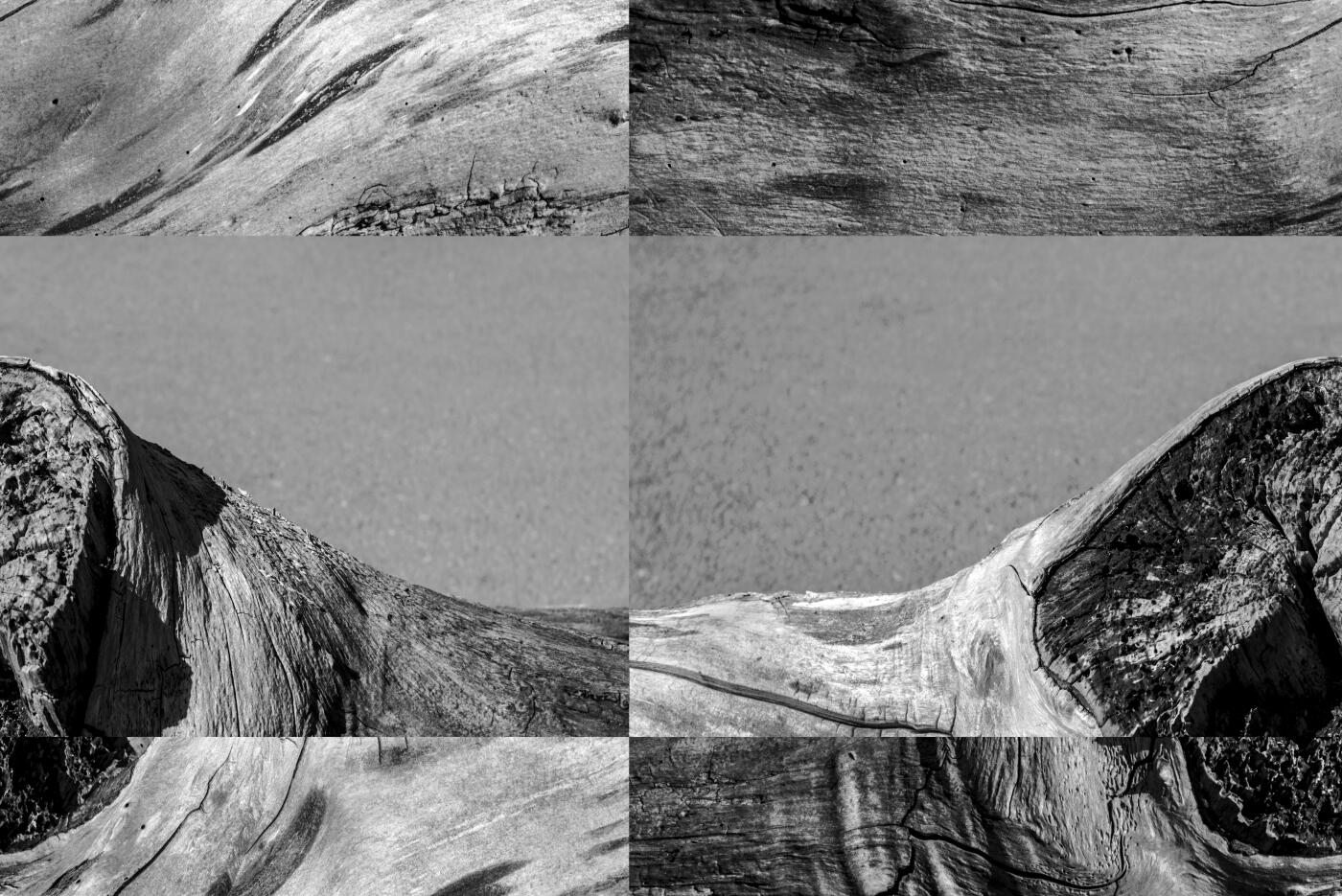
There is the arrival of a new generation of wealth builders with 58% of Boomers and Gen X actively involving the next generation.2 Getty Images' VisualGPS research shows that when deciding on financial brands, high‑income consumers’ top considerations are whether a bank has a trustworthy reputation and stability. To convey this, visuals used by financial sector usually feature sprawling glass, skyscraper cityscapes and imposing architecture. However, there is an opportunity to reimagine stability, reputation and reassurance, by adding nature to the mix. Visuals of mountains and ancient rock formations evoke both the past and the future and signify endurance and growth. Other approaches, such as using neo‑classical visuals will also tell a strong story. Use diverse colours, detailed shapes and elegant silhouettes, along with luxurious textures and materials. Alternatively, evoke quiet luxury with tactile elements and complementary, calm colour palettes, while monochrome visuals can also create a sense of strength, empowerment and unity.




Joys of longevity
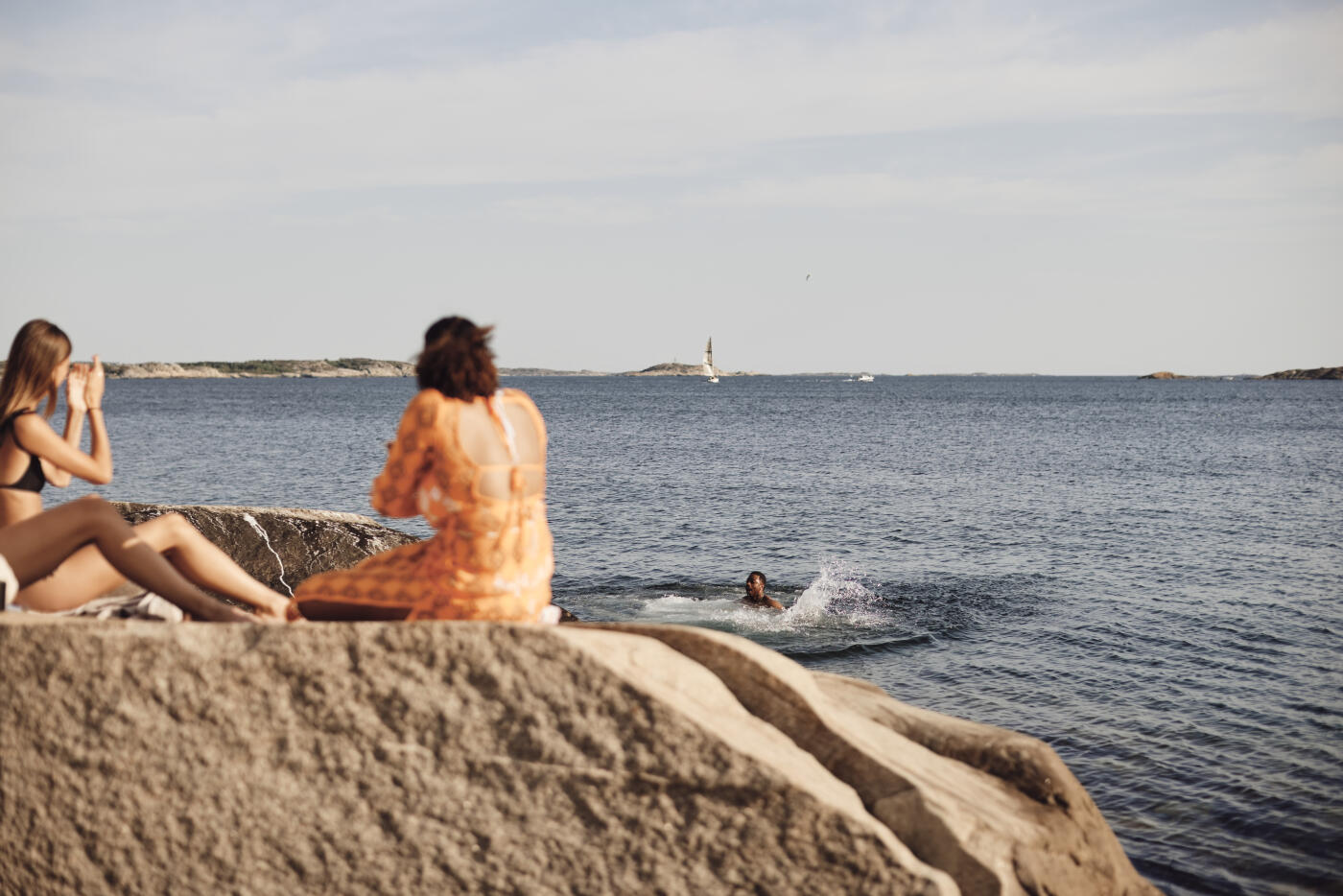
Getty Images' VisualGPS research shows that longevity is important to high‑income Europeans. 72% agree with the statement: "Each day, I try to take steps to improve my health and wellbeing". In addition, 81% are eager to explore new and different wellness practices. Better health goes hand in hand with financial health, as HNWI are keen to ensure that their financial plans will allow them to continue living as they are accustomed to doing.3 Ultimately, it’s about showing a sense of peace of mind and serenity, even when the economy is uncertain. Pictet, for example, used minimalist black‑and‑white videos of calm, people at rest, or sleeping to create this effect.4 Our VisualGPS research shows that the audience is eager to see this type of calm, while moving from owning to experiencing and being hyper‑present. Seven in 10 high‑income Europeans agree that small, everyday pleasures bring them the most joy. To visualise this, videos with a locked camera captures the natural motion of your subjects. Add slow motion and considered light to evoke a sense of joy, hyper‑awareness and optimism. Restore calm and order with a subtle or recessive hint of balanced wellness visualised through muted colours palettes and organic textures.
Great wealth transfer
Wealth transfer is a priority for private bank clients.5 However, Getty Images' VisualGPS research shows that it’s most likely to be depicted by literal visuals of handshakes, and anonymous close‑up shots of signing a contract. This approach fails to capture the emotional weight, scale and preparation needed for the great wealth transfer. Currently, 83 trillion dollars globally is expected to be passed on within the next two decades.6 Brands can show this by visualising how people of different generations connect. In fact, our VisualGPS research shows that seven in 10 high‑income Europeans want to see more intergenerational stories in visual storytelling. Consider also including women and especially younger women as the next wealth decision makers. In 2024, out of the billionaires under 30, nearly 47% were female.7 Overall, this transfer of wealth is about continuity that enables moments of peace of mind and shared experiences. Visual narratives are subtle, allowing families to focus on what's really important: Spending time together.







For private banking brands navigating changing wealth visuals around the great wealth transfer, visual storytelling that highlights family continuity, wellbeing and peace of mind emphasise emotional connection and timeless values that bring peace of mind.
All article tags
Sources
[1] Julius Baer
[2] Julius Baer
[3] Julius Baer
[4] Pictet
[5] EY
[6] UBS
[7] Knight Frank
Related articles



Learn more about licensing with Getty Images and Stay Inspired!

Connect with our visual experts for more details

Subscribe to our newsletter