AI Is My Best Friend

TABLE OF CONTENTS
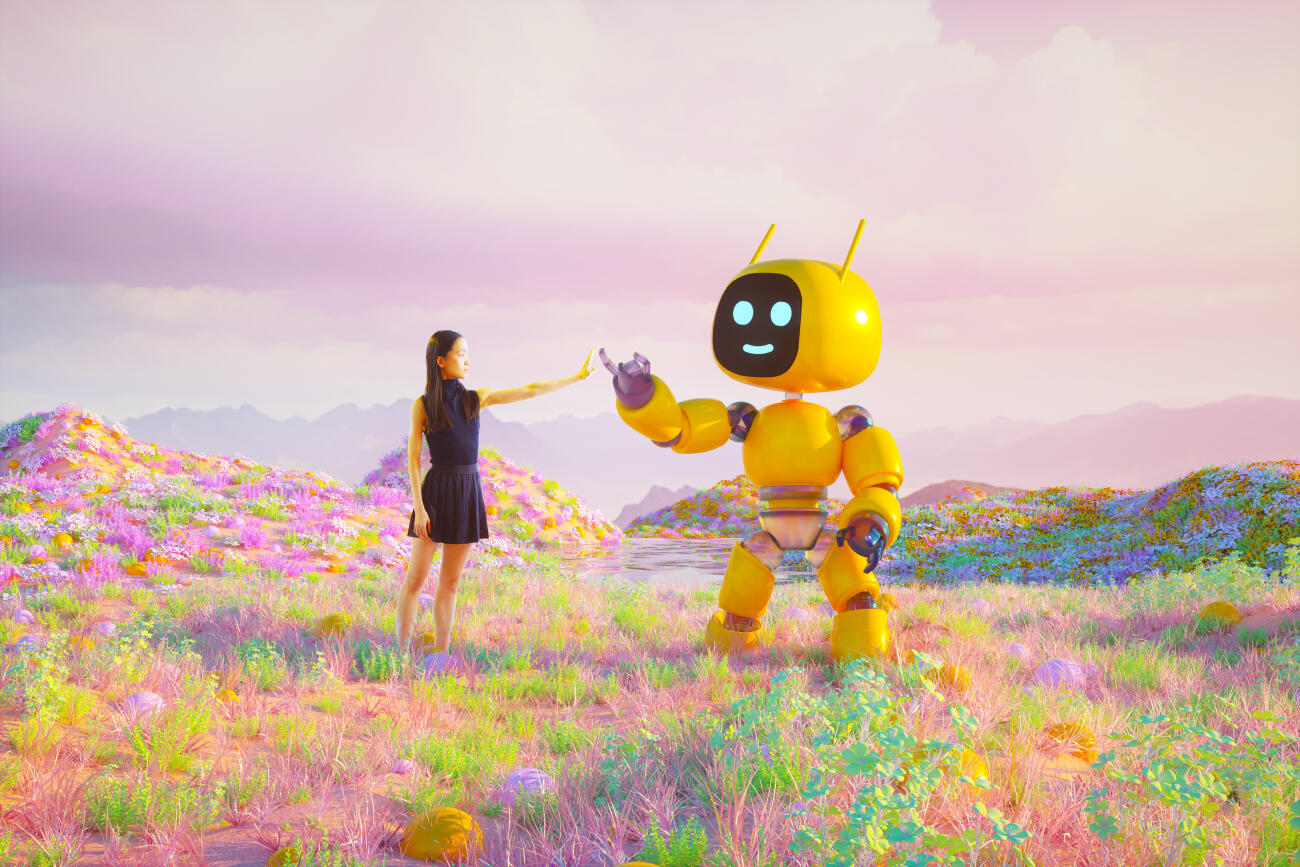
“AI is my best friend," that’s what my sister told me over lunch last week. I’d like to say I was surprised but over the past year this sentiment has become increasingly common across social media, so much so that this wasn't the first time I'd heard something like it. From storytimes to memes, people are sharing how their relationship with Artificial Intelligence has reached a whole new level. AI is no longer just a smart tool; for many it has become a trusted confidant and, in some cases, even a therapist.1 We’ve seen these kinds of parasocial relationships before. Eleven years ago, Spike Jonze’s movie Her imagined this scenario as fiction, but now it’s beginning to become our reality.
With AI's growing influence, brands everywhere are excited to incorporate it into their businesses, and they’re looking for visuals that effectively show this. "Artificial Intelligence" is one of most popular search terms for visuals at the moment, and is continuing to increase in popularity. However, looking at popular AI visuals, we see that brands mostly rely on work‑related content with a hyper focus on colorful data representation. This approach may have worked when AI first entered the mainstream, as it reflected more of its technical side. But now, we know that AI has evolved into something more complex, almost human‑like. As this technology advances rapidly, its visual representation needs to evolve as well.
Building on connections
In the most popular tech industry visuals of the past year, even when technology is the driver, human relationships take center stage. This shouldn’t come as a surprise. VisualGPS reveals that one in three people believe the most important thing in their lives is spending time with family, friends, or loved ones; relationships remain central to how we experience the world. In today’s reality, AI is no longer just part of the setting or a tool, it’s becoming something we connect with. There are two key ways brands can visualize this:
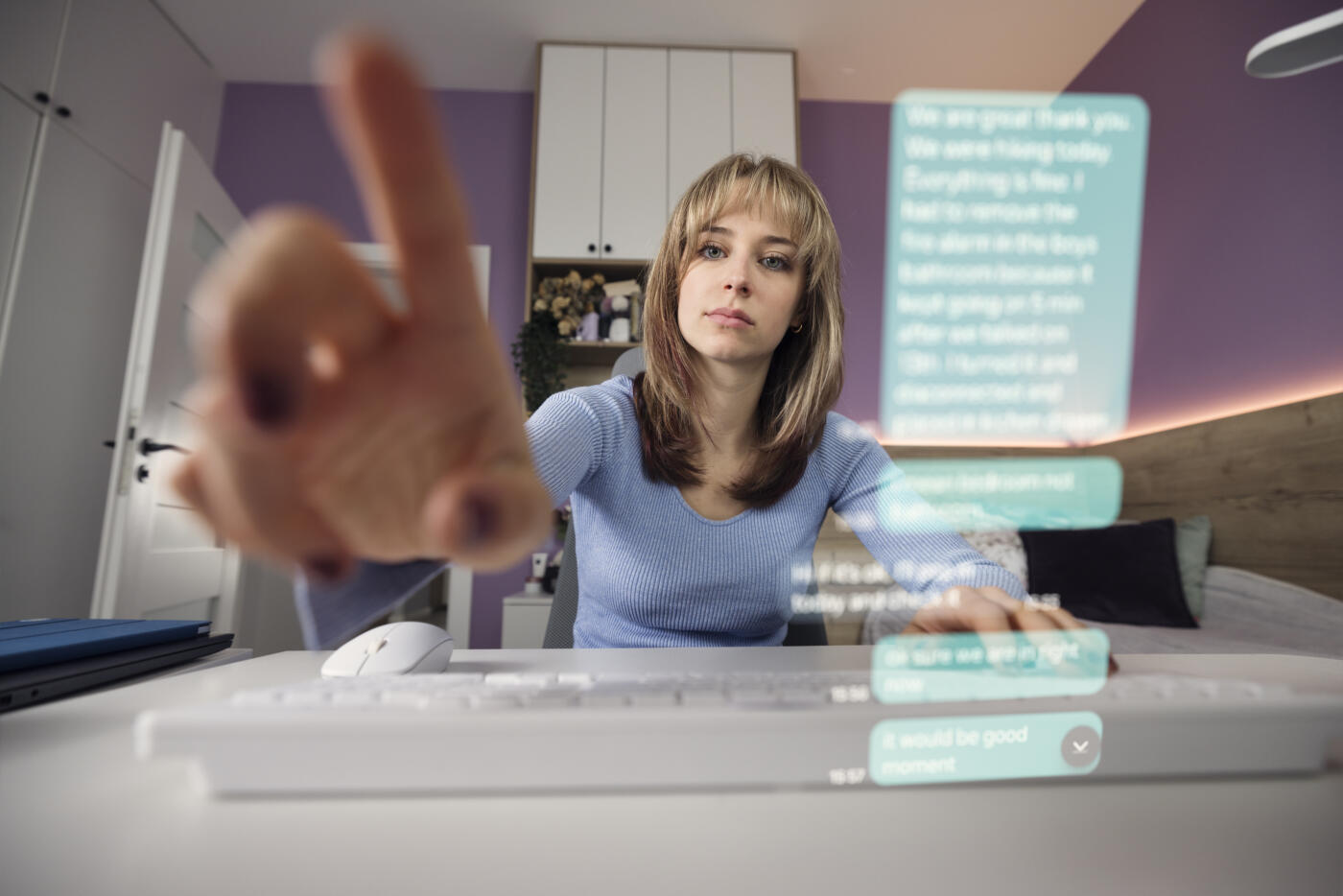
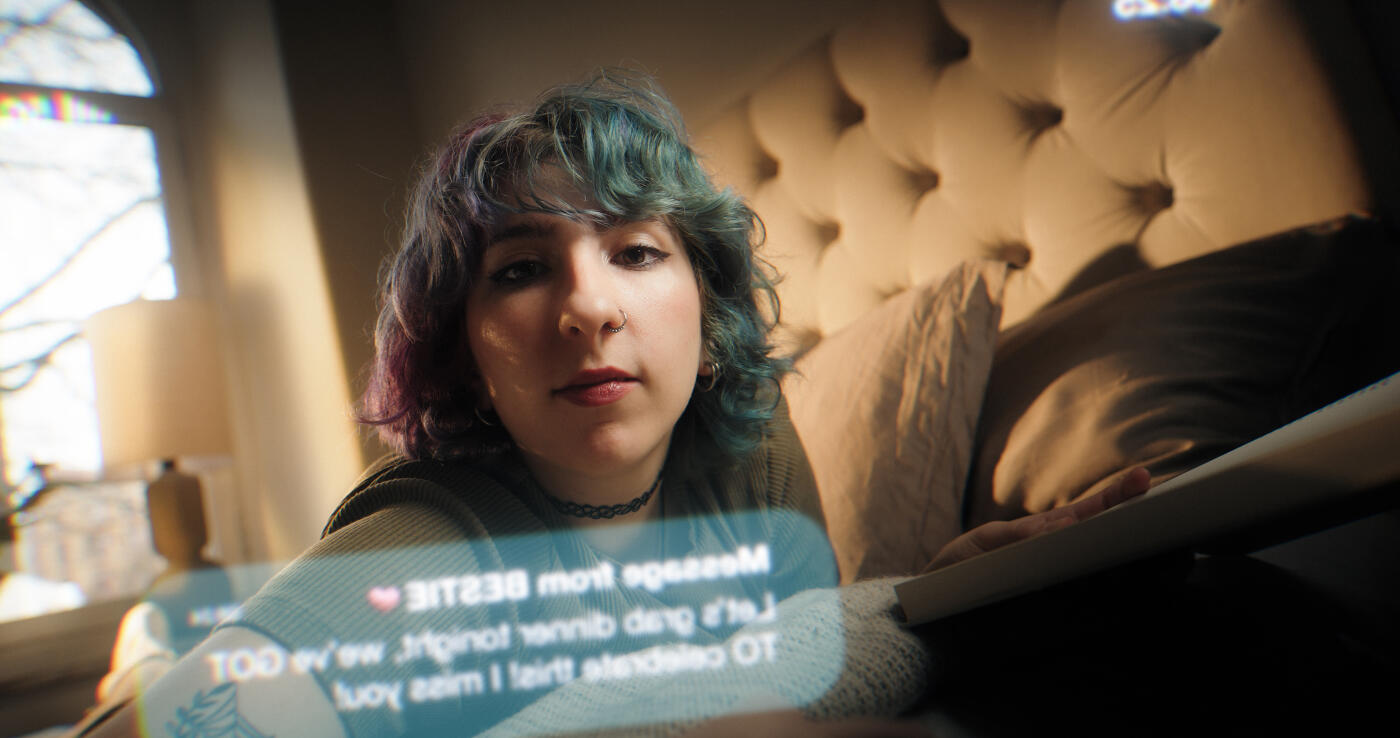
The literal route: Showing people and AI on the same plane. Not just someone interacting with a phone, but a more transparent portrayal that allows us, as viewers, to see into the relationship. It’s like placing a clear veil that reveals an intimate connection, where emotions surface and hints of connection appear (think overlays!).
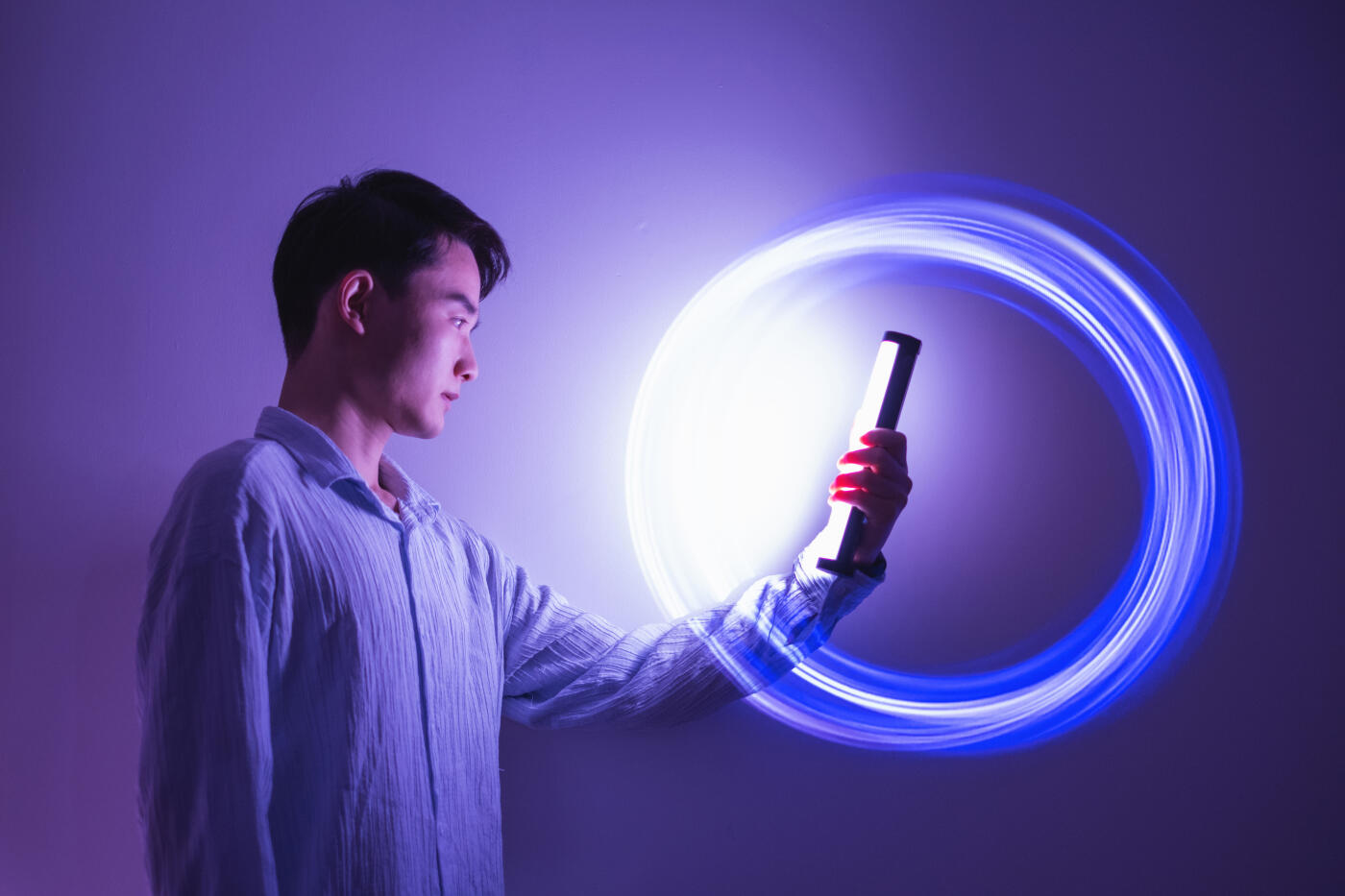
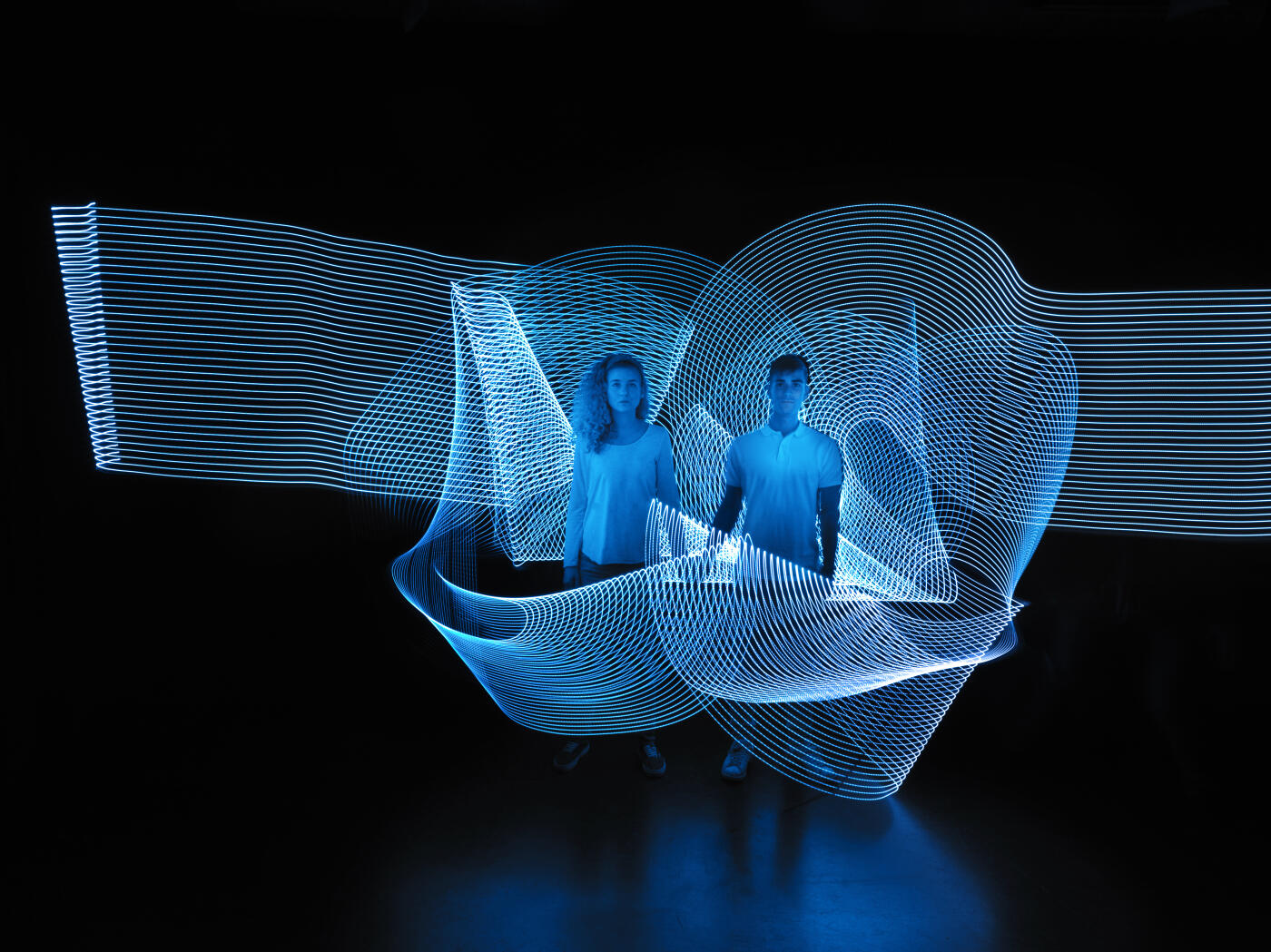
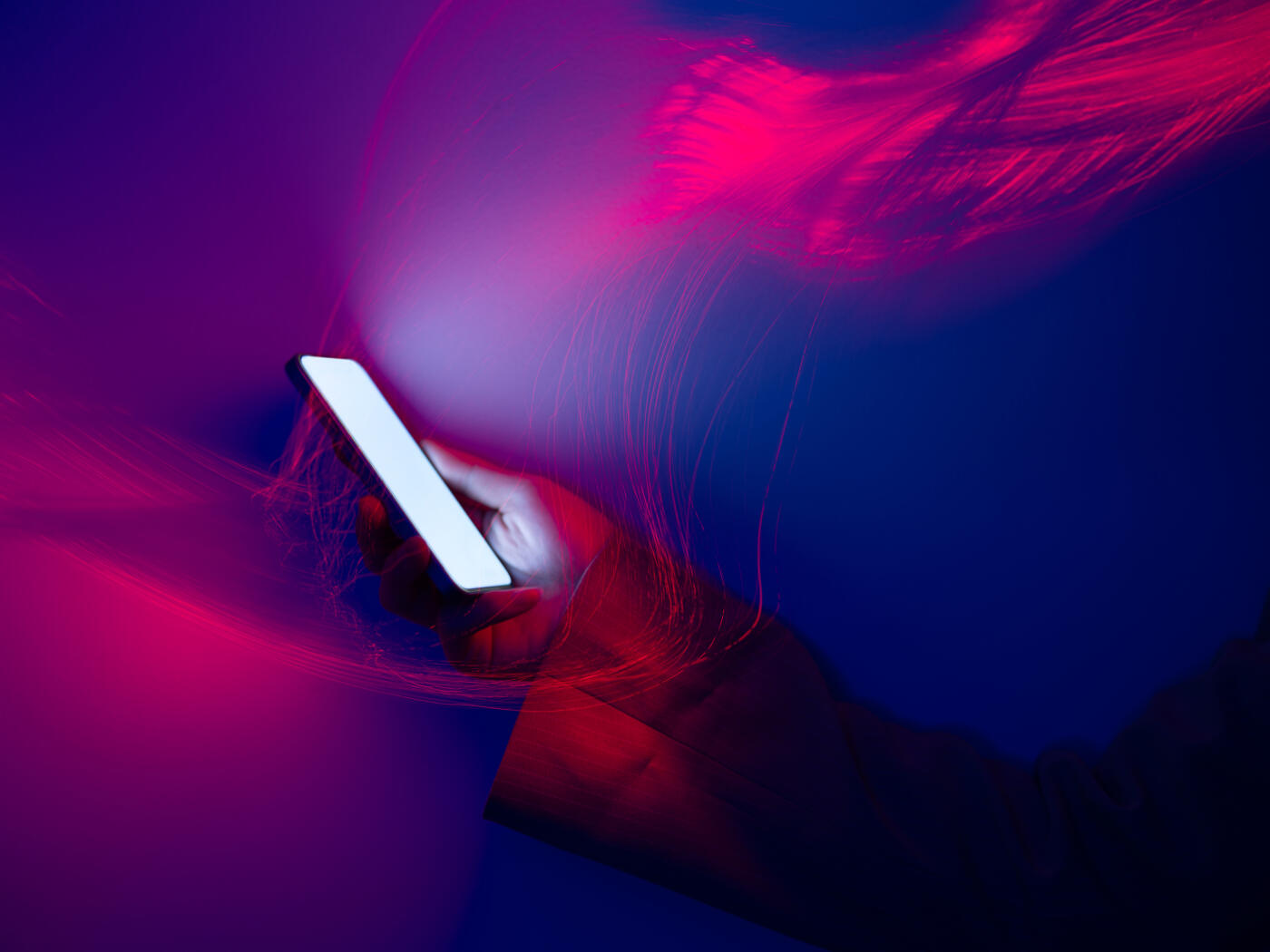
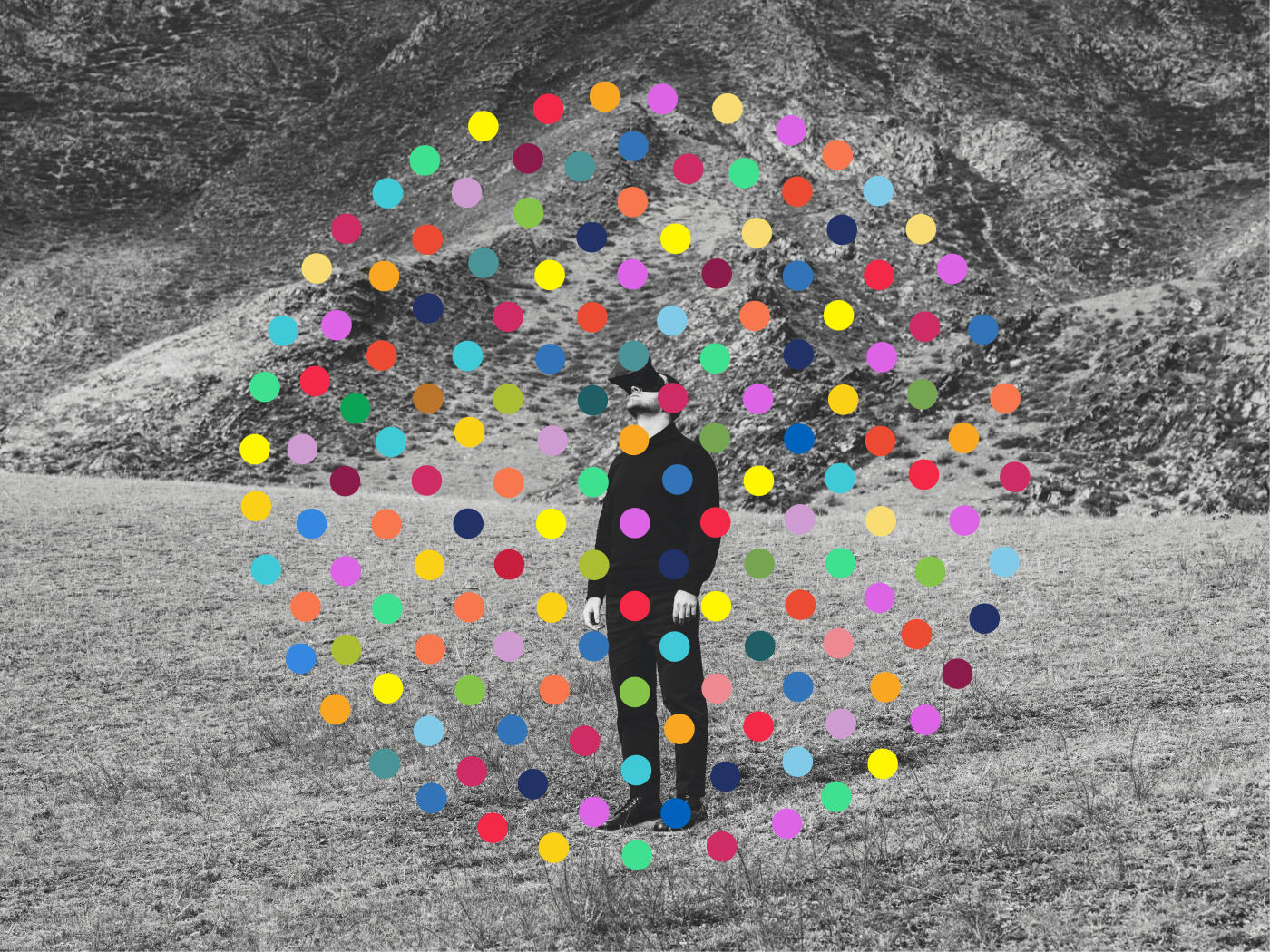
A conceptual approach: Using visual effects to give form to the invisible bond between a person and their AI. Through motion, light, or color we can visualize the emotional bond that defines these relationships. This abstract approach helps visualize the complexity of this type of parasocial relationship that taps into emotional connections, invisible bonds, and world‑building beyond the physical plane.

Putting a face to the name
According to VisualGPS, over 60% of people think since AI is based on real‑world data, it is comparable to what humans can create or interpret on their own. This suggests that for the majority of consumers, AI has this human‑like quality. At the same time, AI systems (especially chat bots) have an undefined quality to them that comes from these system's nature to evolve, always learning from our inputs and adjusting their responses to reflect what we want to hear. That means my AI best friend won’t look or sound like yours.
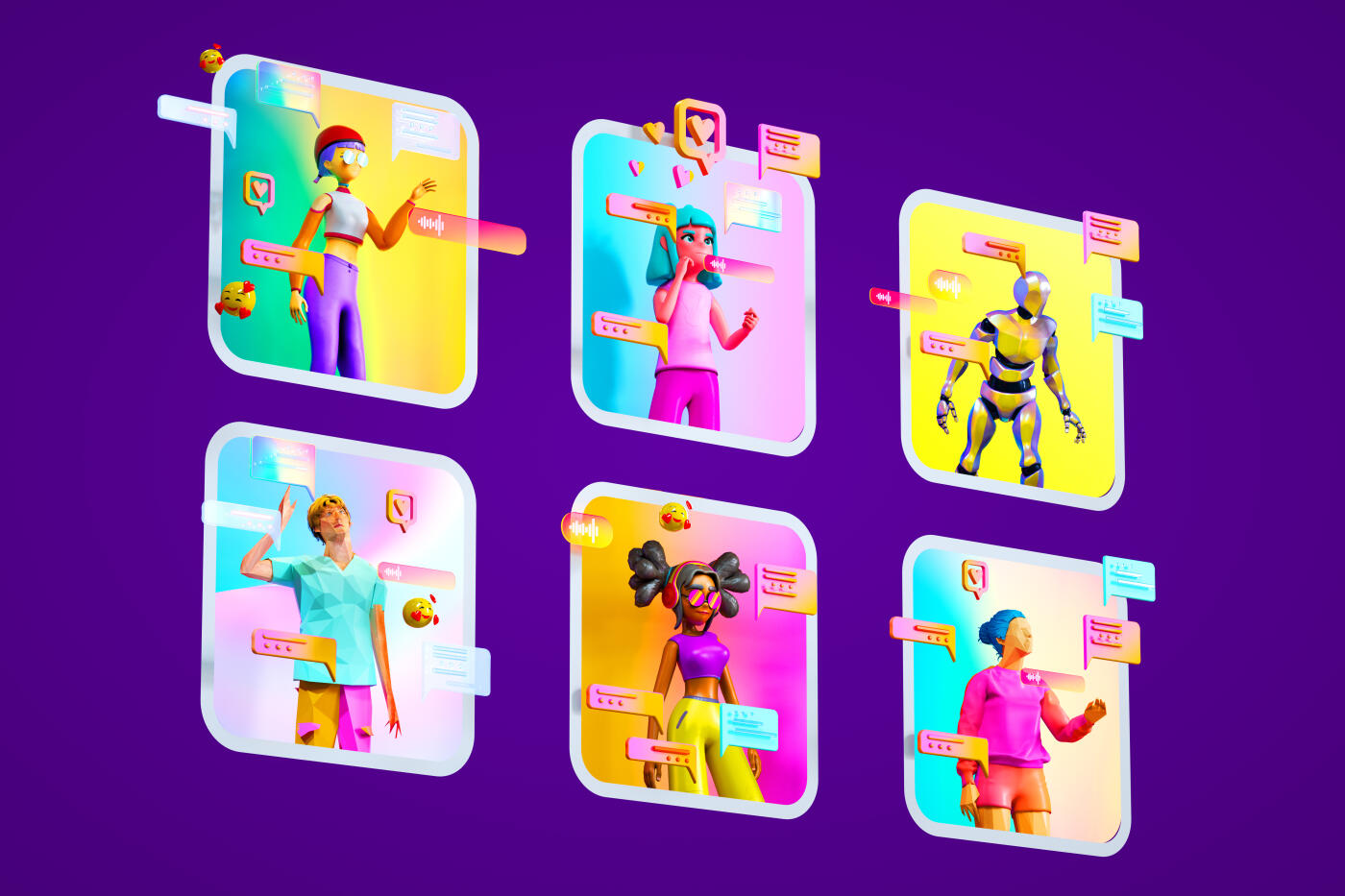
When thinking of bringing AI to life, choose visuals that capture the human form while maintaining an imaginative vision that links back to AI's ever‑changing nature and limitless possibilities. This could be a mirrored version of ourselves, a blank silhouette, a CGI avatar, a humanoid robot, or even a hologram. The goal is to have a balance between the familiar and the undefined, making AI both relatable and able to fit into many imaginations.
By showing AI from a current perspective, we can close the gap between sci‑fi and today's reality.
All article tags
SOURCES
[1] BBC
Related articles



Learn more about licensing with Getty Images and Stay Inspired!

Connect with our visual experts for more details

Subscribe to our newsletter