A Look Back at the Top Trends of 2025

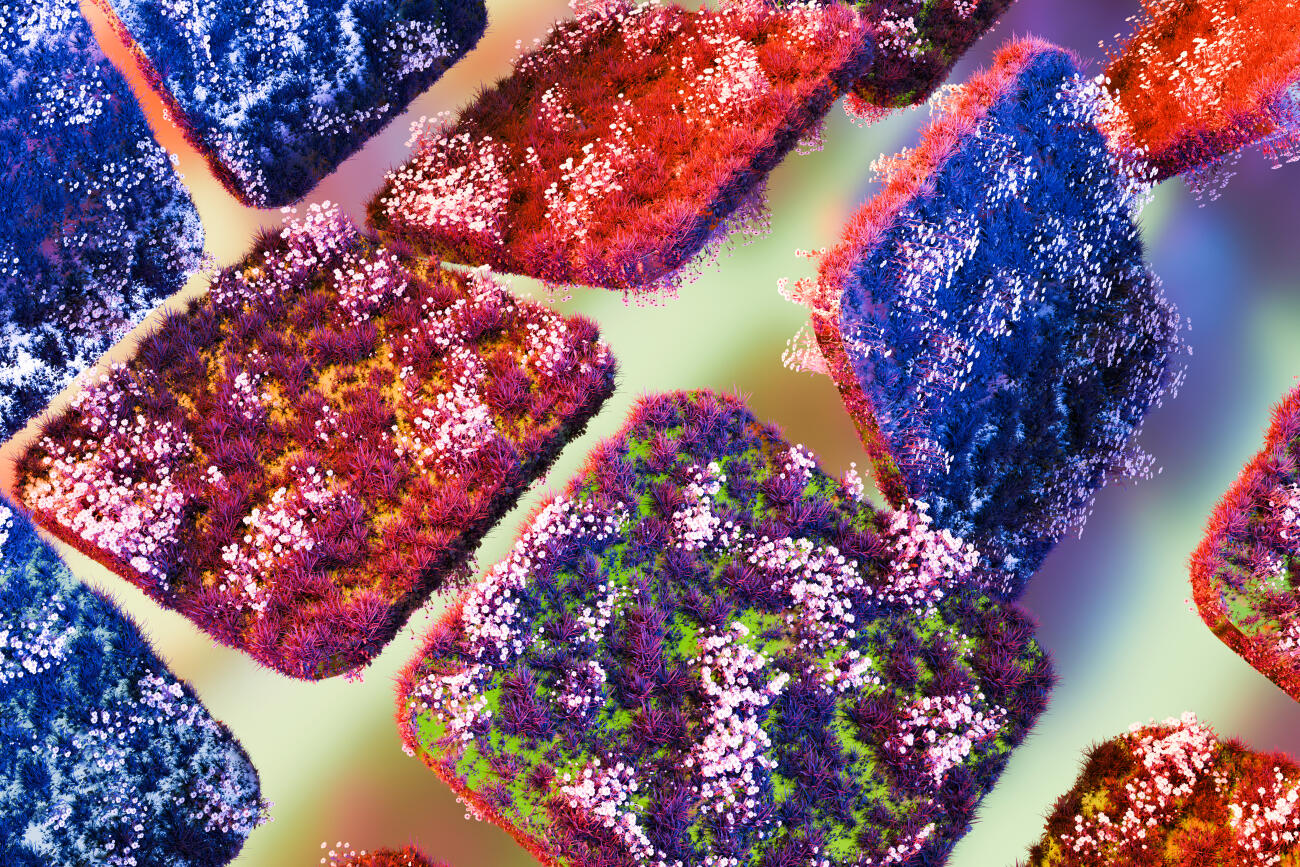
2025 was a year defined by disruption but also a renewed focus on trust. Consumers demanded more honesty, and brands responded with visuals that were more transparent, more in‑depth, and grounded in real experiences. Around the world, we saw imagery push back against “the inhuman”—from artificial intelligence to climatological crises—by re‑centering people and the stories that connect us.
Here are the most significant visual trends that shaped 2025, and a preview of what will matter most in 2026.
AI and our creative values can coexist
The challenge in the AI era is showing our relationship with technology in emotionally intelligent, visually compelling ways, either conceptually or more practically. We were hardly surprised when “AI” was once again Getty Images’ top‑searched keyword globally in 2025, reflecting brands' sustained interest in being part of the AI hype.
However, even as interest in AI surged, consumer skepticism remained high: according to our VisualGPS research, 76% of people agree that it’s getting to the point where they can’t tell if an image is real or not and while they enjoy experimenting with AI gen themselves, there is an expectation by two thirds of consumers that brands use real, unmodified photos in their ads.
The tension between generative AI’s utility and the ethical issues it poses has influenced creative decision‑making across the globe. Brands are learning to balance the opportunity AI presents with the human values that make visual storytelling meaningful. Every visual is a chance to make a real connection—and the honesty, empathy, texture, and relatable messiness of human experience, as told by humans, are still what resonate most.
When creating truly authentic visuals, technique is a powerful currency. Demonstrating human‑crafted photography and videography shows the passion and intention that goes into the work, while also assuaging consumers’ skepticism about the origins of what they’re seeing.
Behind‑the‑scenes content had a moment in 2025, offering consumers a peek under the hood while giving brands the opportunity to elevate the power of human craft. Earlier this year, for example, Apple2 accompanied an AirPods ad – starring beloved actor Pedro Pascal and directed by Spike Jonze – with a series of outtakes that revealed both the technical artistry behind the ads and the joy of creating something together.
When we feel like we have seen everything, a peek behind the scenes feels new and brings meaning to a piece of content that otherwise blends in with everything else.
No machine can emulate human connection.


Personalization is the biggest visual flex
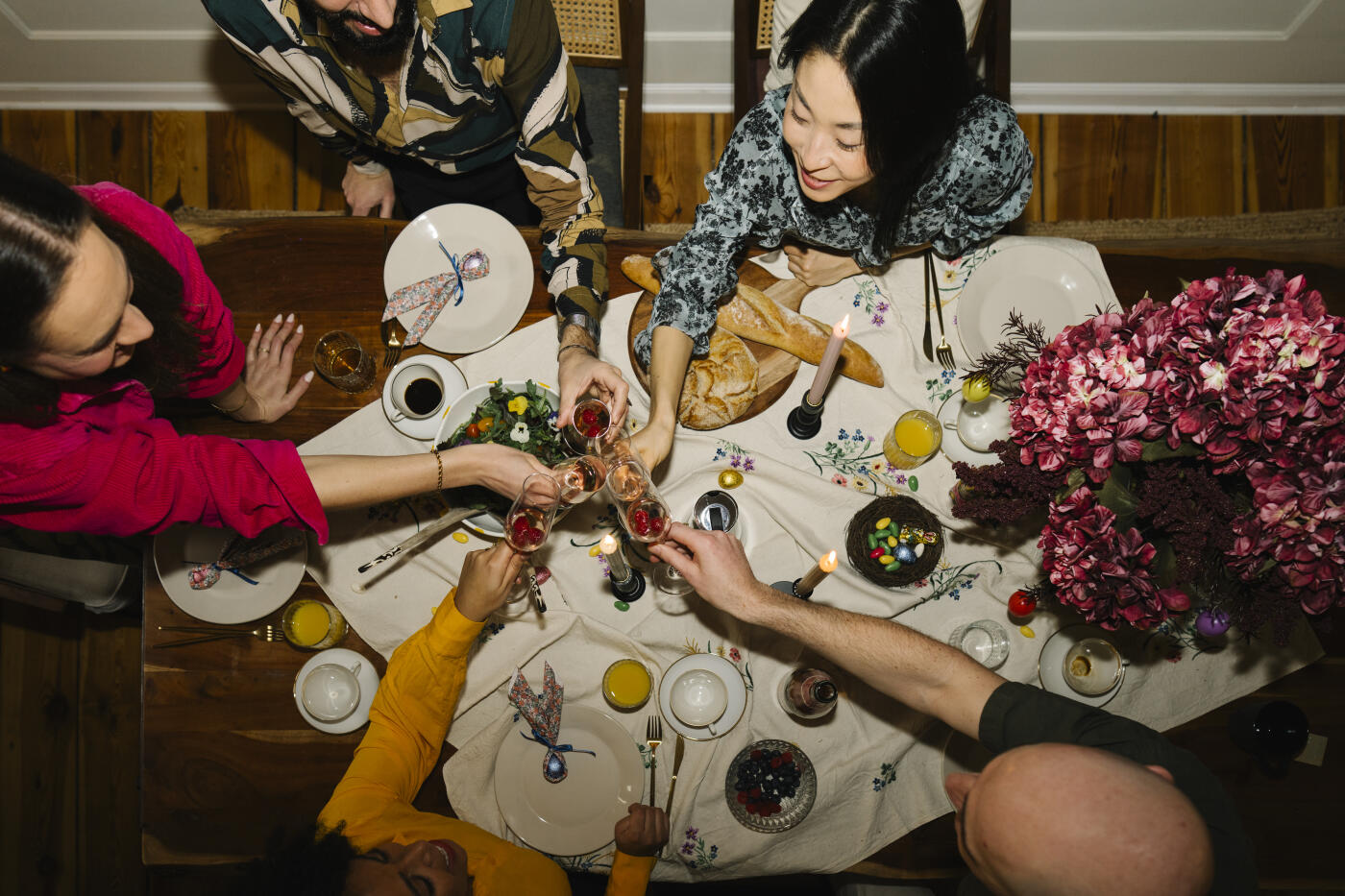
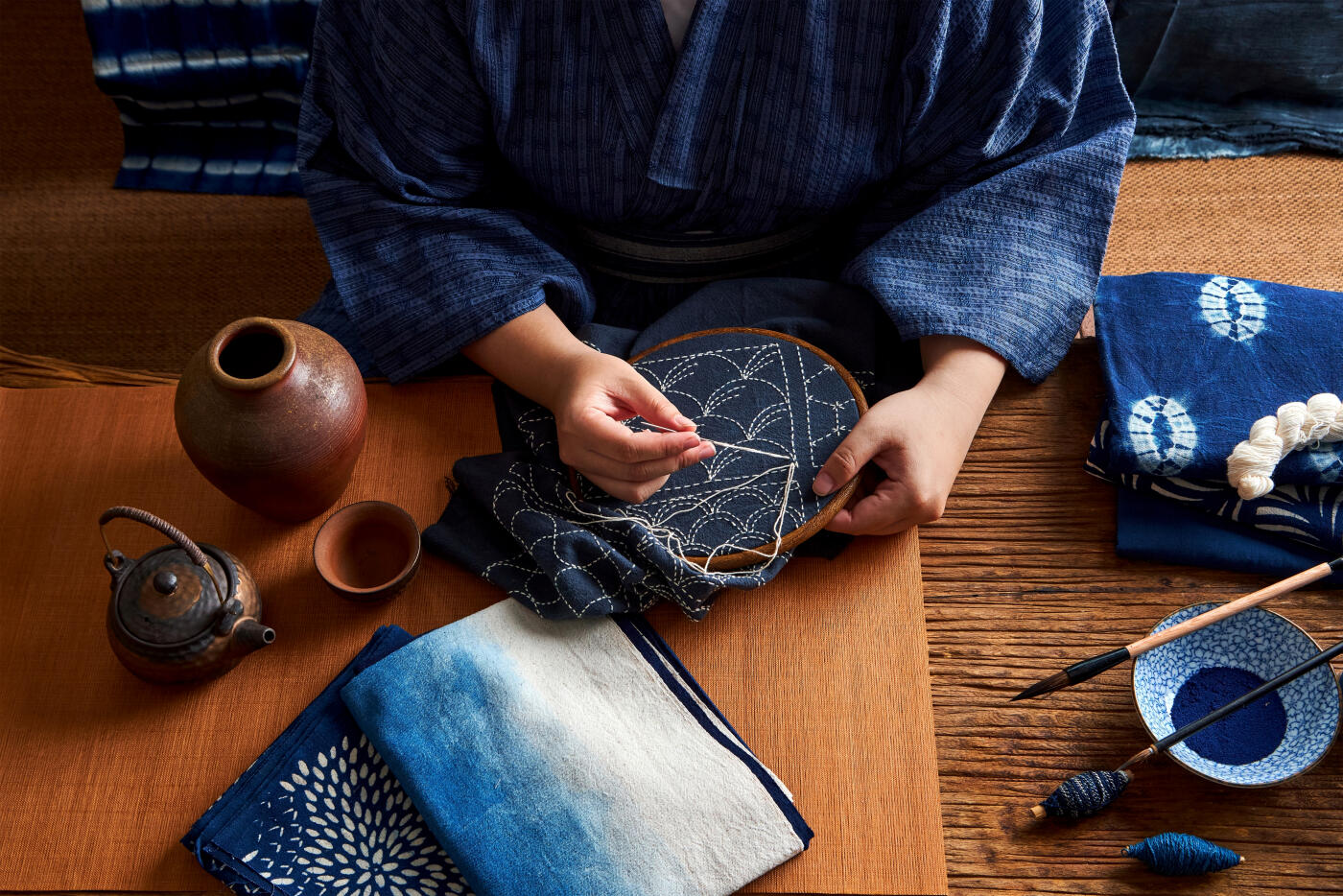
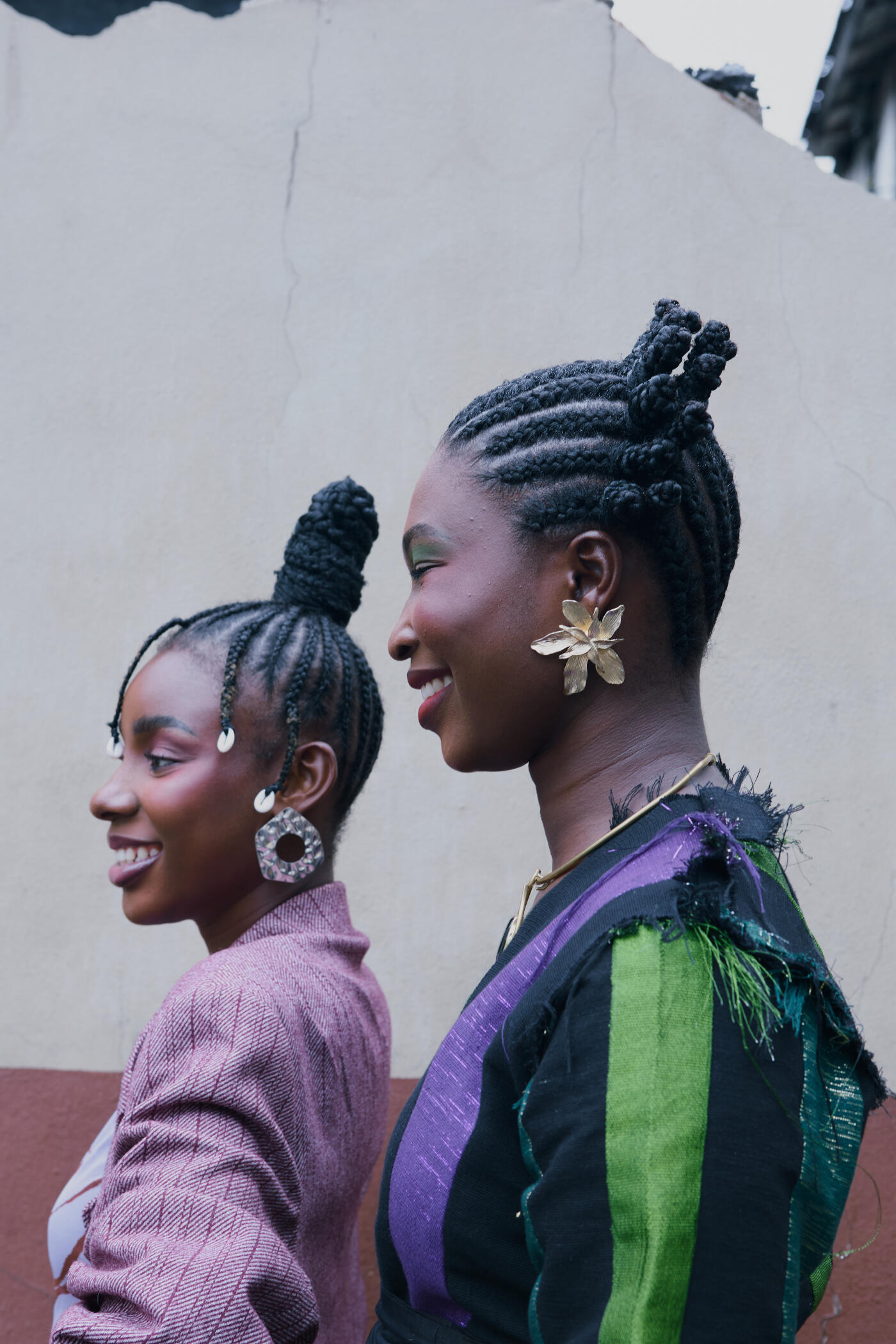
“Authenticity” continues to guide visual storytelling, but how we define authenticity is quickly evolving. Just two years ago, we uncovered that consumers largely had fragmented ideas of what authenticity actually means. For some, it was all about truth and accuracy; for others, uniqueness and originality; and for others still, authenticity was defined as sincerity and earnestness. In 2025, definitions have coalesced around individuality and personalization: highly tailored content that reflects real lived experiences.
Today’s consumers desire authenticity through visuals that feel fresh, vibrant, and new. Audiences want to see a full range of life experiences that speak to individuals on a personal level, featuring people and places that feel real, specific, and brimming with local character. For example, the Cash App Communities campaign3 does this by capturing hyper‑local, everyday moments where people are using the app.
As brands strive for this new standard of authenticity, they might ask “How are the stories we tell distinctly personal?” “What new ideas and interests and passions, new forms of pleasure, new forms of connection and tastes can we showcase to authentically represent our now?”
The push toward deeper personalization runs headlong into another force shaping culture: social media algorithms are narrowing the scope of what we see, reinforcing stereotypes and the status quo. When consumers are losing access to the difference that makes life meaningful, unique perspectives matter more than ever.



Consumers want honest yet inspiring sustainability stories
Sustainability, like the forces of nature that shape the world, moves in cycles. 2025 was a phase of pullback, where sustainability messaging became quiet and more measured—and in some cases, stopped altogether.
However, consumers still care deeply about sustainability, and for many, their expectations are rising: nearly 9 in 10 consumers globally want to see brands using their resources to improve the environment and society.
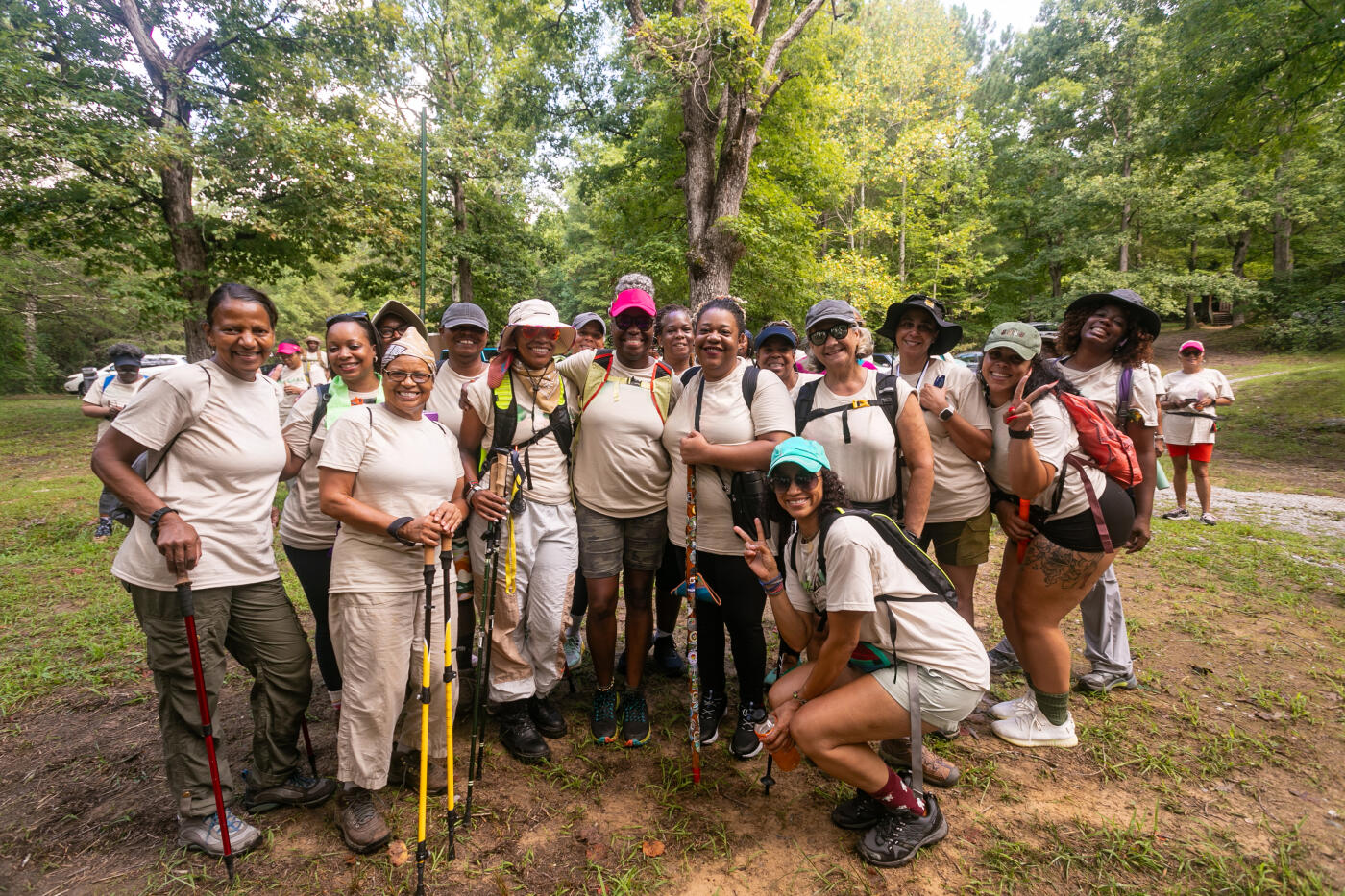
In 2025, the new creed of sustainability storytelling became hope with hard edges—inspire audiences with evidence of progress, but don’t shy away from depicting the challenges. Today’s audiences prefer authenticity over perfection.
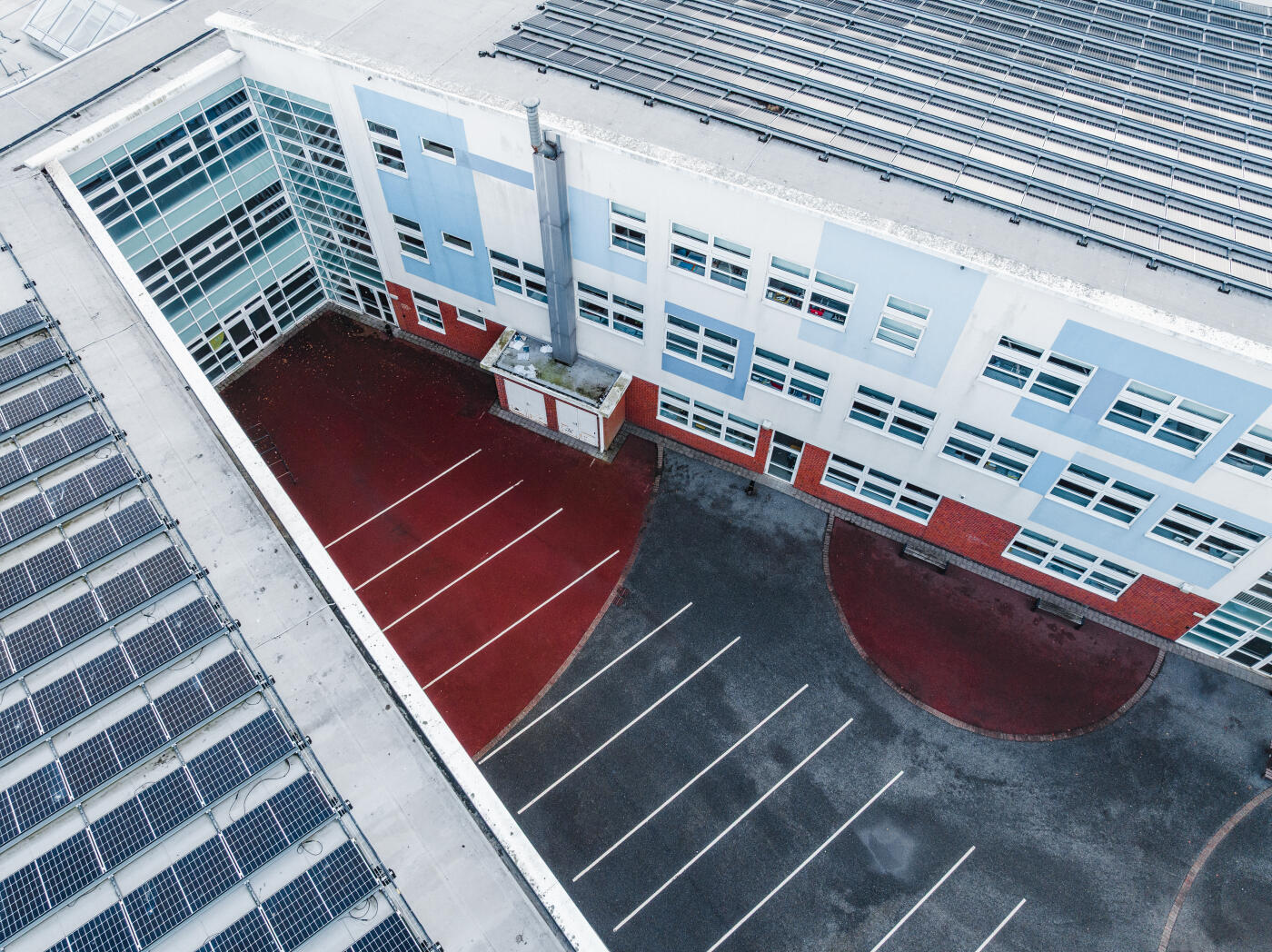
To tell more honest sustainability stories, use moments of visible action, rather than abstract visuals of melting glaciers and heat‑shriveled crops. Instead, go for a combination of striking human‑shot imagery and candids of real‑life sustainability efforts to balance aspirations with impact. Visualize how everyday choices, whether in business practices or consumer behavior, can make a difference. Show audiences what the future could be and then show them the work being done to make it happen.
The seeds will only grow if we sow them.




A preview of 2026
AI, authenticity, and sustainability will continue to transform visual storytelling in 2026, albeit in new ways.
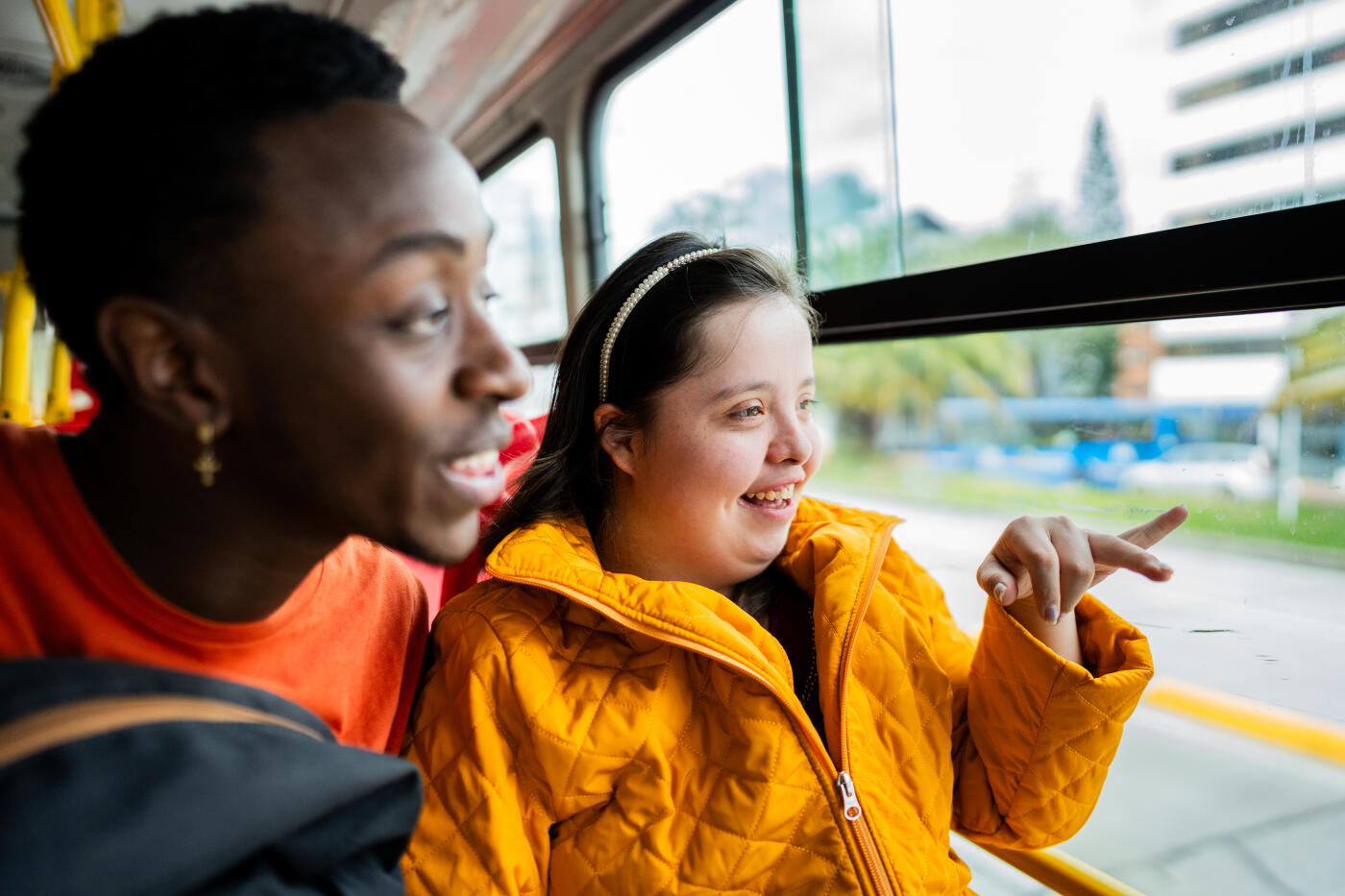
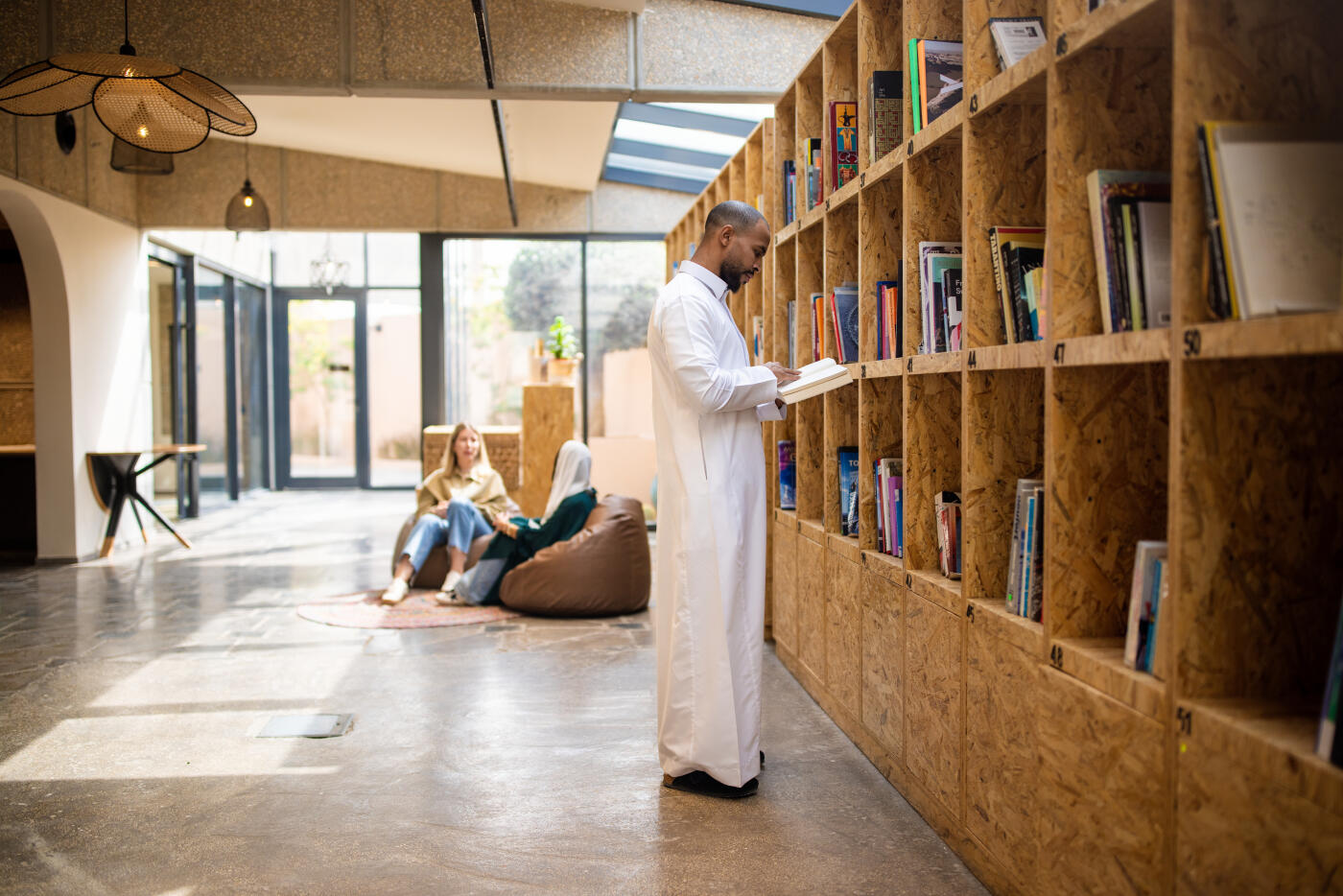
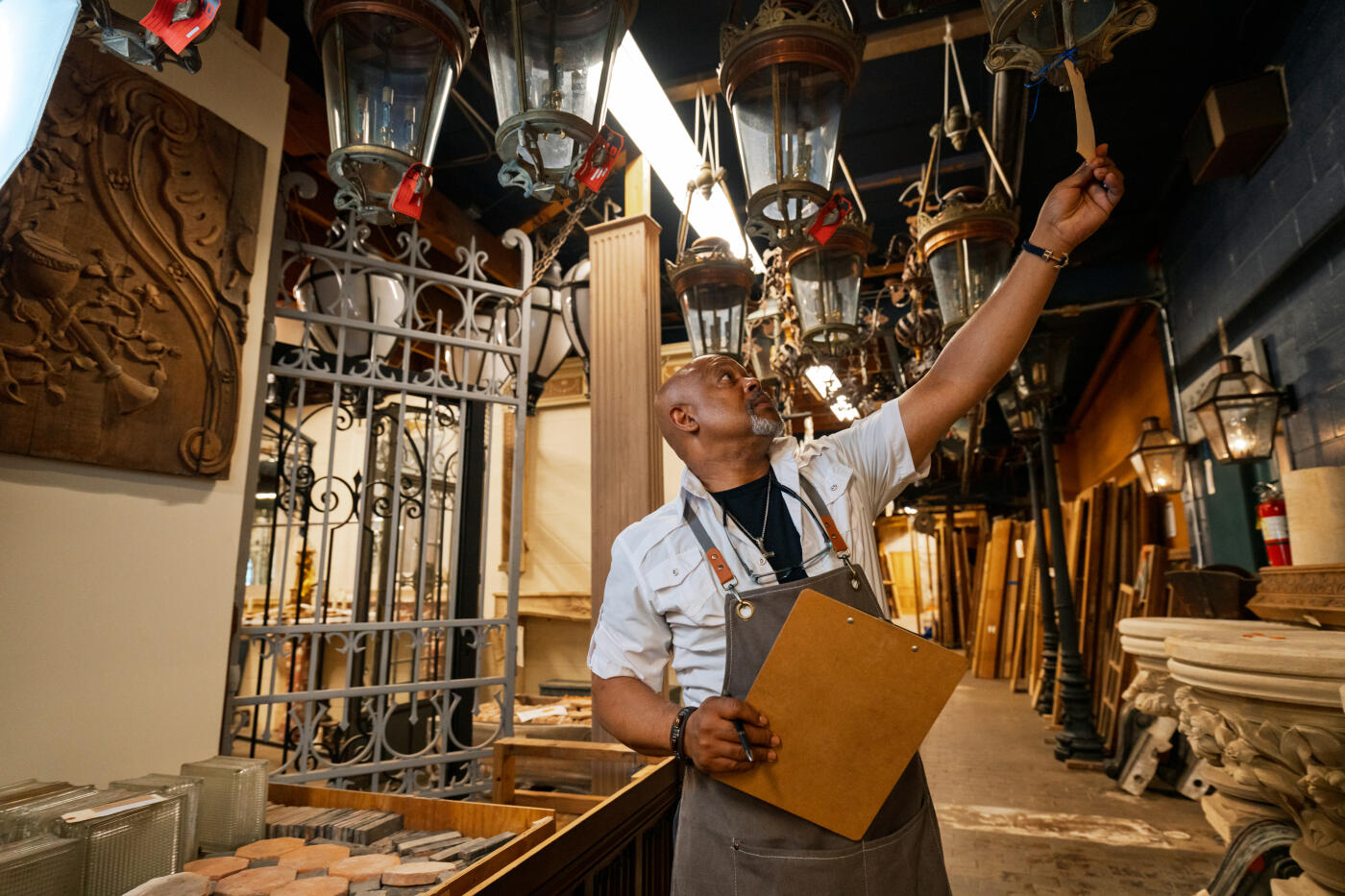
With AI models improving, creation will be quicker and easier, but will it fuel a period where everything looks too similar? With audiences demanding greater credibility, originality, and authenticity, how will imperfect creativity and randomness make brands stand out in their storytelling? How will sustainability messaging evolve to make us more confident in our future? In ourselves? And finally, what aspirations of “comfort” are consumers craving in their everyday lives (travel, work, at home, with friends and so on) in a world shaped by constant economic and emotional stress?
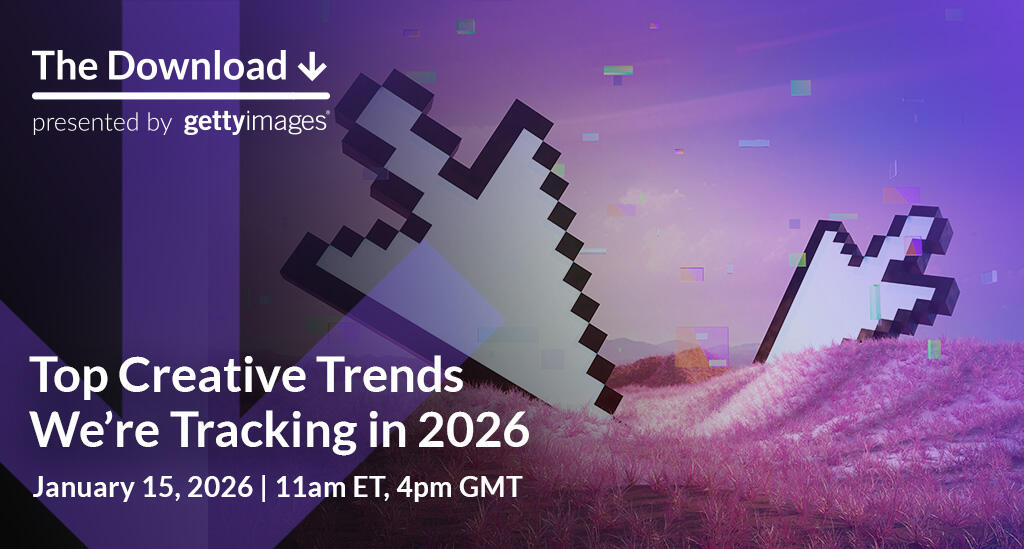
I’ll be diving into these questions and more with our Global Creative Insights team on an all‑new, special edition of The Download on January 15, 2026, “Top Creative Trends We’re Tracking in 2026.” The episode will delve into the top visual trends shaping the year ahead, bringing global and regional nuance to brand storytelling, all powered by Getty Images’ VisualGPS research and insights. Be sure to register and tune in here:
All article tags
Related articles


Learn more about licensing with Getty Images and Stay Inspired!

Connect with our visual experts for more details

Subscribe to our newsletter