Sustainability is Not Going Away This Time
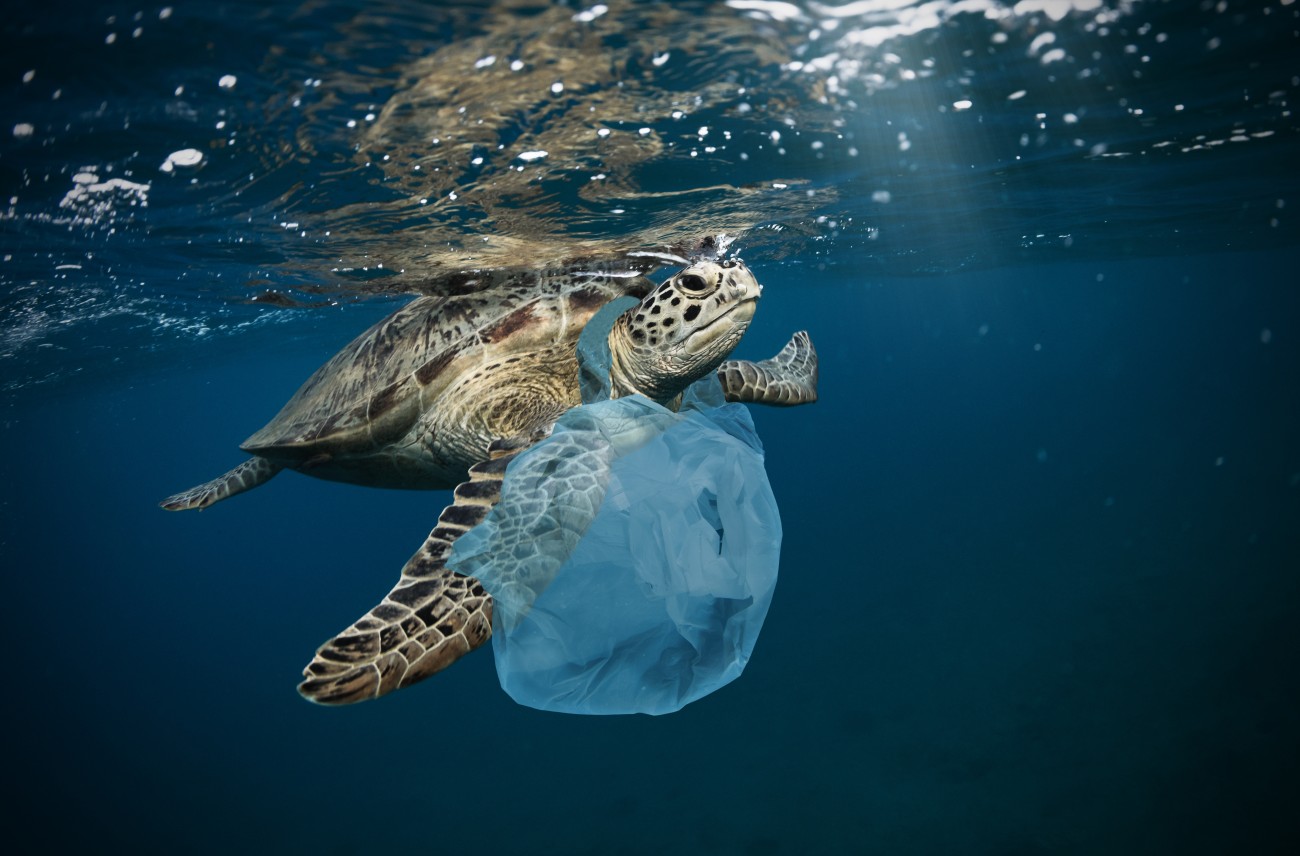
Sustainability and climate change awareness has been topping the news and corporate agenda in recent years, nudged by protests (in many instances by the younger generations) and a growing awareness of the human impact on the world. We saw a similar period of raised consciousness proceed Al Gore’s 2006 documentary An Inconvenient Truth, when the polar bear on a melting ice cap emerged as the icon for climate change. However, the financial crisis and global recession that followed in 2008 hindered any further progress. At Getty Images, sustainability searches declined over the next 10 years, and the polar bear did not trend again until 2019, when usage grew twofold.
We have therefore been tracking consumer concern for the environment and messaging around sustainability during the COVID‑19 crisis to monitor whether the same pattern would be recreated this time around. Through our Visual GPS research, we polled global consumers before and during COVID‑19 to investigate whether attitudes have changed.
At the end of 2019 and the beginning of 2020, how we treat the planet and each other were key forces driving consumer behaviour. This was evident in our Visual GPS consumer survey launched in February 2020, and is also dominating the conversations we are having with our customers across all industry sectors.
Despite the coronavirus crisis, we have seen an increase in concern for the way we treat the environment, and we can see it in how businesses are thinking about their imagery: sustainability (+142% increase since last year) and sustainable living (+201%) are trending against current search behaviour. In mainstream advertising campaigns, brands have shifted to home‑based living and working ideals, environmentally friendly transportation (e.g., electric cars and bicycles) and people enjoying the outdoor environment (which took on a new meaning during lockdown, seeing a 766% increase in related searches).


So why do we think sustainability will continue to be featured in visual branding?
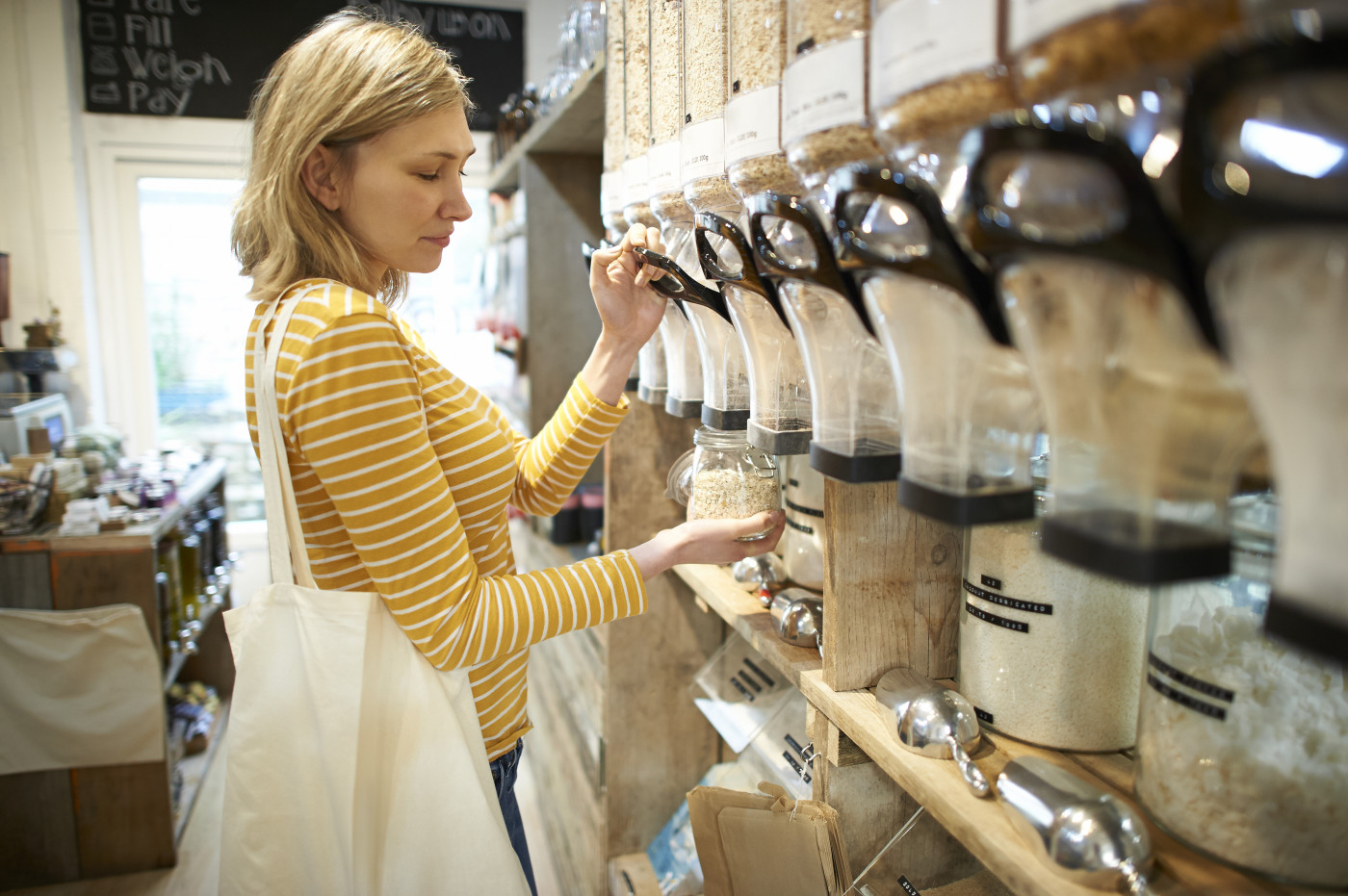
1. Nearly all (92%) consumers surveyed across the world are deeply concerned about at least one environmental concern. This means that the eco‑friendly consumer does not look a certain way or live a stereotypically eco‑friendly lifestyle. Individuals are trying to do their bit – whether that is switching to a plant‑based diet or using reusable shopping bags. The concern is intersectional, and the visualisation is becoming more inclusive, so the opportunity to show the expertise of businesses is in that diversity.
2. While climate concerns are typically seen as part of the youth agenda, 8 out of 10 of all consumers (81%) expect businesses to be environmentally aware in all their advertising and communications, and the expectation is higher amongst older consumers (84%). Seniors are more likely than any other age group to buy only from brands that make an effort to be eco‑friendly, and as this age group also represents nearly half the market for consumer goods (49% according to Nielsen), their expectation will translate visually to the aspirational desire for a better future through growing older and living a sustainable lifestyle.
3. The dominant visual narratives in the media about climate change in recent years have been of wildfires, pollution and plastic waste. Consumers are therefore predominantly concerned about the same issues and are twice as likely to be drawn to visuals that show how their own actions impact the natural world. However, in a very short period of time, as countries went into lockdown, the news media showcased the clear water in the canals in Venice, the clearer air in China and wildlife venturing into built‑up environments. The narrative is changing, bringing the environment closer to home, and moving towards positive reinforcement regarding the benefits of changing behaviours and evolving the visual language around sustainable lifestyles.








All article tags
Related articles



Learn more about licensing with Getty Images and Stay Inspired!

Connect with our visual experts for more details

Subscribe to our newsletter