Visualising Female Friendships

TABLE OF CONTENTS
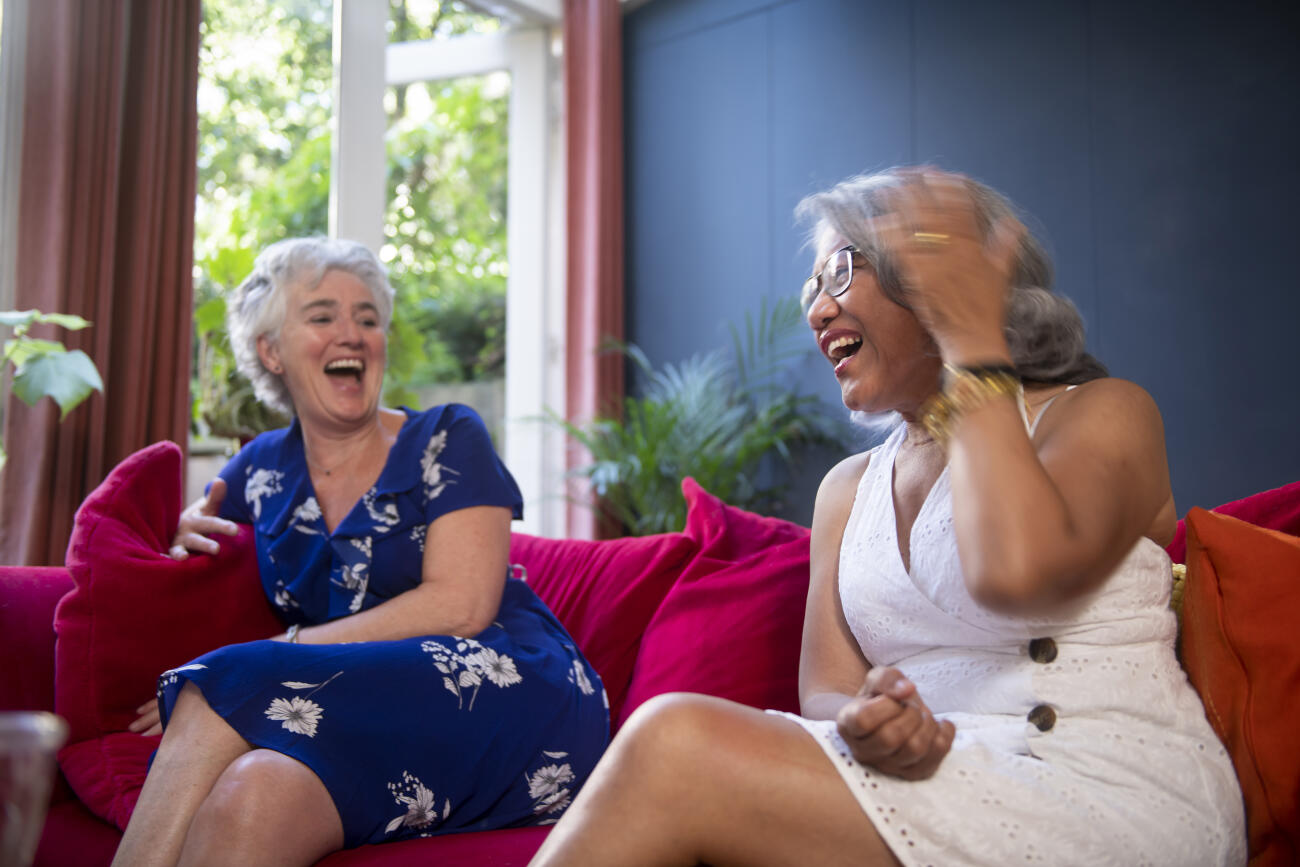
Now that it's International Women’s Friendship Month, brands have a unique opportunity to celebrate and highlight the vital role that female friendships play in women’s lives. These bonds are more than just social connections—they are sources of strength, support and joy that evolve across different stages of life. For marketers, understanding how to authentically represent these relationships visually can create more meaningful connections with female audiences, foster brand loyalty and inspire positive emotional responses.
Getty Images' VisualGPS research reveals some interesting opportunities: While visuals of younger female friendships are three times more popular with Getty Images customers than older female friendships, the desire to spend quality time with friends increases with age with 72% of European females aged 60+ agreeing vs 55% of Gen Z and Millennial women. By aligning your visuals with what women truly value—at every age—you can craft campaigns that resonate on a personal level, making women feel seen, understood and celebrated.
Here’s how you can leverage these insights to inspire your next marketing campaign.
Travel with friends
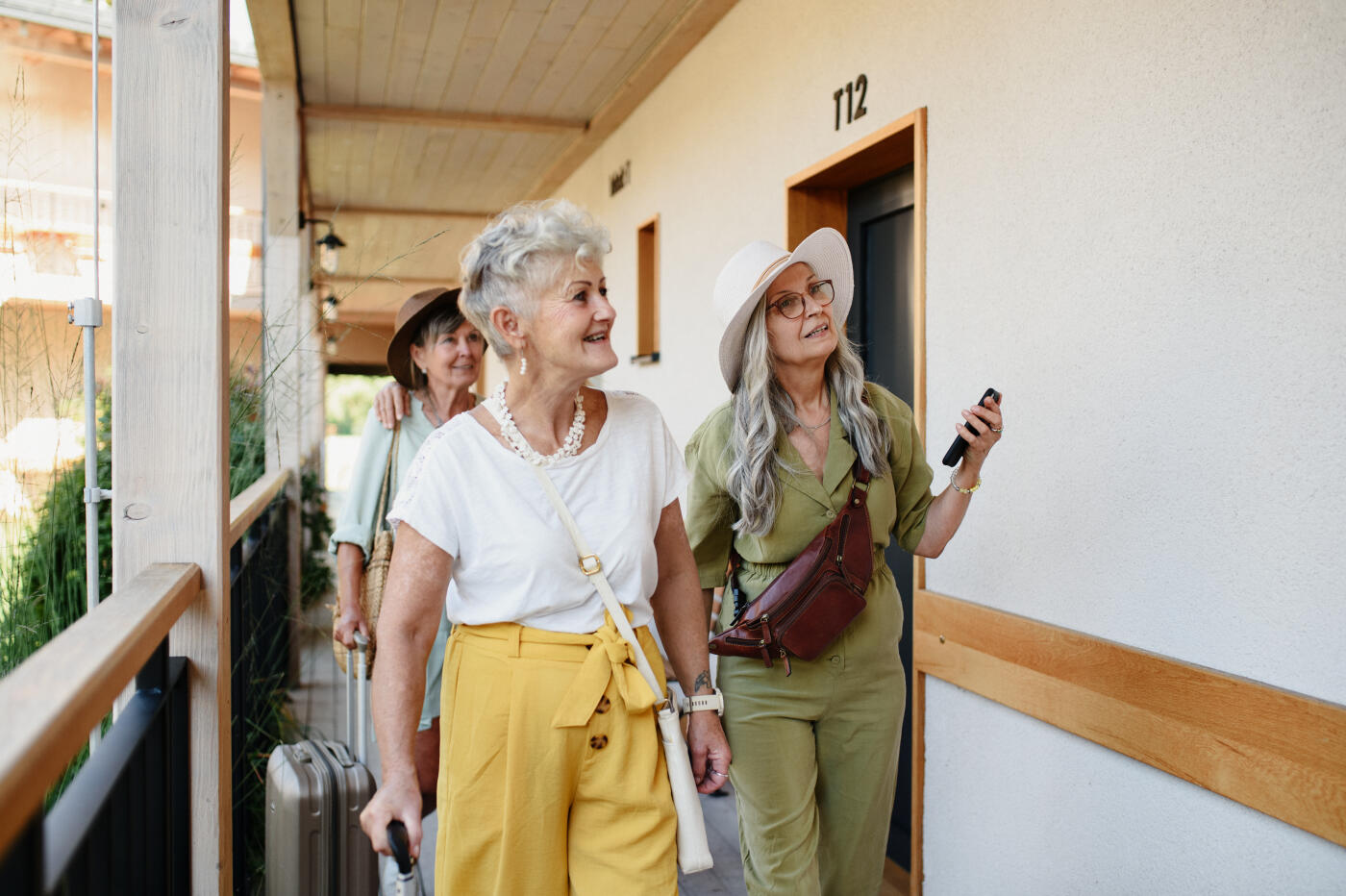
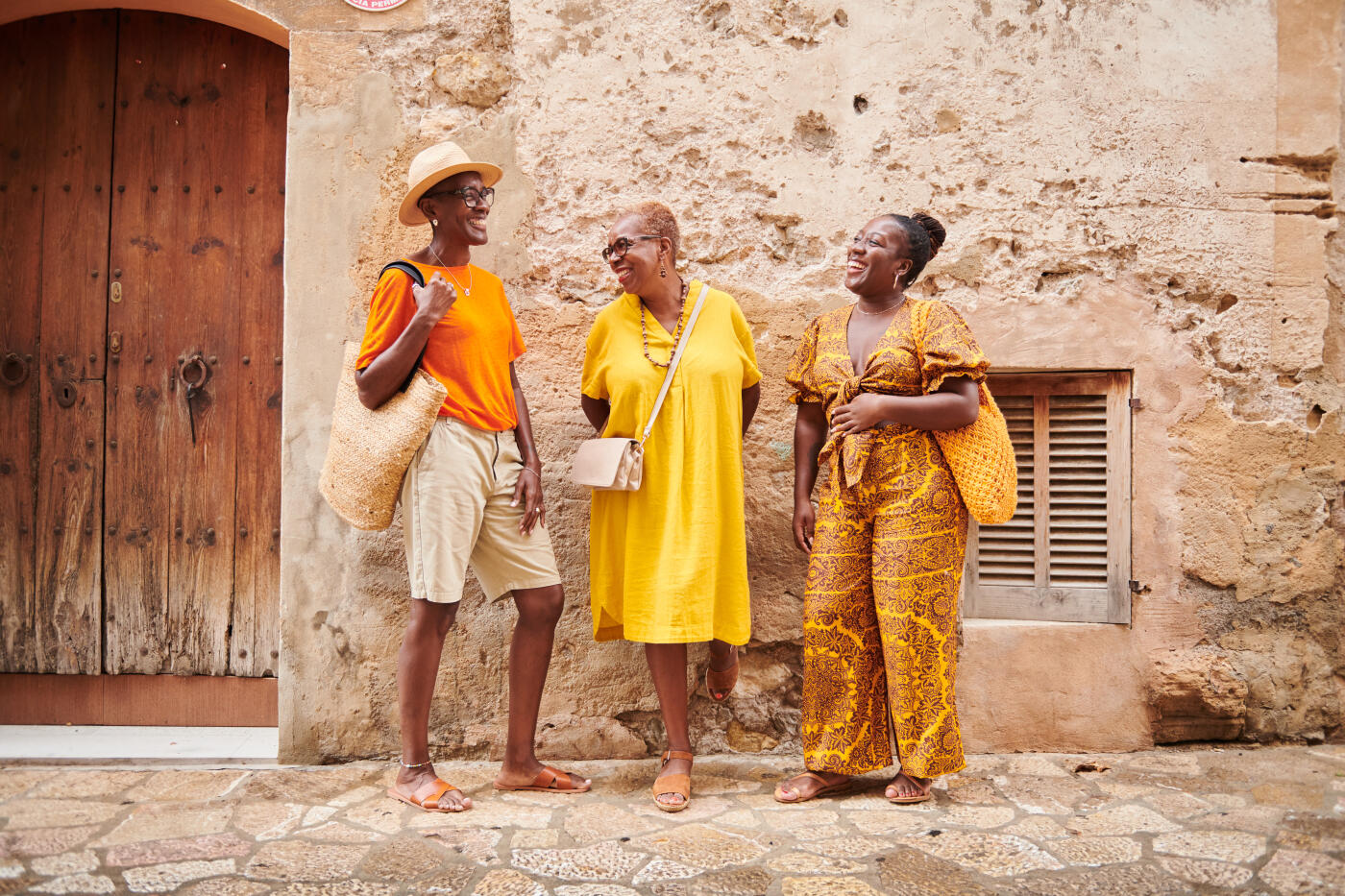
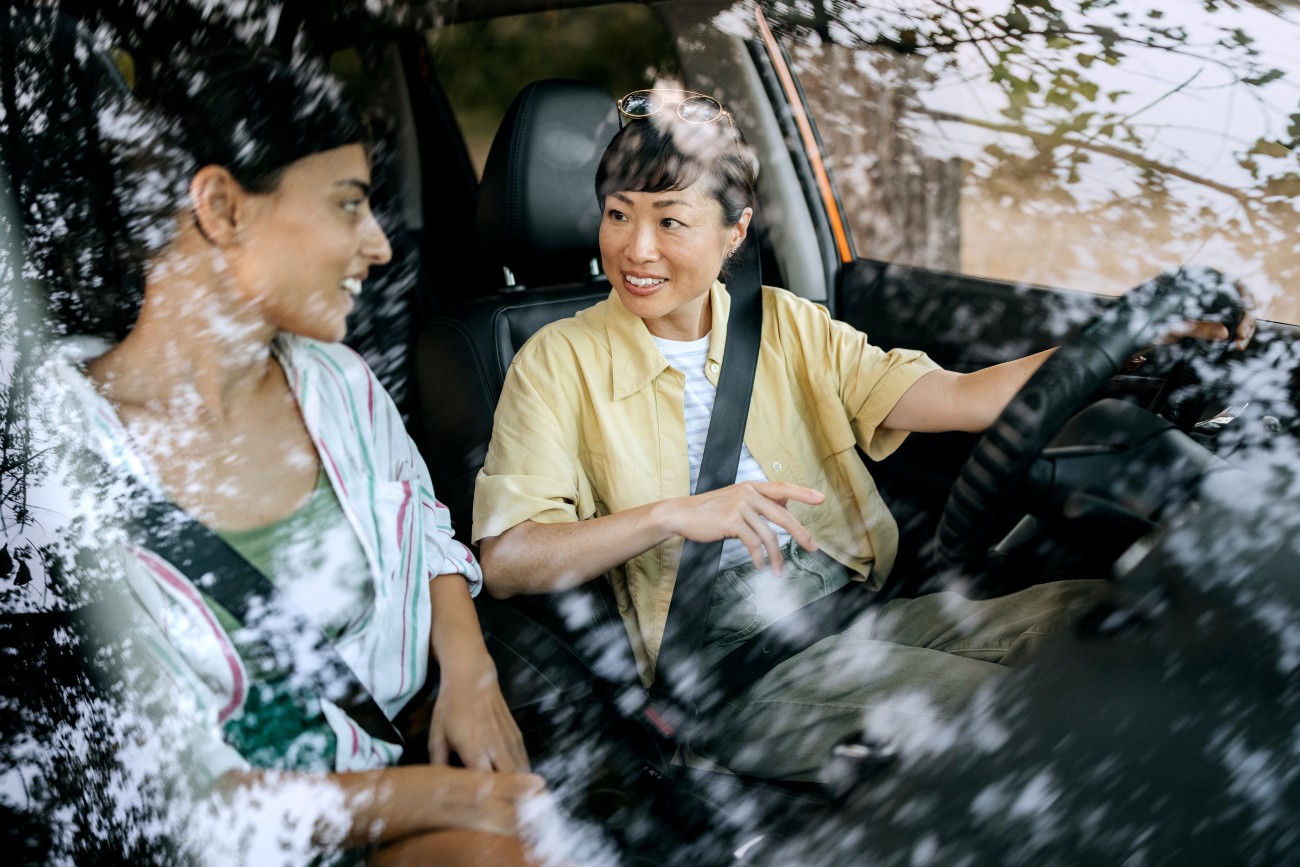
Our VisualGPS data shows that saving for travel or personal hobbies is the number one economic goal of women over 60 in Europe/Middle East/Africa. Yet only 13% of popular visuals depicting senior women show them in a travel context, and out of those only 23% show women only. With many women over 50 having higher spending power than younger women and group travel offering a safe space for trying new experiences and seeing the world, female‑only group tours are a rapidly growing segment of the group travel market.1 To resonate, feature women over 60 traveling together, exploring new destinations and experiencing activities such as hiking, local cuisine and markets.



Friendship and wellness
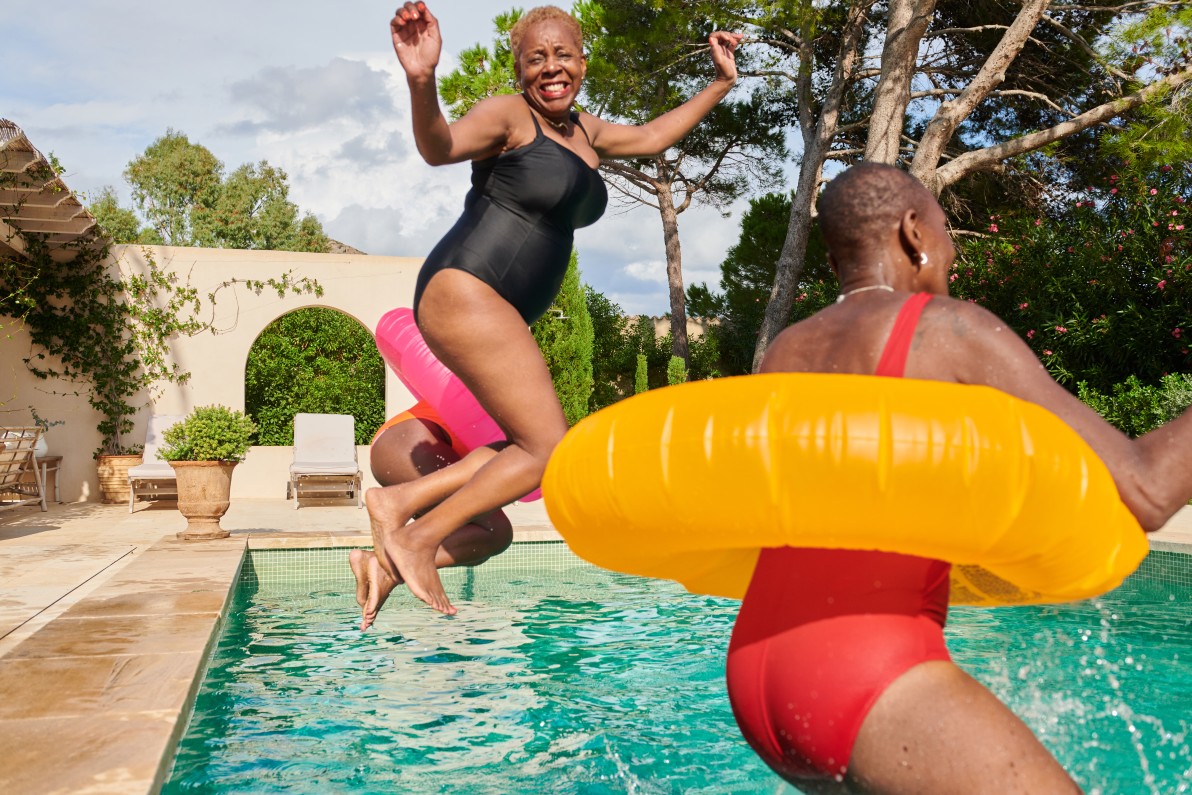
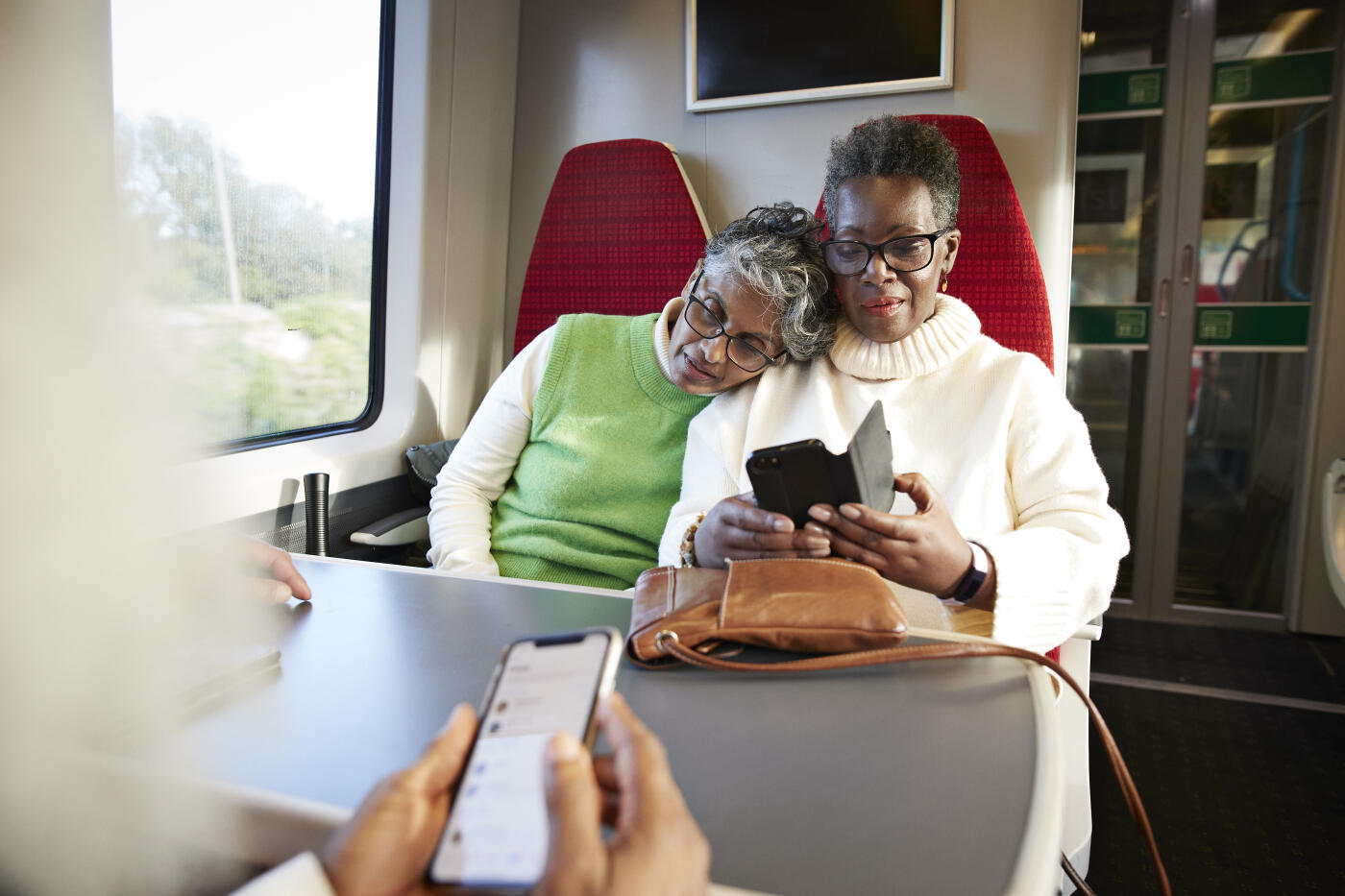
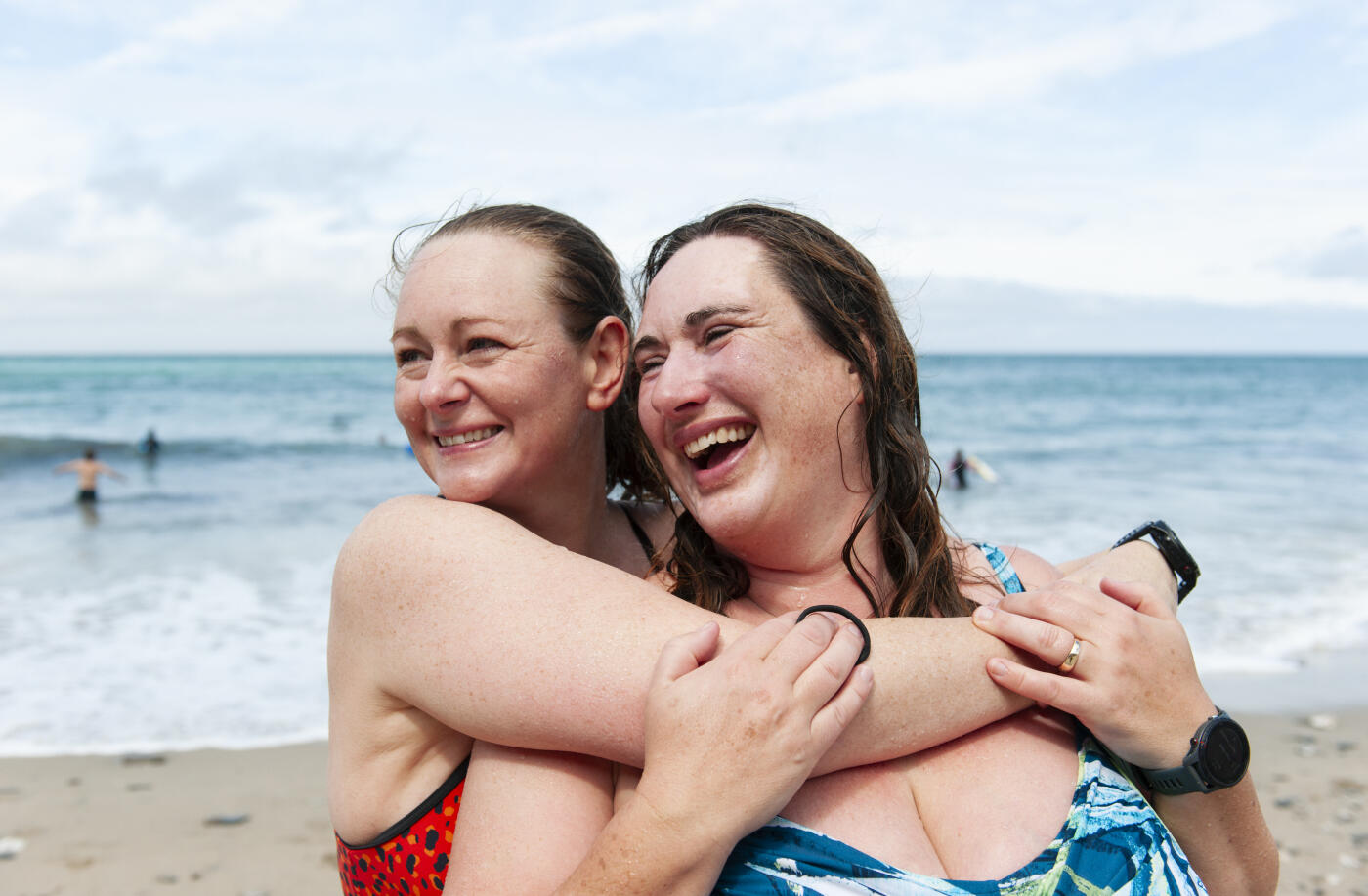
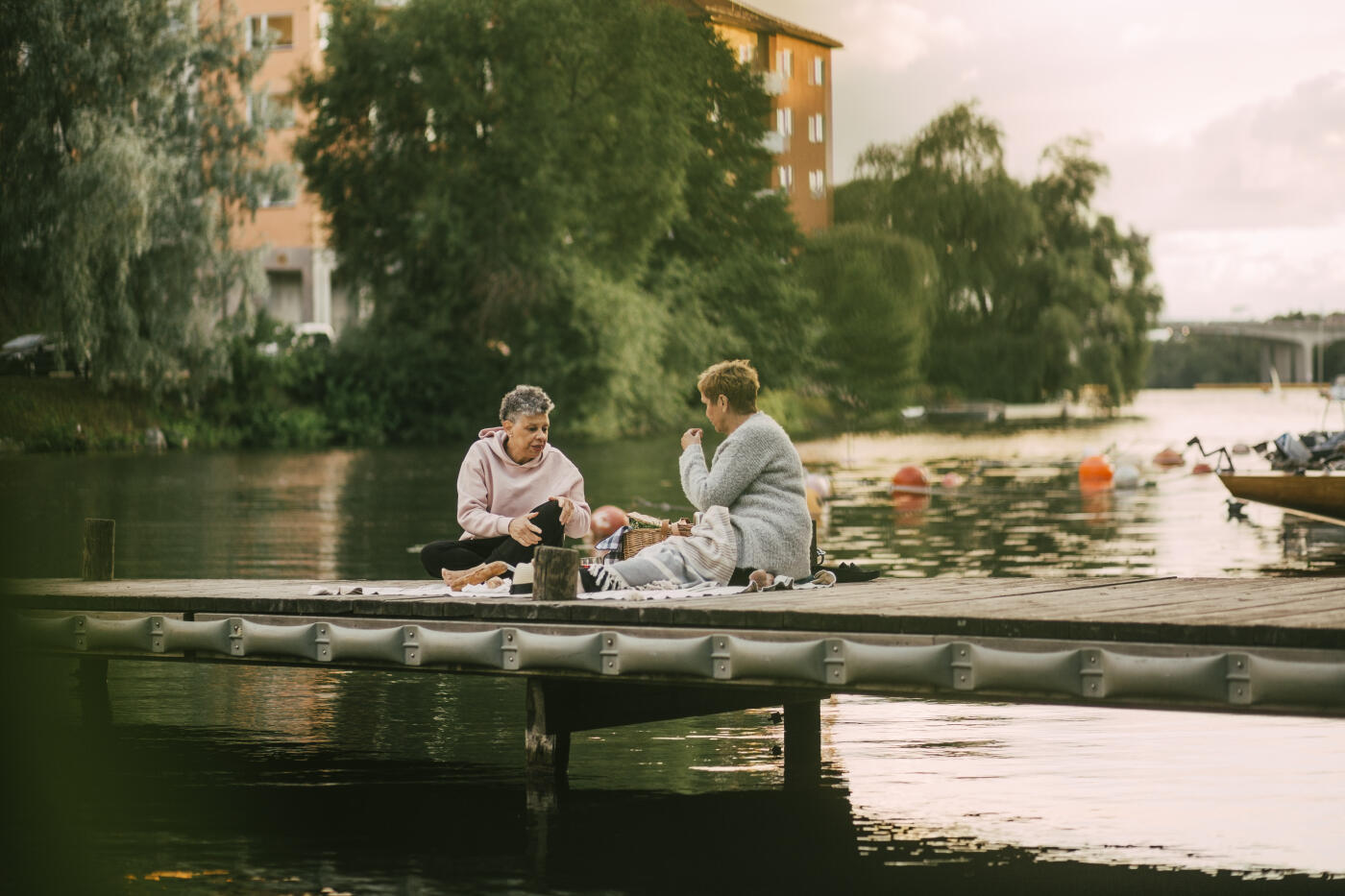
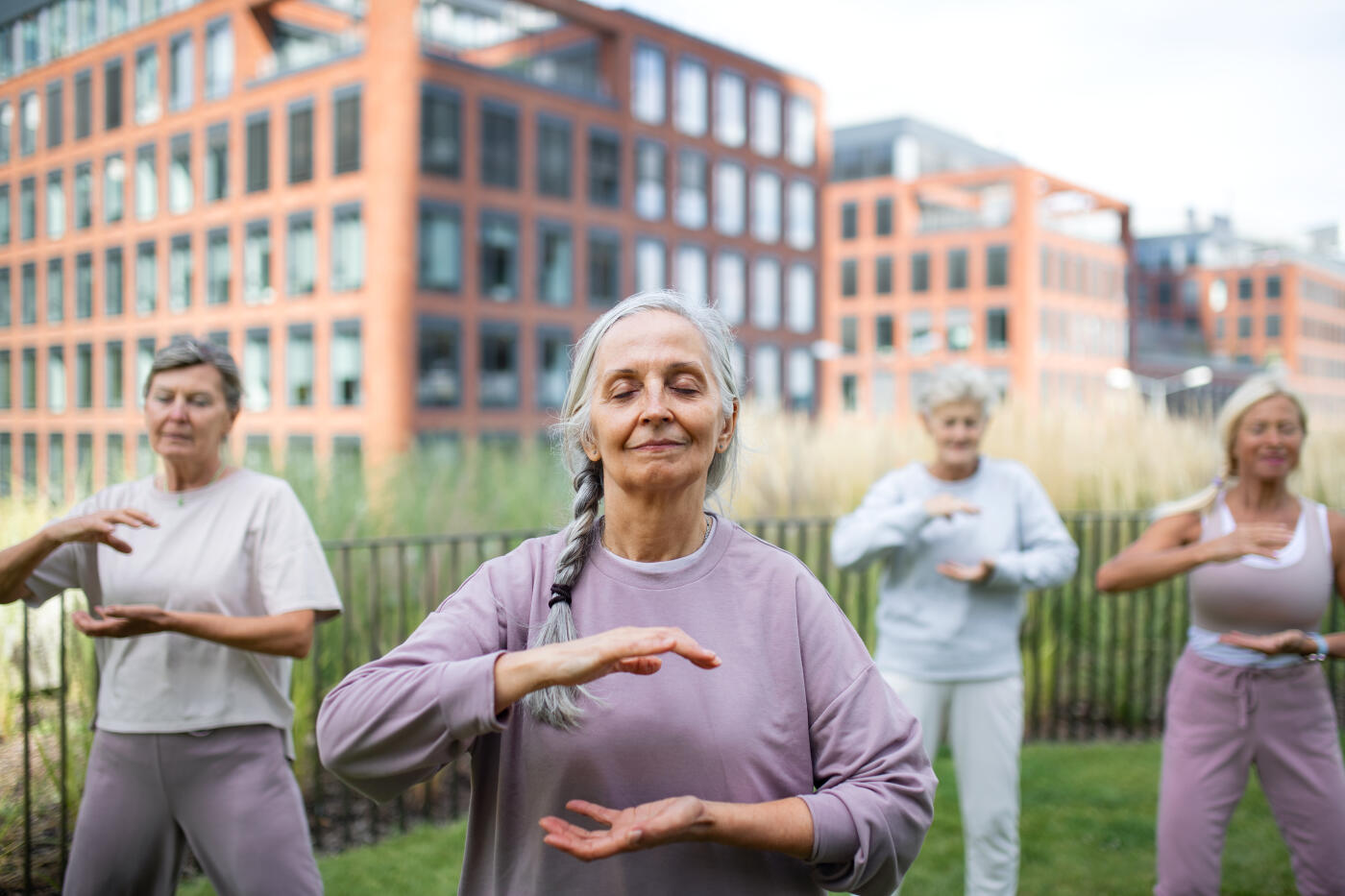
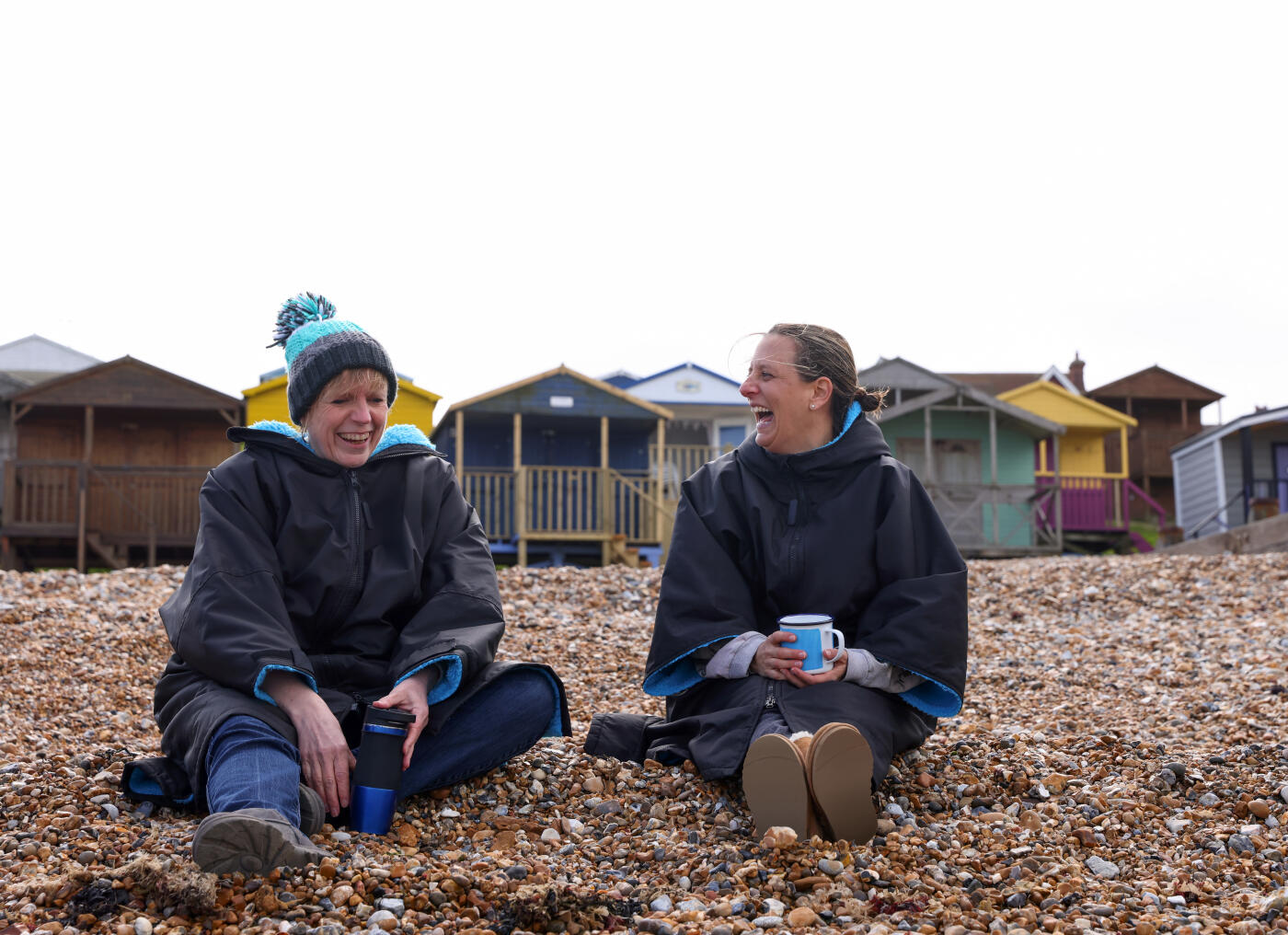
Getty Images' VisualGPS research reveals that nearly 70% of European women over 60 take daily steps to improve their physical and mental health. Many studies also show that friendships impact health positively. In fact, half of people aged 50+ have been encouraged by a close friend to make healthier lifestyle choices2 and for women simply engaging with female friends has been proven to boost brain health, reduce stress and increase longevity whilst relieving stress.3 For women aged 45‑60 who are going through menopause, friendships with those also experiencing menopause creates bonds.4
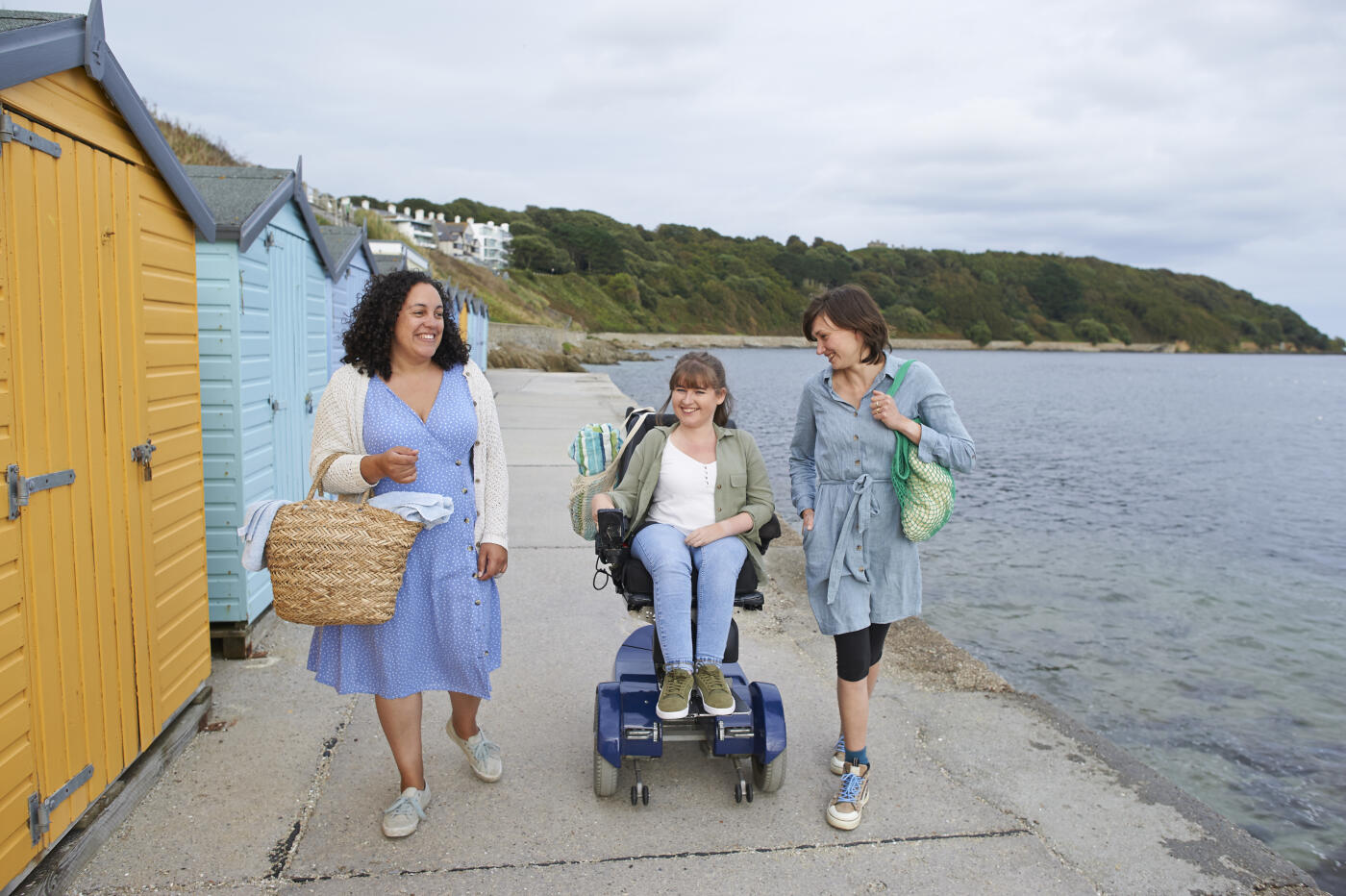
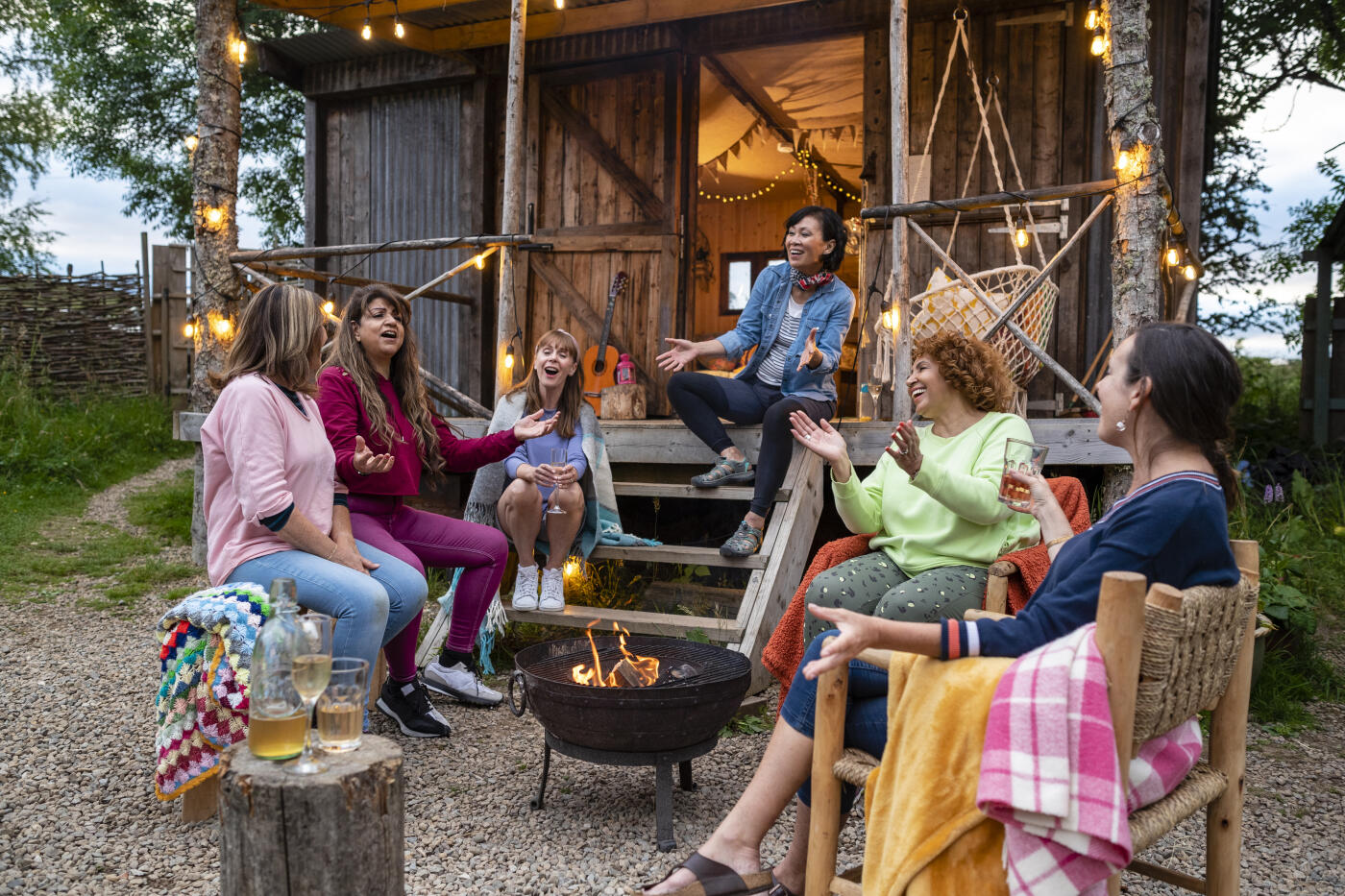
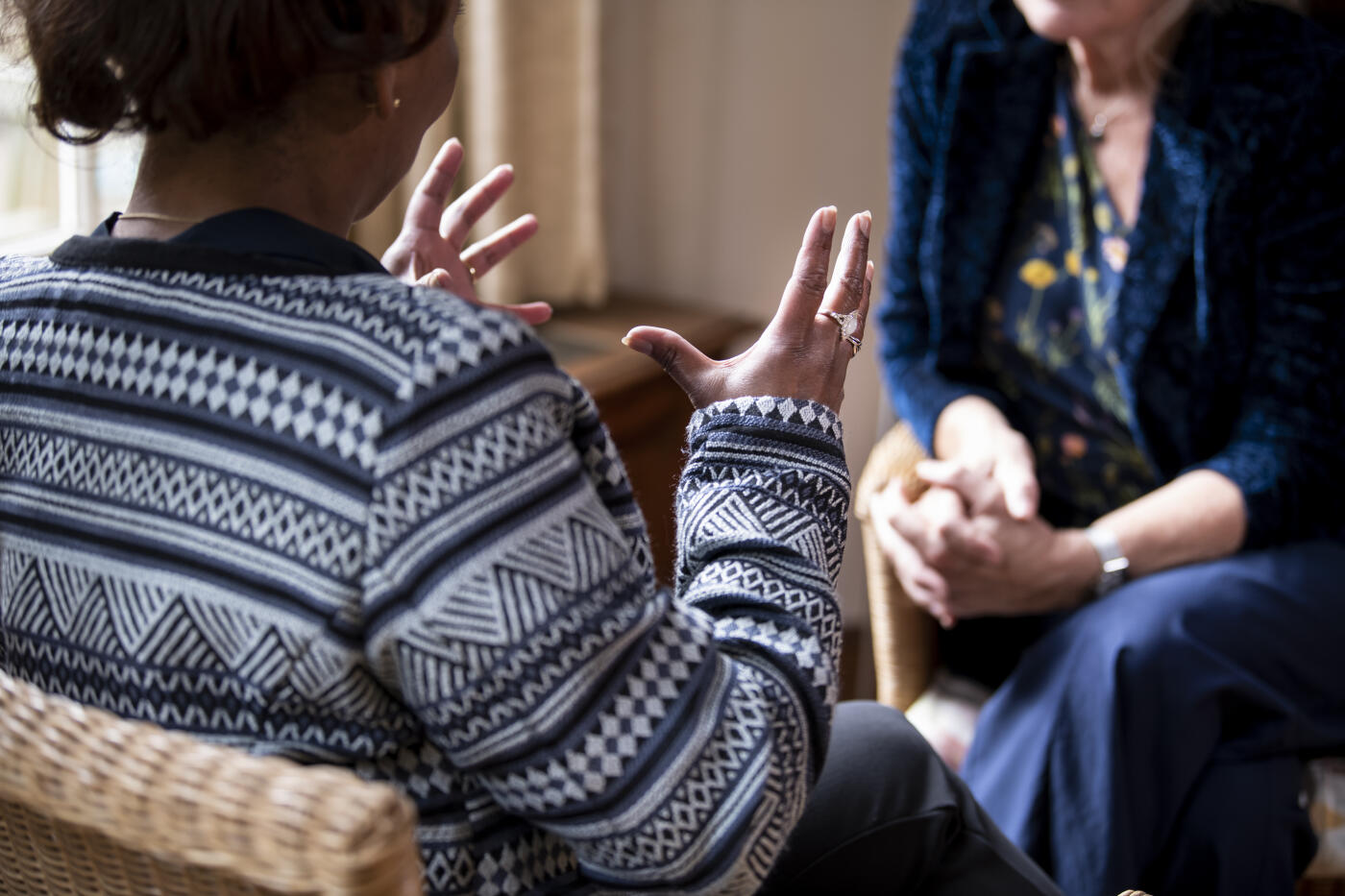
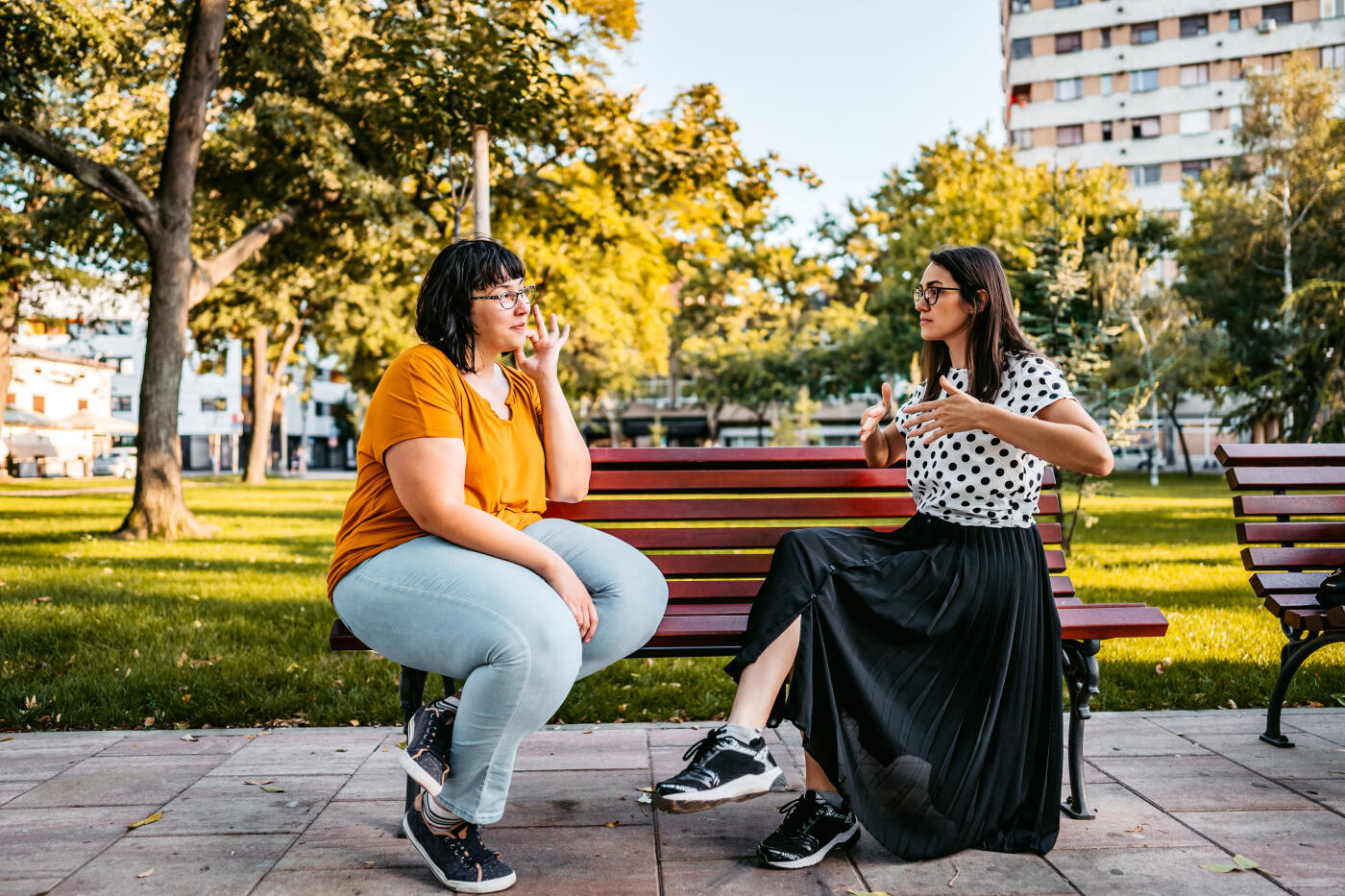
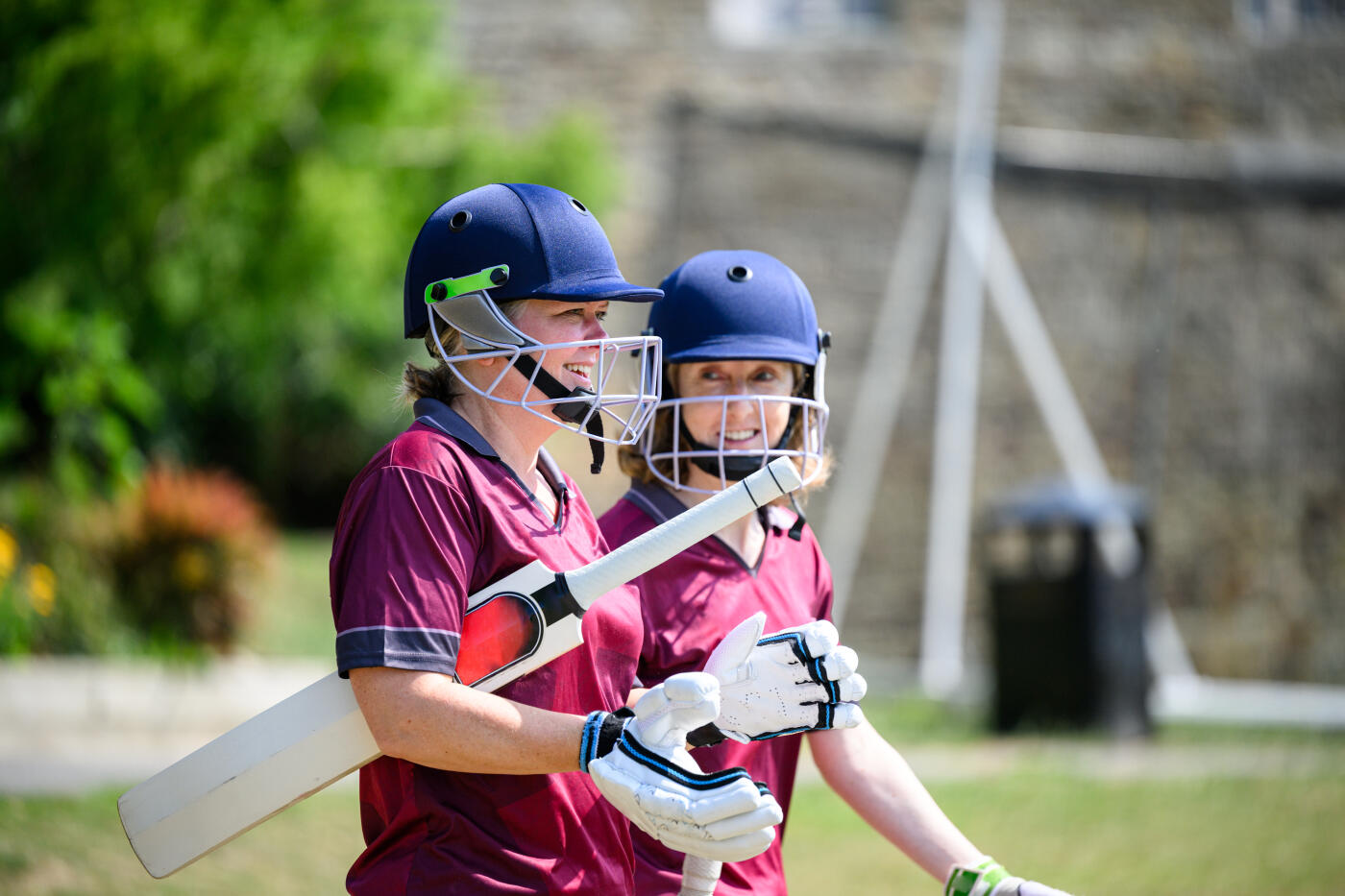
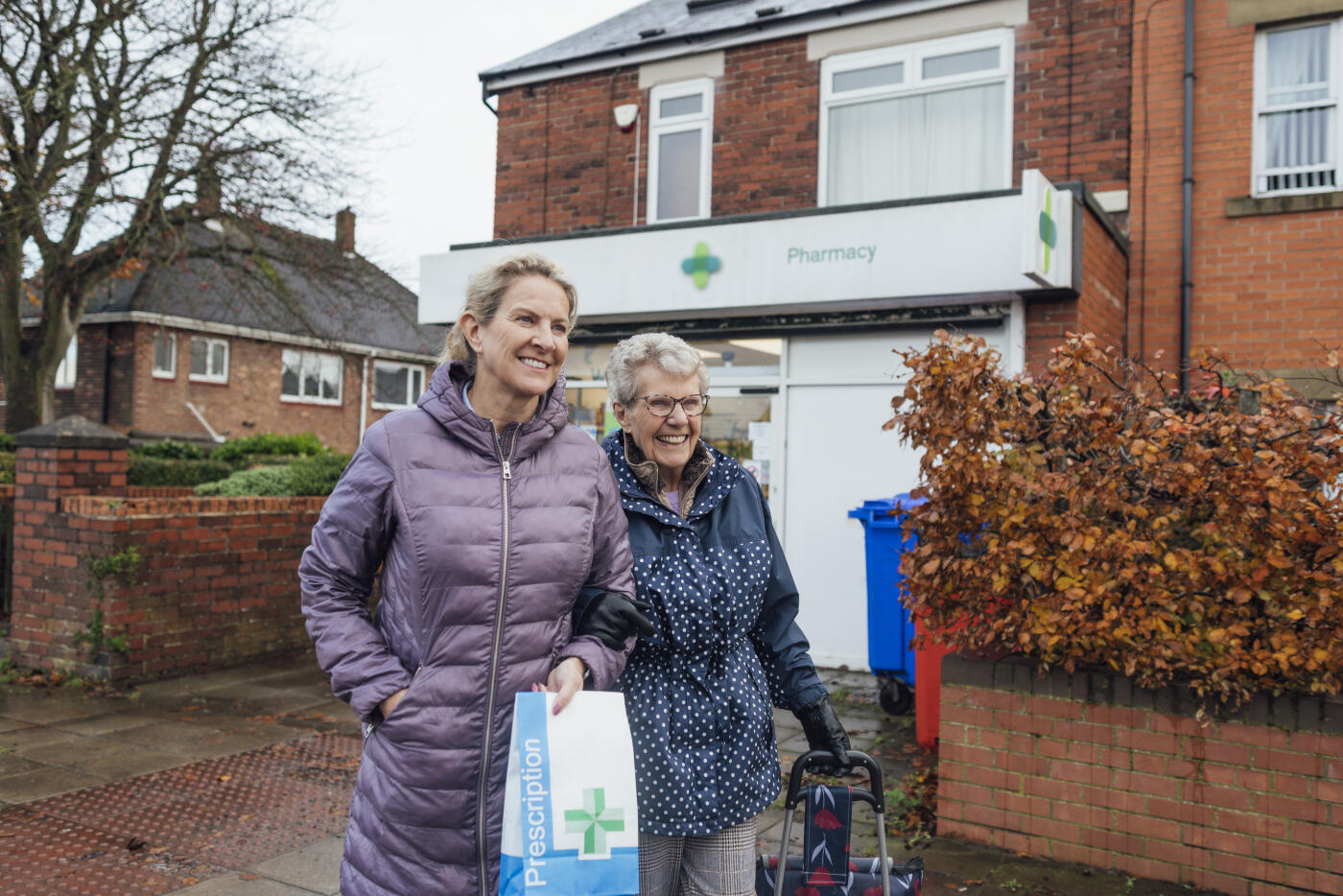
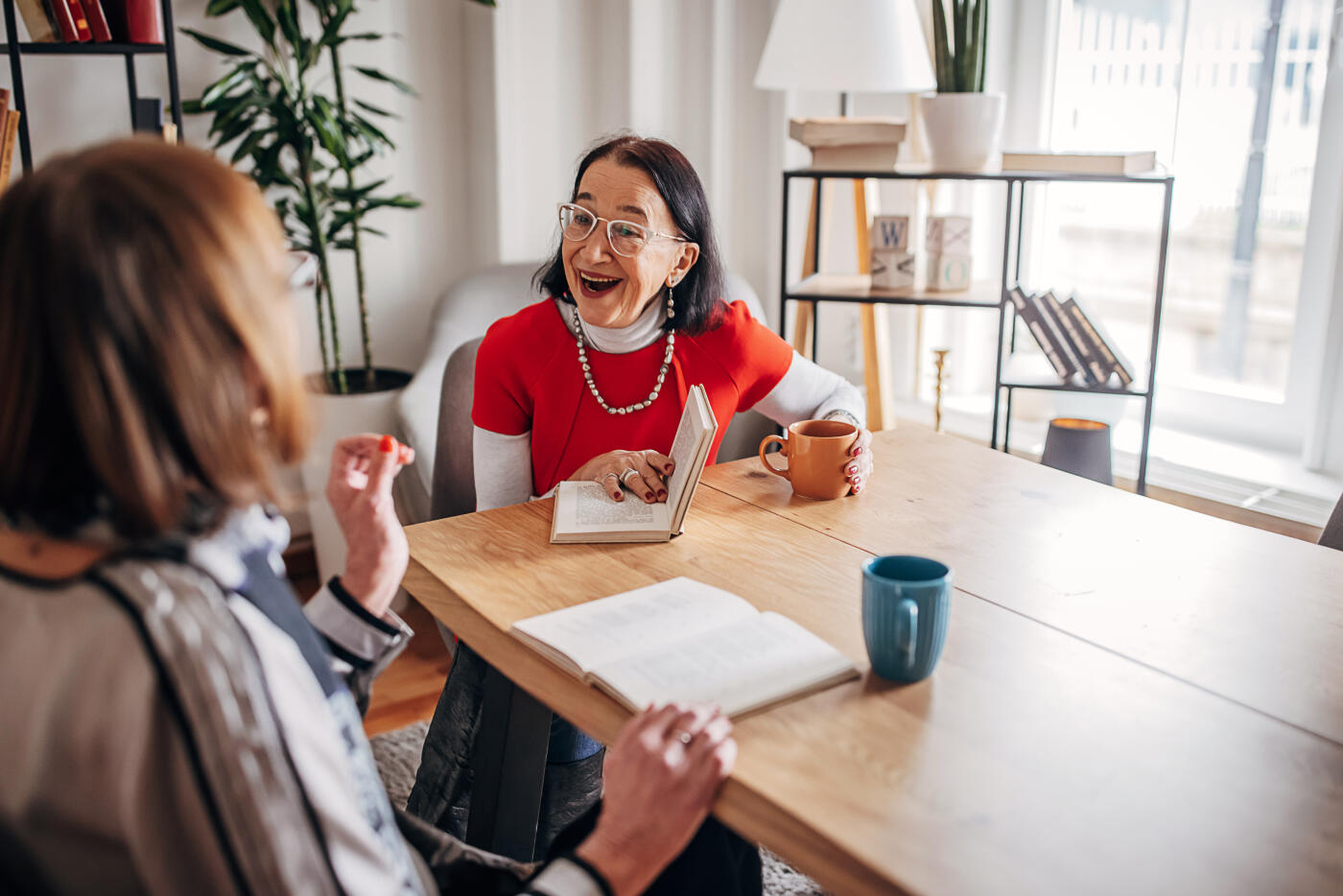
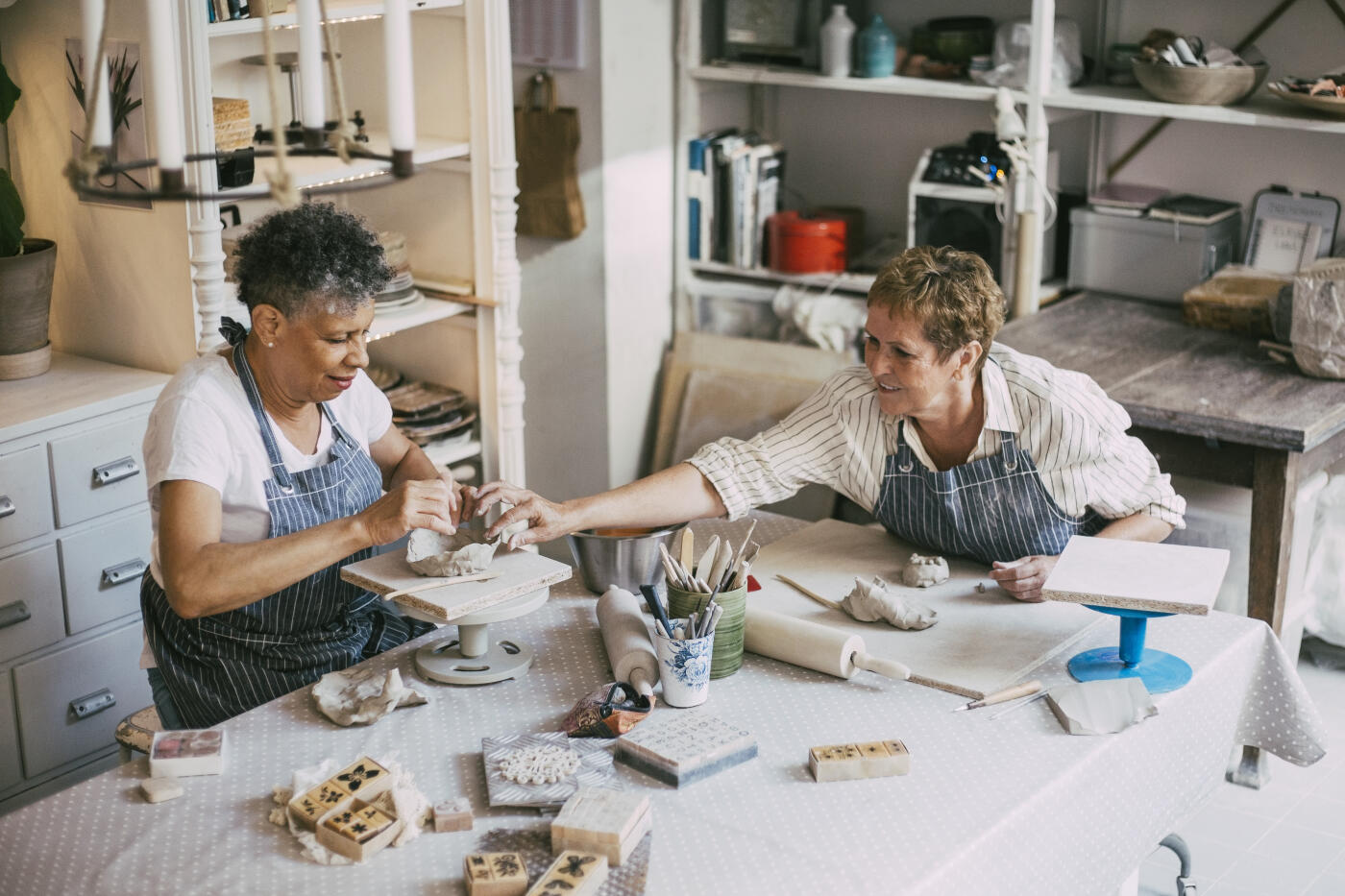
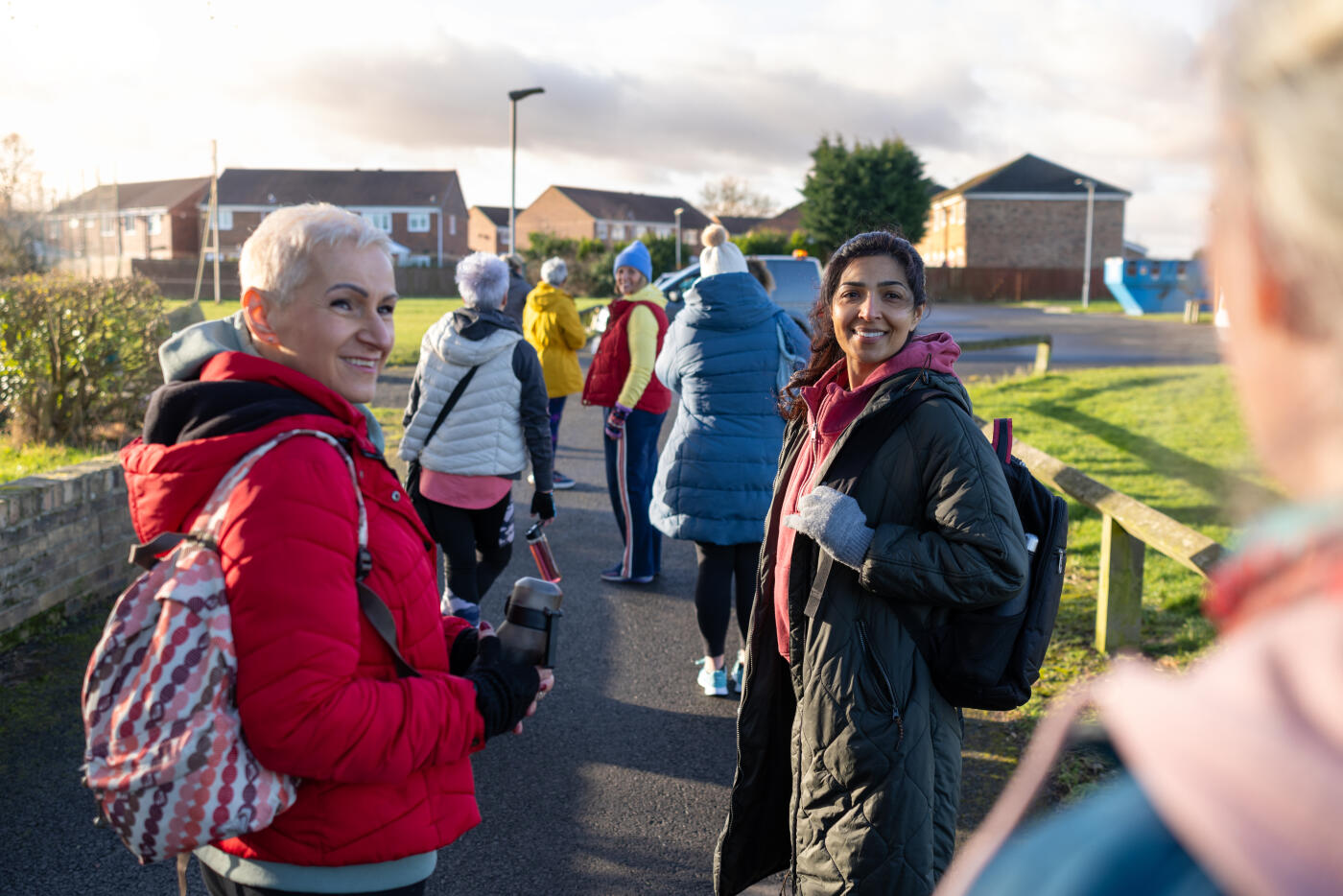
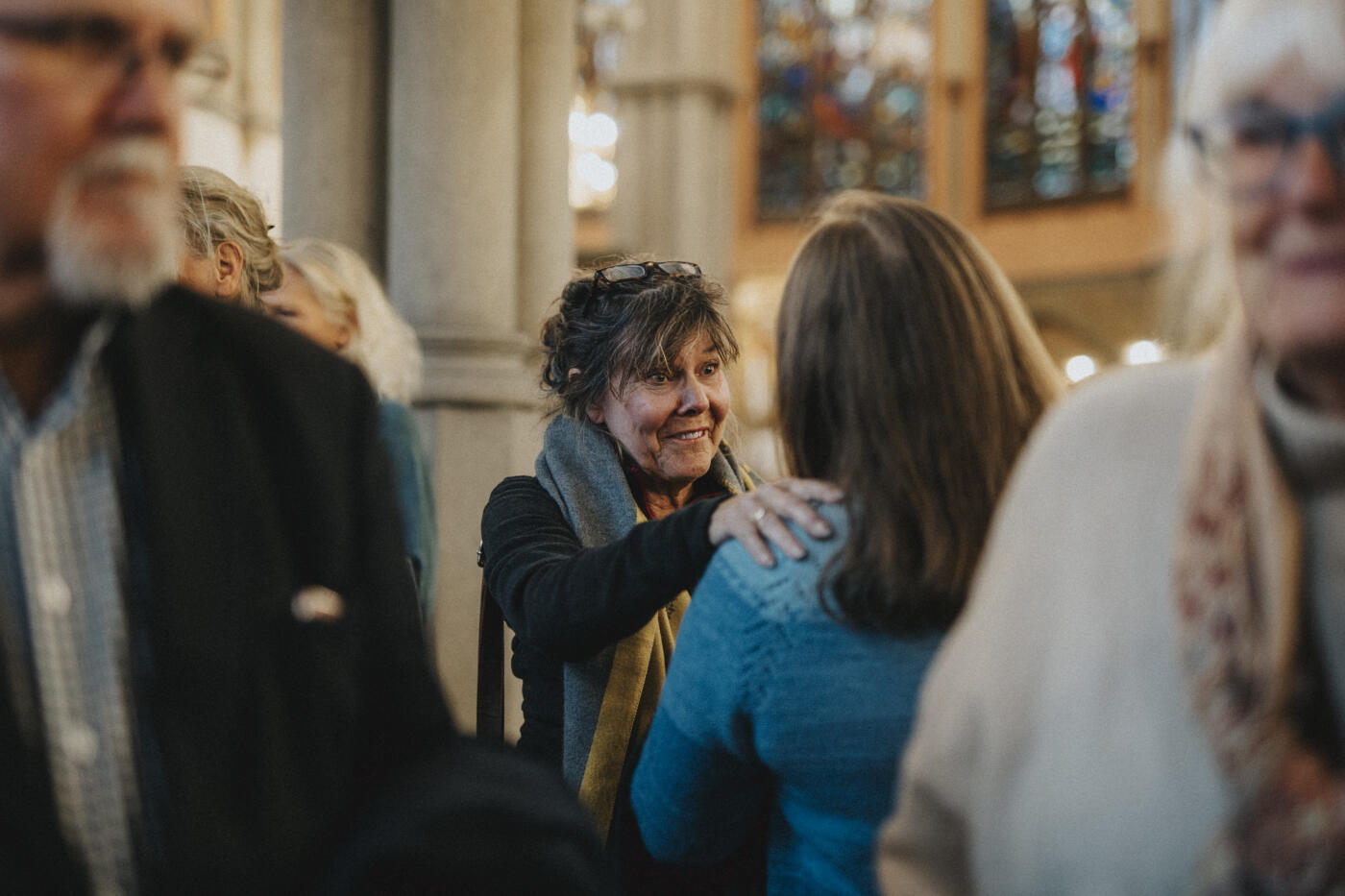
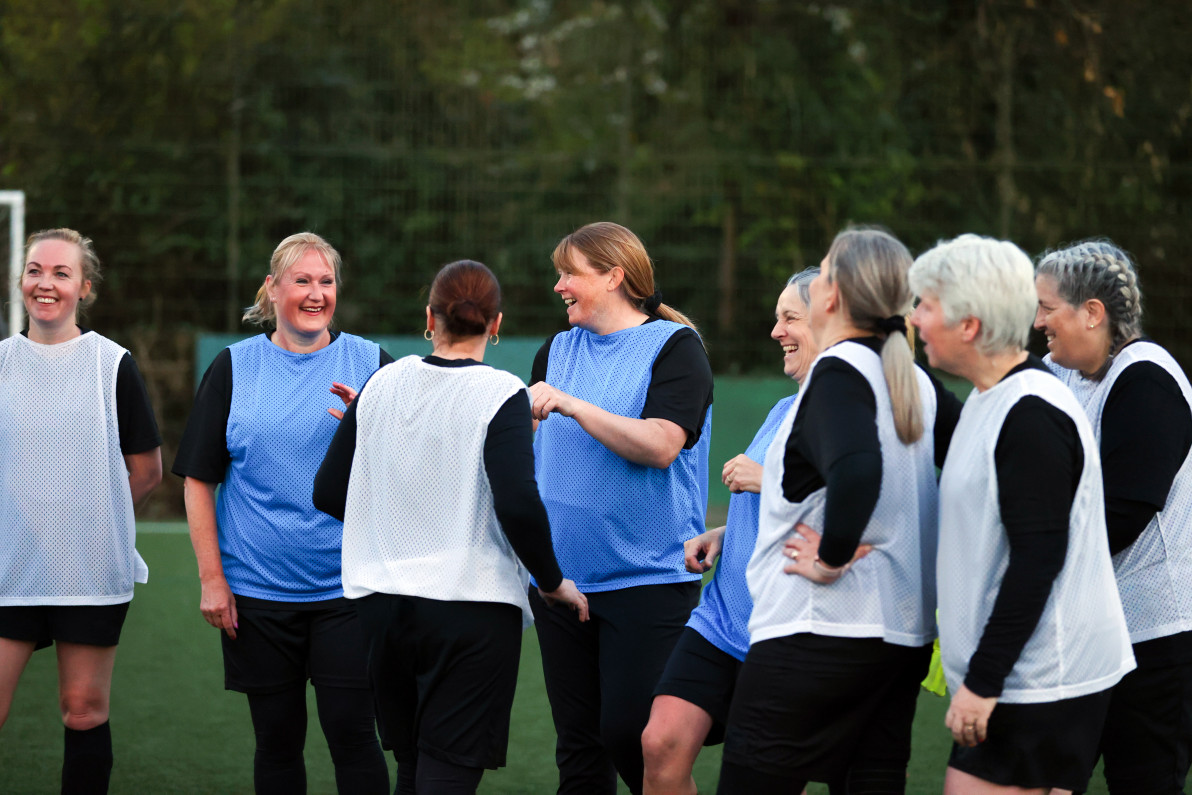
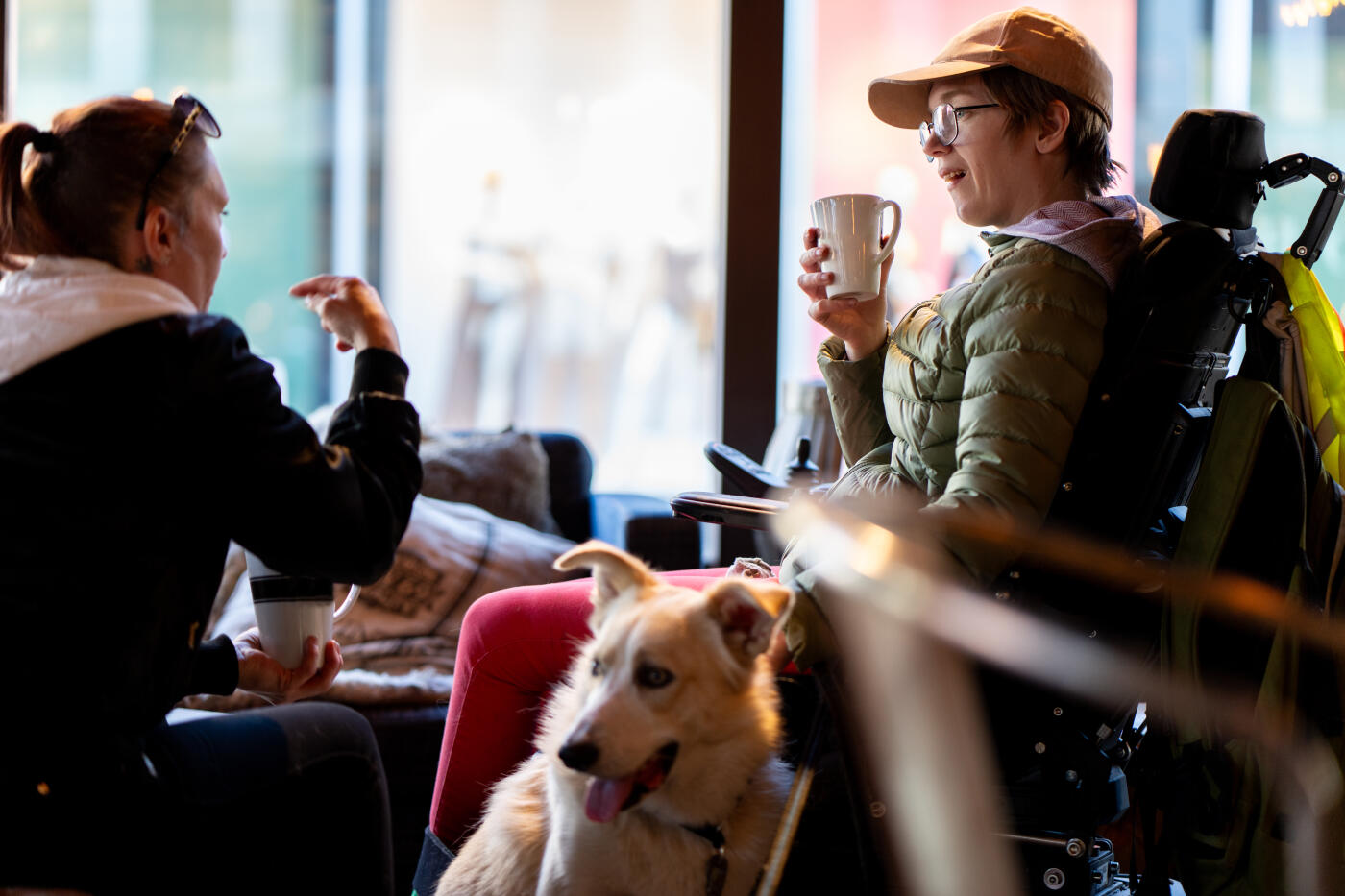
Showing moments of understanding in visuals—like actively listening and bonding—can help women feel seen and supported. Consider visuals that show women together enjoying each other’s company, taking walks, exercising, attending leisure activities, bonding over hobbies, supporting each other in medical appointments and talking in person and virtually. In fact, VisualGPS shows that culinary arts are the number one creative expression to improve mood for European women aged 60+ and that technology increases their feelings of connection with others.
Intergenerational friendships
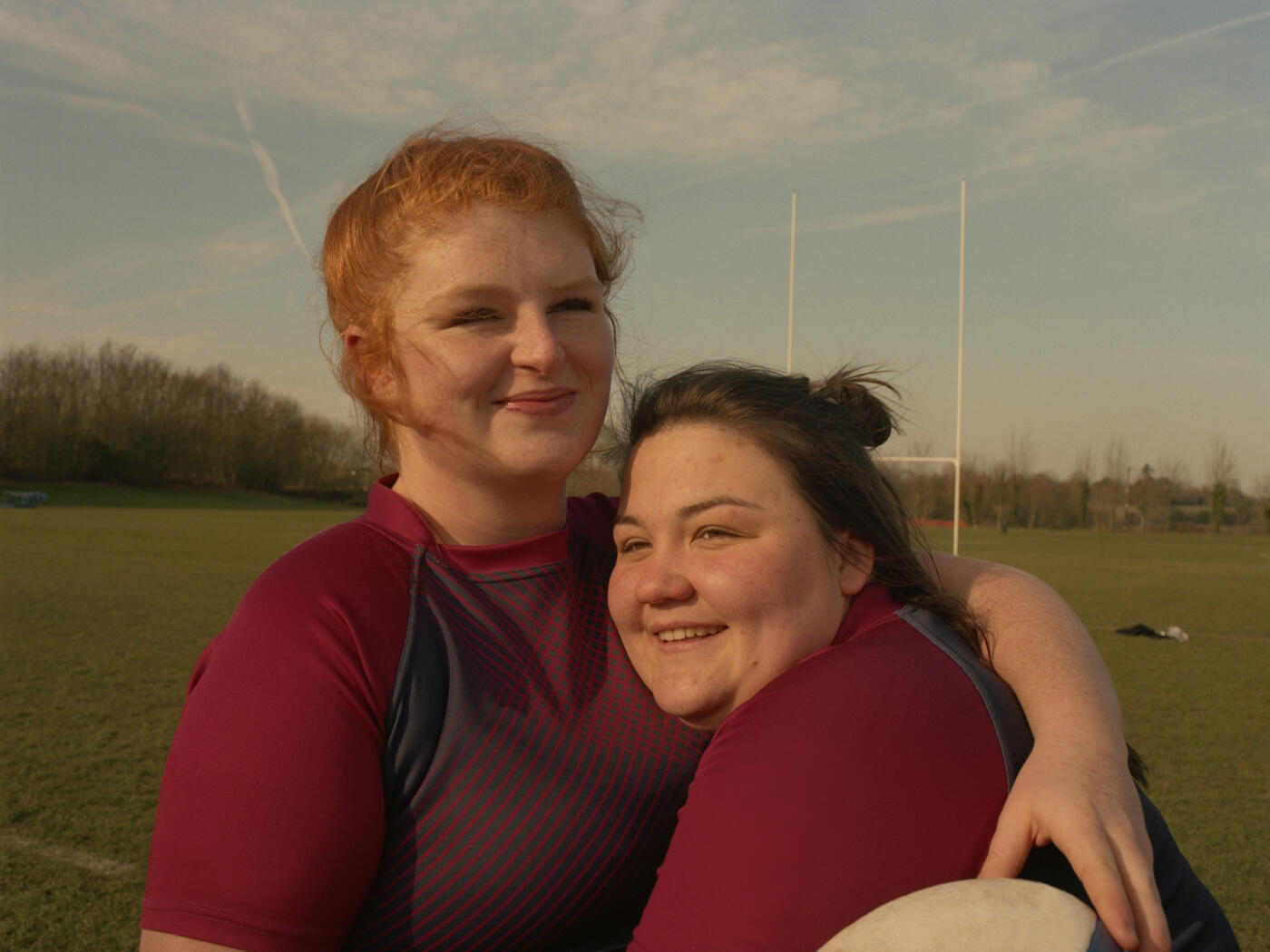
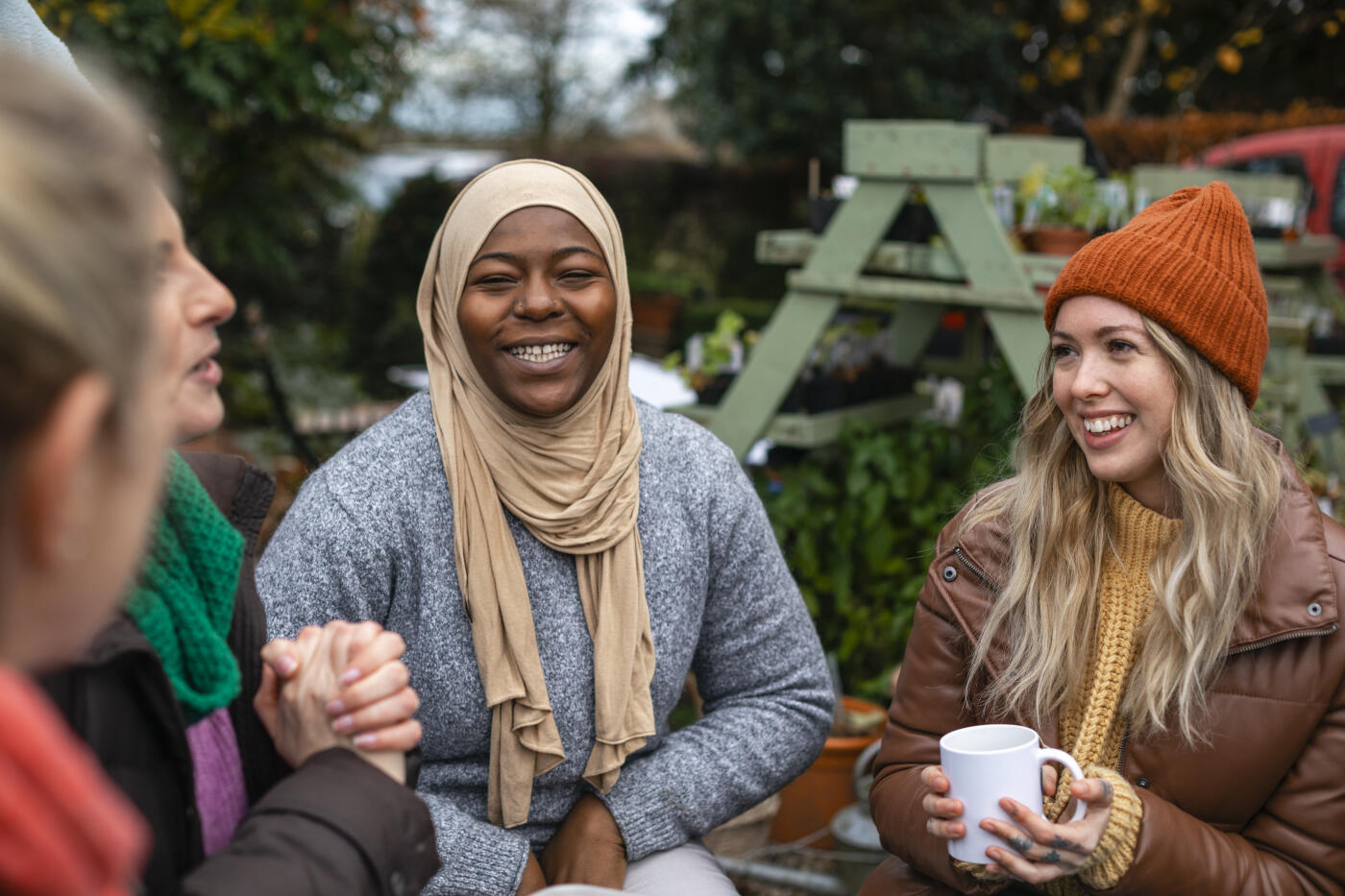
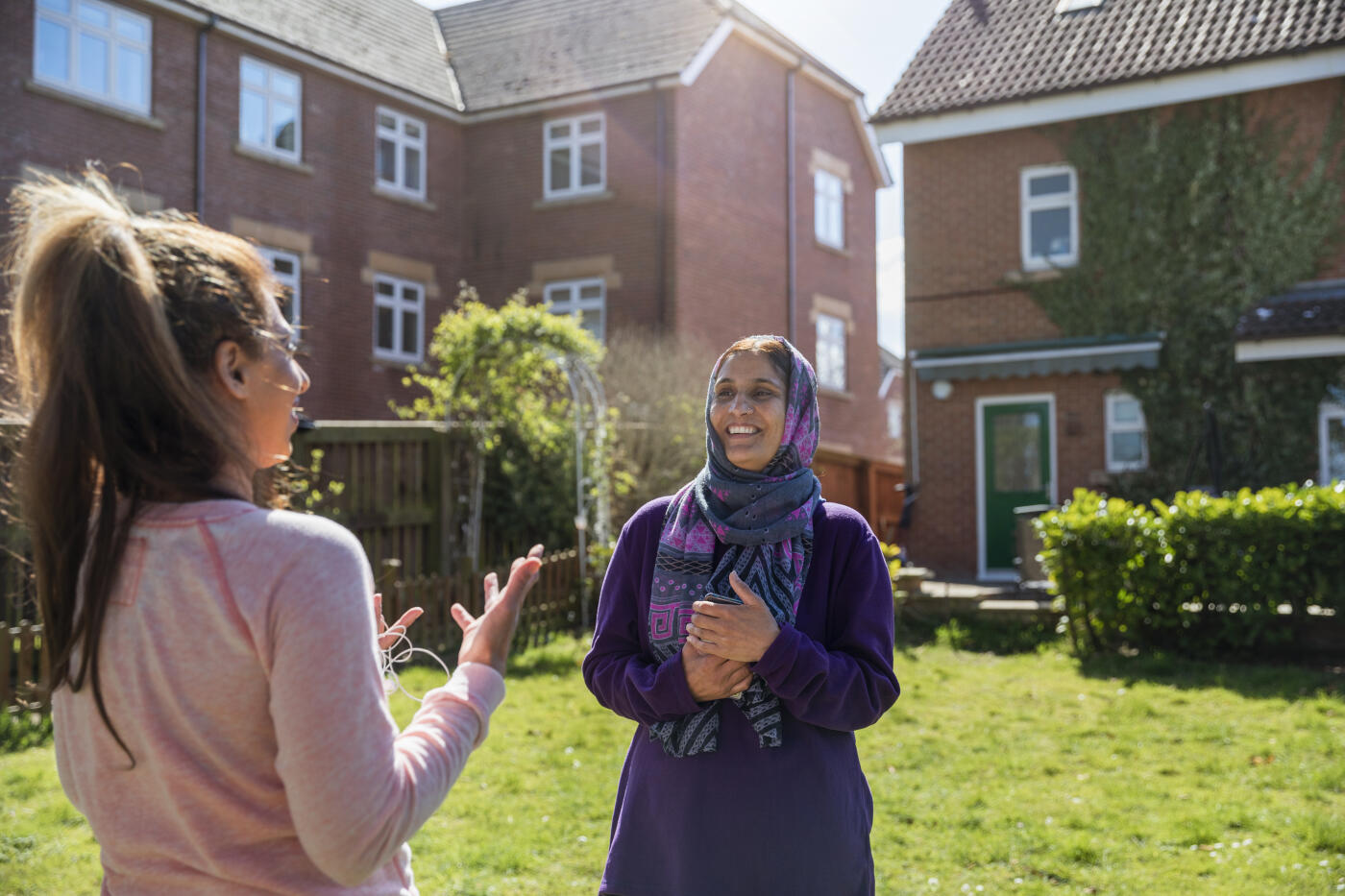
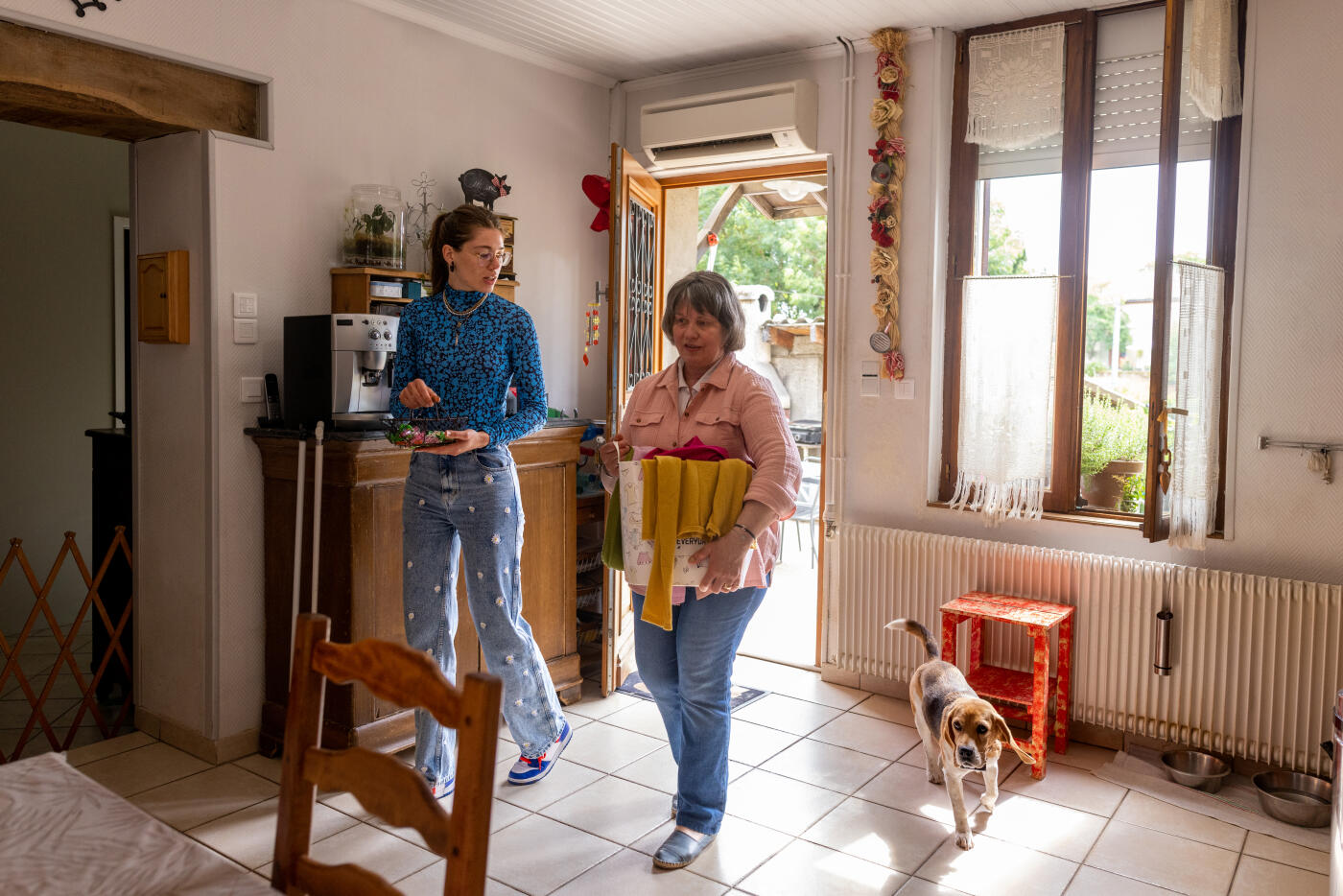
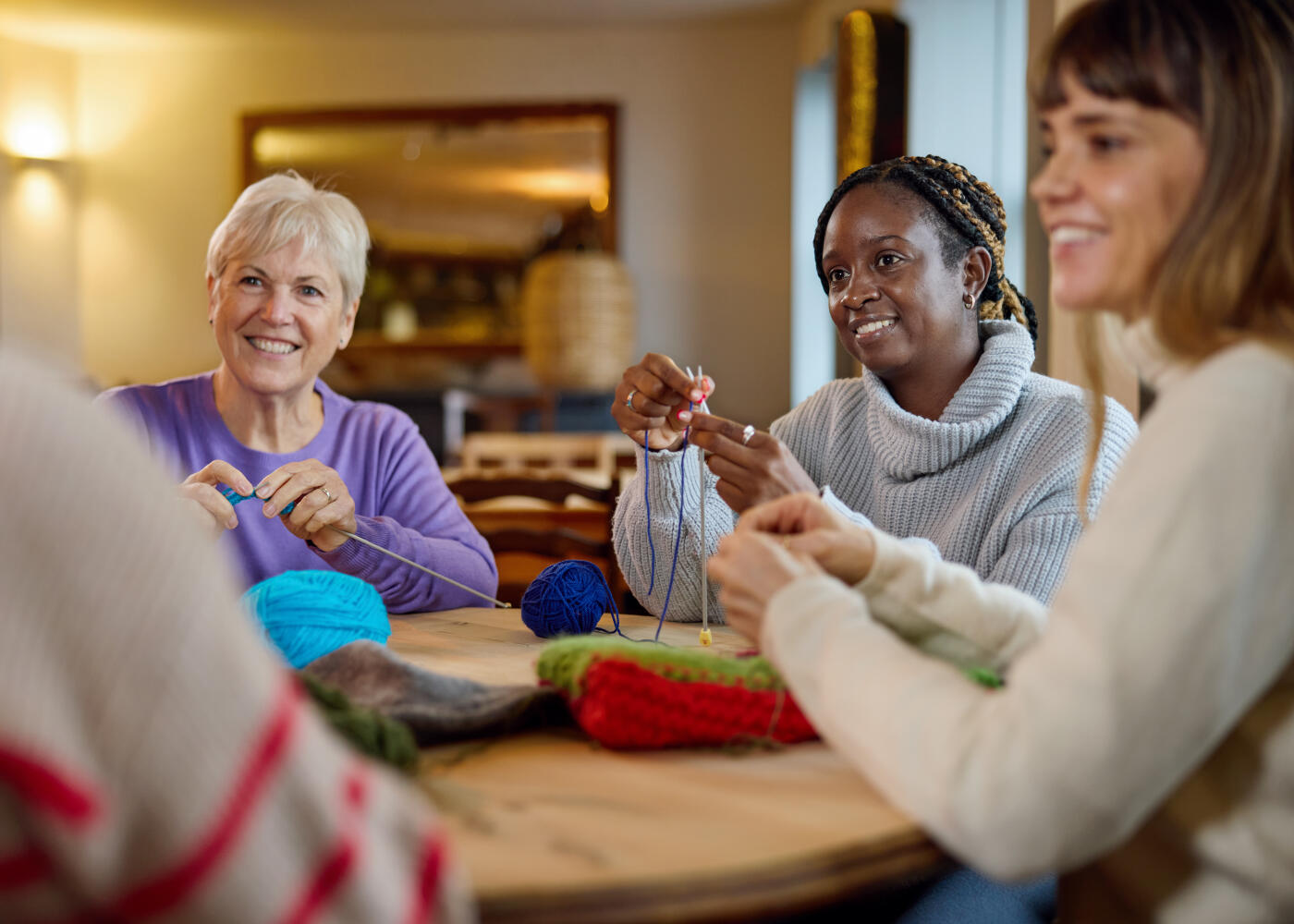
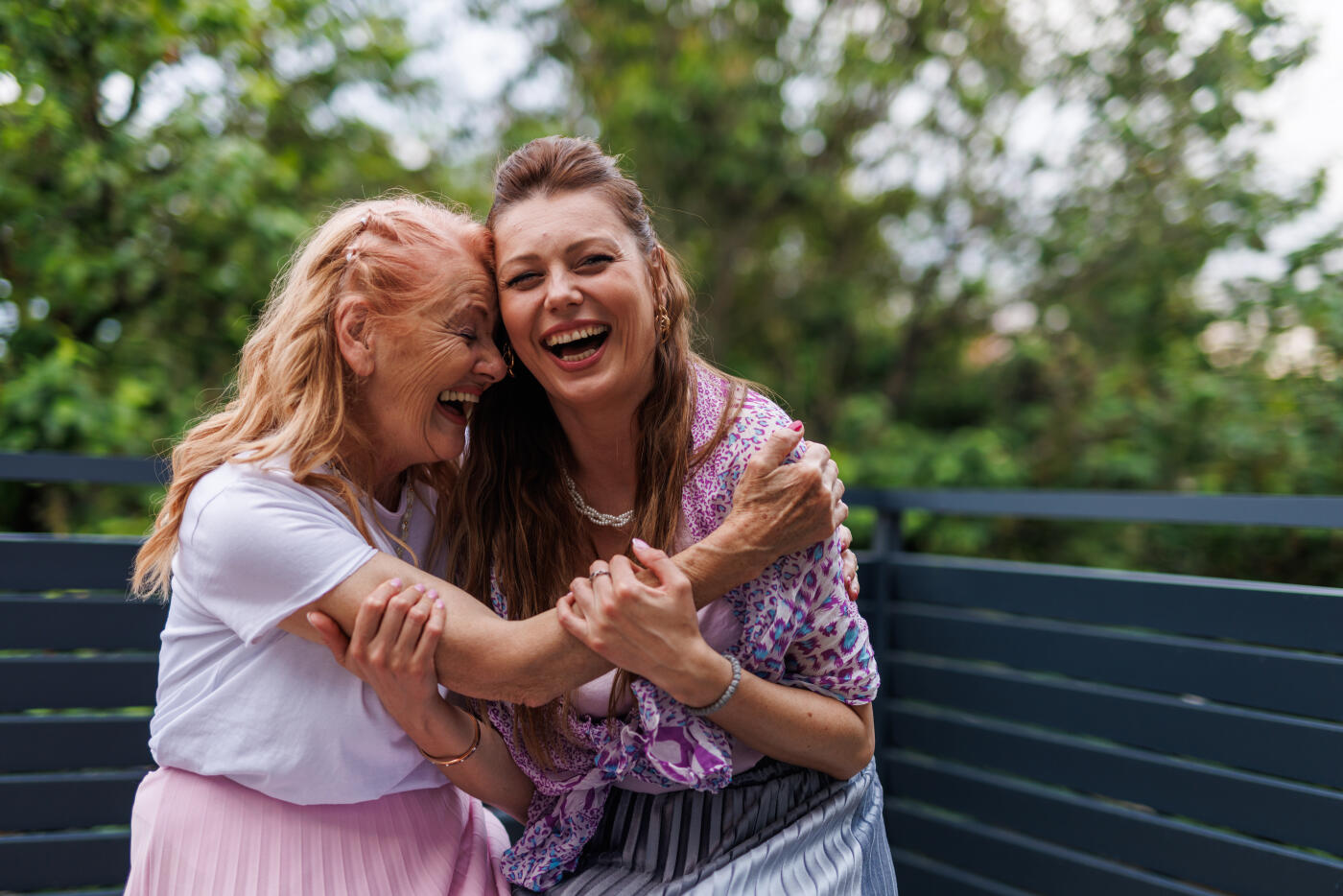
Getty Images' VisualGPS research reveals that intergenerational friendships among women show up in less than 1% of visuals popular with European customers despite nearly four in 10 people cultivating a friendship with someone who is at least 15 years older or younger than themselves.5 Intergenerational friendships offer multiple benefits and are important for society as a whole as they help bridge generational gaps.5 In fact, in visuals 74% of European consumers and 80% of European women would like to see more stories of adults of various ages, some older and some younger, together in social situations.
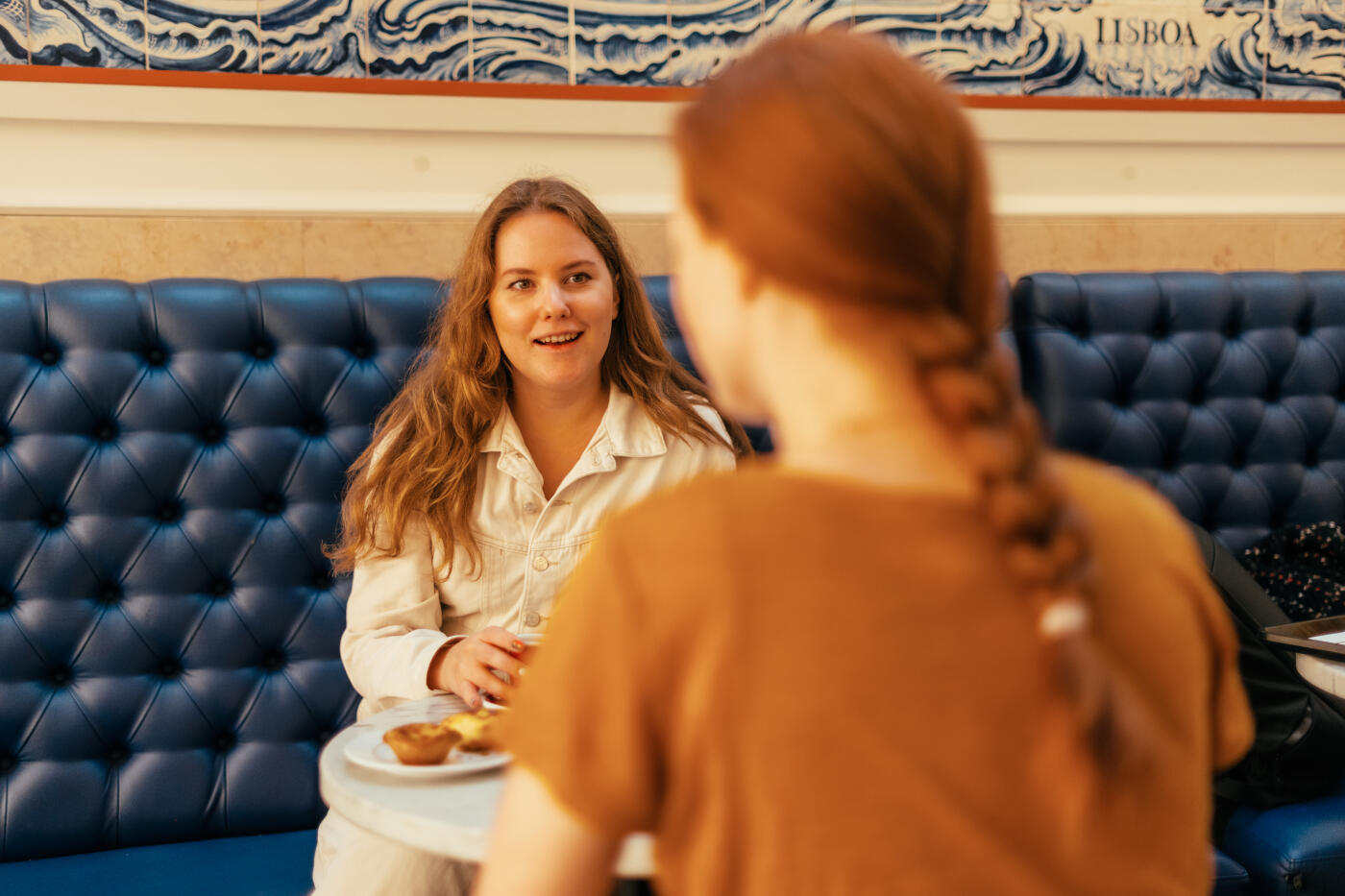
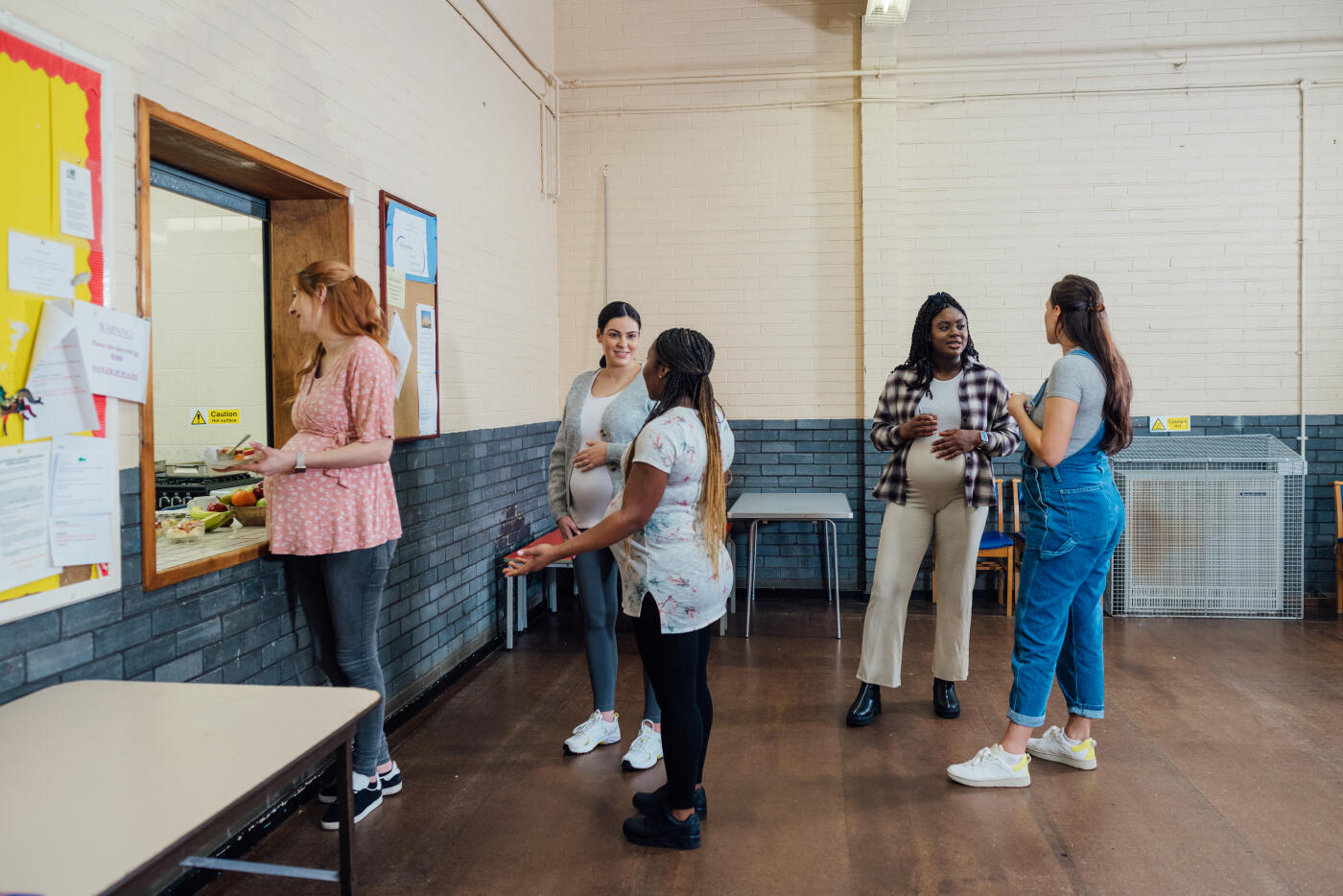
Brands can normalise and celebrate these bonds with visuals of intergenerational friendships—showing women of different ages sharing experiences together through the lens of friendships.

Why it matters for marketers:
In a landscape where consumers seek genuine and relatable content, showing the depth, diversity and benefits of female friendships in visuals can set your brand apart. Whether it’s capturing the adventure of travel, the importance of health and wellness or the beauty of intergenerational bonds, the way you depict these relationships can influence perceptions, deepen engagement and make women feel recognised at every stage of life. Tapping into the lens of female friendships is a powerful way to do this.
All article tags
Sources
[1] TourScoop
[2] University of Michigan: National Poll on Healthy Aging
[3] Amen Clinics
[4] Dr Louise Newson
[5] Rolling Out
Related articles


Learn more about licensing with Getty Images and Stay Inspired!

Connect with our visual experts for more details

Subscribe to our newsletter