Real Female Football Community in Indonesia
Why focus on women in football now?
Football (soccer) is one of the most popular sports to play and watch in Asia, and this passion is not limited to men's football.
According to The Asean,1 countries like Vietnam and the Philippines made history by qualifying for the FIFA Women’s World Cup in 2023, marking the first time either nation had participated in a senior FIFA World Cup.
This milestone highlights the rapid growth and development of women’s football across the region. In addition, a 2024 survey conducted by Visa explored the impact of investing in women’s football.2 The results showed that 70% of fans believe brands play a crucial role in increasing visibility for women’s sports, while 67% view brand involvement as essential to the sport’s growth. These insights reinforce the importance of representing women in football, especially in regions where visual representation remains limited and where diversity is still underrepresented.
For nearly four years, creator Dedy Andrianto and I have been working to tell authentic stories of people in Indonesia, particularly focusing on women in sport, business and travel. Our goal has been to reflect diversity in ethnicity, religion, age and body type. Recently, we identified a growing opportunity through Getty Images' VisualGPS research to represent female footballers in a more meaningful way.
With this in mind, Dedy organised and led a collaborative shoot with multiple creators, focusing on real female football players in Indonesia. They included athletes of different body types and religious backgrounds, including some who wear hijabs, offering a more inclusive and realistic view of women in sport. The portraits aimed to capture not only their strength and skill but also their genuine connection to the game.
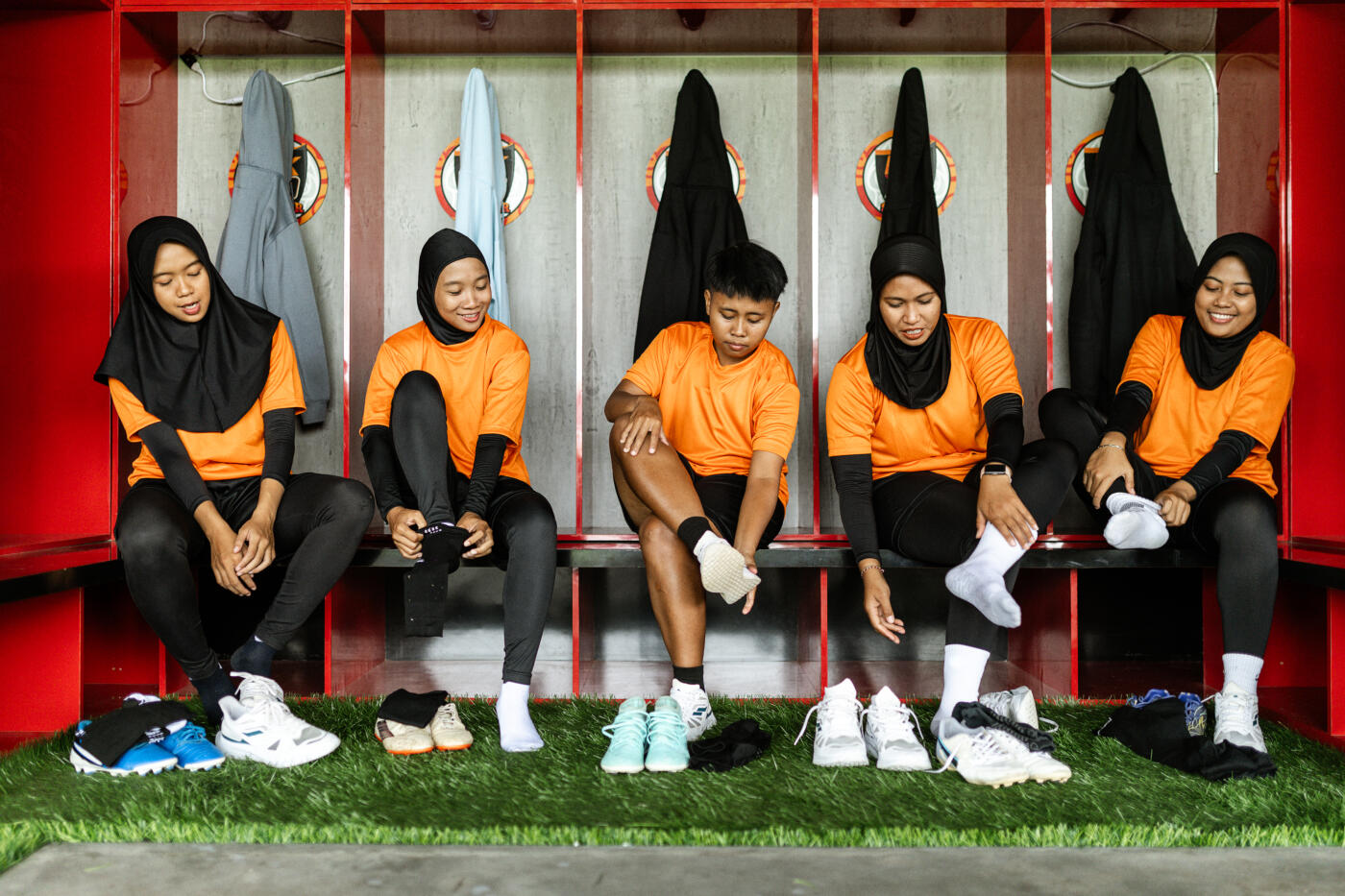
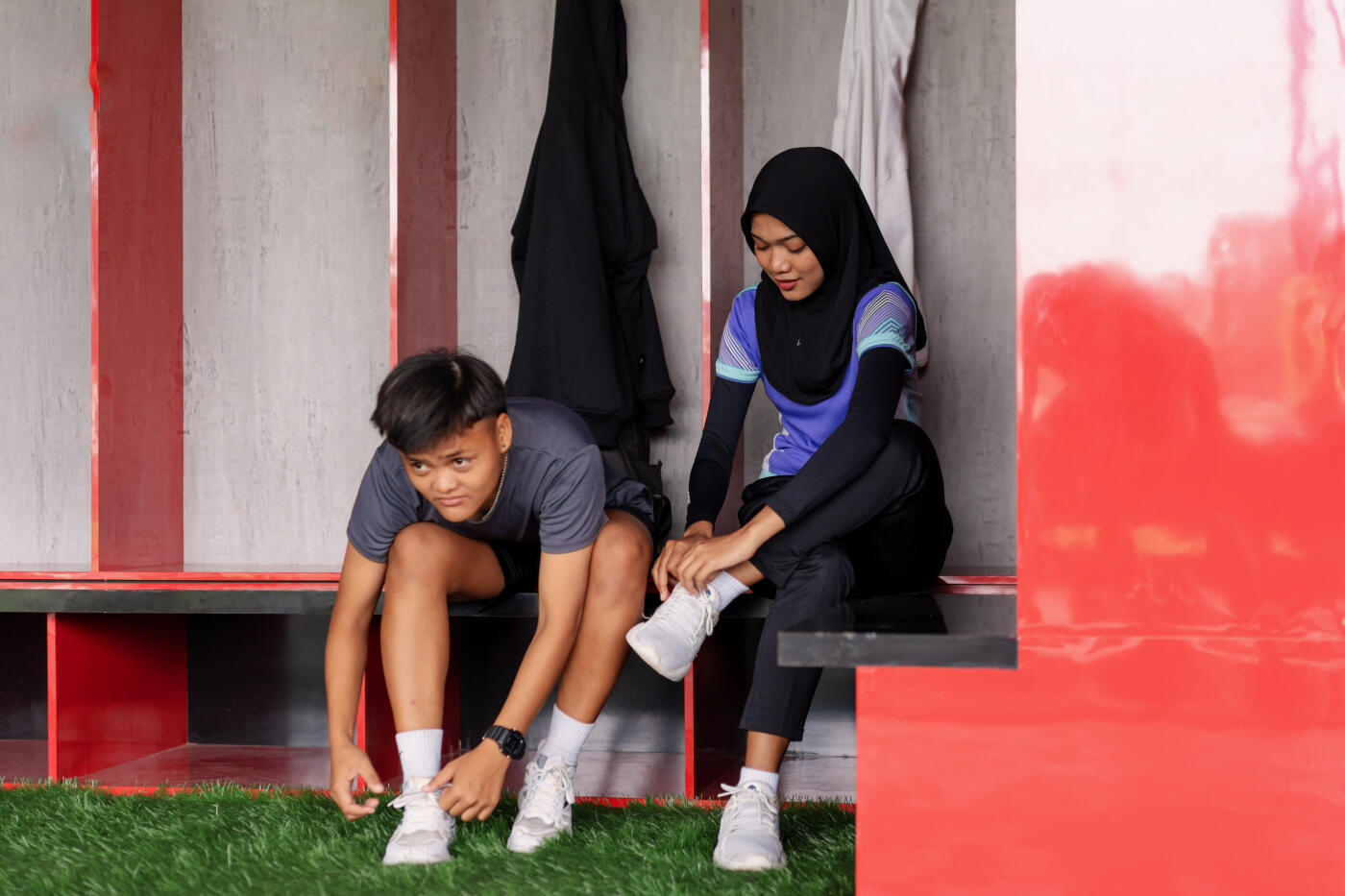
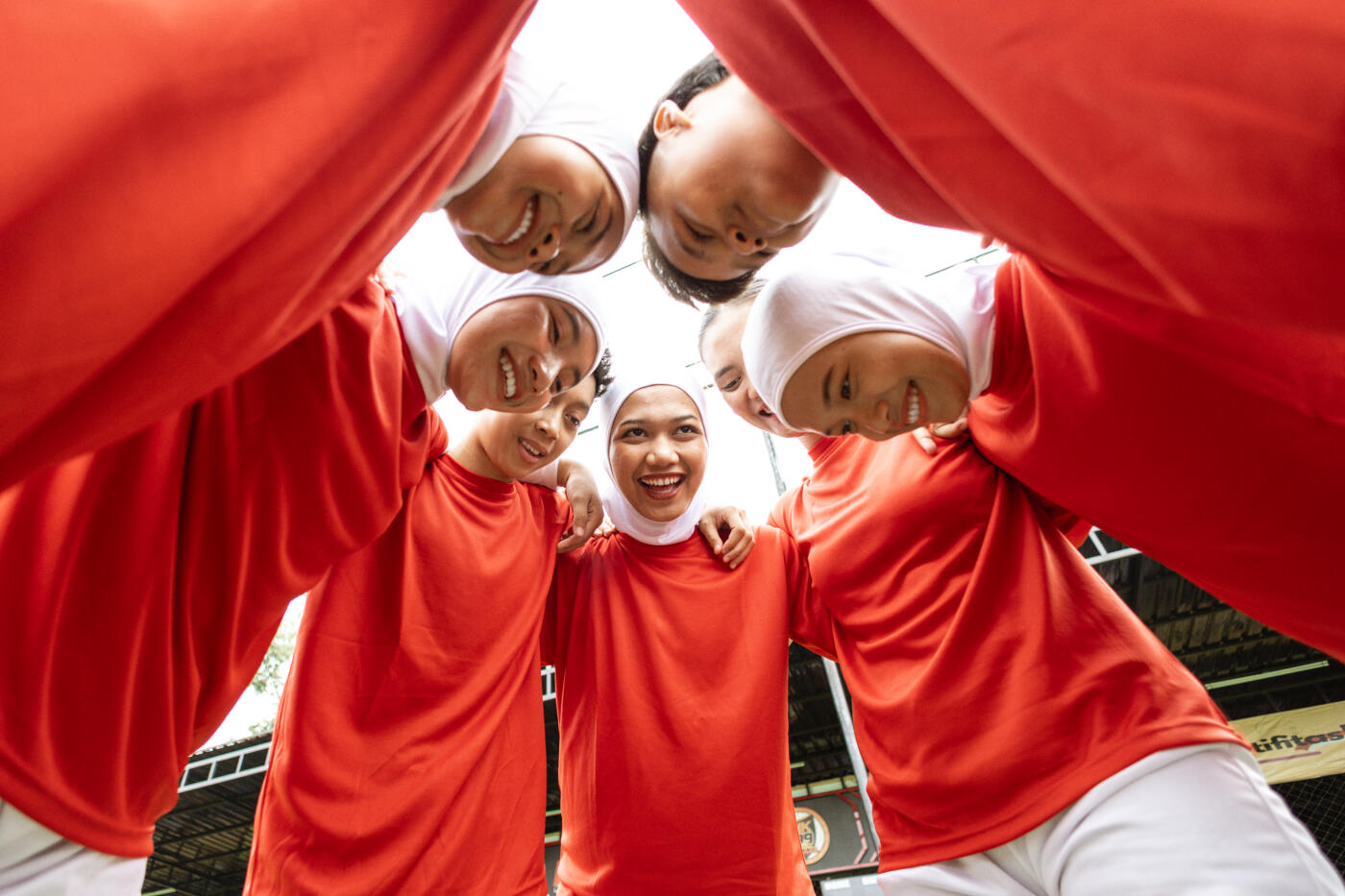
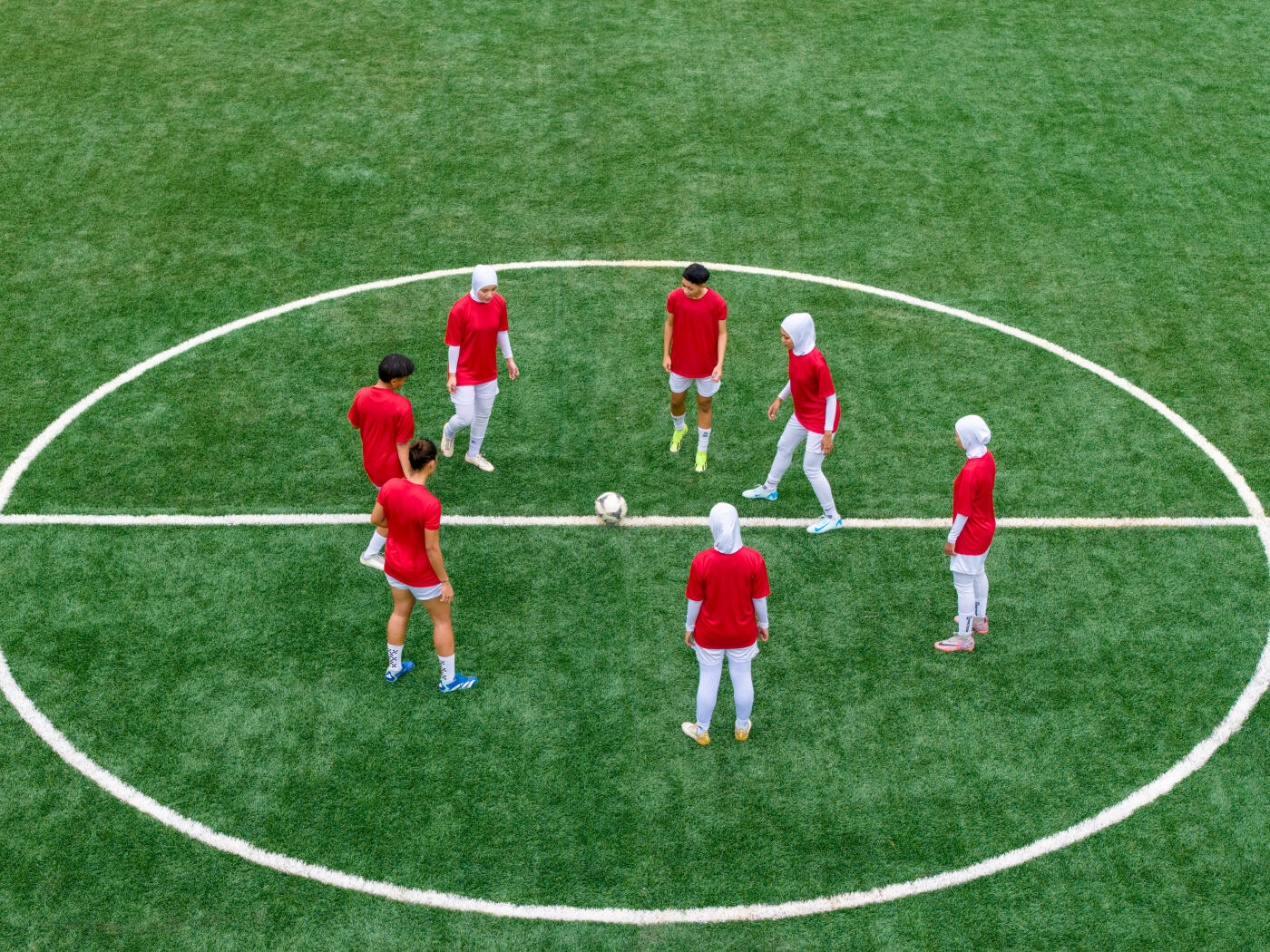
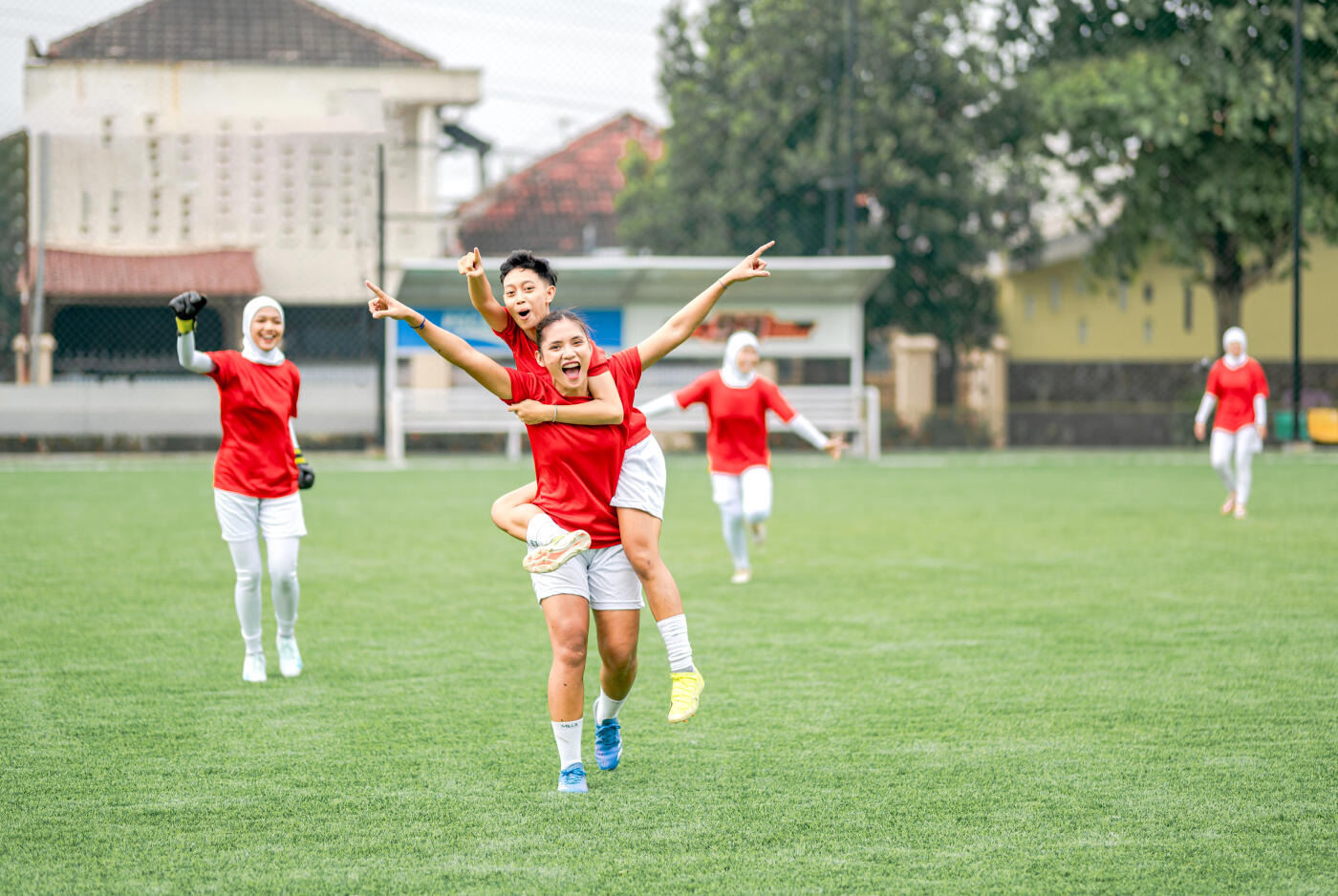
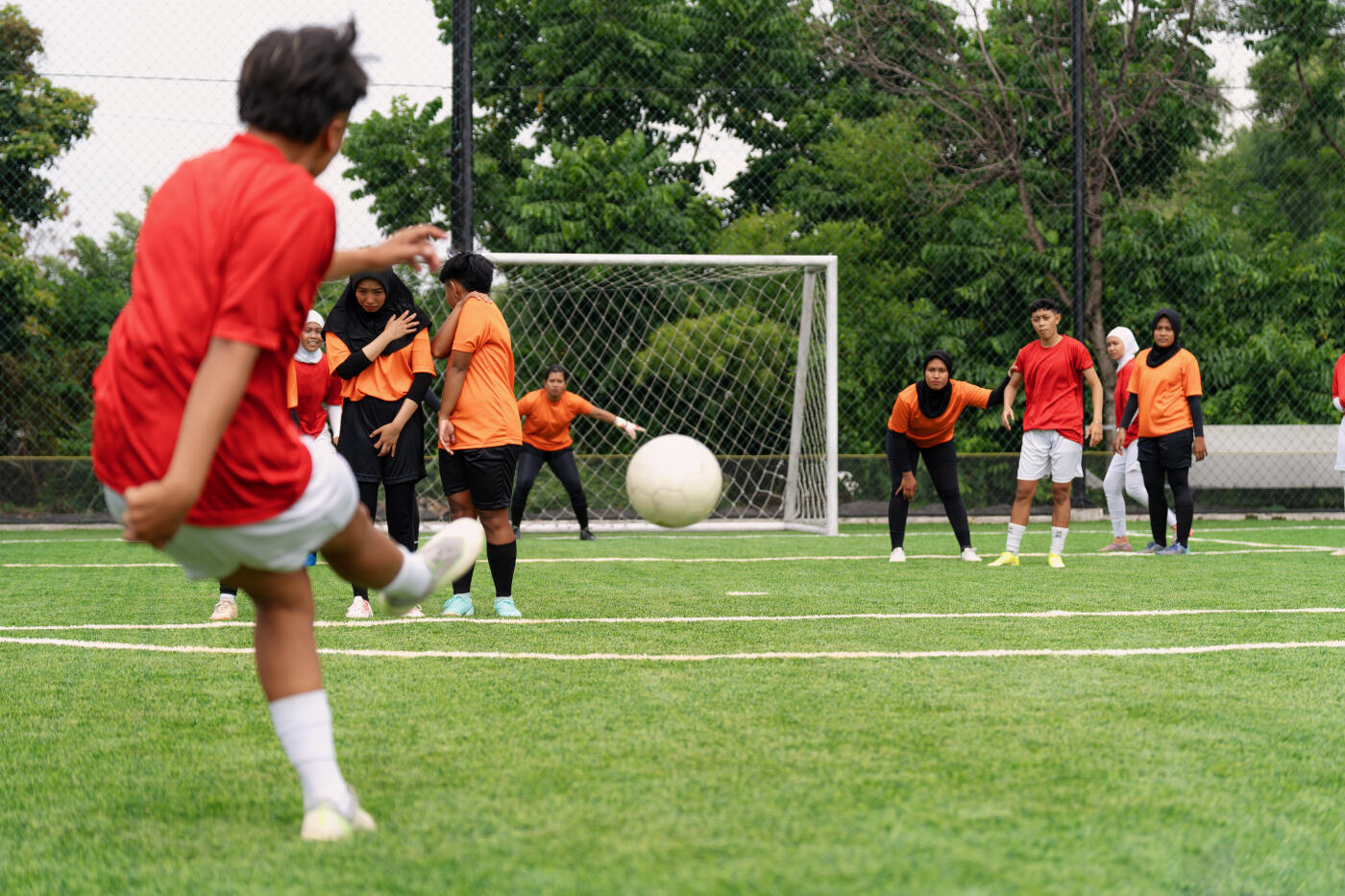
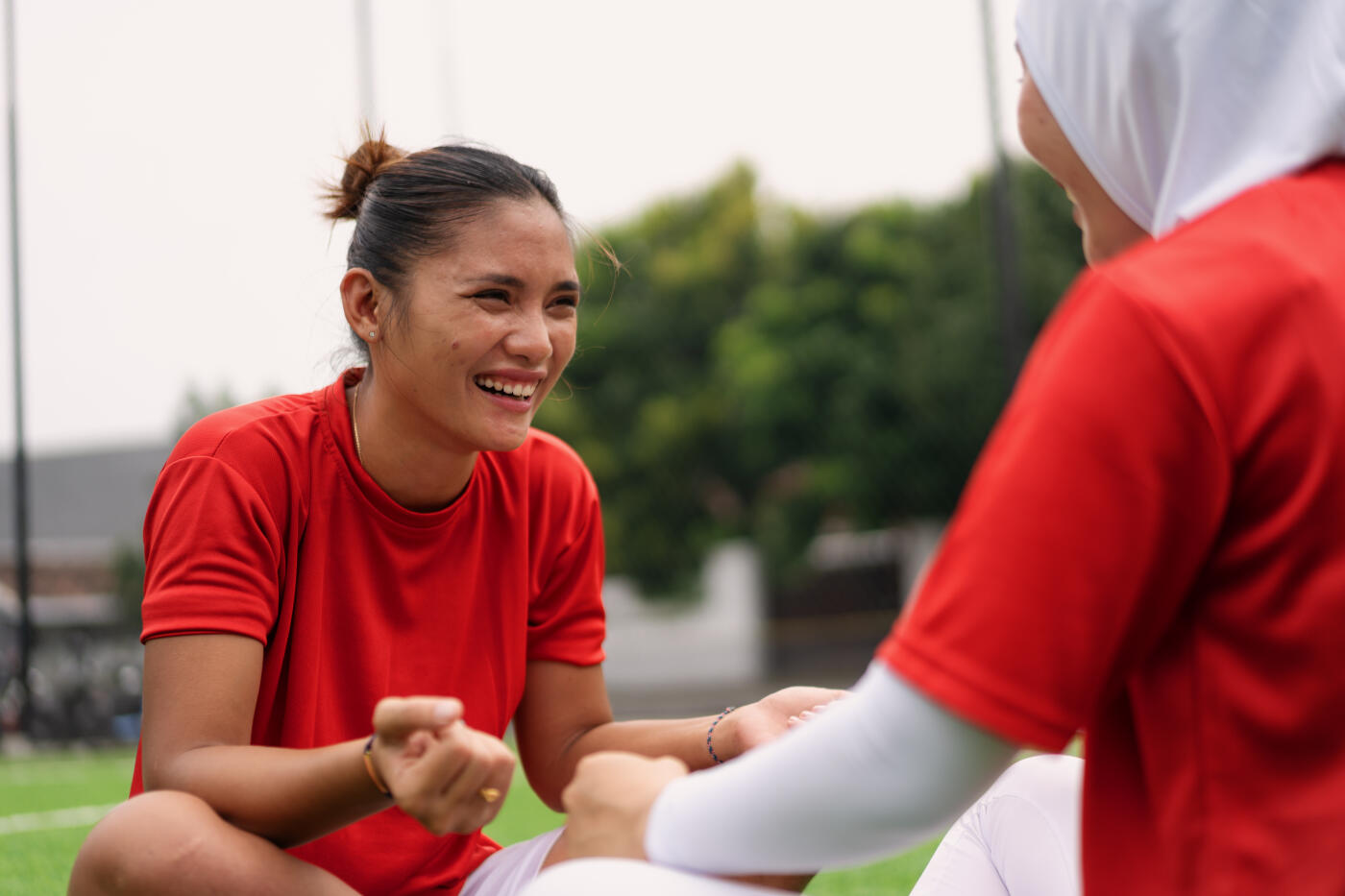
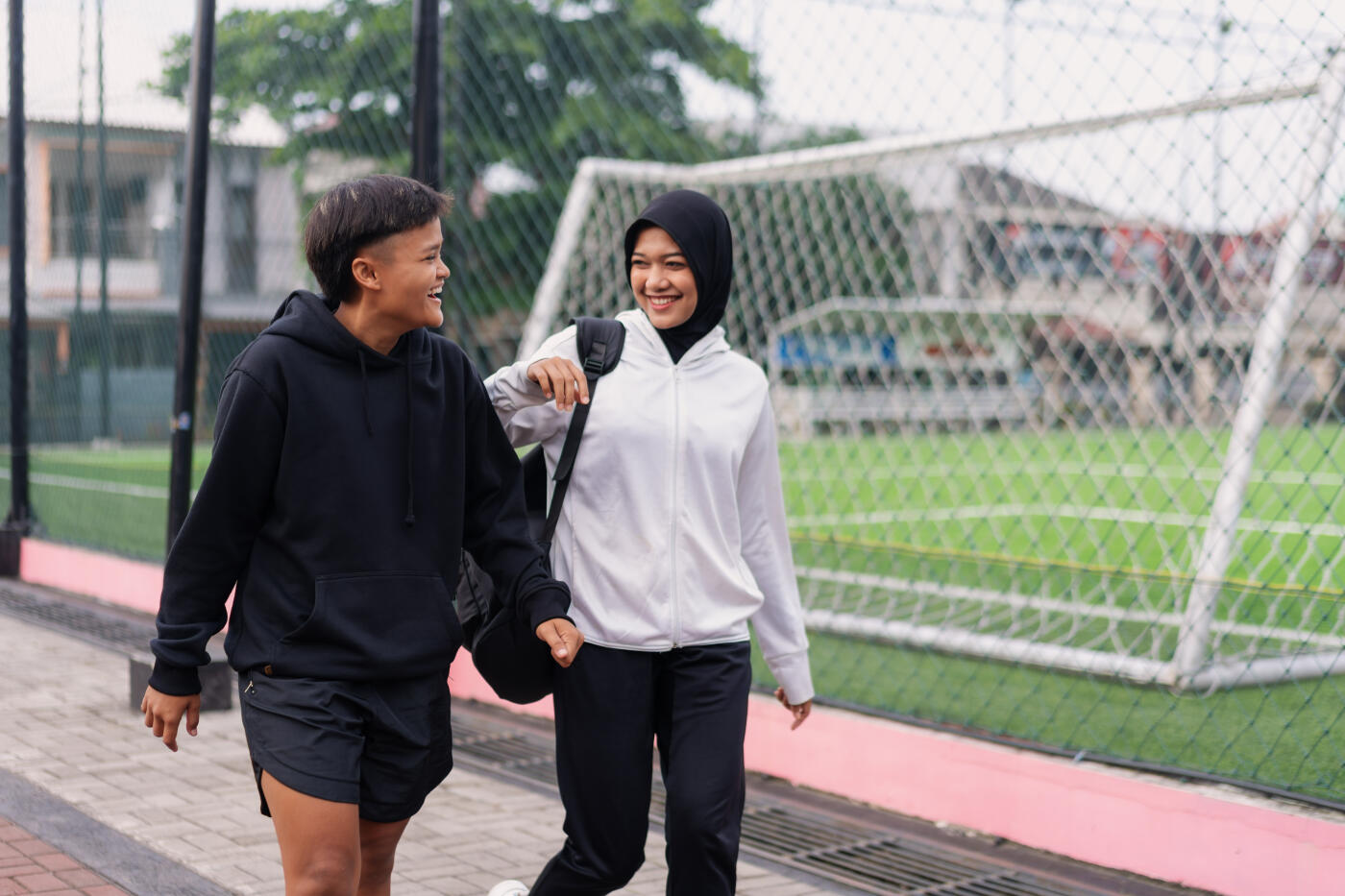
To bring a creative perspective to the shoot, we experimented with drone footage and dynamic movements to highlight the athletes’ abilities and energy through powerful visuals. And while sports photography often only focuses on the game itself, we chose to go further by capturing post‑match moments, facial expressions and deep friendships to reveal the full human story.
VisualGPS research shows that 69% of consumers prefer female athletes to be portrayed based on their athletic ability rather than appearance. Another 69% believe it is important for children to see diverse female athletes in the media, helping to promote strong, relatable role models.


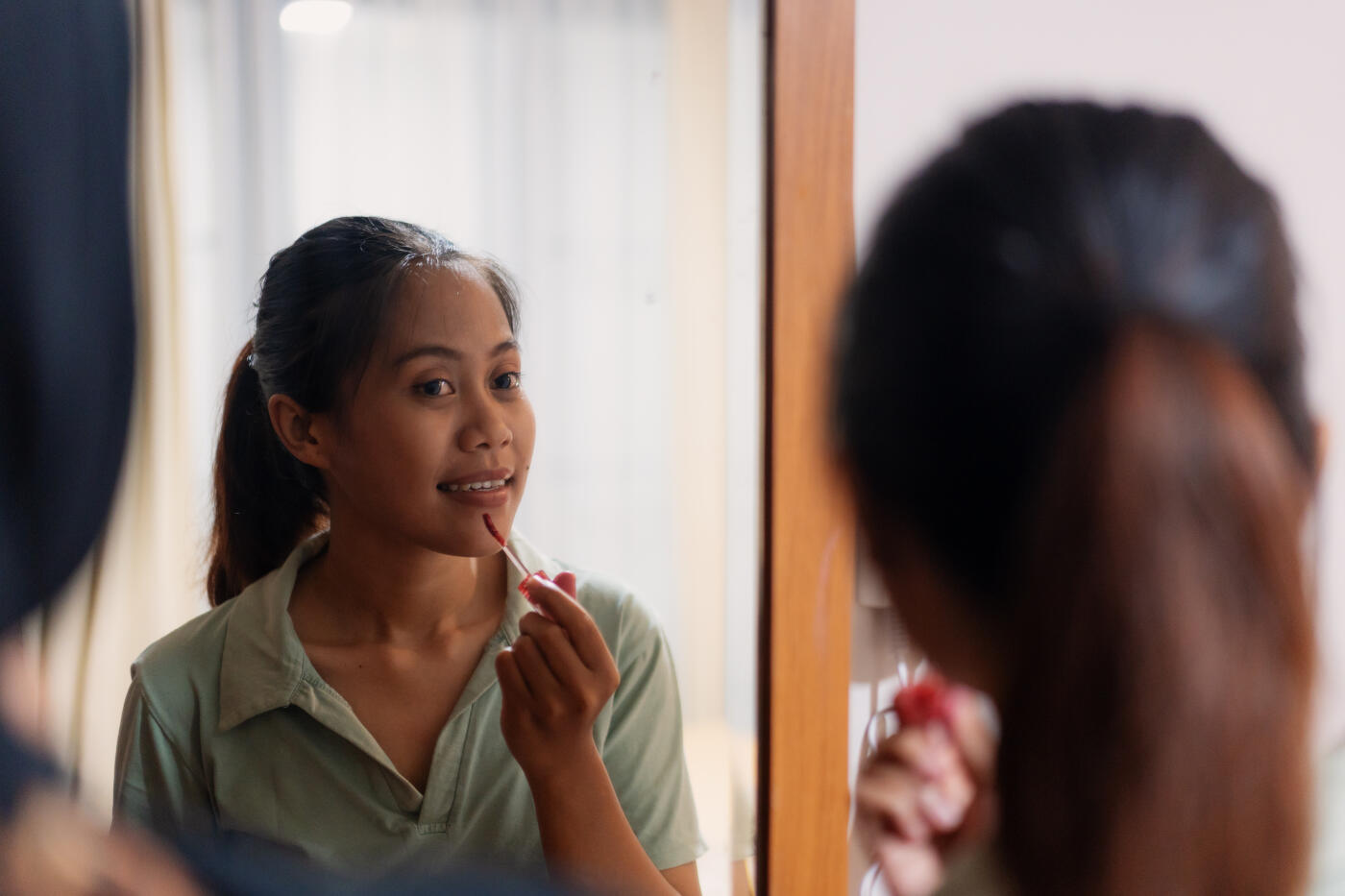
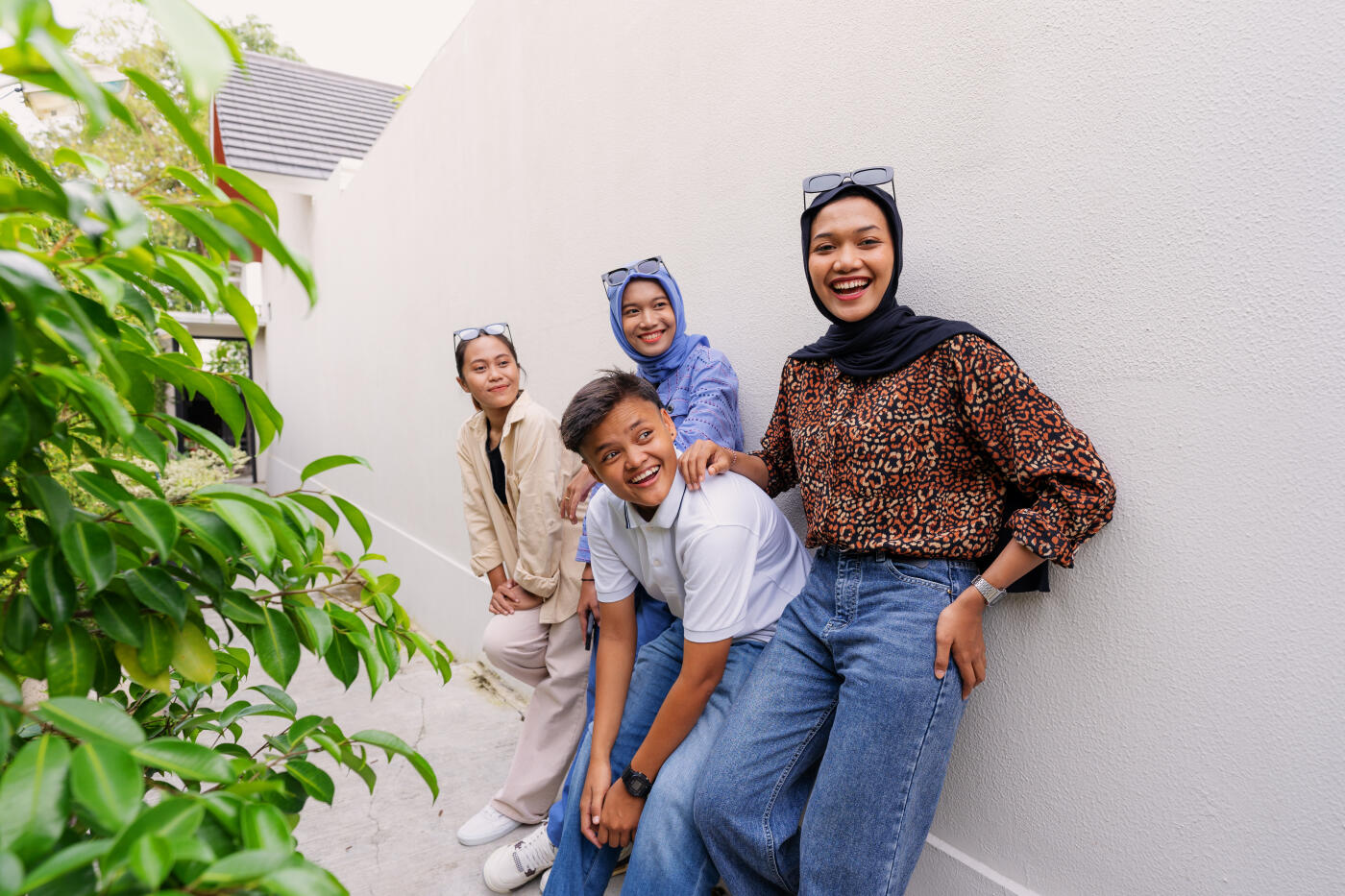
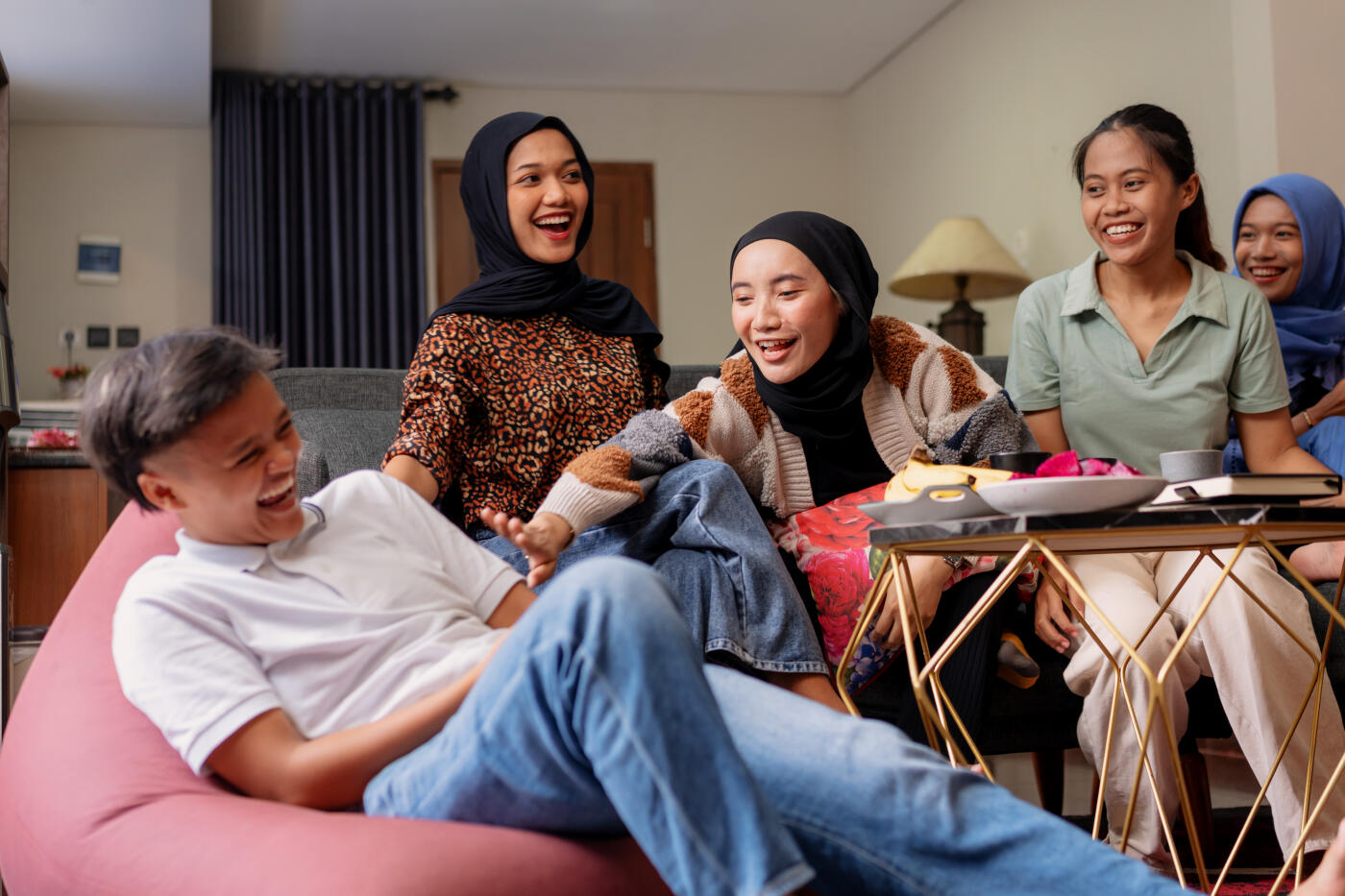
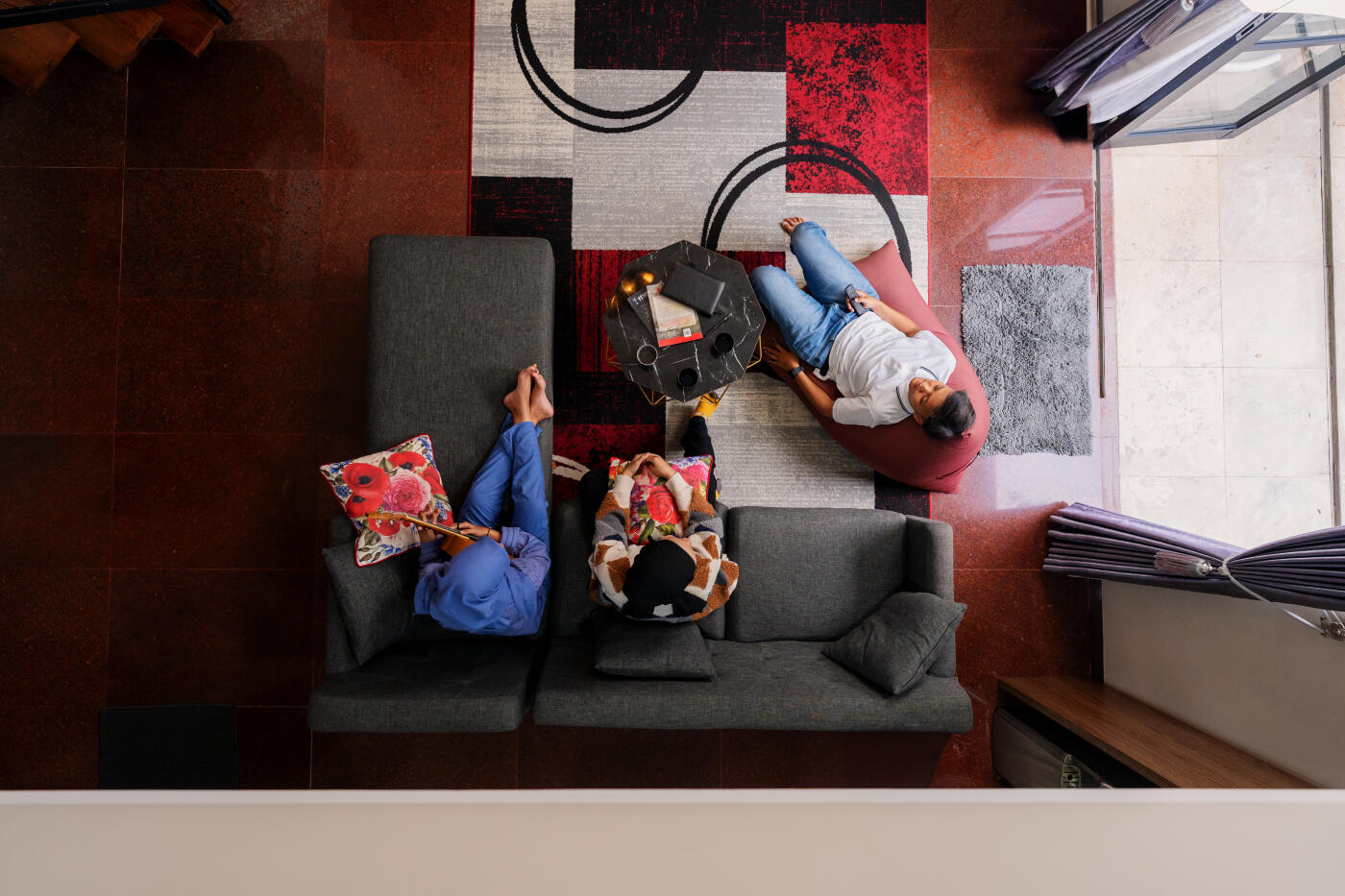
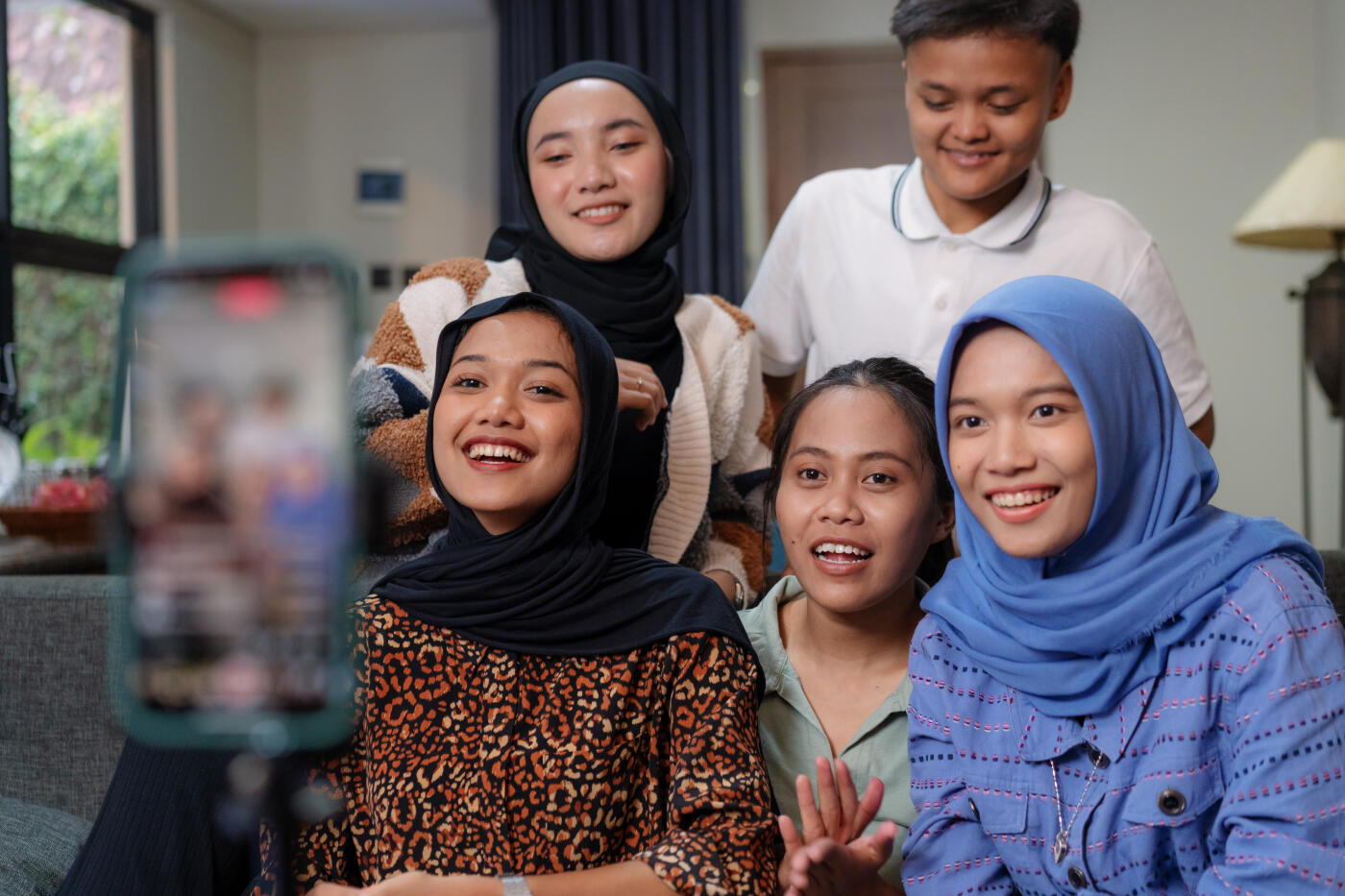
There is also growing demand for more relatable portrayals in advertising, with people wanting to see someone like themselves represented. Showing athletes in everyday settings—at home, commuting or spending time with friends—humanises them and helps audiences connect on a personal level.

All article tags
Related articles


Learn more about licensing with Getty Images and Stay Inspired!

Connect with our visual experts for more details

Subscribe to our newsletter