Nostalgia as Brand Strategy: Moving Beyond Retro to Emotion


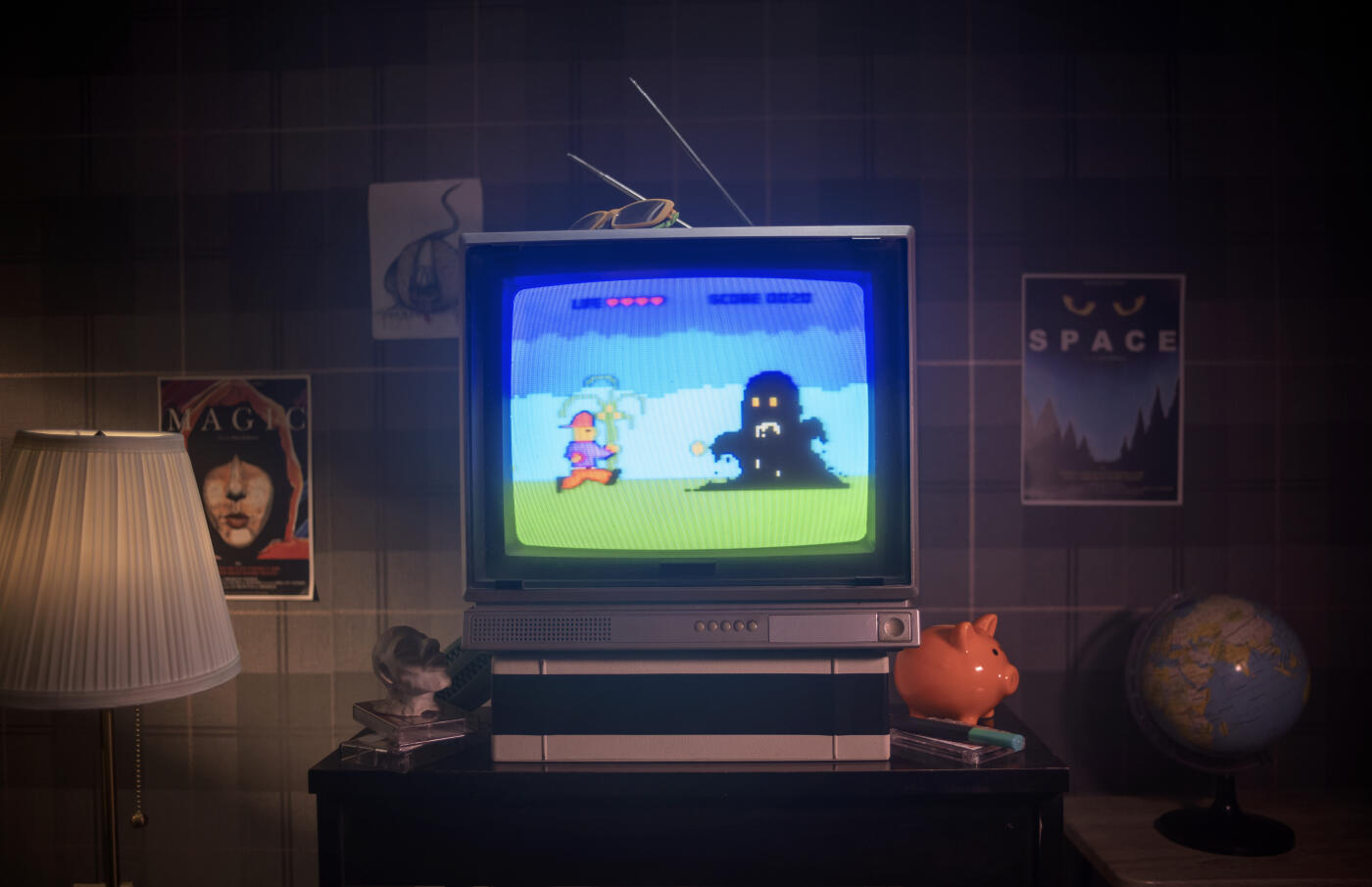
McVitie's latest TV spot opens with an '80s synth track yet features contemporary scenes—colleagues laughing, families gathered, a pregnancy yoga class1—while Gap's campaign begins with a CD player and The Cranberries' 'Linger', with Hailey Bieber capturing '90s analogue moments.2 Rather than recreating a past era, both brands evoke how it felt, a distinction that separates tactical trend from genuine brand loyalty. Getty Images' VisualGPS research confirms that the most impactful nostalgic visuals don't ask audiences to recognise a decade—they invite them to recognise a feeling.
What nostalgia actually means
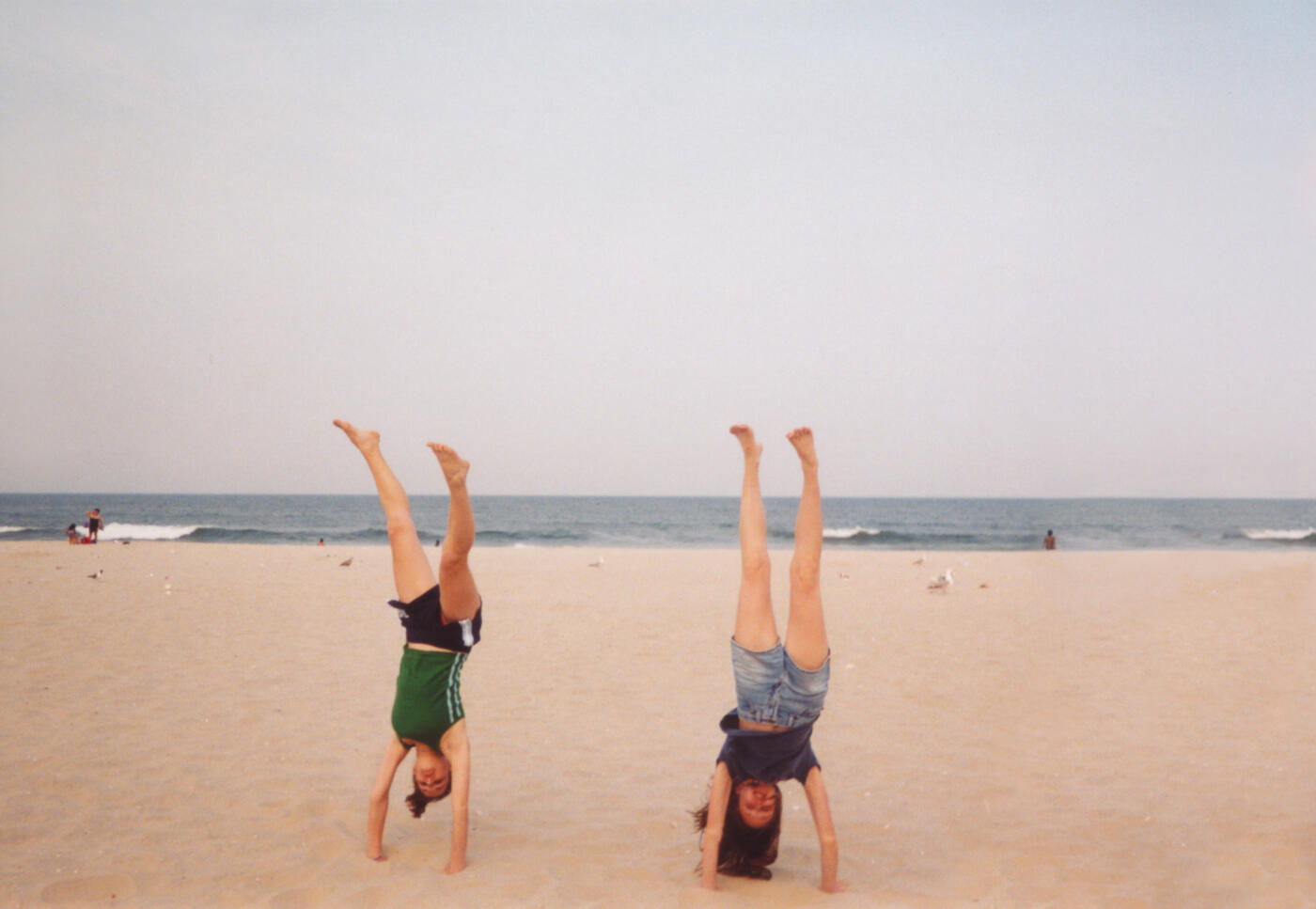
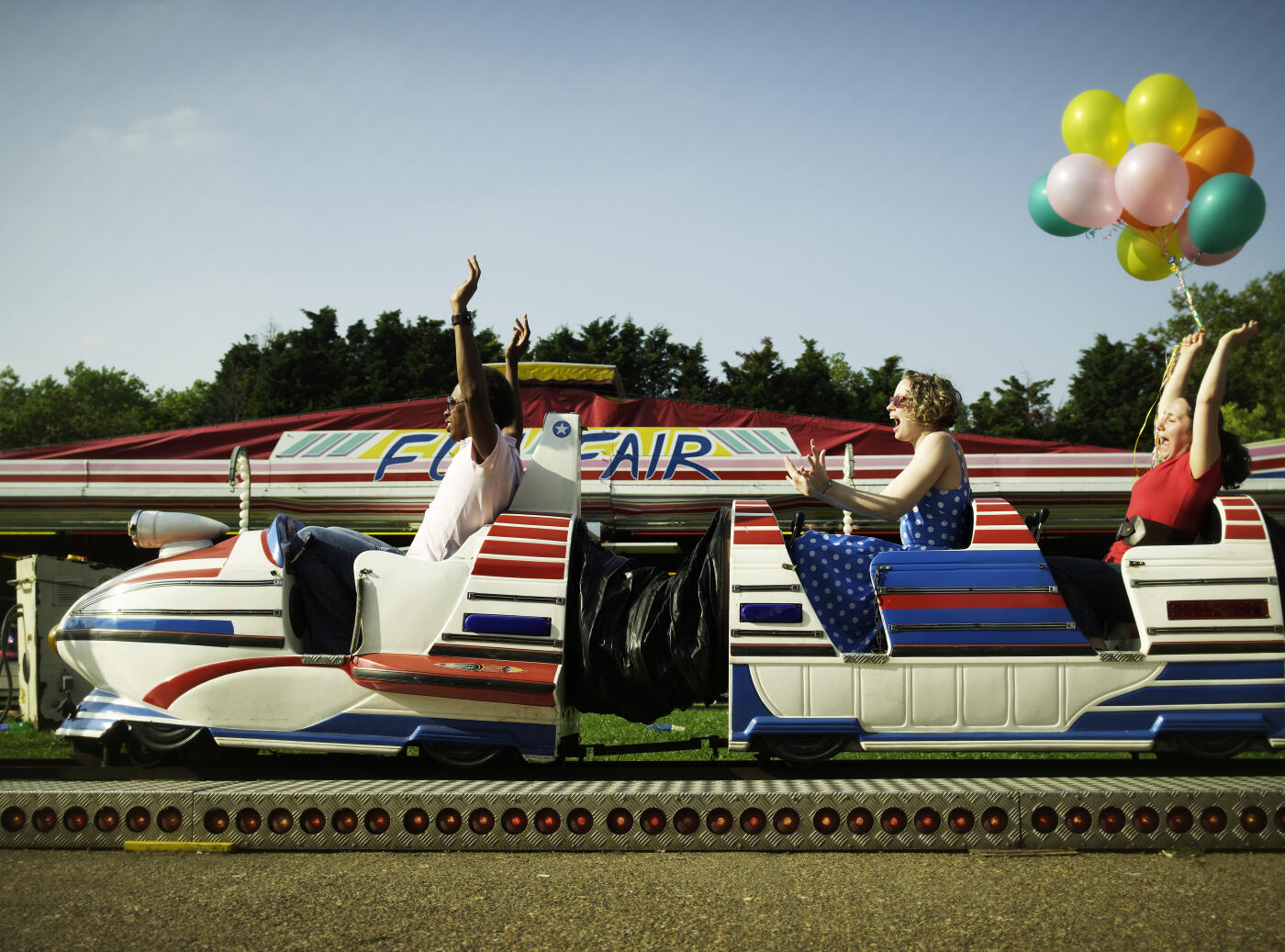
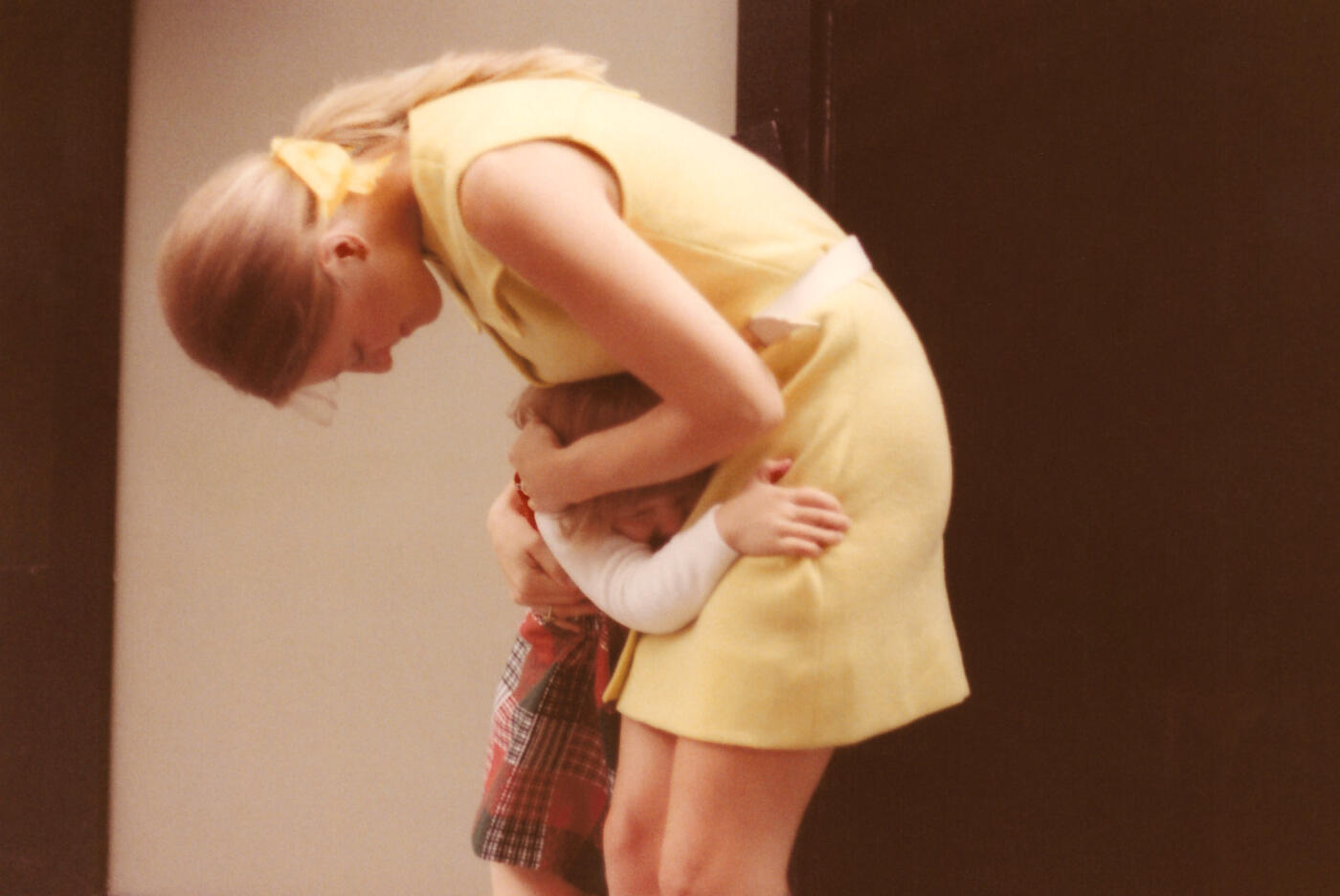
The visual opportunity extends far beyond VHS filters or period‑correct props. Childhood moments, comfort and connection matter more than objects. 53% of Europeans define nostalgia through personal experiences, compared with just 12% through historical events. Across generations, meaningful moments consistently outrank specific periods. When asked what 'nostalgia' brings to mind, Europeans mention remembering the past (39%) and childhood memories (16%)—not vintage aesthetics (3%) or heritage (2%). For brands, this opens richer creative territory.

One feeling, many generations
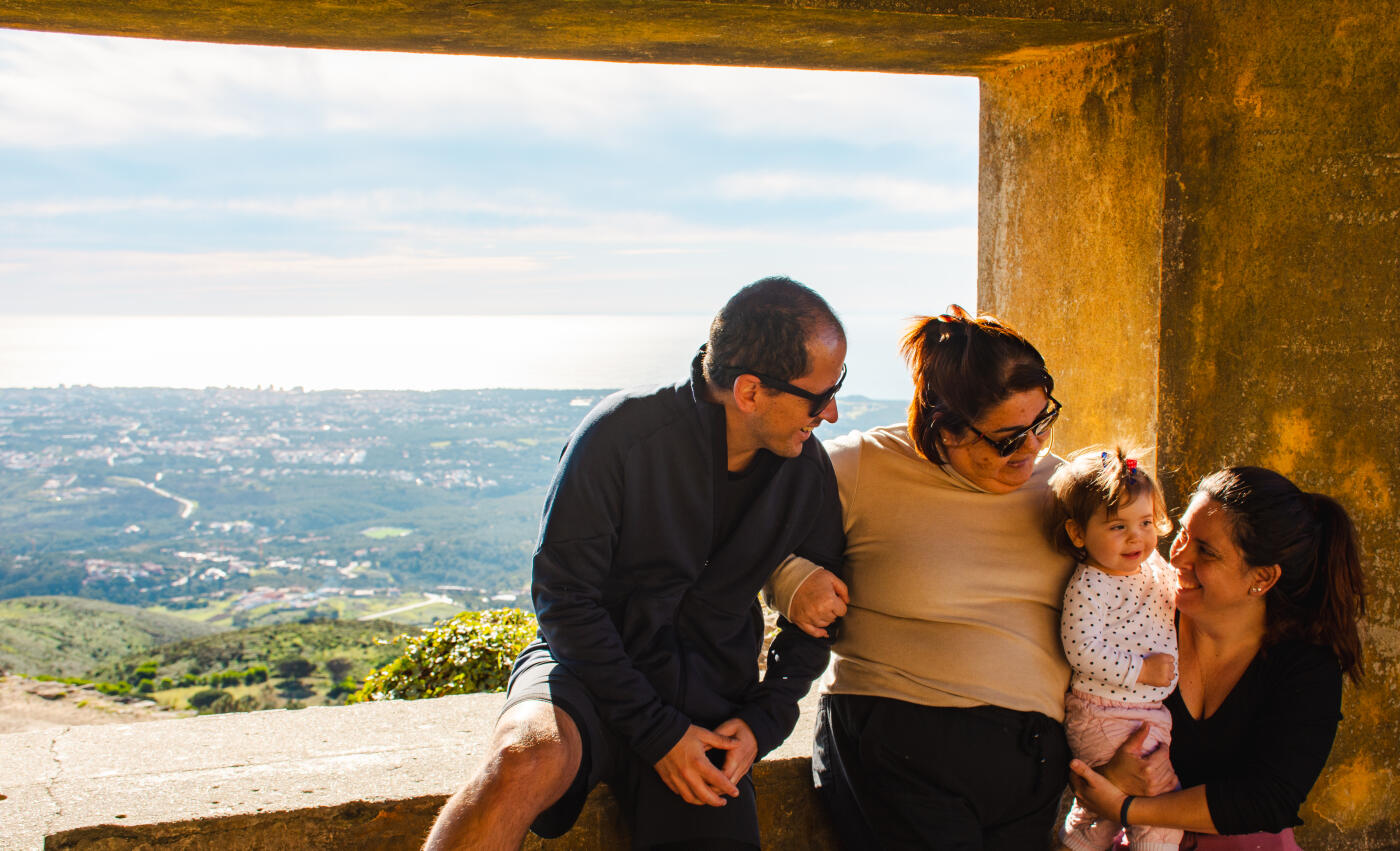
For visual strategists, this means moving from 'How do we recreate another era?' to 'What feeling are we trying to bring back?'. 71% of people across all generations agree nostalgia is more about feeling than historical accuracy. Yet generations experience it differently. Older audiences anchor nostalgia in lived experiences and life stages; younger audiences emphasise moods and emotional warmth, often feeling attached to periods they've never experienced. The answer often lives in small details: A rainy holiday, siblings joking together, shoes abandoned after a day outside.


Why nostalgia resonates now
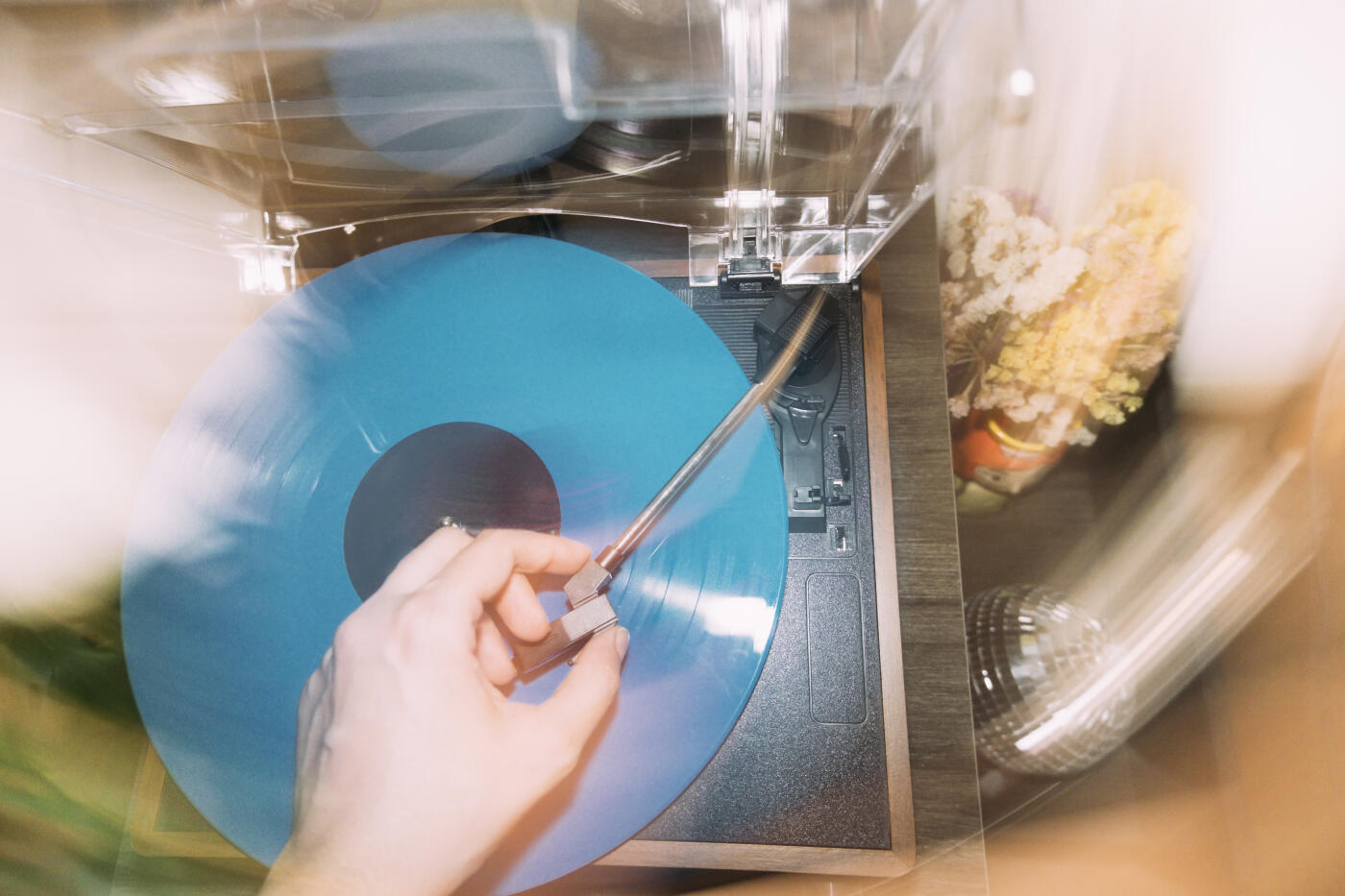
Nostalgia’s growing appeal reflects tension with the present. Technology is moving faster than people feel able to keep up. Today, 65% of Europeans find it difficult to keep up with the pace of today’s world, rising to 69% for European Gen Z. The viral 'analogue summer' trend for example expresses hunger to escape digital abundance and reconnect with slower tangible experiences. Nostalgia offers emotional grounding. From '80s/'90s/Y2K/indie sleaze fashion and revisited classic cars, to everyday goods, leaning into nostalgia is a validated strategy. In a landscape shaped by algorithmic sameness and ROI pressures on creativity, revisiting what worked before is risk‑free. However, when brands recycle identical eras and aesthetics, nostalgia becomes the sameness it promises to escape. Ubiquitous nostalgia collapses into visual homogeneity, defeating the emotional authenticity that makes nostalgia powerful.




The bias in 'universal' nostalgia
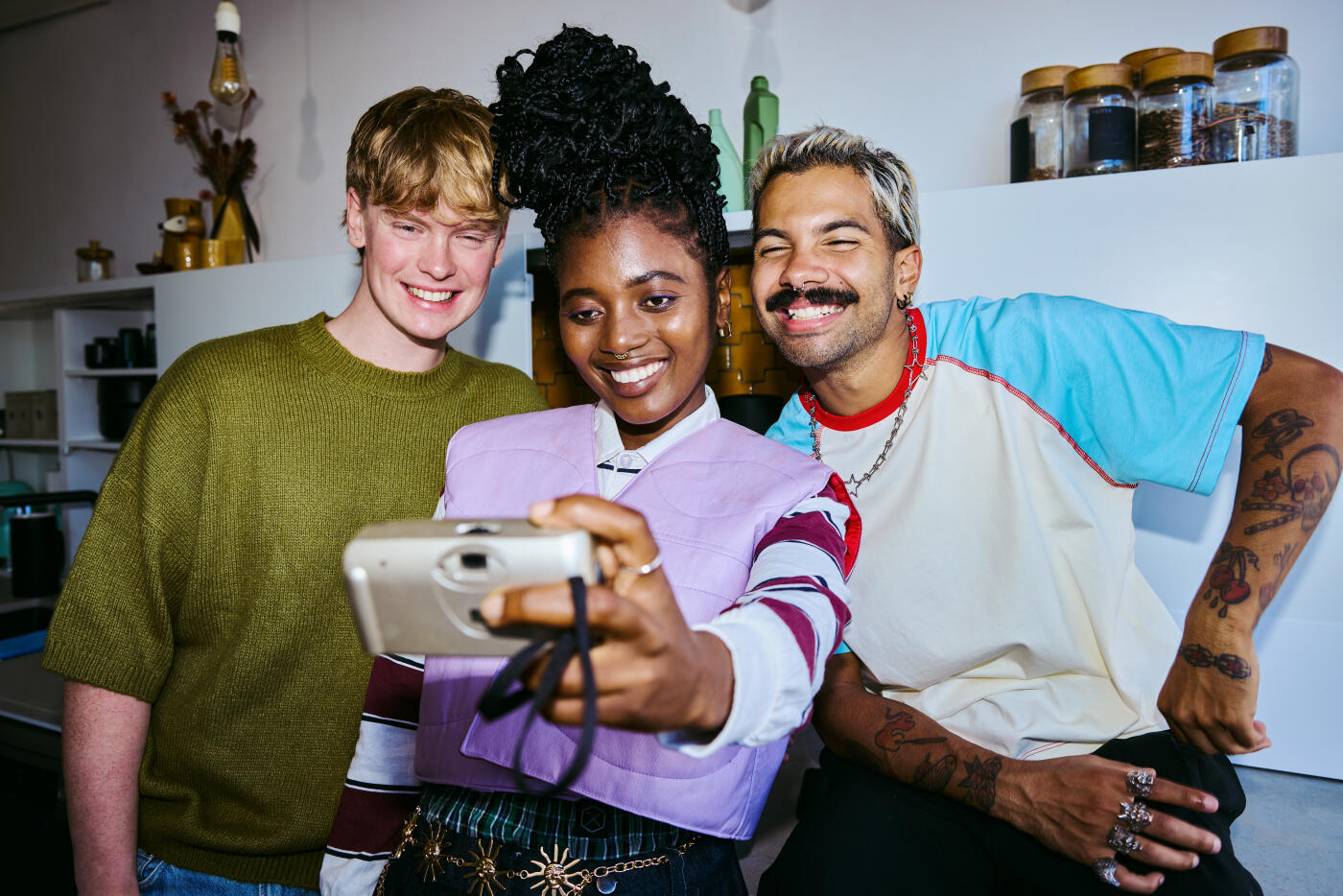
Nostalgia is dangerously easy to reduce to a visual checklist: Film grain, faded colours, flash photography. More critically, it's prone to unconscious bias. Whose childhood is remembered? Whose home feels familiar? Today's popular European visuals still lean heavily on the white, nuclear family, featured in 7 in 10 visuals. This narrow nostalgia excludes many consumers. A more inclusive approach means visualizing different family structures, cultural rituals and neighbourhoods. There are many nostalgias, many pasts worth remembering and locally relevant content has particular power: 42% of Europeans trust brands more when they represent local nuances correctly.





Building trust through authentic nostalgia
The most effective nostalgic imagery starts with emotion:
- Focus on life moments, not decades: Rites of passage, family traditions, first experiences.
- Prioritise atmosphere over historical accuracy: Warmth, intimacy and spontaneity resonate more than period‑perfect styling.
- Seek small, relatable details: A hand reaching across a table, laughter caught mid‑moment.
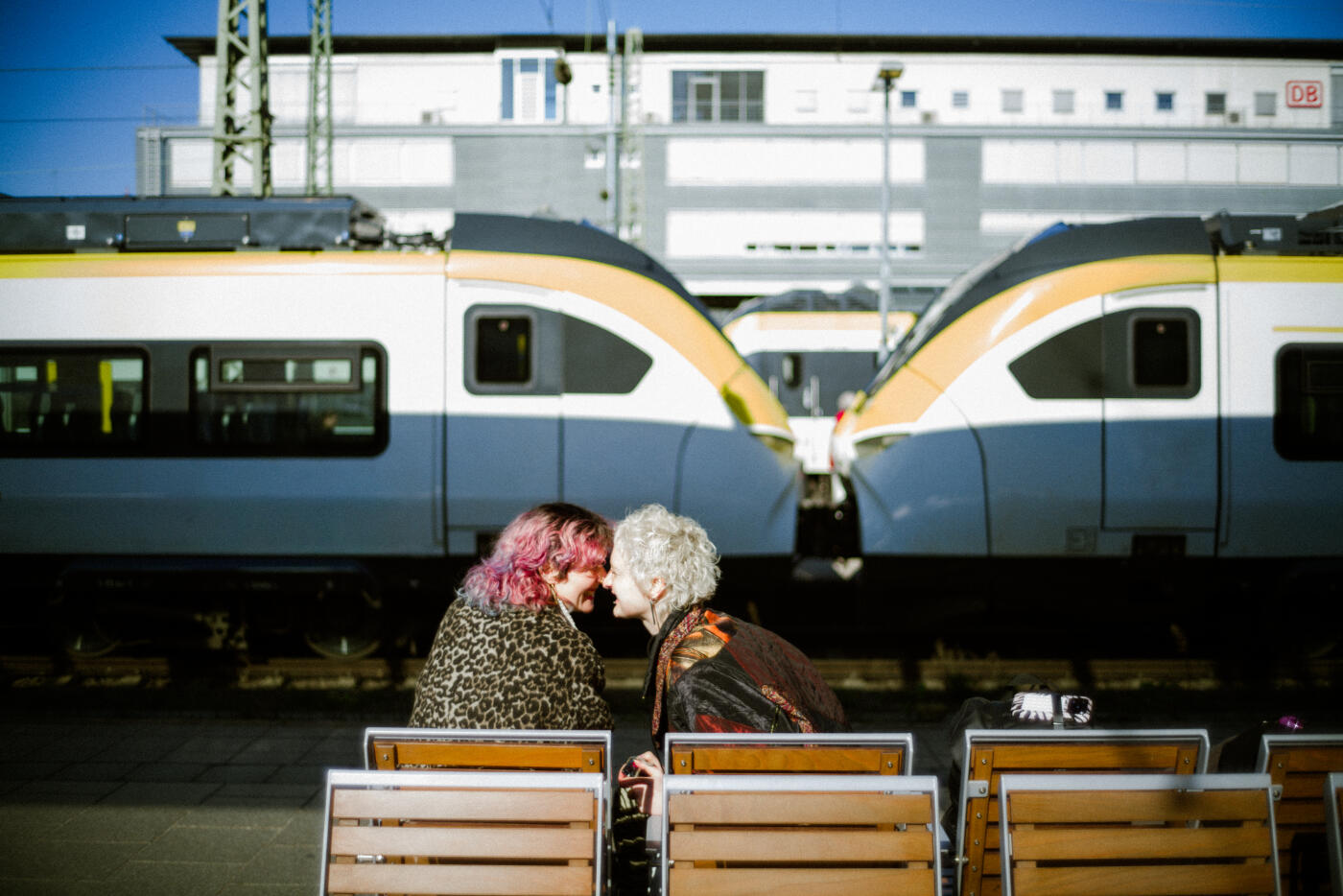
- Create space for multiple pasts: Represent diverse neighbourhoods, rituals and ways of being.
- Make the present worth remembering: Capture moments people will one day miss.
All article tags
Sources
[1] Creative Review
[2] Ads of the World
Related articles



Learn more about licensing with Getty Images and Stay Inspired!

Connect with our visual experts for more details