Nosotros: Reclaiming Latinx Stories
Sultry. Sexy. Spicy. Machismo. Drug lord. Service worker. Farm hand. Exotic. Ambiguous. Immigrant. Invisible. Other.
There are nearly 58 million individuals of Latinx/Hispanic descent living in the United States, making this community the nations’ largest racial or ethnic minority; yet their representation in media is often boiled down into least common denominator, one‑dimensional archetypes like the ones above. Men, women and everyone between or outside the binary, are often highly sexualized. Women are flattened into exotic playthings or domestic workers. Men can only be macho, hypermasculine and dominant. Everyone is stripped of their unique stories and relegated to the background as the ambiguous “ethnic” friend or the service staff or some other offensive and harmful stereotype.
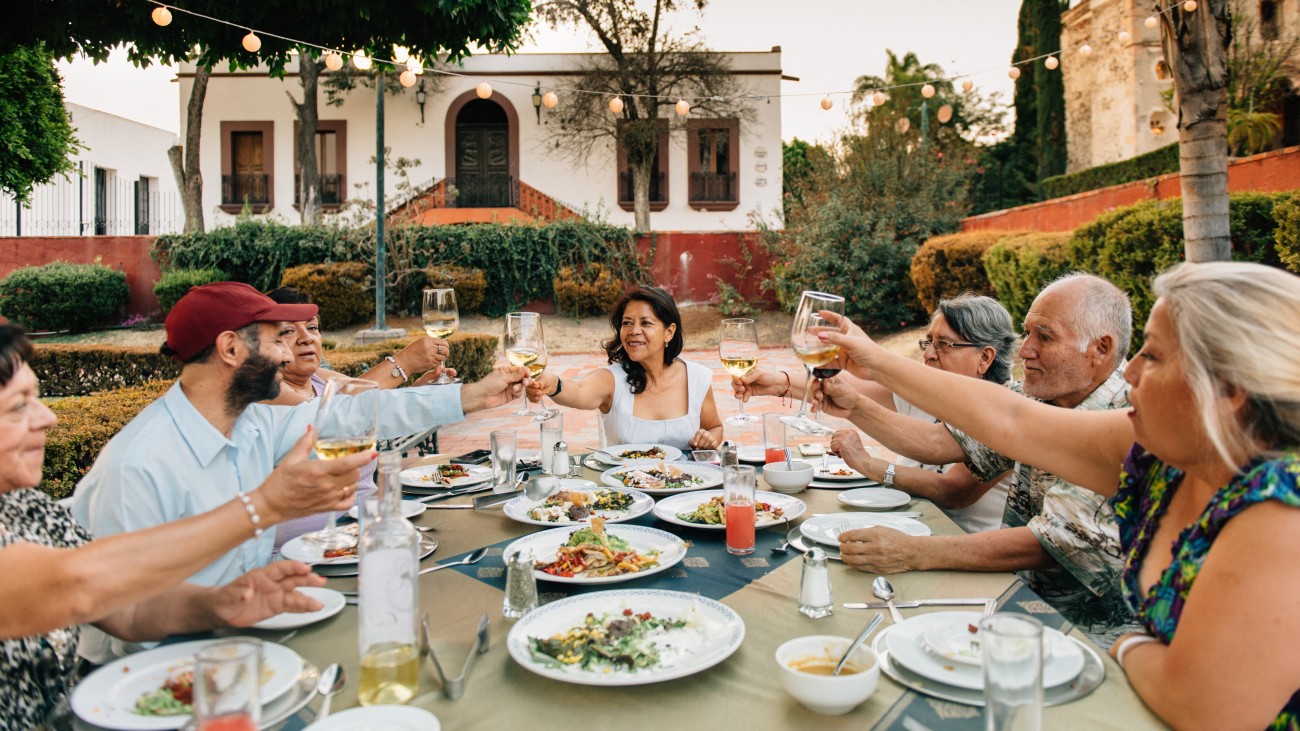
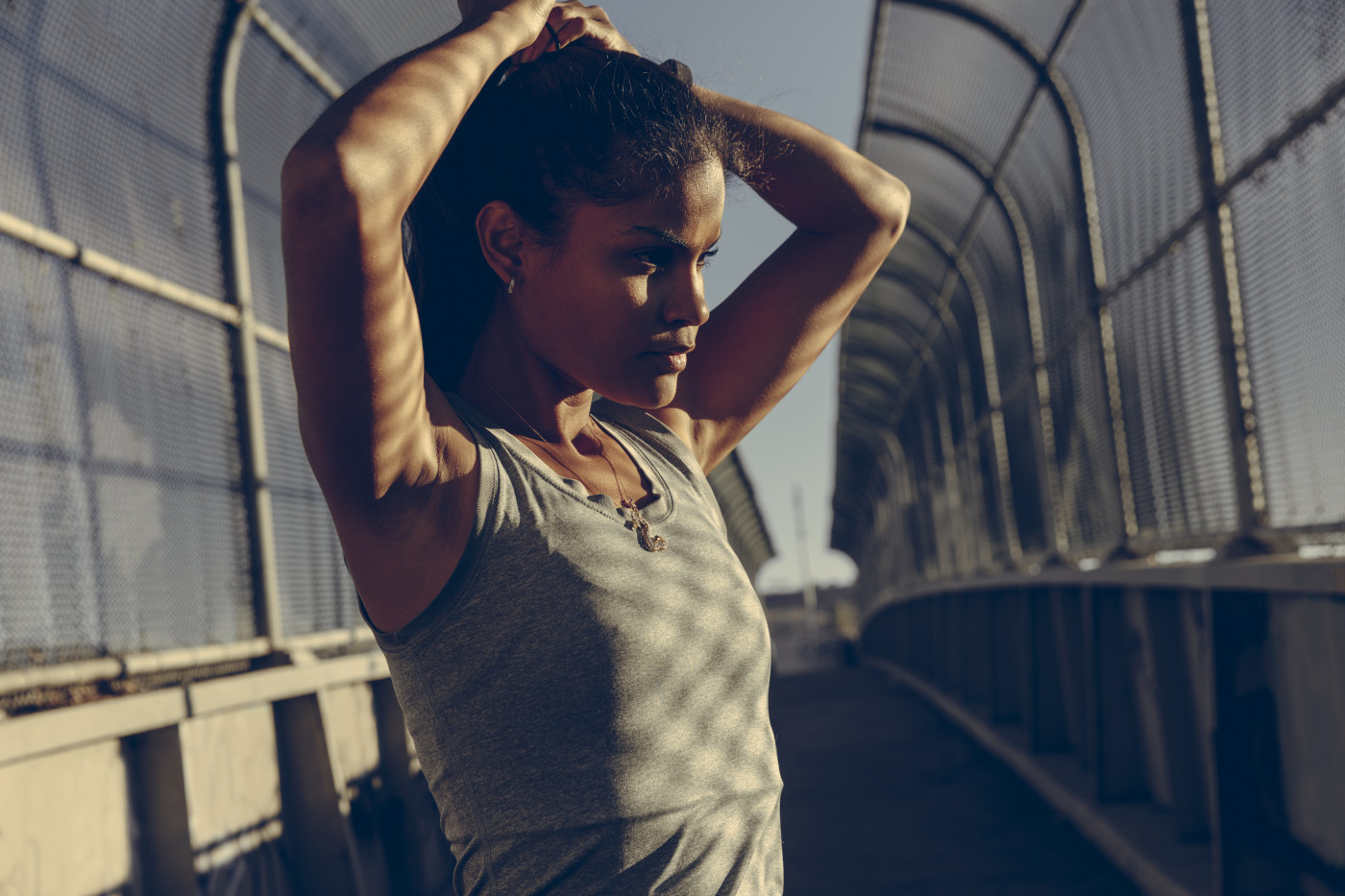
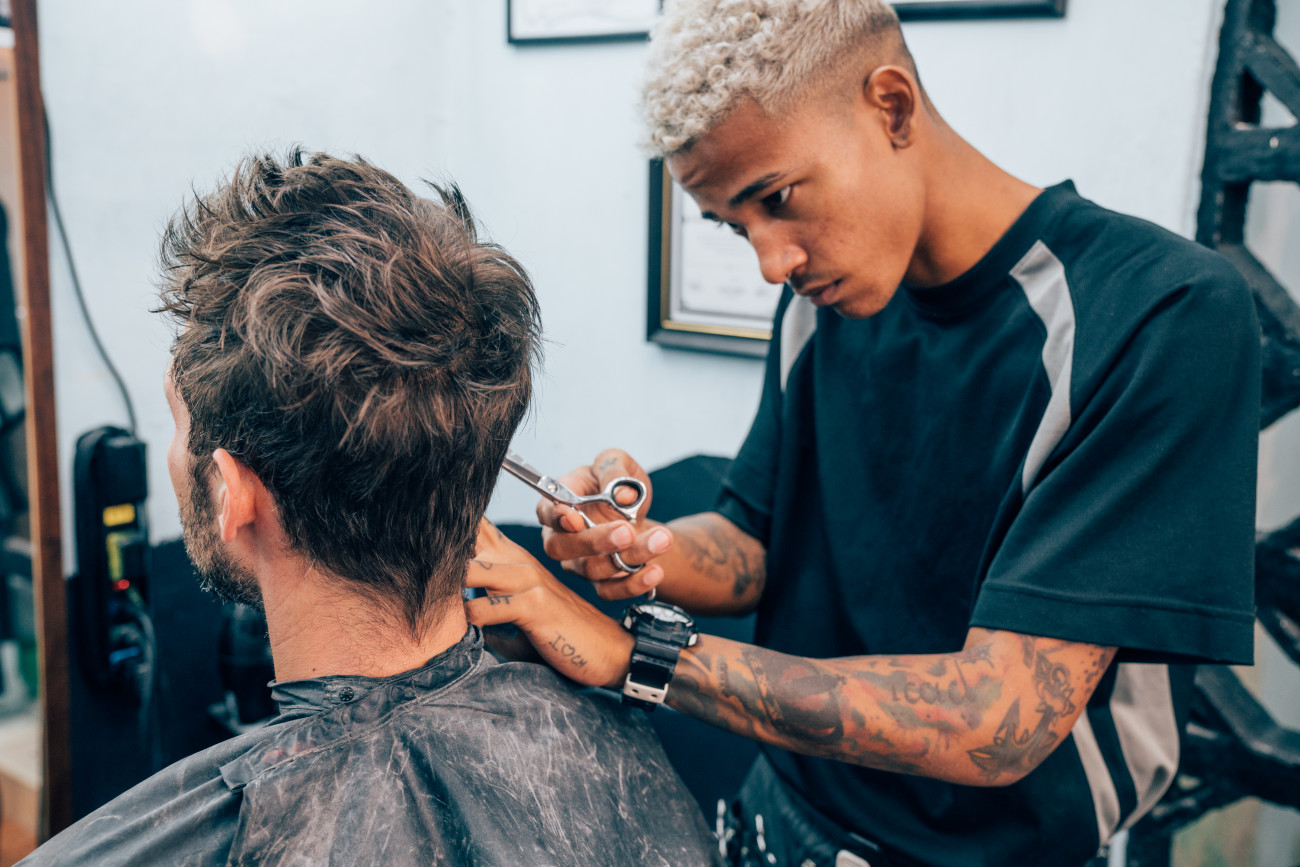
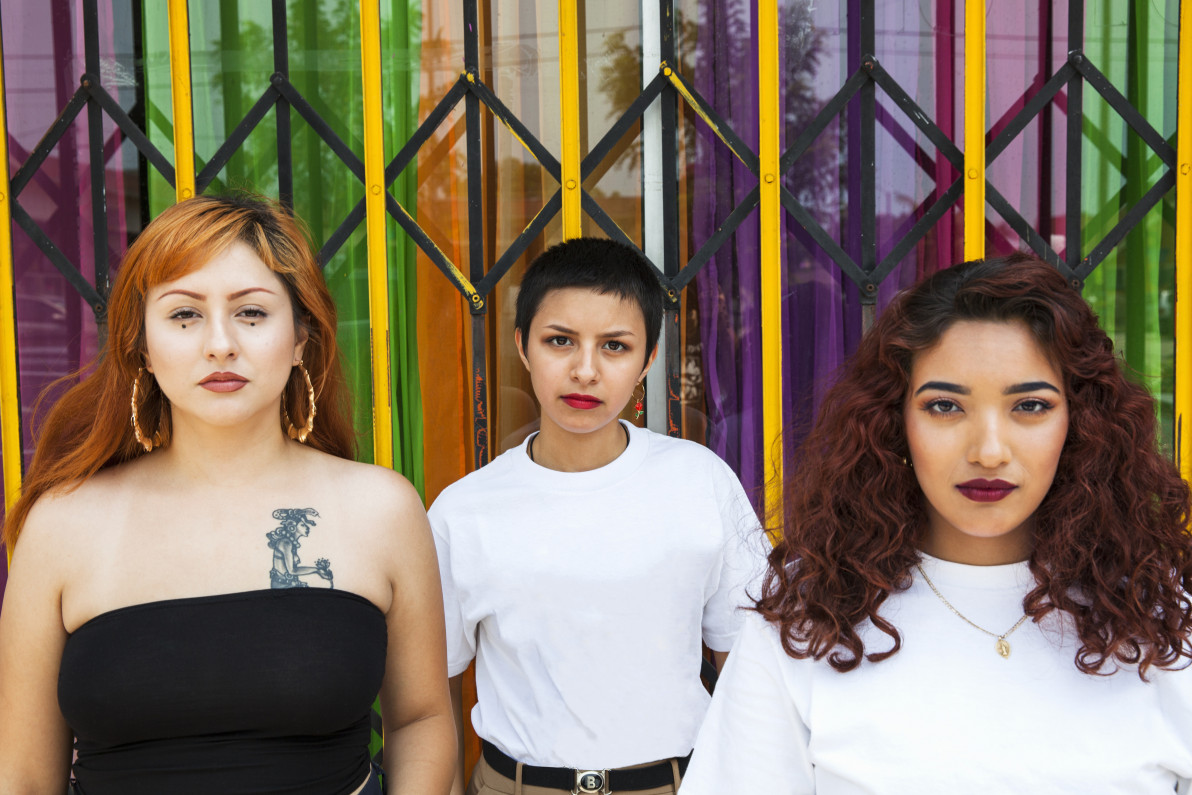
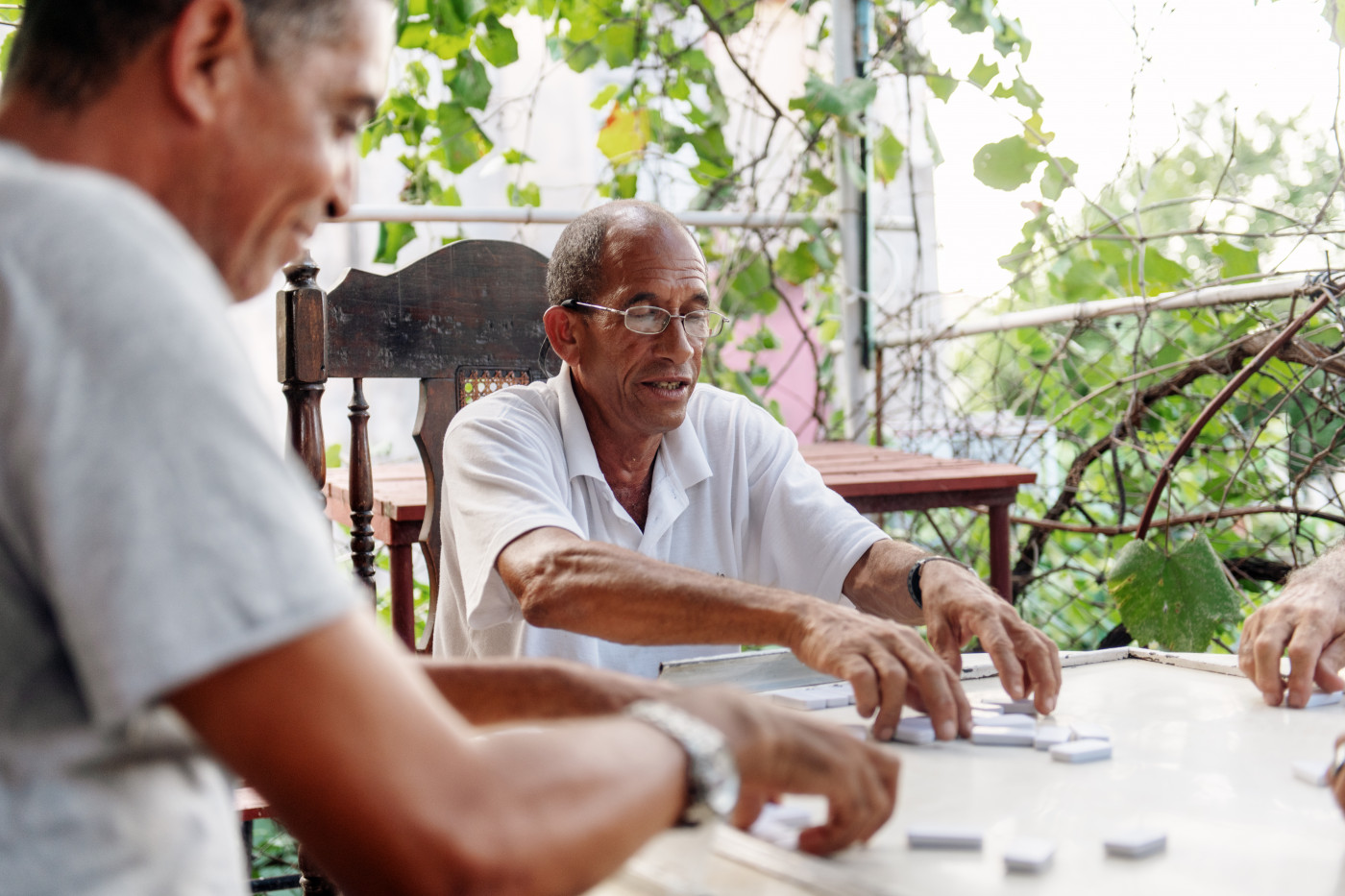
Today we’ve launched “Nosotros,” the very first curated collection aimed at the Latinx/Hispanic community to help dismantle some of these pervasive stereotypes. We see this collection as a key lever in reclaiming Latinx stories in our visual landscape. To tell them fully and in a voice that belongs to the community, rather than the outsider gaze that’s shaped and defined their depiction in American media for the last century or so. It’s a celebration of the Latinx/Hispanic community on this continent at all of its relevant intersections: it’s full bodied, it’s slim, it’s athletic, it’s dark‑skinned, it’s lighter skinned, it’s everything in between, it’s queer, it’s straight, it’s over 50 and fabulous, it’s young and joyful, it’s empowered and in charge, it’s able‑bodied, it’s disabled and so much more. There isn’t any one way to be Latinx and each and every unique story deserves to be told.
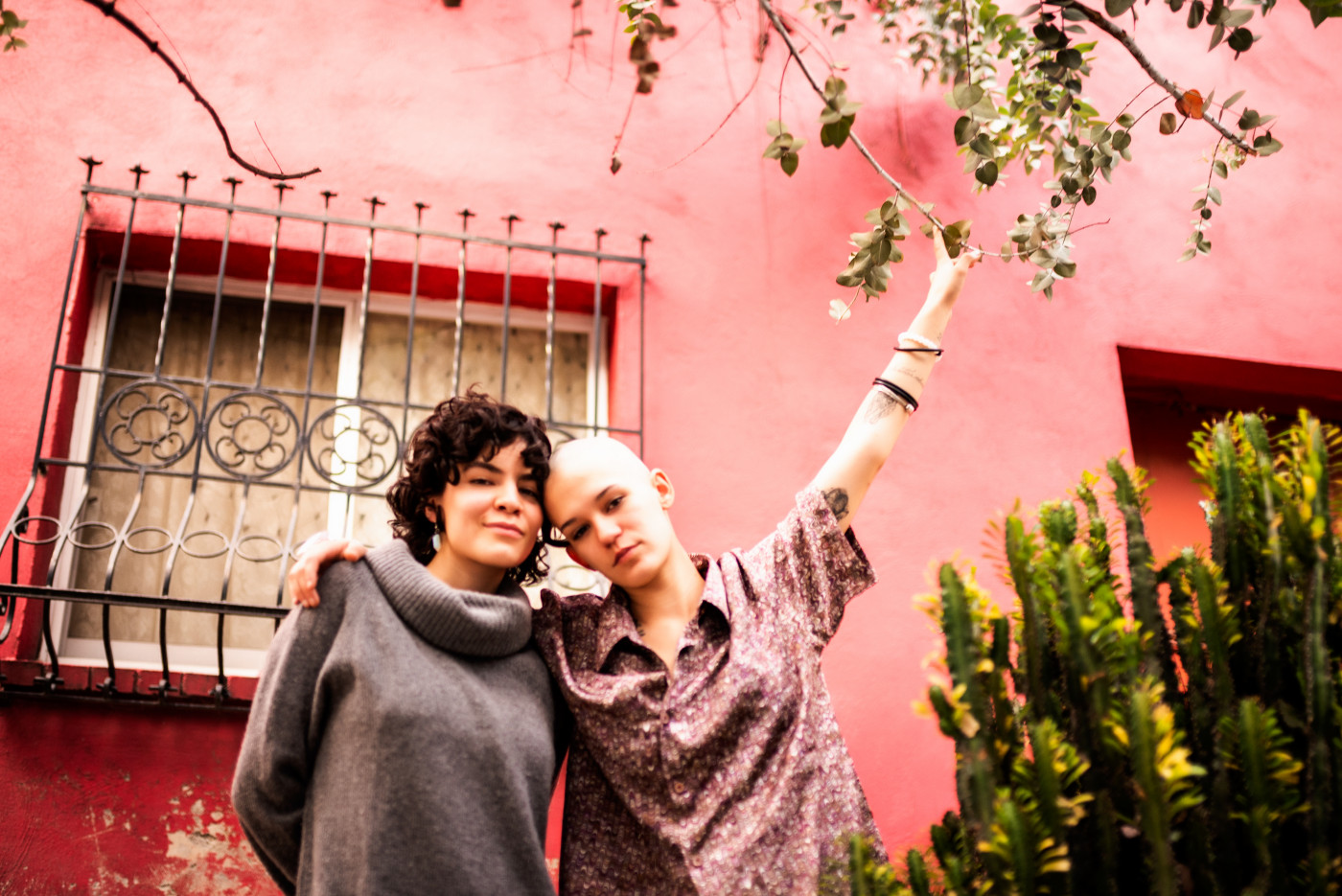
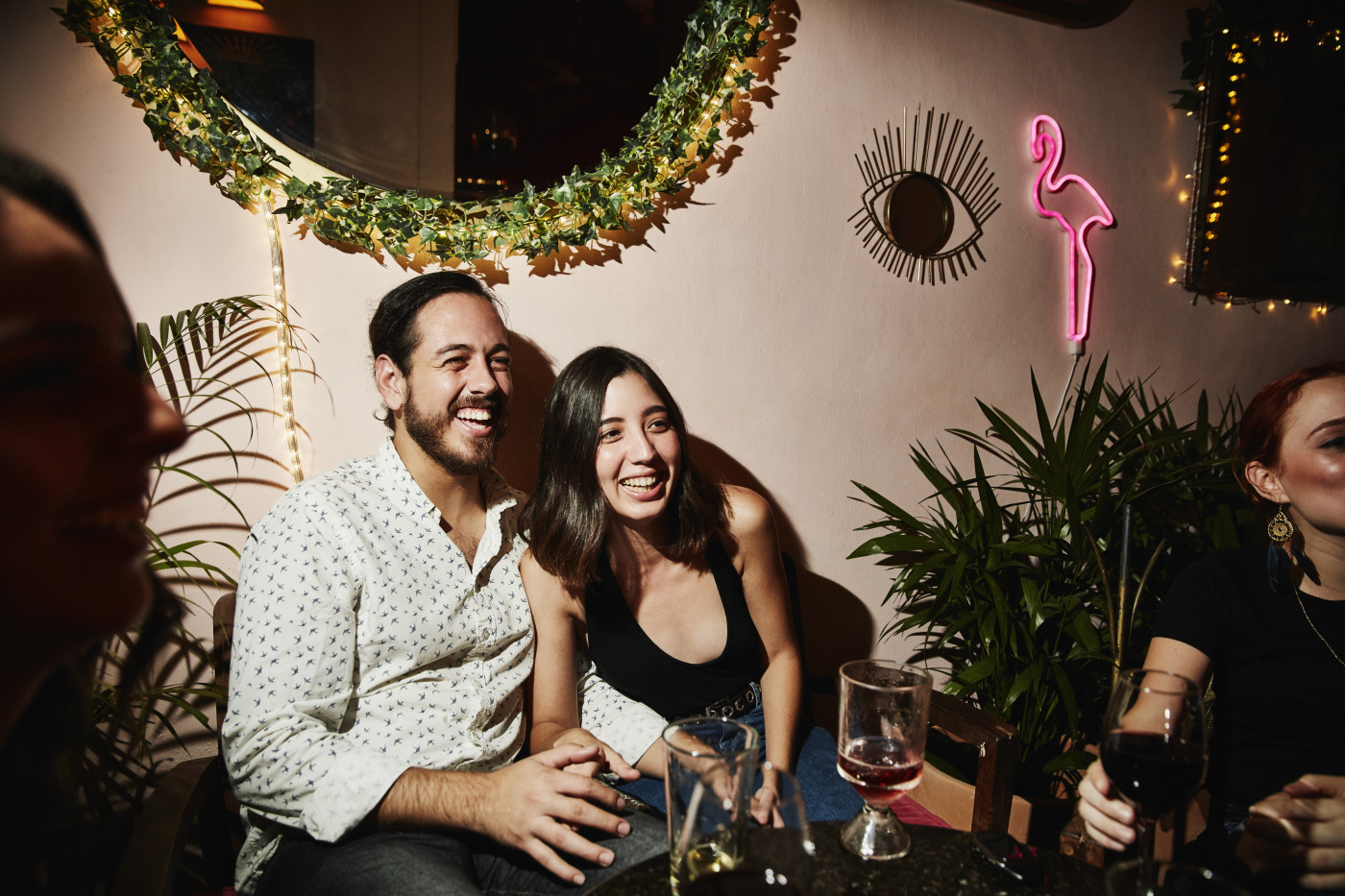
Today we’ve launched “Nosotros,” the very first curated collection aimed at the Latinx/Hispanic community to help dismantle some of these pervasive stereotypes.
But we do understand that even in light of launching a collection like this, we still are
facing an uphill battle. For example, of the few Latinx/Hispanic individuals featured out in the world across any media, they’re frequently typecast as olive‑skinned, fine‑featured with dark but slightly waved fine hair; prioritizing proximity to an idealistic European phenotype over the reality of the community’s richly layered ethnic history that includes a multitude of descendants with Indigenous, African and/or European ancestors in their background.


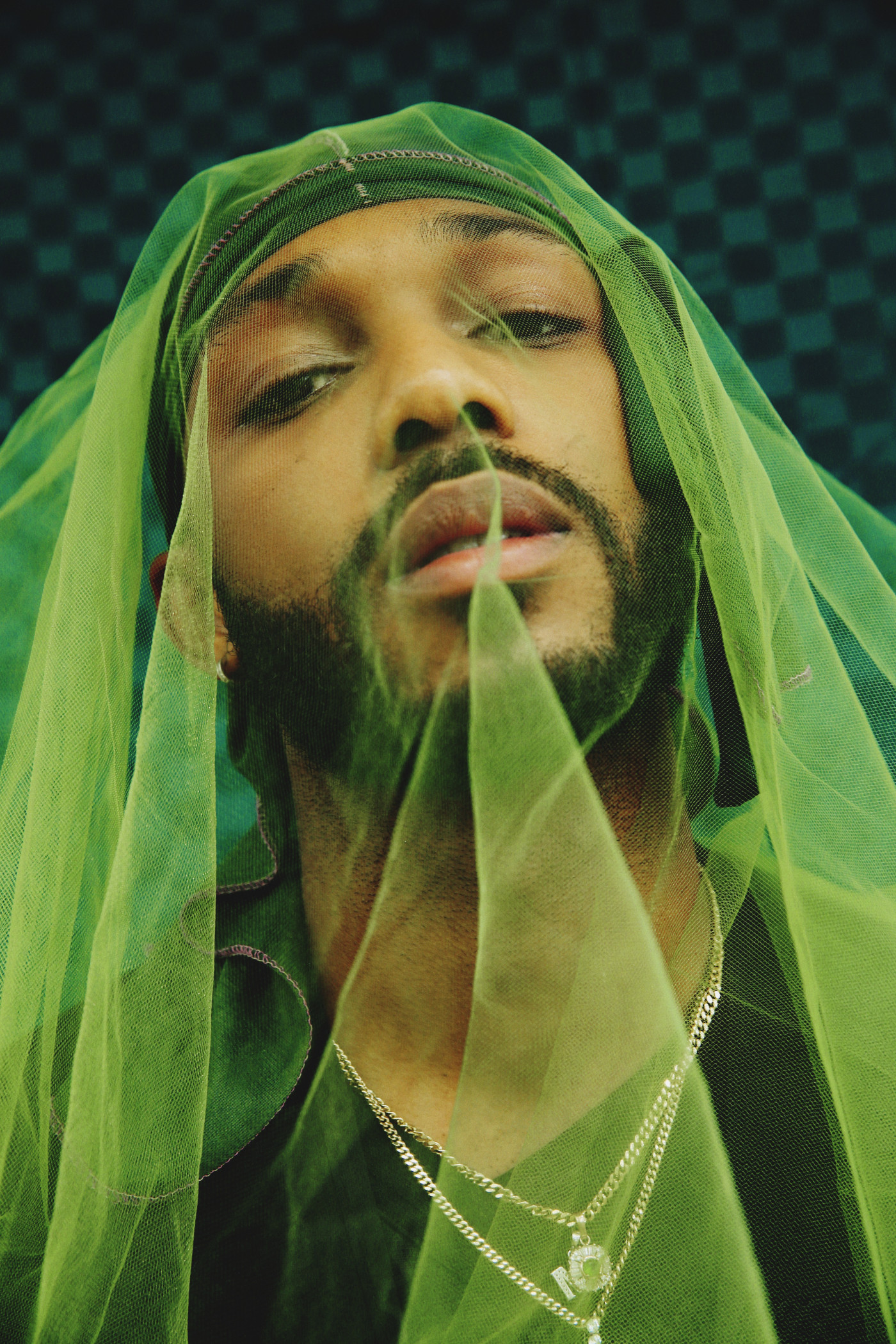
There isn’t any one way to be Latinx and each and every unique story deserves to be told.
And that’s if they’re even included at all. A 2016 study released by the Media, Diversity and Social Change Initiative at the USC Annenberg School for Communication and Journalism, found that the Latinx community is among the least represented speaking roles in film and TV at 5.8%. In advertising, while the industry has mostly moved away from overtly offensive characters like “Chiquita Banana” or the Taco Bell chihuahua, brands still often treat this community as an afterthought. There’s an assumption that some magical box has been ticked by translating a non‑Latinx campaign into Spanish with little to no regard to the unique cultural nuances of this diverse community or when featuring a lone, Latinx model in a cast of multi‑racial characters.
However, the tide is certainly turning and we’re in a renaissance era of inclusion. The United States is well on its way to becoming majority minority. Important conversations are being had about how for some among us, the intersections of different identities can very often have grave consequences. Hollywood, traditional television and streaming services are beginning to recognize and harness the power and unique talent of the marginalized to bring more diverse stories to the center. Brands are telling their ad agencies to diversify your teams "or else". Beyoncé is reportedly walking out on multimillion‑dollar pitch meetings because the team does not reflect the world. And here at Getty Images, we’re launching the Nosotros Collection.
View, license and use the photos in Nosotros for your next project or campaign. Help us transform the visual narrative for this community and beyond!







All article tags
Related articles



Learn more about licensing with Getty Images and Stay Inspired!

Connect with our visual experts for more details

Subscribe to our newsletter