Middle East Travel Insights: Visit the GCC

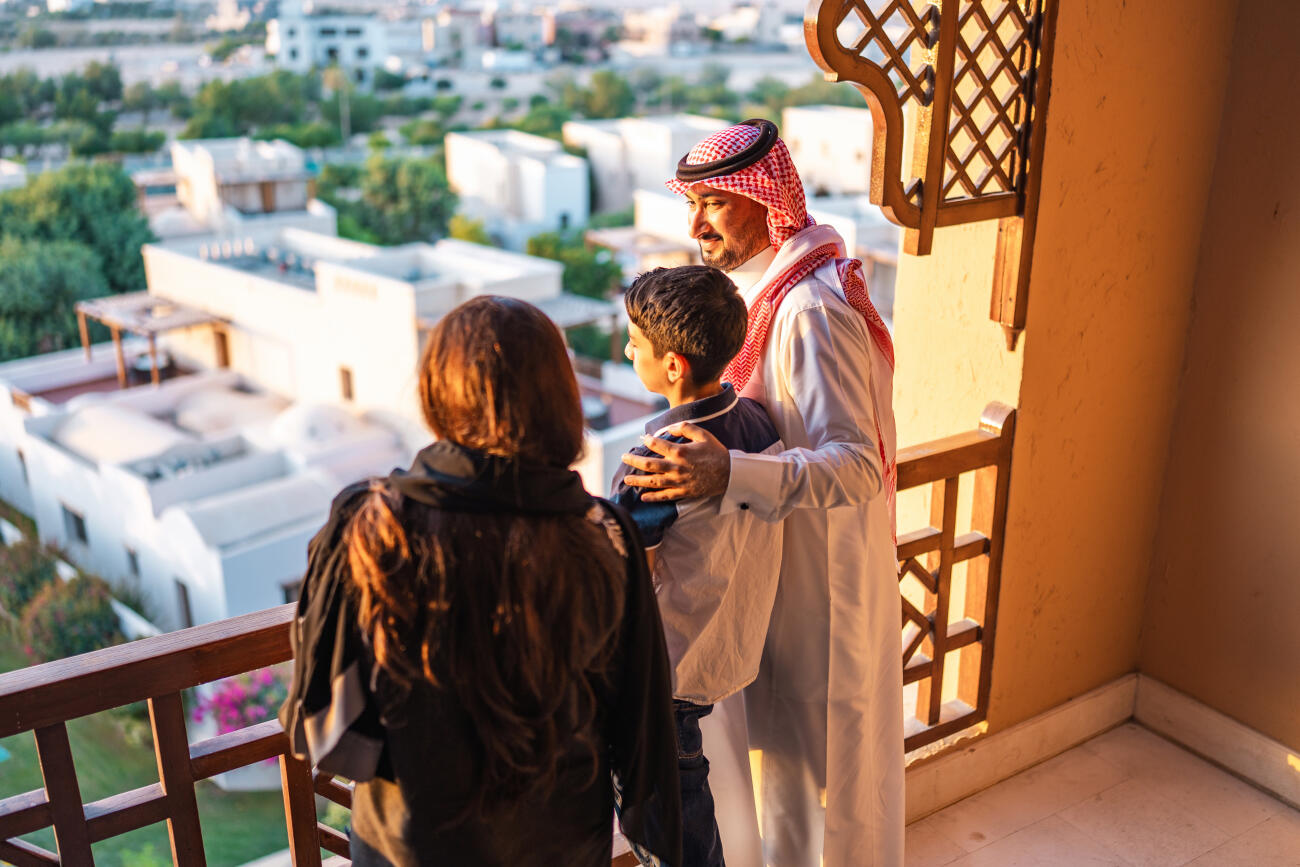
If recent history has proven anything about the Middle East’s travel sector, it is that turbulence cannot stop its momentum. It continues to be one of the most closely watched growth narratives in the global travel industry. Amid temporary airspace closures and shifting global tides, travellers keep booking, searching and spending. Far from being sidelined by uncertainty, cities like Dubai, Riyadh and Doha are doubling down, with bold investments, ultra‑luxury developments and cutting‑edge tech. The short‑term bumps are real, but the long‑term forecast is positive.
According to the World Travel & Tourism Council (WTTC),1 the Middle East is set to be the world’s fastest‑growing travel market over the next decade, transforming from a resilient market into a trendsetter for global tourism. From screenless simplicity and emotion‑led destination marketing to purpose‑driven travel narratives, Getty Images' VisualGPS research reveals the key creative opportunities shaping travel imagery across the GCC. Here is how travel brands can best leverage visuals to connect with consumers.
Seamless vs screenless
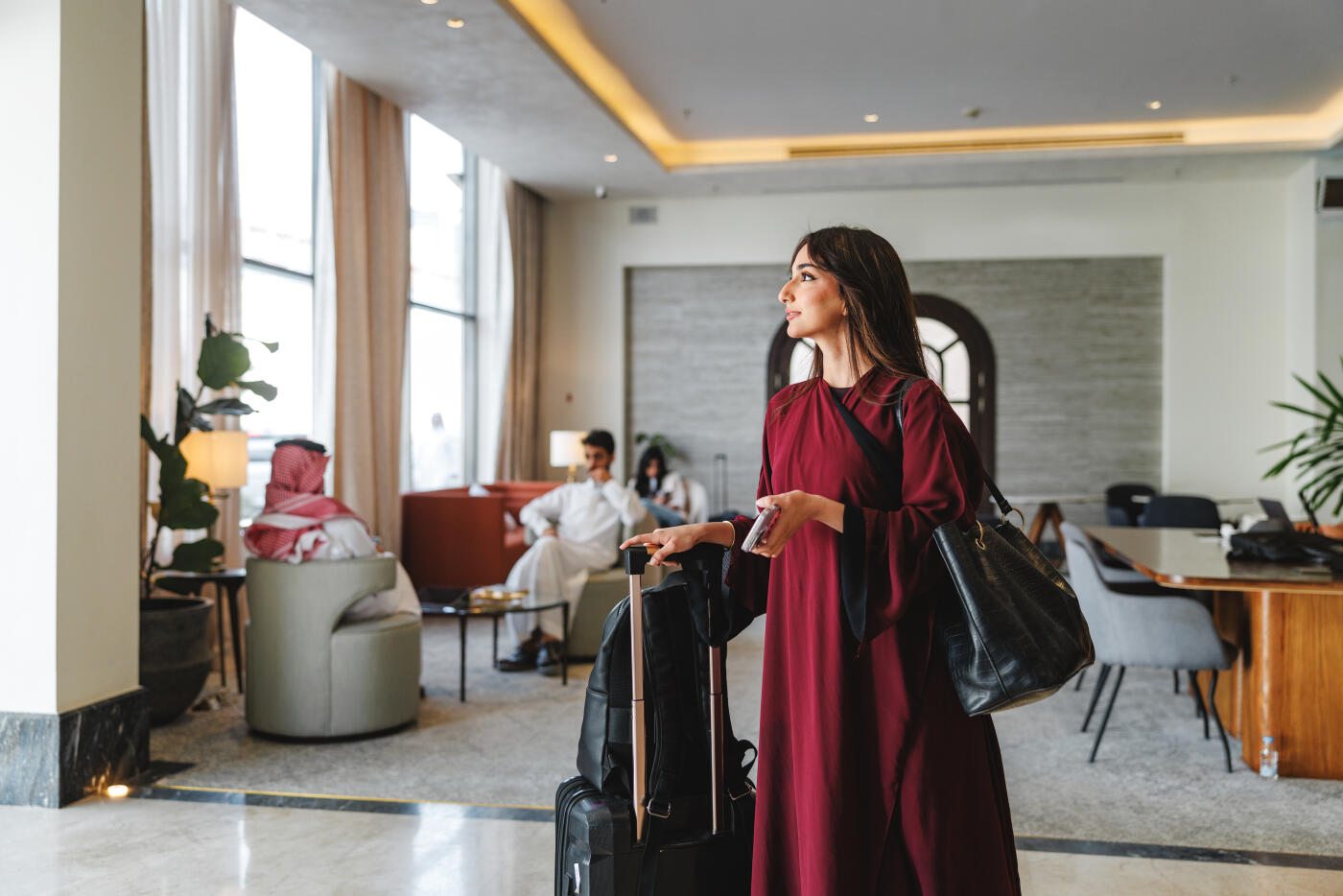
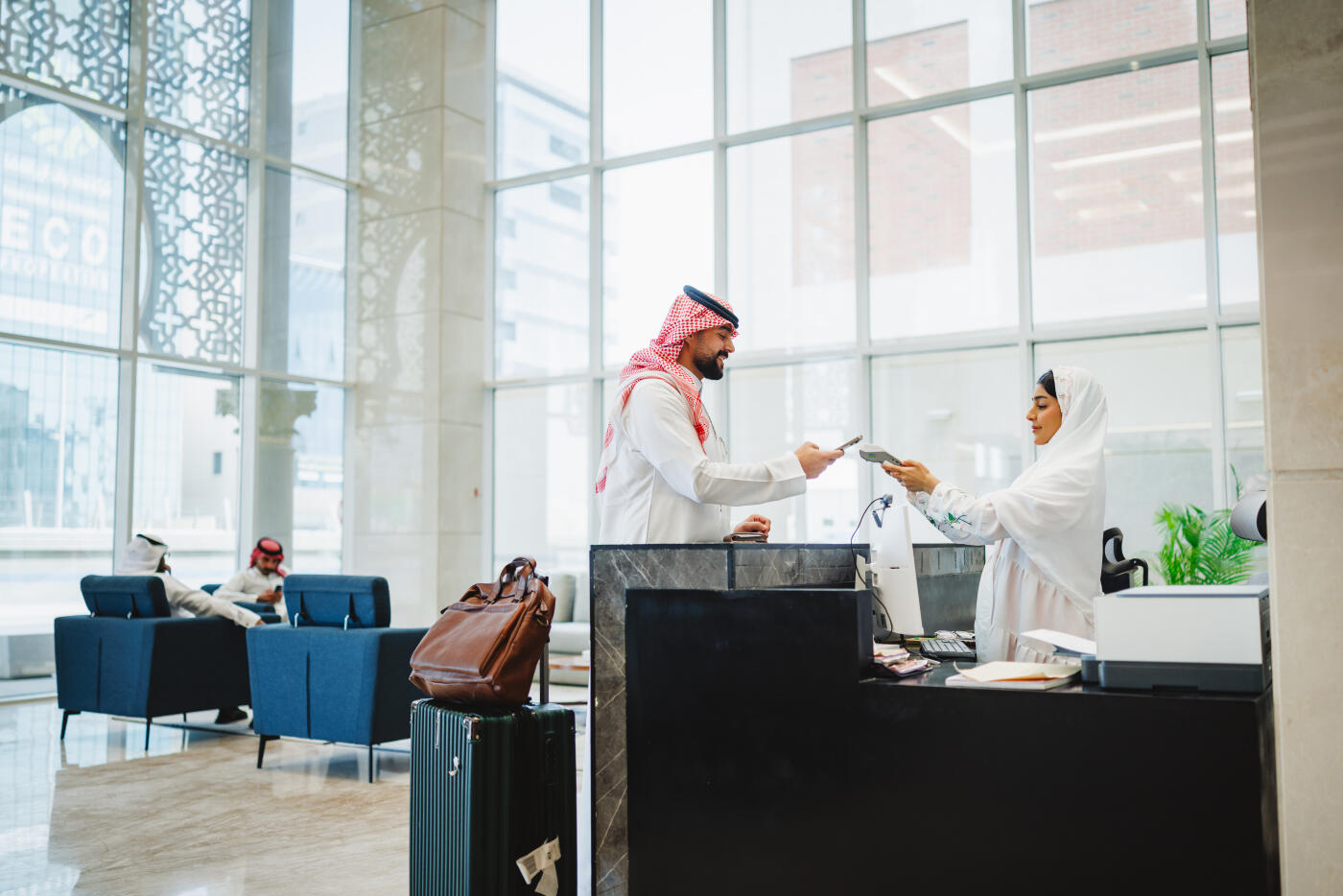
As consumers across the Middle East experience growing digital fatigue, seamless travel is being redefined. VisualGPS research found that 30% of Saudi and UAE consumers are concerned about society’s reliance on technology, while 38% believe the risks of AI could outweigh its benefits. With anxiety affecting more than 40% of Saudis and Emiratis, travellers are increasingly seeking experiences that feel calming, intuitive and free from constant digital demands. For travel brands, this creates an opportunity to offer journeys where technology works quietly in the background, enabling frictionless experiences without becoming the focus.
This desire for simplicity is also fueling nostalgia‑driven travel, known as “nostalgification”. Globally, 58% of travellers are revisiting destinations tied to childhood memories,2 using familiar experiences as an antidote to the pressures of modern life. To connect with this mindset, brands should move away from fast‑paced, screen‑centric creative and embrace slower, more immersive storytelling. Minimal camera movement, soft lighting, muted colour palettes, vintage textures and authentic real‑world moments can evoke a sense of comfort and presence, helping audiences reconnect with the emotional benefits of travel rather than the technology that powers it.



Creating the destination
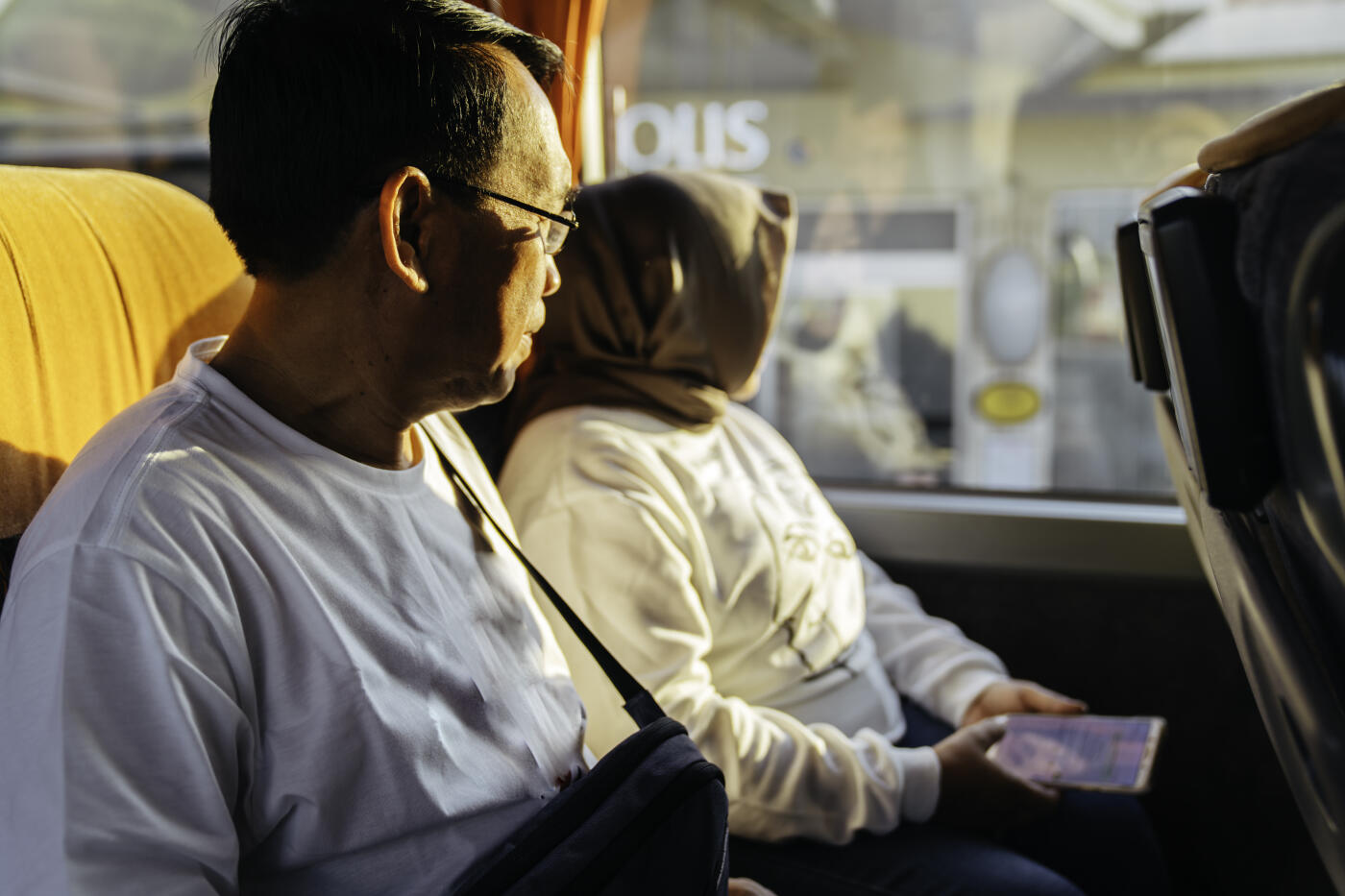
Travellers are increasingly bypassing mass tourism to prioritise sensory, immersive encounters—proving that modern travel is defined less by the destination itself and more by the emotions a place evokes. It is less about a landmark and more about a feeling. Post‑pandemic, travel has become a key motivator. For example, 70% of UAE consumers say that life has become too serious, with 87% seeing getting away as the ultimate fix for the everyday grind, trading life's serious tone for pure joy, carefree adventures and a bit of breathing room. And while classic landmarks continue to capture 65% of UAE travellers’ interest, a growing third of consumers are actively seeking hidden gems and cost‑effective "dupe destinations".
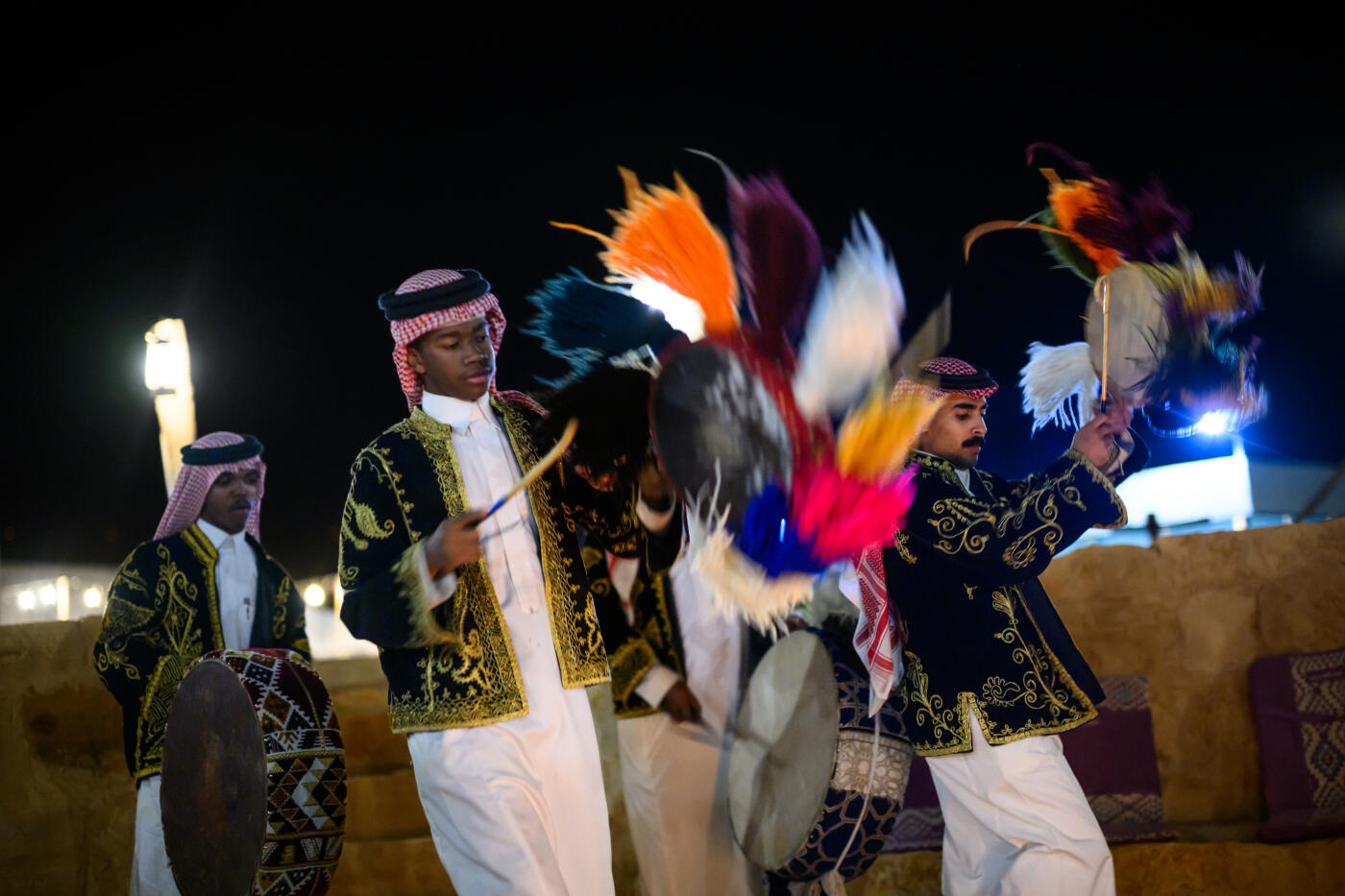
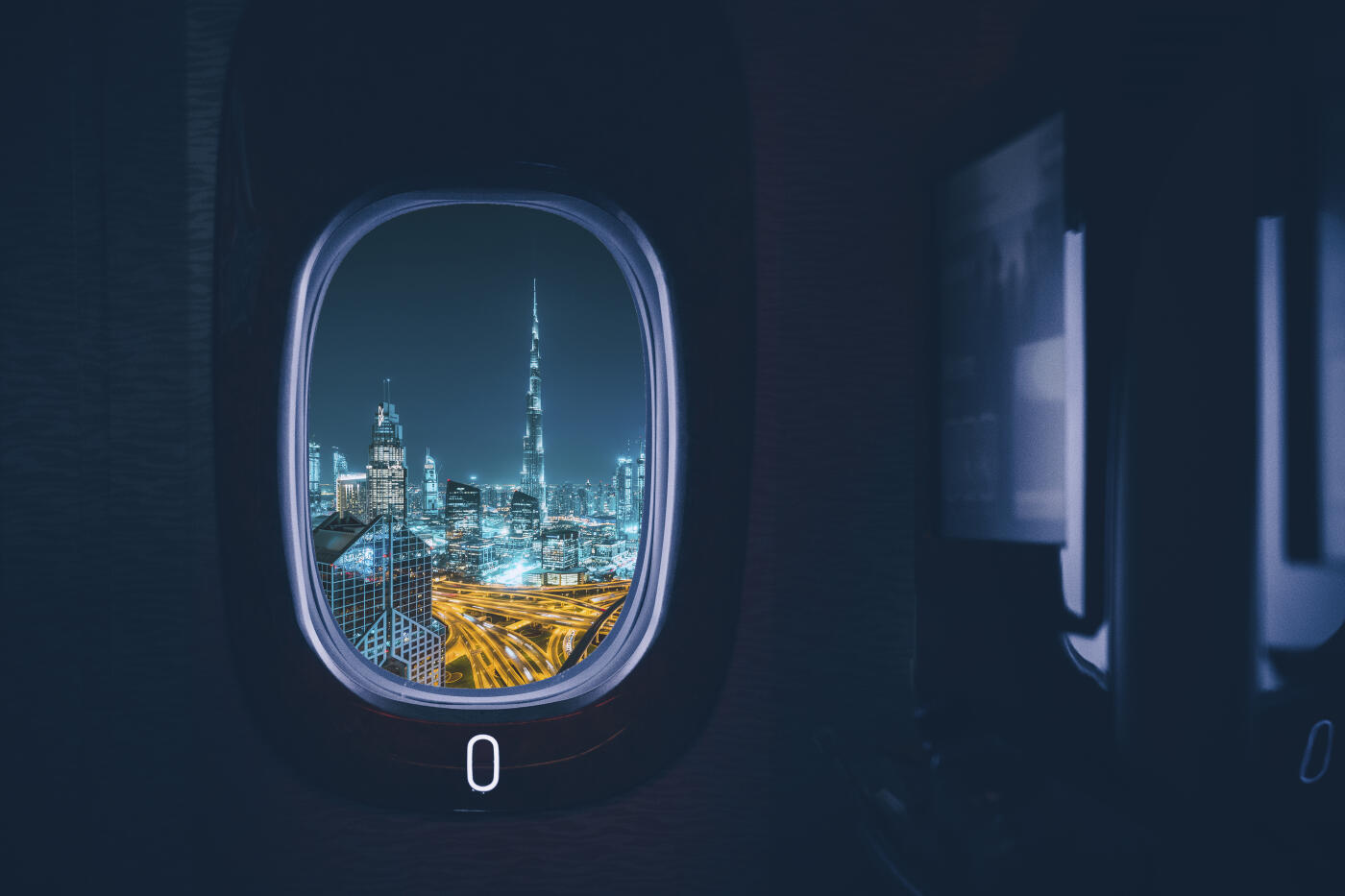
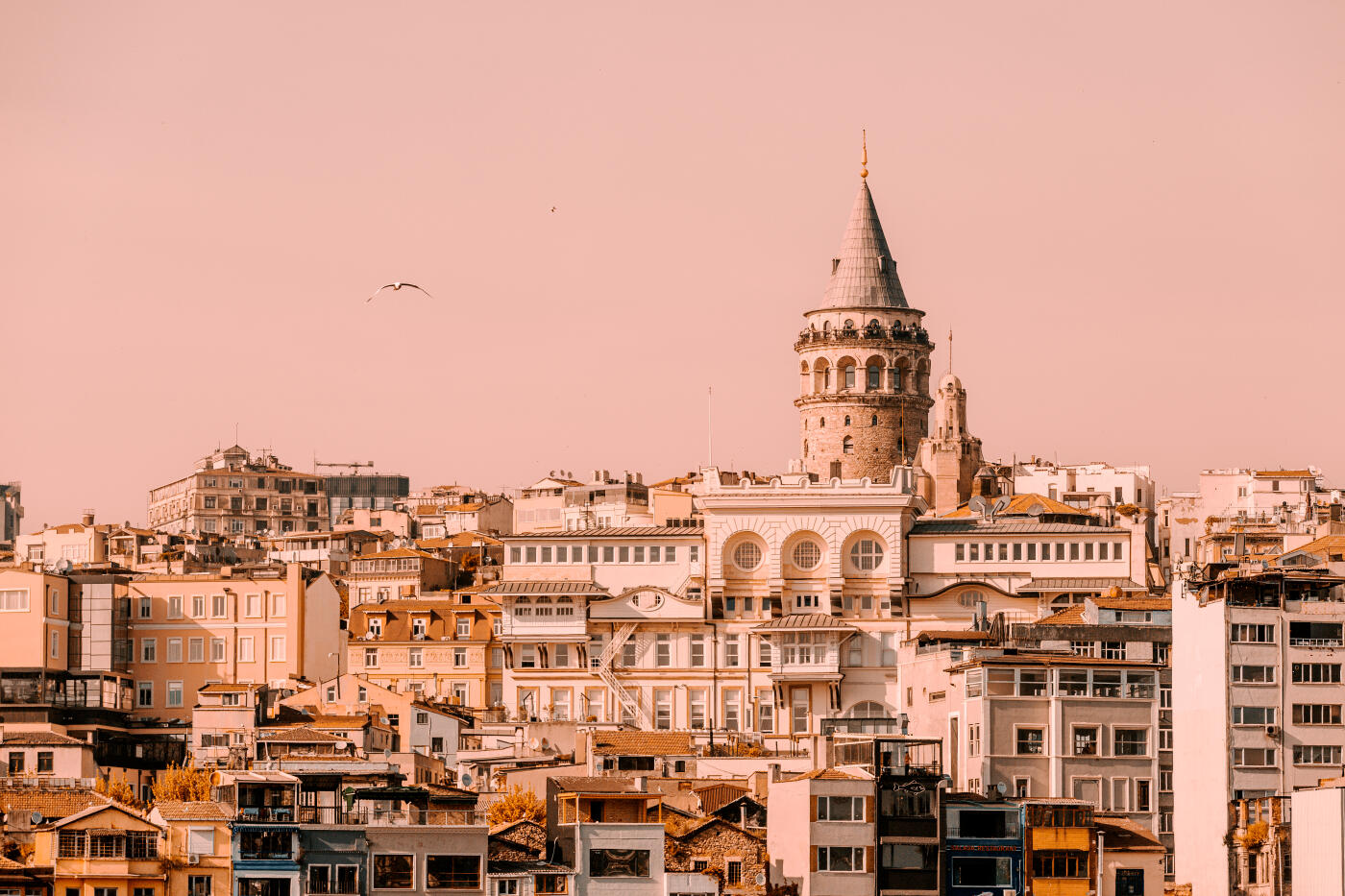
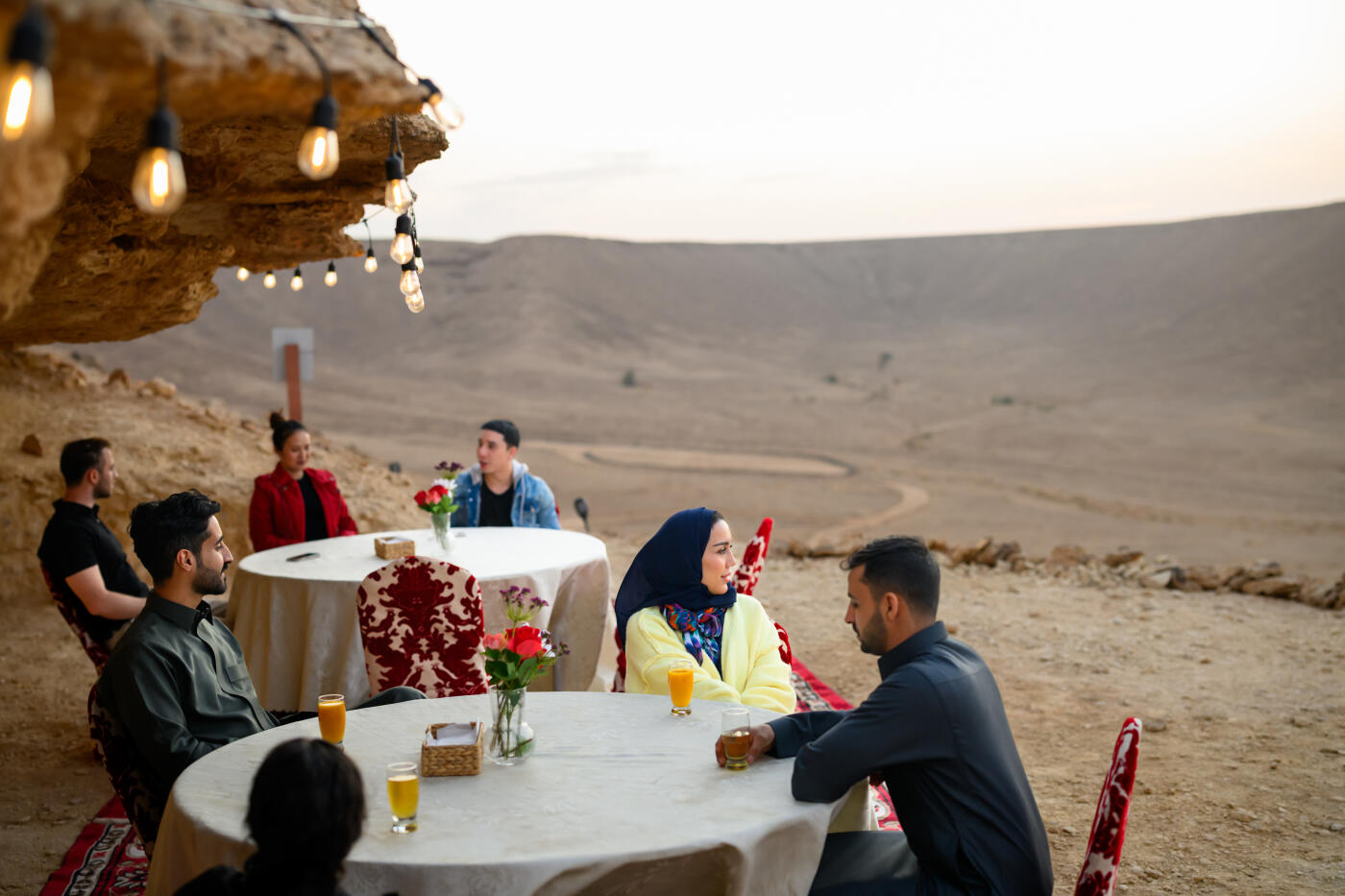
Visuals should now evoke how a place feels, not just how it looks. Move from perfect postcards to personality‑driven storytelling where the vibes of the destination take centre‑stage. Mix cinematic lighting and composition with user‑generated realism of grain, motion and imperfection. Let your brands’ viewers sense sound and texture through the visuals.


Conscious travel impacts the itinerary
From booking last‑minute getaways to chasing "last‑chance" experiences, climate change is actively reshaping traveller priorities and how we explore the world. In the UAE, 80% of travellers are aware of its impact on their destination choices, especially among younger generations. In fact, more than 71% of KSA and UAE consumers are eco‑conscious, saying it is important that their actions do not harm the environment. And 80% are willing to pay extra for eco‑friendly travel.
People are tired of vague promises. Travellers aren’t just seeking new places—they’re seeking purpose. 70% of Saudi and UAE consumers believe brands should take the lead in addressing climate change. Move beyond generic sustainability cues and showcase honest, actionable, human‑centred stories. Focus on how travel can benefit local communities—culturally, economically and environmentally to earn deeper trust, especially among younger audiences.
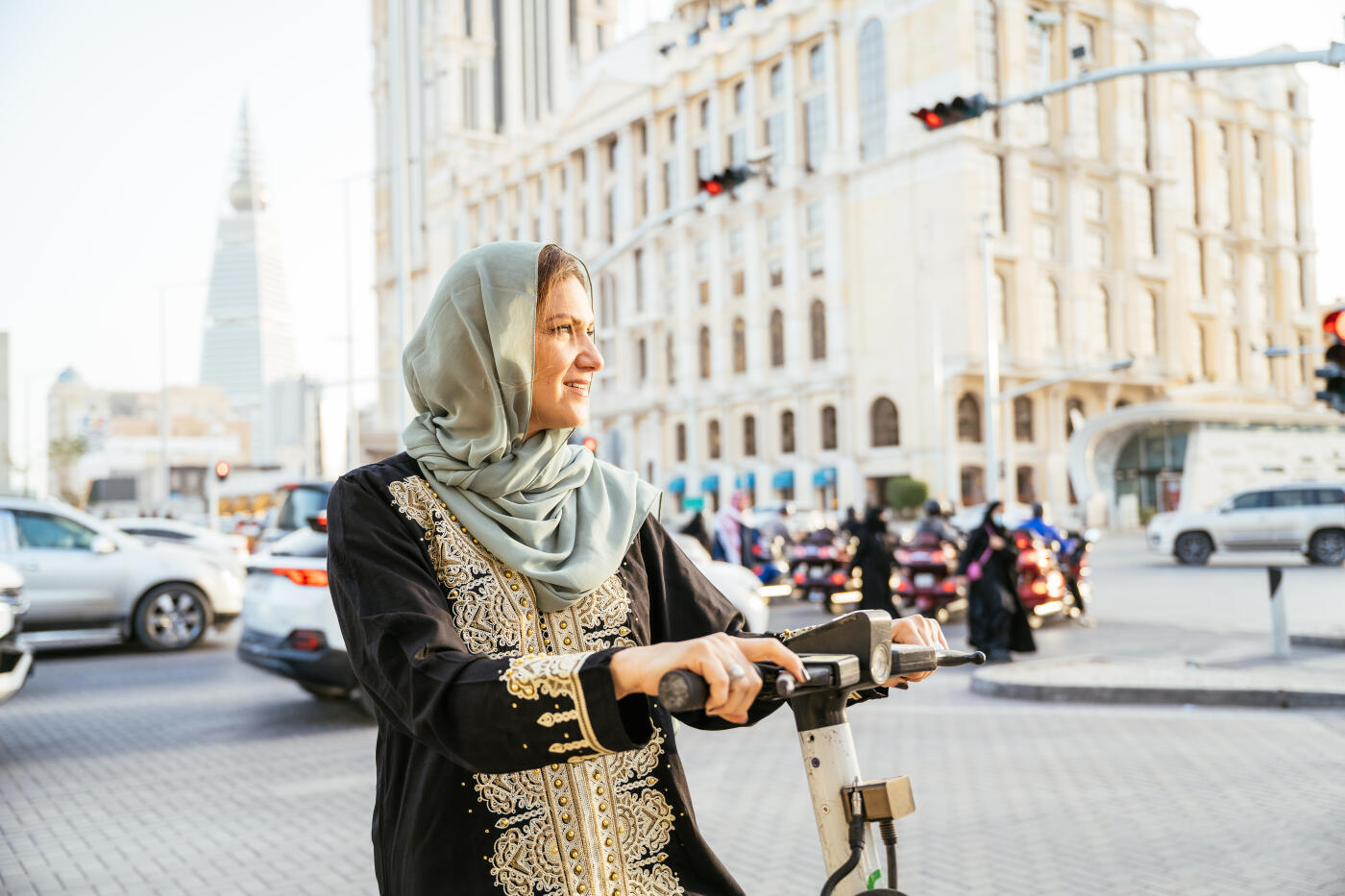


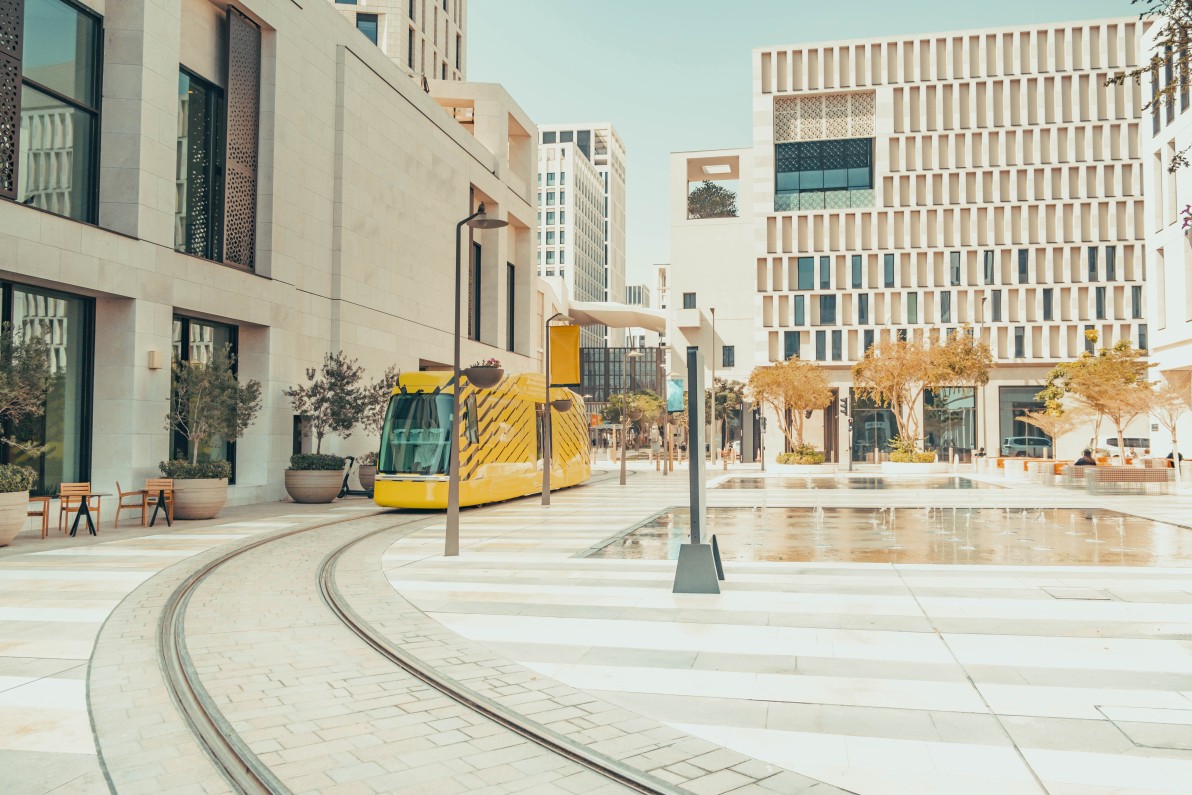
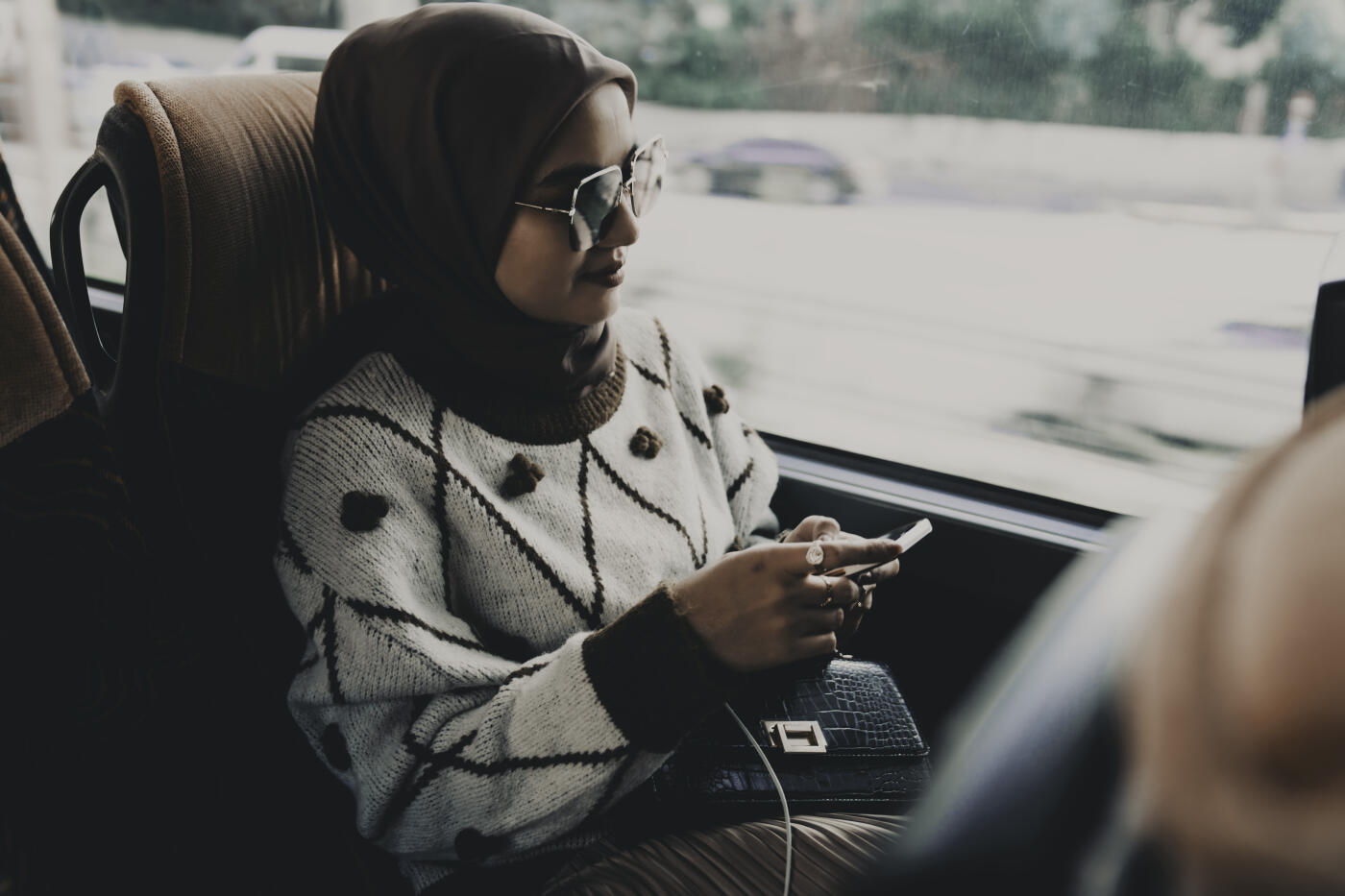
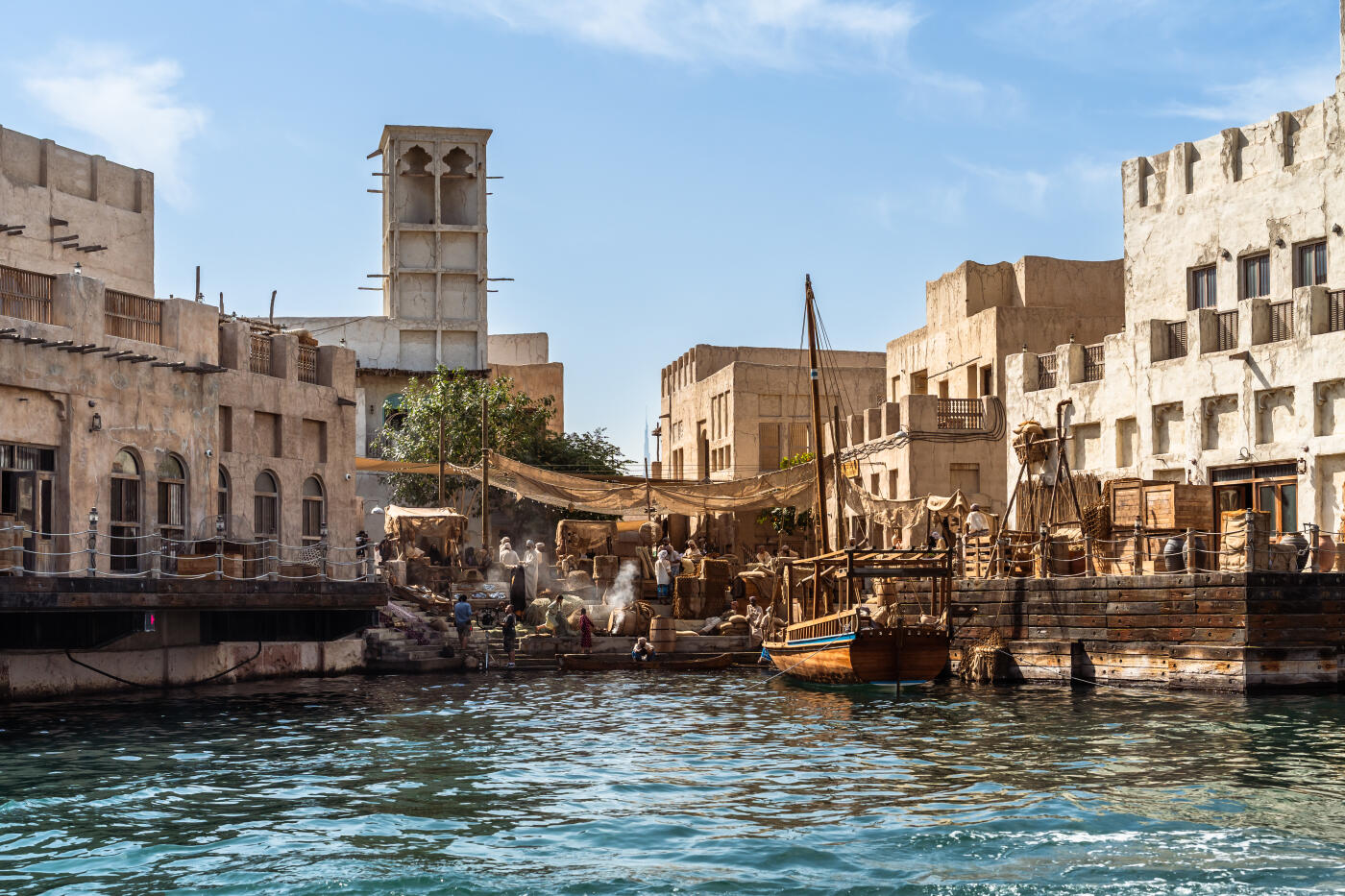
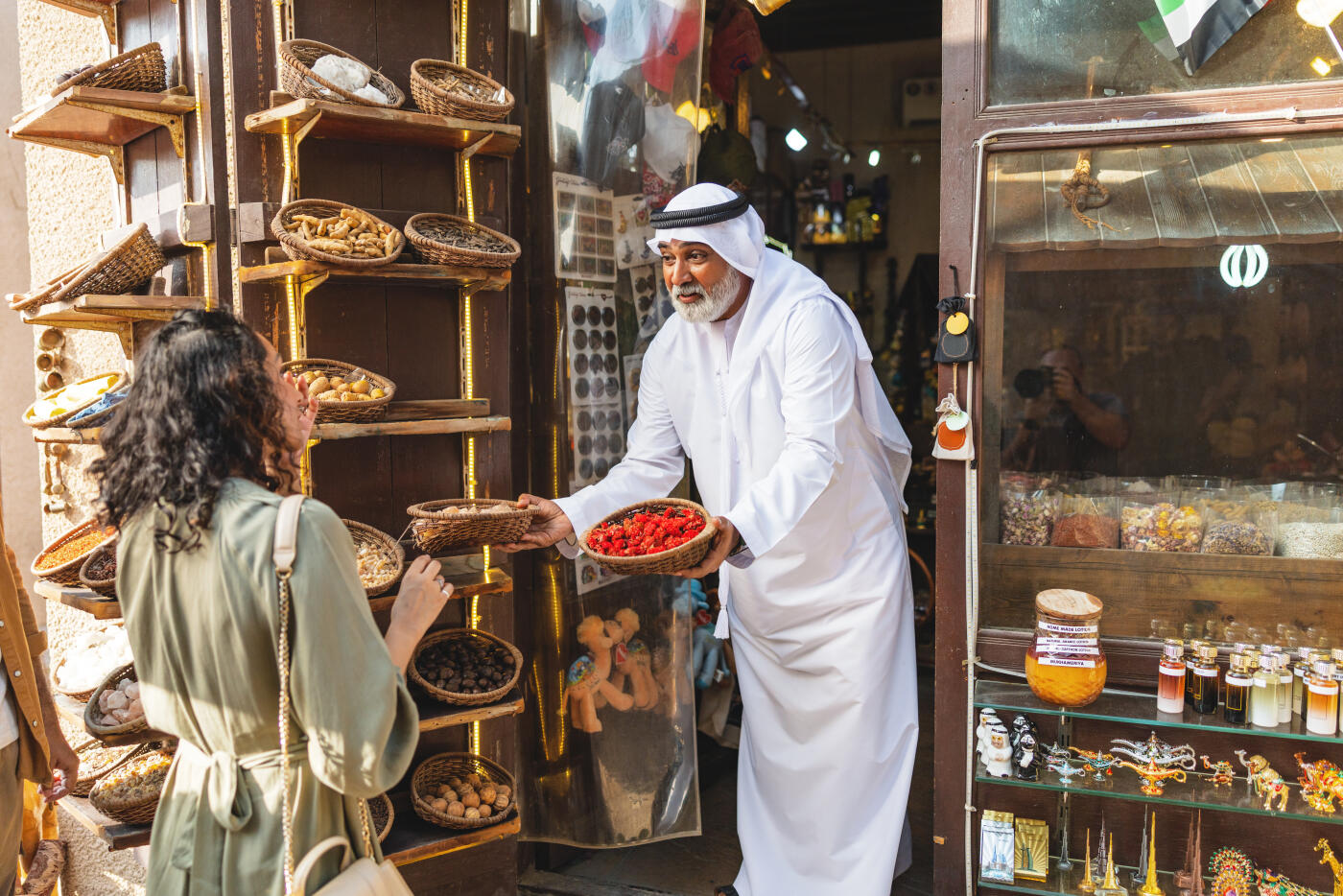
The future of travel marketing in the GCC is less about showcasing destinations and more about capturing experiences. Visual storytelling should feel seamless, sensory and socially conscious, reflecting travellers’ desire for simplicity, escapism and purpose in equal measure. Brands that combine emotional resonance with authentic, impact‑driven narratives will stand out, transforming imagery from a window into a destination into an invitation to belong, explore and contribute.
All article tags
Sources
[1] World Travel & Tourism Council
[2] Selling Travel
Related articles



Learn more about licensing with Getty Images and Stay Inspired!

Connect with our visual experts for more details