Honoring Family Through Travel Video

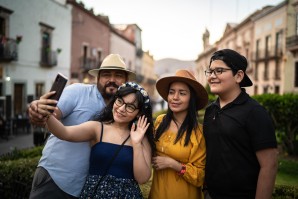
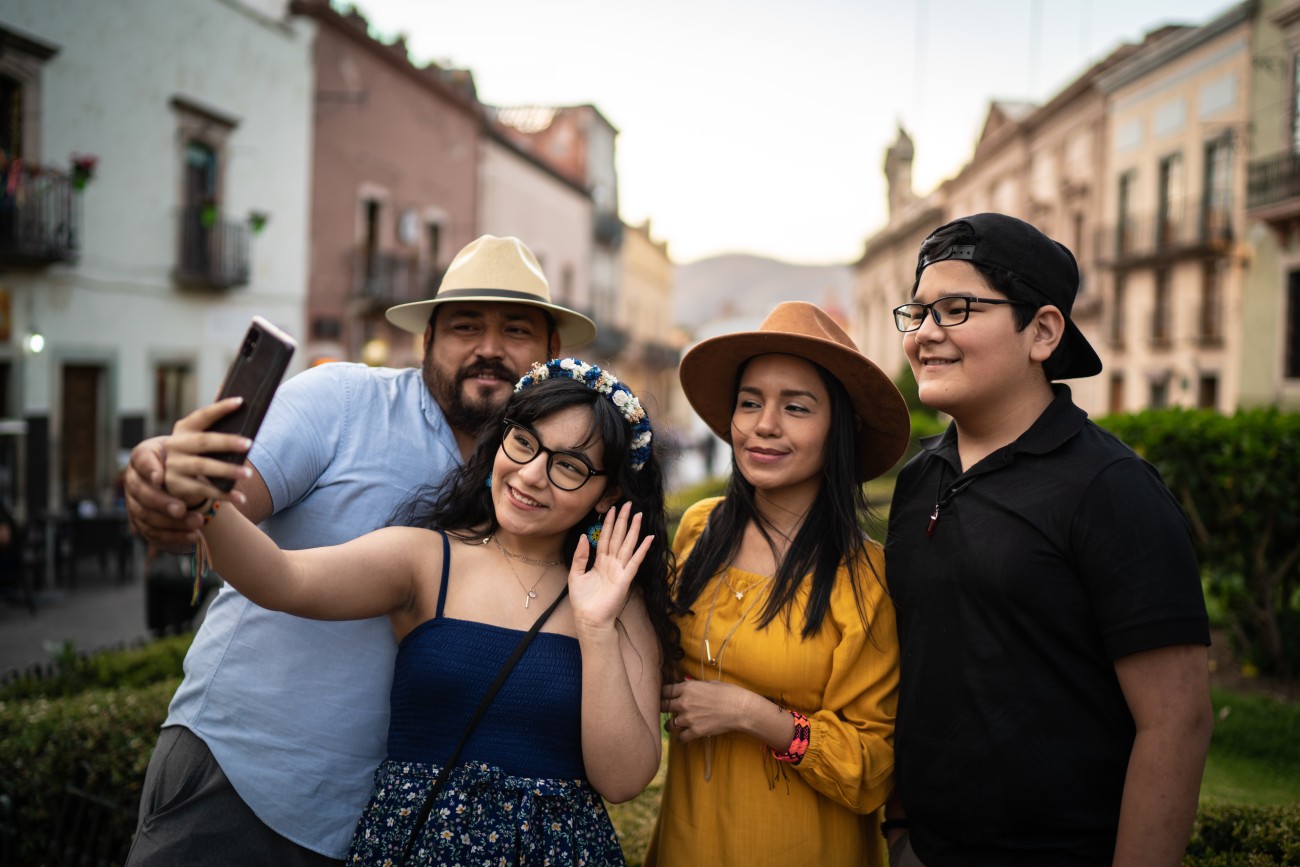
In 2024, VisualGPS research shows us how important family still is. When looking at the presence of families across Latin America, research finds that the majority of Latin American households are multigenerational: 59% for Mexico and Colombia and 50% for Chile (Argentina is the outlier at 37%). This prevalence has obvious travel implications—since a large amount of Latin Americans plan to travel with family (52%), it’s important that travel brands take a close look at how to center the importance of the family unit in ways the modern Latin American would like to see.
The importance of relatablity in video
One way to center the family unit for today’s traveler is through authenticity. When it comes to the types of travel visuals they opt for, 79% of Latin Americans prefer those that are relatable and look like pictures of them and their families and 58% prefer visuals of families enjoying vacations together, signaling a desire for visual content to get more personal. This desire for relatability ties into another way to center families via format. Social media platforms throughout the region rely on video and this saturation correlates with the consumer preference for that format:2 50% of Latin Americans cite reels/stories as how they prefer to consume inspirational content. Ultimately, this builds up to a crucial visual takeaway: Relatable videos of families traveling can help connect customers with travel brands more authentically.
More specificity in what is shown and how it’s shown can go a long way to connecting with travelers through visuals.
Prioritizing a social media aesthetic
However, videos of families are not as leveraged as they can be. VisualGPS reveals that brands largely leave out families from videos related to travel: Only 5.8% of travel videos feature families at all. And when they are shown, videos of families use techniques that lend to a more professional feel rather than the relatable, social‑first style we know is preferred. For example, certain slo‑mo and wide angle shots can often feel like old‑school ads for resorts. And overuse of the beach setting limits where families travel.
In order to properly deliver on this need, brands should lean into vertical video whenever possible to conjure the style of social content travelers are used to (a selfie video never hurts!). They should also focus on moments between family members that feel natural/candid and that take place in places other than the beach. More specificity in what is shown and how it’s shown can go a long way in connecting with travelers through visuals.
All article tags
Sources
[1] Merriam‑Webster
[2] Statista
Related articles

Learn more about licensing with Getty Images and Stay Inspired!

Connect with our visual experts for more details

Subscribe to our newsletter